





 Portuguese
  English
  Spanish
  5 min of reading
  0 comments


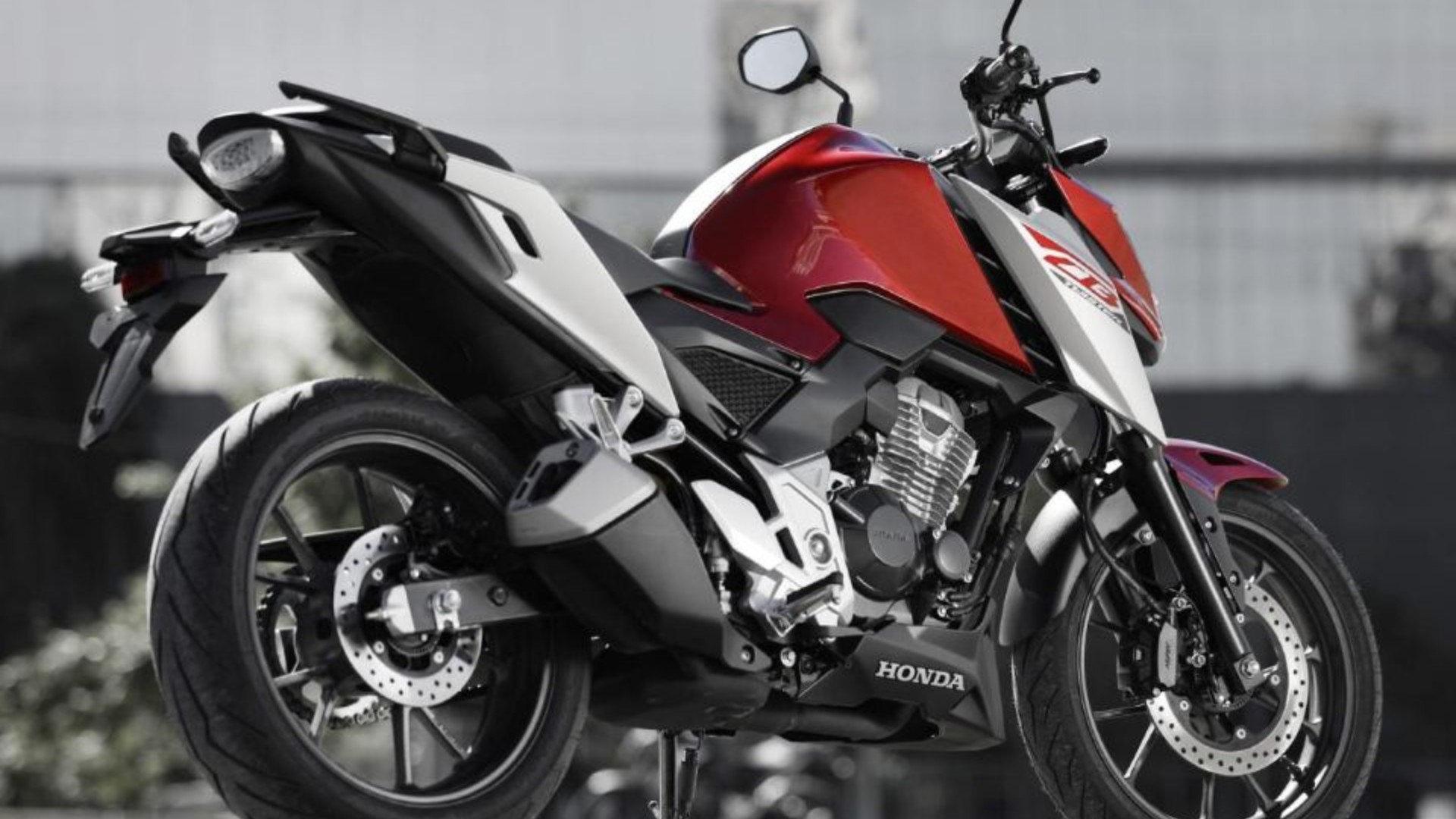
Urban model among the best sellers in Brazil maintains technical base, bets on discreet visual renewal and registers appreciation in the market above the suggested price, reflecting high demand and strategic positioning in the medium displacement segment.
The Honda CB 300F Twister 2026 arrived in the Brazilian market without mechanical changes, but with a visual update and maintenance of the technical set that helped consolidate the model among the most sought-after medium displacement motorcycles in the country.
The line preserves the flex engine of 293.5 cm³, delivering up to 24.7 hp with ethanol and offering two braking versions, CBS and ABS, while the suggested public launch price was below the value that the model began to register in market surveys for zero-kilometer vehicles.
In the street segment, the CB 300F continues to be positioned as a motorcycle aimed at urban use and mixed displacements, with a proposal that combines naked size, basic electronic features, and lower maintenance costs than those of higher displacement models.
-
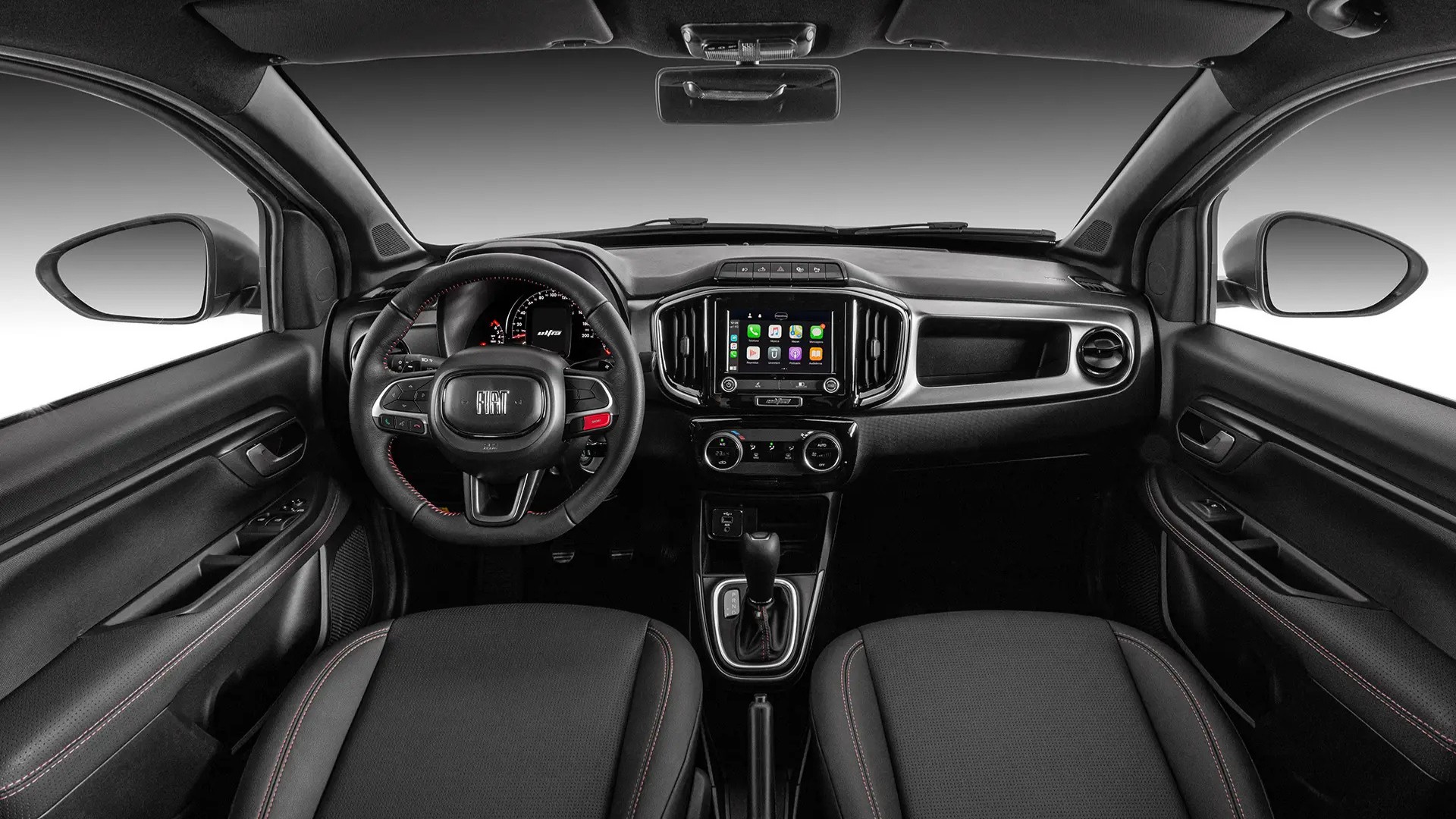
With a 1.3 engine, nearly 700 km of range, and Turbo 200, the Fiat model surpasses Polo, Tera HB20, and Onix, becoming the best-selling car in March; see the numbers for the Fiat Strada and others.
-
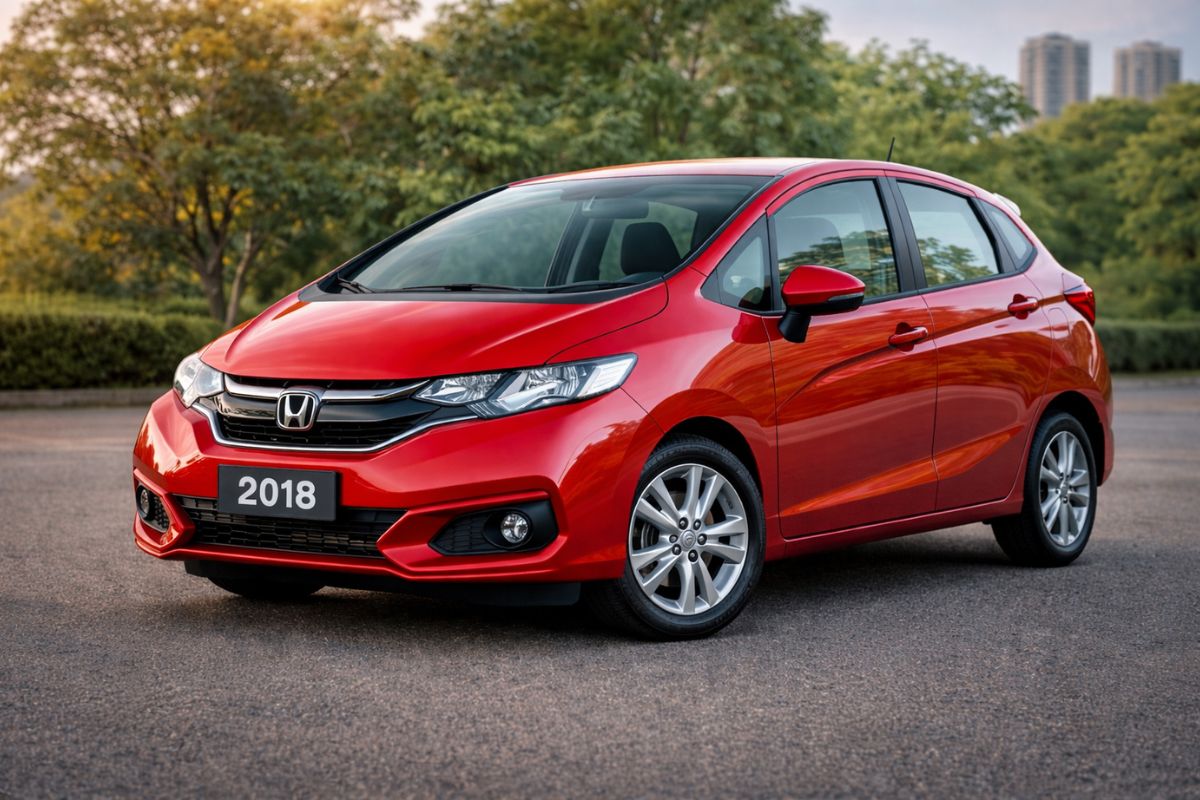
The Honda Fit has been discontinued for years, but the 2018 model is worth more today in the Fipe table than it cost brand new, proving that this used car, valued with a 1.5 i-VTEC engine and Magic Seat, only increases in price.
-
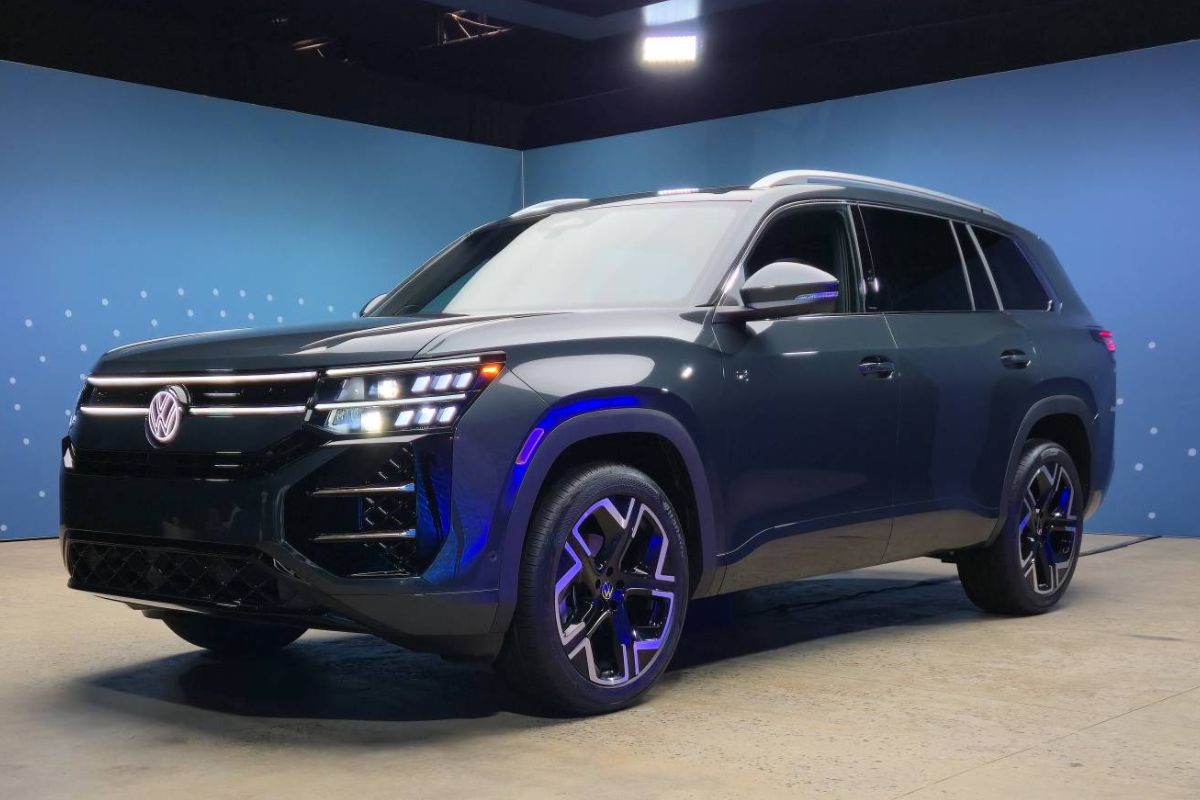
Volkswagen unveiled the 2027 Atlas with a 282-horsepower EA888 turbo engine, a 15-inch screen, massage seats, and a completely new interior to finally elevate the three-row SUV built on the MQB platform to a new level.
-
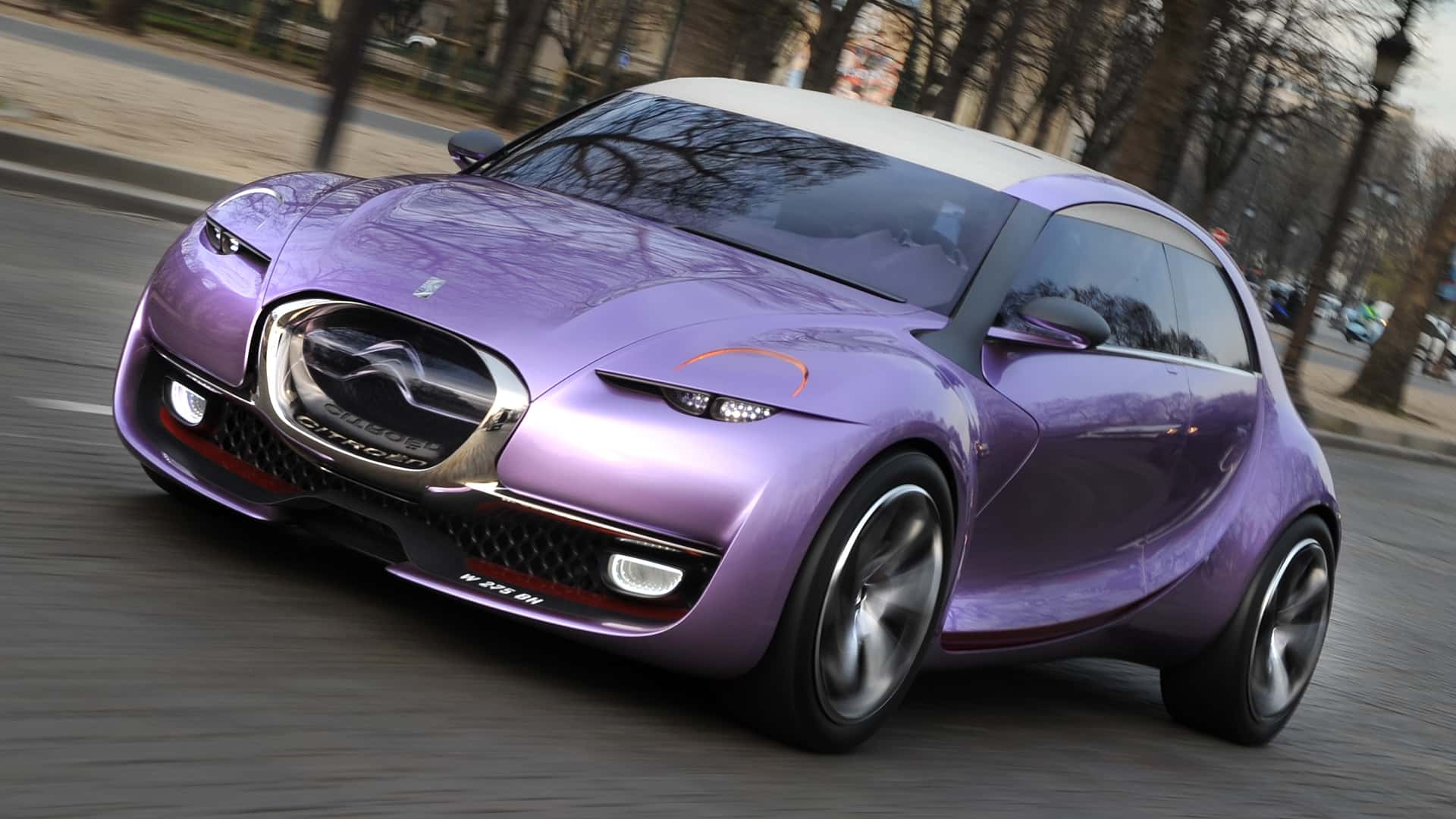
After decades out of the spotlight, Citroën is preparing to bring back the legendary 2CV as a low-cost electric vehicle, betting on the revival of one of the most popular cars in history and aiming to enter the race for affordable compact cars.

Market data published from numbers by Fenabrave shows that the motorcycle remained among the most registered in Brazil at the beginning of 2026, appearing in seventh place in January and repeating its presence in the group of best sellers in February.
Visual updates and changes in the 2026 line
The main novelty of the 2026 line is in the finish.
Honda announced at the launch of the new batch that the ABS version now features Pearl Blue as a new option, alongside Metallic Red, while the CBS version received Metallic Gray and kept Metallic Red in the catalog.

The brand also repositioned visual elements of the side fairing, reinforcing the perception of renewal without altering the structural base of the project.
This strategy confirms the reading that the manufacturer preferred to preserve a set already known to the Brazilian consumer.
Instead of reviewing the engine, cycling, or safety package, Honda concentrated the update on aesthetic points, which tends to reduce industrial impact and keep the motorcycle competitive in a price range sensitive for those looking to move up a category.
Another relevant point is that the model sold in Brazil continues with a conventional telescopic fork at the front.
In other markets, such as India and Argentina, the CB 300F family was presented with inverted front suspension since its launch, but this solution was not adopted in the national configuration.
The choice of Honda Brazil preserves the standard already used in the local model and helps explain the absence of deeper changes in the 2026 line.
Engine, performance, and autonomy of the CB 300F Twister
At the heart of the CB 300F Twister 2026 is the same single-cylinder OHC four-stroke, air-cooled engine, with 293.5 cm³ and fed by PGM-FI electronic injection.
According to the official technical sheet, the maximum power reaches 24.7 hp at 7,500 rpm with ethanol and is 24.5 hp with gasoline.
The torque reaches 2.67 kgf.m at 5,500 rpm with ethanol, or 2.61 kgf.m with gasoline.

The transmission is six-speed, and the motorcycle is equipped with an assisted and slipper clutch.
In practice, this means that Honda maintained the recipe that already defined the model’s behavior: adequate responses for the city, sufficient performance for highways, and a set that tries to balance agility and mechanical simplicity.
Although the promotional text and the market often associate the motorcycle with an autonomy close to 400 km, the manufacturer officially informs the 14.1-liter tank, but does not present, in the consulted technical sheet, a consolidated official data of maximum autonomy.
Structure, suspension, and braking system
The cycling base has also been maintained.
The CB 300F Twister uses a Diamond Frame chassis in tubular steel, with front suspension by telescopic fork with 130 mm of travel and a rear mono-shock assembly with 120 mm of travel.
The seat height is 789 mm, the wheelbase reaches 1,390 mm, and the reported dry weight is 140 kg, numbers that help explain the proposal of a medium displacement urban motorcycle with relatively accessible handling.
In terms of brakes, the line remains divided between two versions.
The CBS maintains a combined braking system and a three-piston front caliper, while the ABS adopts a two-channel anti-lock system and a dual-piston front caliper.
In both, the discs remain at 276 mm at the front and 220 mm at the rear, according to Honda.
The brand also preserved the alloy wheels with radial tires, one of the points used to sustain the sporty image of the model.

Standard equipment and urban proposal
In the equipment package, the CB 300F 2026 maintains items that had already been incorporated in previous versions.
Among them are the blackout digital panel with LCD screen, full LED lighting, USB-C port, alloy wheels, and radial tires.
It is a set that does not place the motorcycle among the most sophisticated in the category in terms of connectivity, but delivers the essentials that buyers in this segment usually seek for everyday use.
This positioning helps explain the commercial strength of the model.
The Twister occupies a relevant intermediate space: it is above entry-level utility motorcycles, offers more performance than the 150 and 160 cm³, and at the same time does not advance into the price range of larger nakeds.
Therefore, it often appears as an entry point for consumers who want a model with a more robust look, more elaborate brakes, and a flex engine with performance superior to simpler urban motorcycles.
Price, Fipe Table, and market value
At the launch of the 2026 line, Honda announced suggested public prices, based in São Paulo, of R$ 24,657 for the CB 300F CBS and R$ 25,637 for the CB 300F ABS, excluding freight.
In market surveys for March and April 2026, the zero-kilometer model appeared above R$ 27 thousand in references from the Fipe Table aggregated by automotive platforms, while retail market quotes exceeded R$ 29 thousand in some parallel surveys.
The difference between the suggested public price and the values observed in market inquiries reinforces a scenario already known in the two-wheeled sector: the manufacturer’s table does not always reflect the final price found by the consumer, especially when freight, documentation, dealership margin, and regional supply differences come into play.
In the case of the CB 300F Twister 2026, the jump between the launch sticker and the market numbers indicates a relevant appreciation for a model that continues to have good demand and a constant presence in the registration ranking.






Seja o primeiro a reagir!