





 Portuguese
  English
  Spanish
  4 min of reading
  0 comments


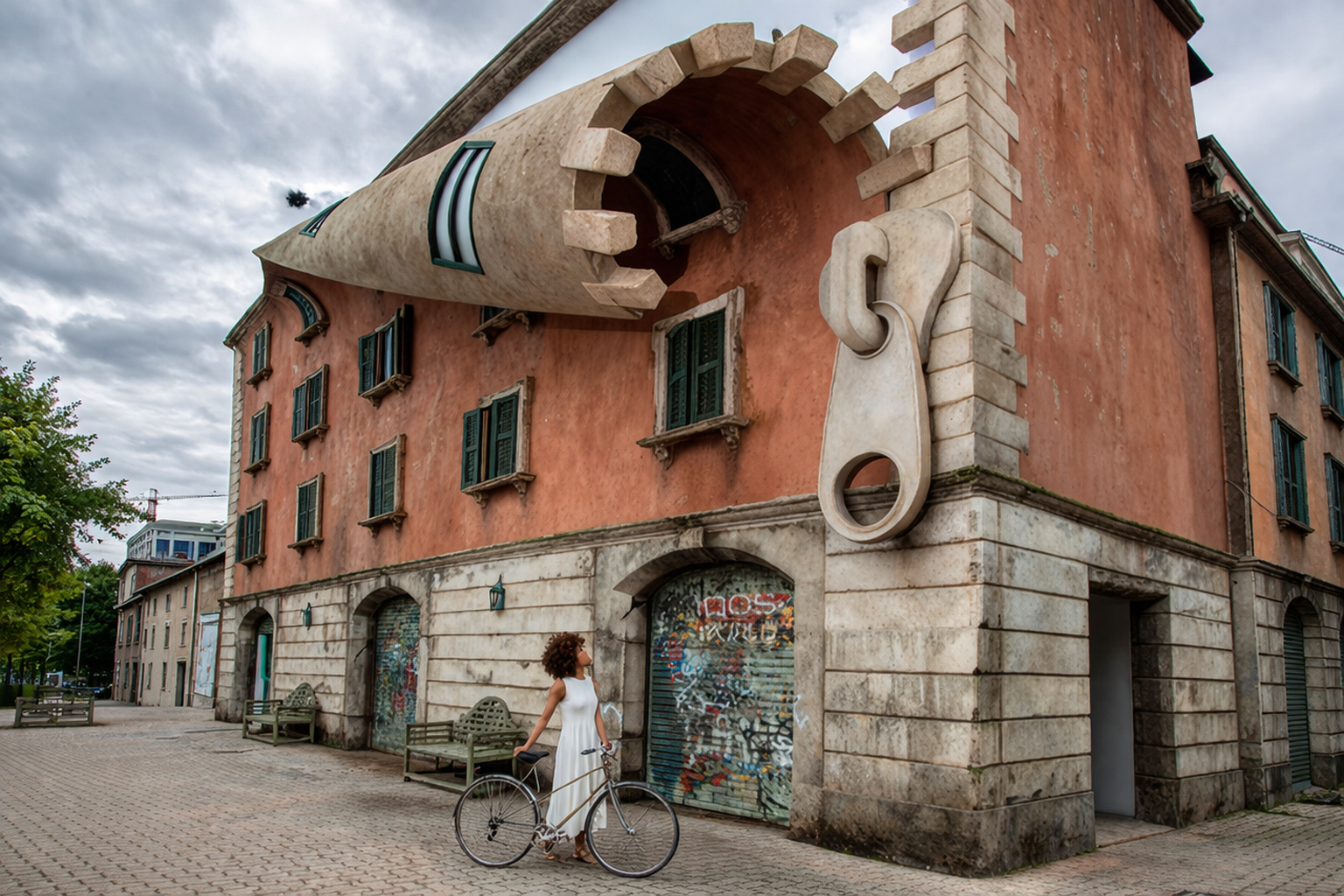
The Zip building in Milan managed to unite design, engineering, and art with a façade in the shape of a giant zipper, visually provoking an urban experience that impresses with its scale, lighting, and innovation
The Zip building in Milan has become one of the most curious examples of how art and engineering can blend in modern cities. The façade appears to have been opened by a giant zipper, creating a visual effect that surprises passersby.
The intervention draws attention not only for its aesthetics but also for the intelligent use of structure, lighting, and lightweight materials, showing how engineering can transform a simple façade into an immersive experience.
Art installation transforms traditional façade into an almost cinematic scene
Located on Via Tortona, the Zip building in Milan was constructed as an art installation that completely alters the perception of a common building. The façade, inspired by the traditional style of the city, gains a visual cut that simulates a tear opened by a zipper.
-
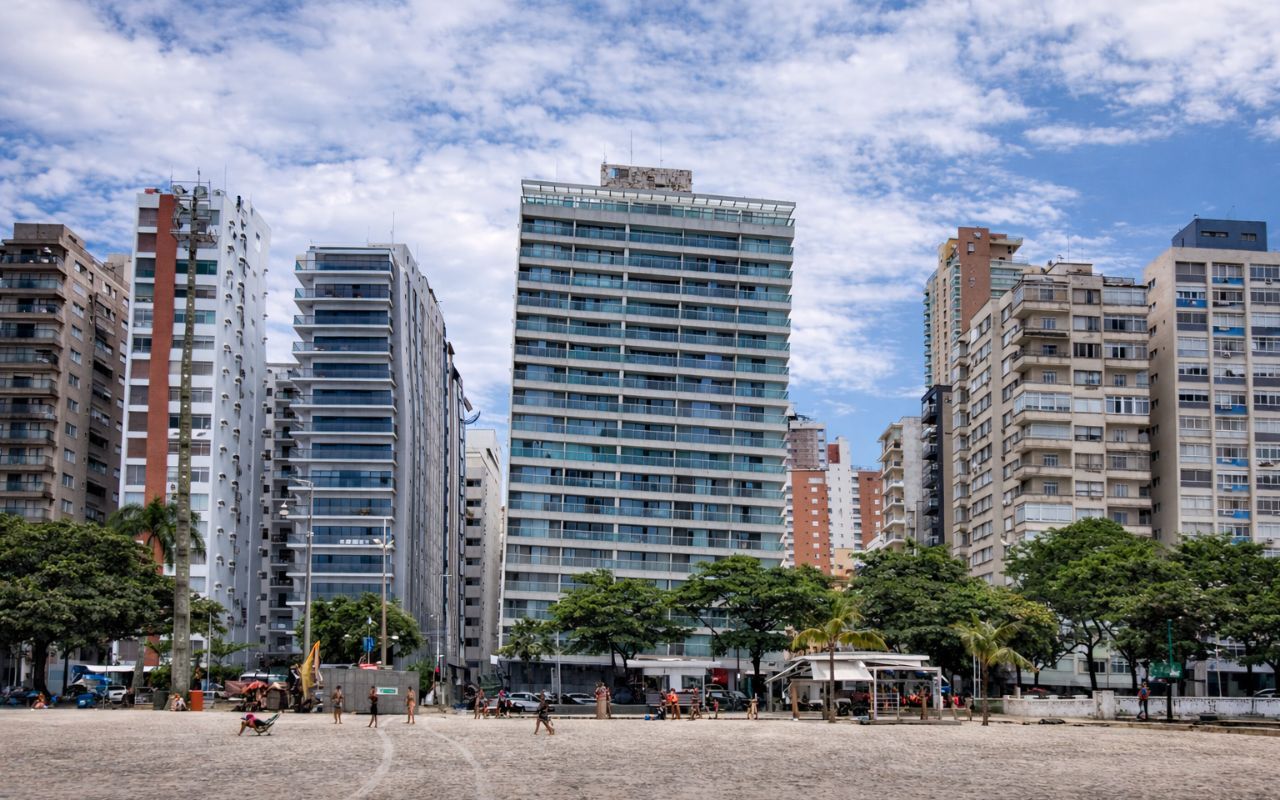
The Brazilian city has 319 crooked buildings built on sandy soil without proper deep foundations, houses the largest beach garden in the world, with over 5 km, and is still considered the birthplace of surfing — meet Santos, in São Paulo.
-
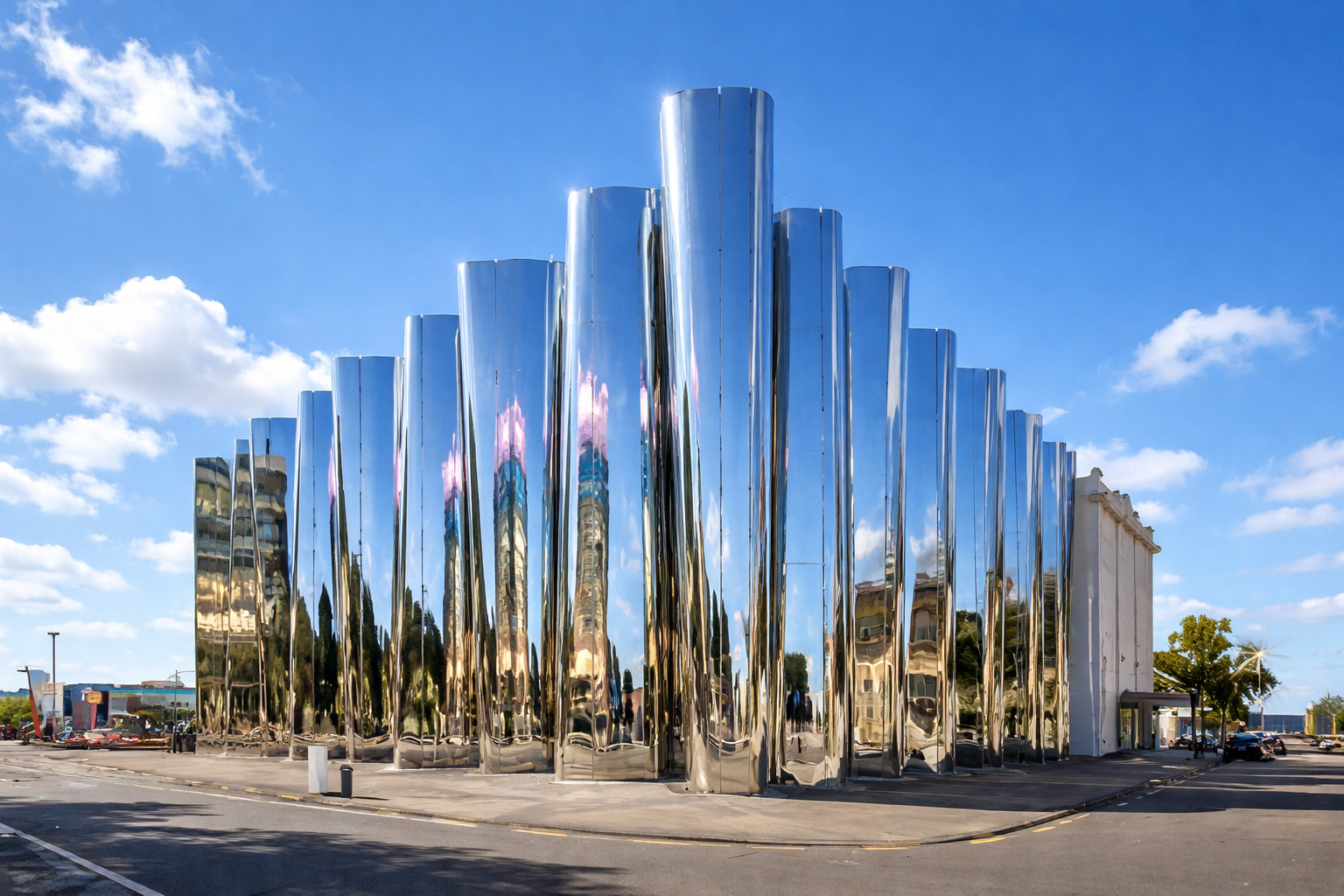
New Zealand builds a shimmering building that vibrates, featuring a 62-seat cinema, moving sculptures, and an environment where sound, light, and energy are felt in the body.
-
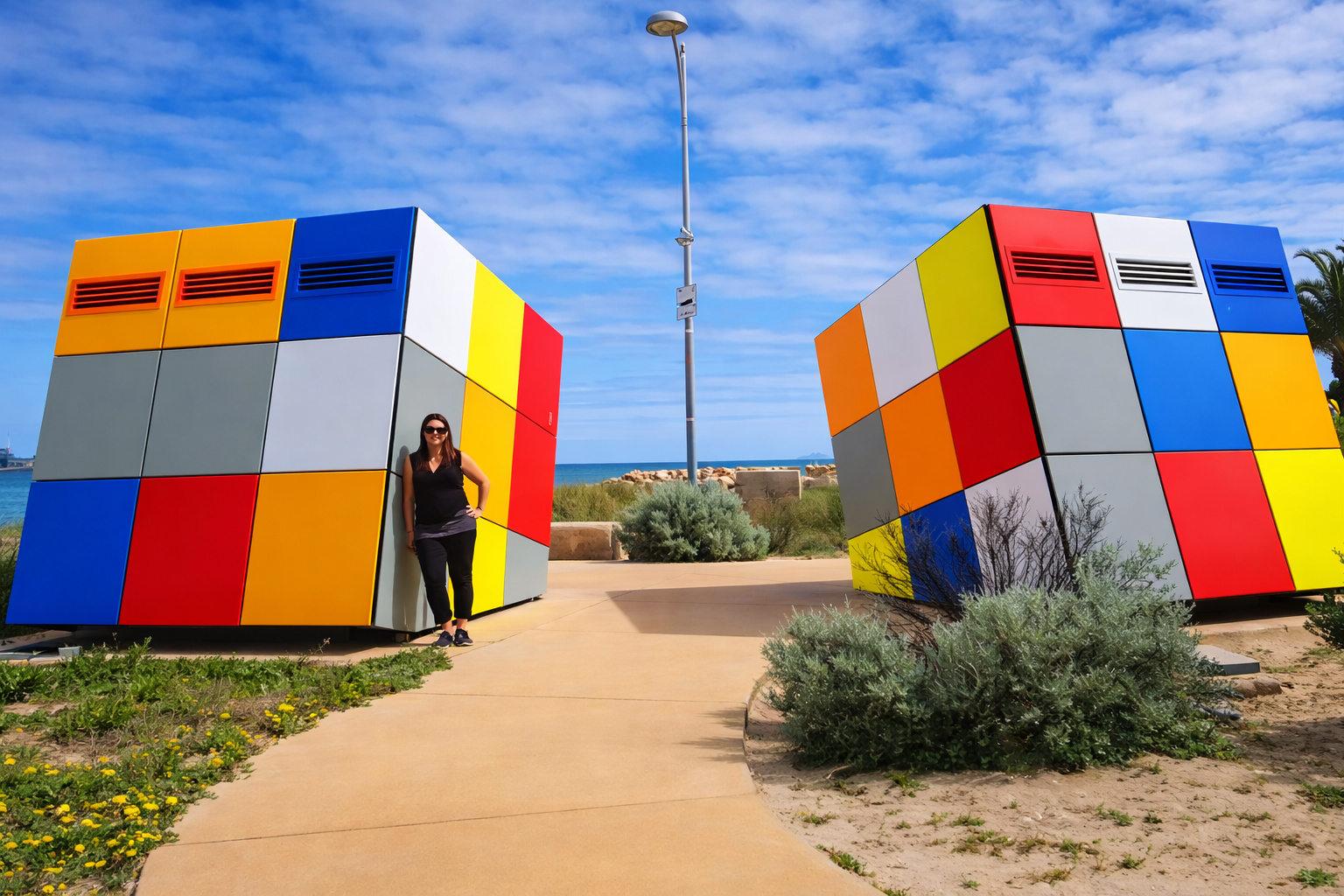
Two colored cubes of 2.5 m transform a public bathroom into a selfie spot in Western Australia, costing up to 75% less than traditional construction and helping to reduce vandalism in public spaces.
-
Santa Catarina produces up to 7 times more than it consumes in some sectors, and its century-old industries founded by grandparents and great-grandparents now compete on equal footing with Germany and the United States in the international market.



The work was presented during Milan Design Week, an international design and innovation event, consolidating the city as a global reference in creativity applied to architecture. The intervention shows how visual elements can transform urban space into something interactive and provocative.
The dimension of the work reinforces visual impact and sense of realism
The installation occupies a façade of approximately 17 meters wide, creating an immersive effect for those observing from the front. The size of the zipper was designed to appear monumental in relation to pedestrians.
In addition to the exterior, the concept continues inside the building. The floor and walls also feature openings that simulate the same effect, enhancing the feeling that the building has truly been opened.

This continuity between exterior and interior creates a complete experience, where scale and detail work together to reinforce the illusion.
Engineering behind the Zip building in Milan ensures safety and stability
Despite the striking visual, the structure is fully planned. The façade functions as an architectural mask, constructed with lightweight materials and fixed onto the original building.
The giant zipper does not move. It is a fixed piece that creates the illusion of opening. The visual effect is enhanced by internal lighting, which simulates an exposed and irregular space.
The Milan Design Week, an international design and innovation event, highlighted the use of facade engineering and metal structures to ensure that the installation was safe even in a busy public area.
Light and optical illusion create the sensation of an open building
One of the most important elements of the work is the lighting. The cool light, which varies between shades of blue and white, gives the impression that there is a different interior behind the façade.
This resource transforms the building into a kind of urban set, bringing architecture closer to visual narrative. For observers, the sensation is that the building could be opened manually.

The result is an almost cinematic effect, where light becomes an essential part of the experience.
Intervention shows how engineering and art can walk hand in hand
The installation of the Zip building in Milan represents a clear example of how different areas can integrate. Architecture, engineering, and art work together to create something functional and at the same time surprising.
The project reinforces the idea that the façade of a building can go beyond aesthetic function, becoming an element of urban experimentation. The combination of materials, structure, and lighting shows the potential of innovation applied to cities.
Curiosities reinforce the impact of the Zip building in Milan
The contrast between the classic style of the façade and the giant zipper creates a sense of strangeness that catches the attention of residents and tourists. This break in expectation is a central part of the concept.

Another interesting point is the sense of depth created by the internal openings, which simulate cuts in the floor. This required structural care to maintain the safety of the space.
The final result transforms the building into a work that blends creativity, technique, and visual perception, generating a unique experience in the urban environment.
Urban experience shows new paths for contemporary architecture
The Zip building in Milan thus proves that architecture can be reinvented with creative and well-planned solutions. The intervention shows that it is possible to unite aesthetics and engineering without compromising safety.
The work also reinforces the role of cities as spaces for experimentation, where innovative projects can transform how people perceive their surroundings.
Did you find this idea surprising? Leave your comment and share it with those who also love architecture and innovation.








Seja o primeiro a reagir!