





 Portuguese
  English
  Spanish
  4 min of reading
  0 comments


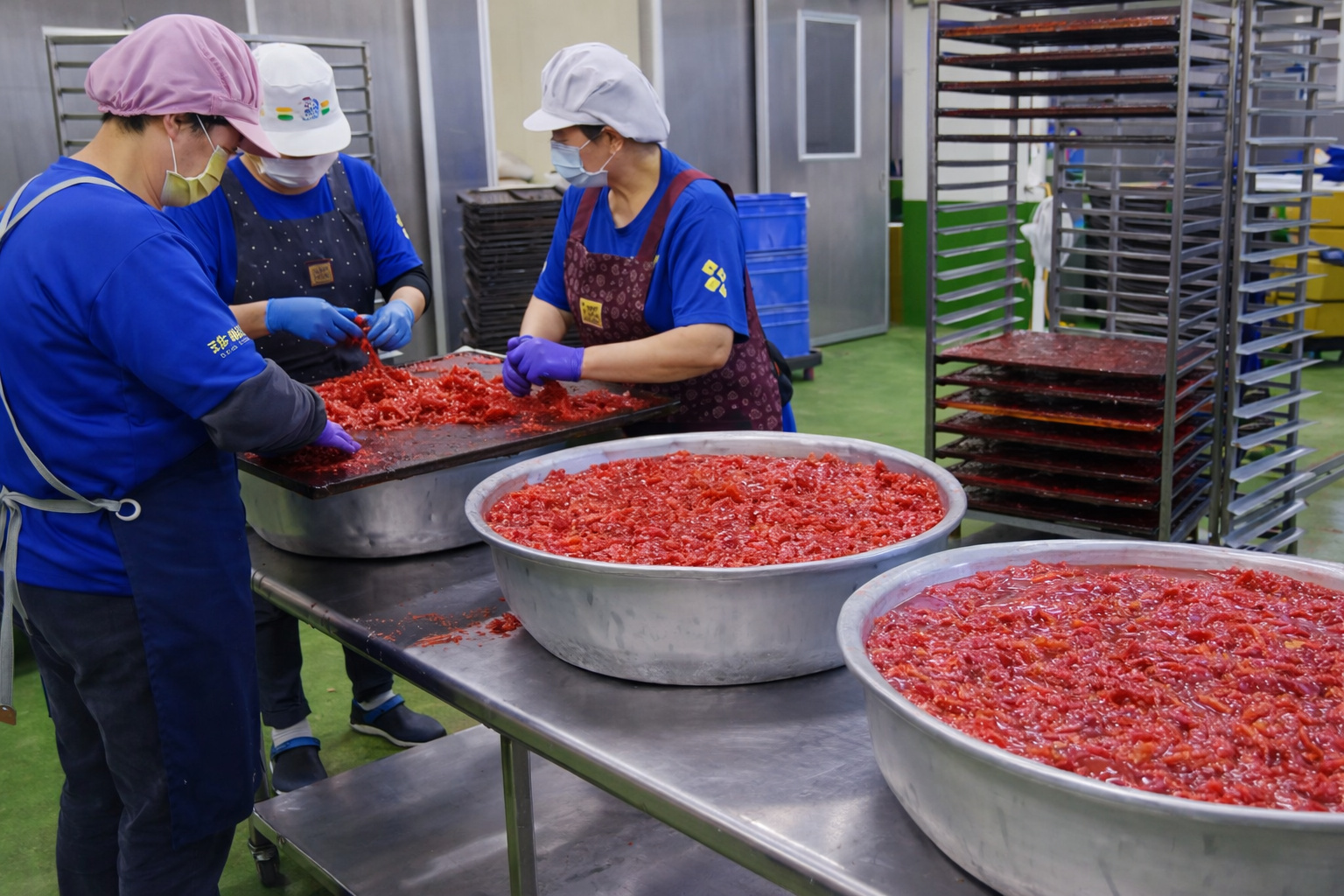
Large-scale dried meat production grows in Taiwan and draws attention for daily volume and industrial quality standard with tradition
The dried pork factory in Taiwan has been attracting attention by reaching a daily production of 3000 kg, a volume considered high even within the Asian food industry.
The number reveals not only scale but also the strength of a sector that combines industrial production with traditional methods, something that helps maintain the quality and flavor valued by consumers.
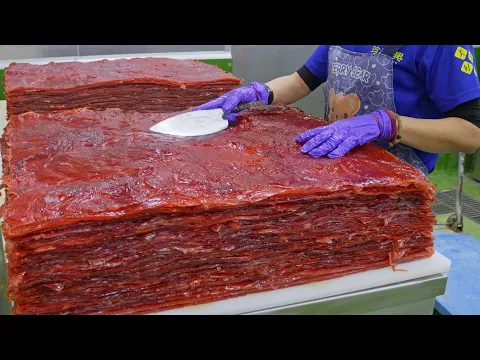

Daily production of 3000 kg strengthens the growth of the dried pork industry
The operation located in Yunlin County works with about 2000 kg of fresh pork per day, which are transformed into different products, including dried meat, pork strips, and shredded meat.
-
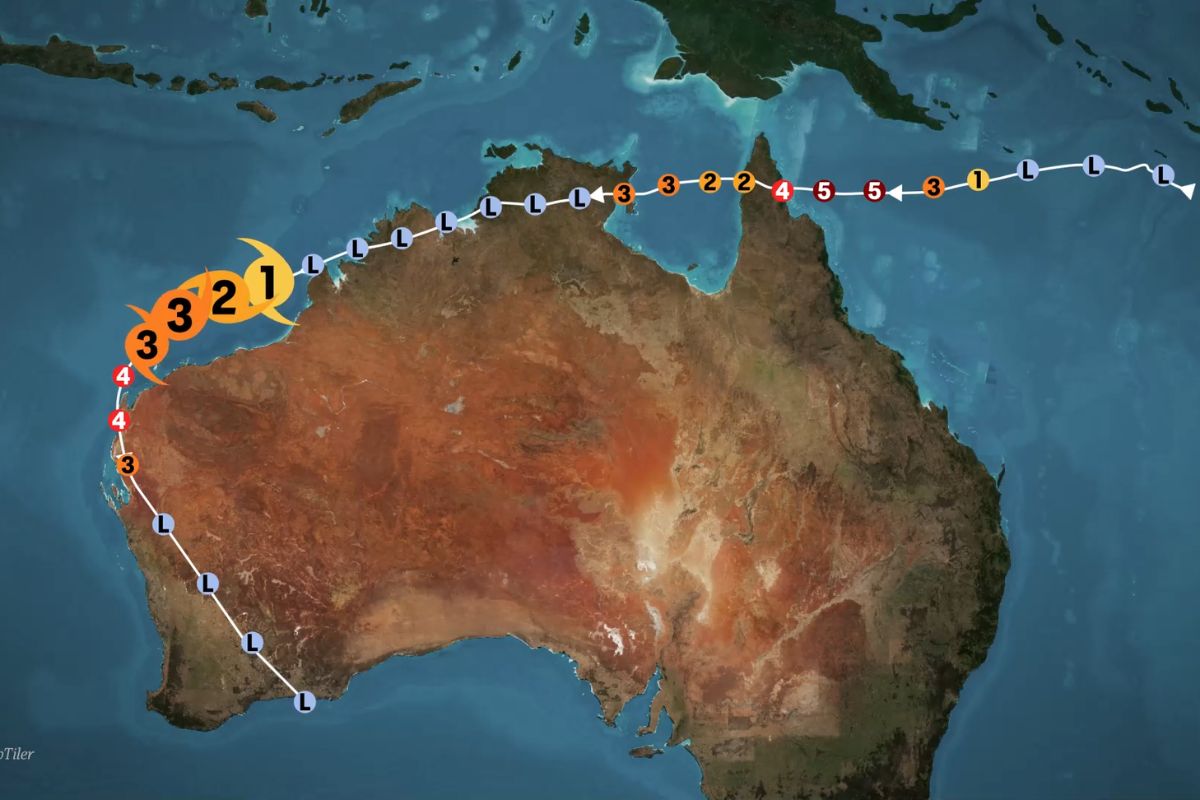
Cyclone Narelle swept through northern Australia with winds of 200 kilometers per hour, destroying crops, homes, and marine life, but what came next was even more surprising: an entire community took to the streets to help strangers.
-
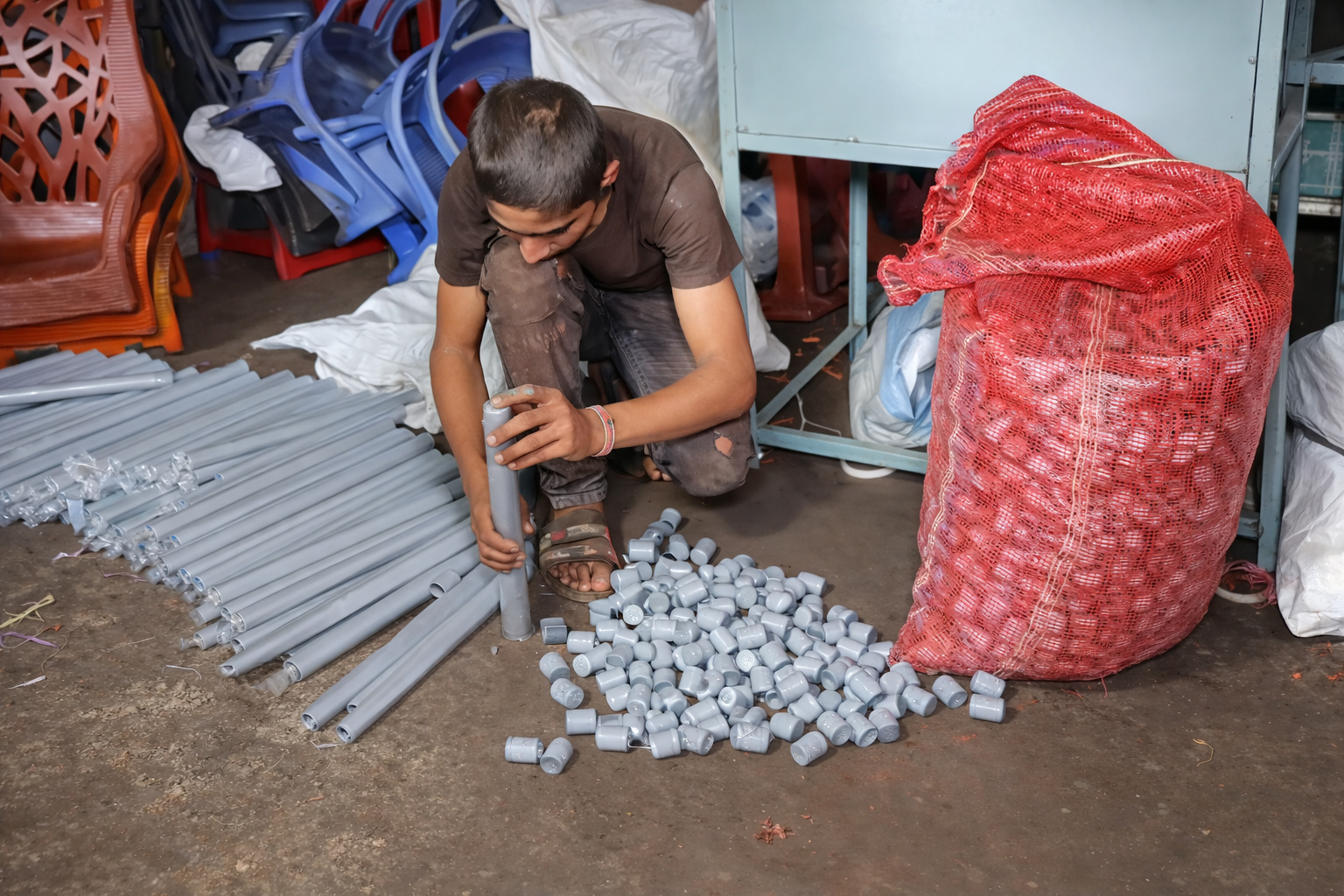
Factory produces durable plastic chairs using plastic bags, transforming waste into long-lasting furniture, and the industrial process demonstrates efficiency and sustainability.
-
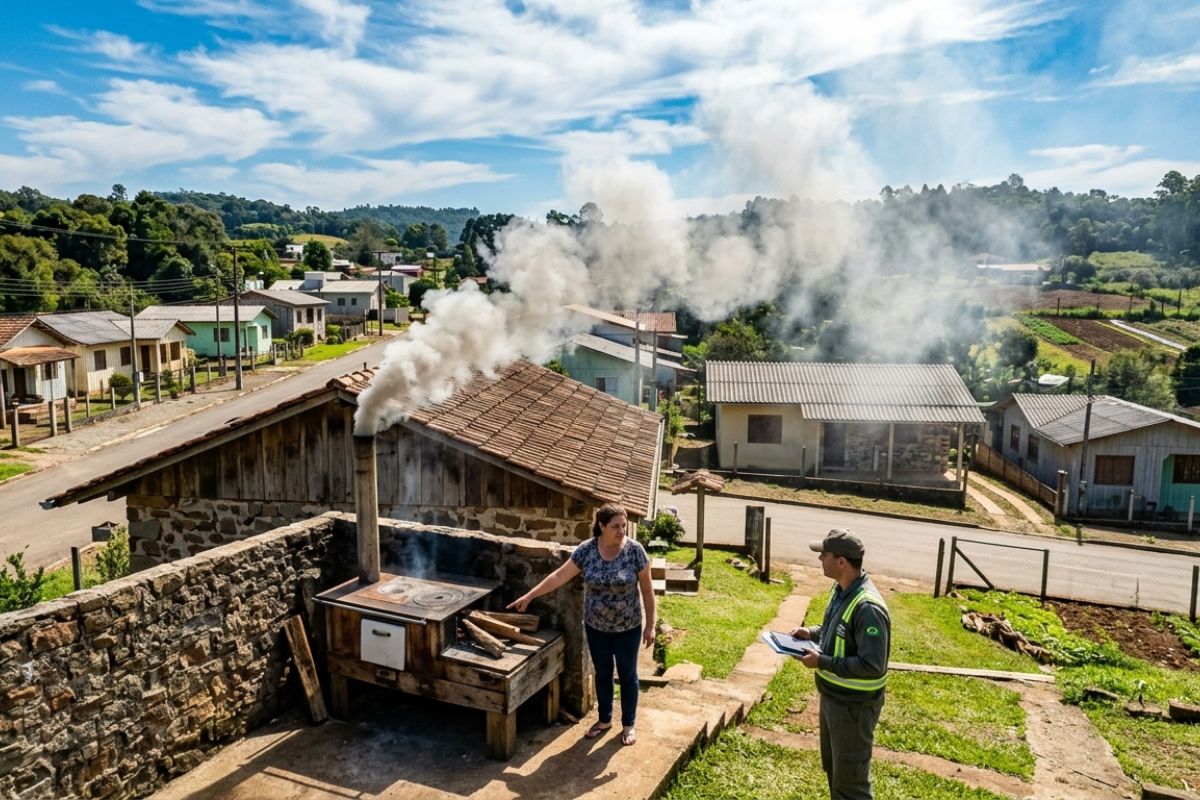
Fine of up to R$ 10,000 for wood stoves? Yes, but it’s not a crime: excessive smoke, burning trash, and urban use can lead to fines, and the rules change depending on the local inspector.
-
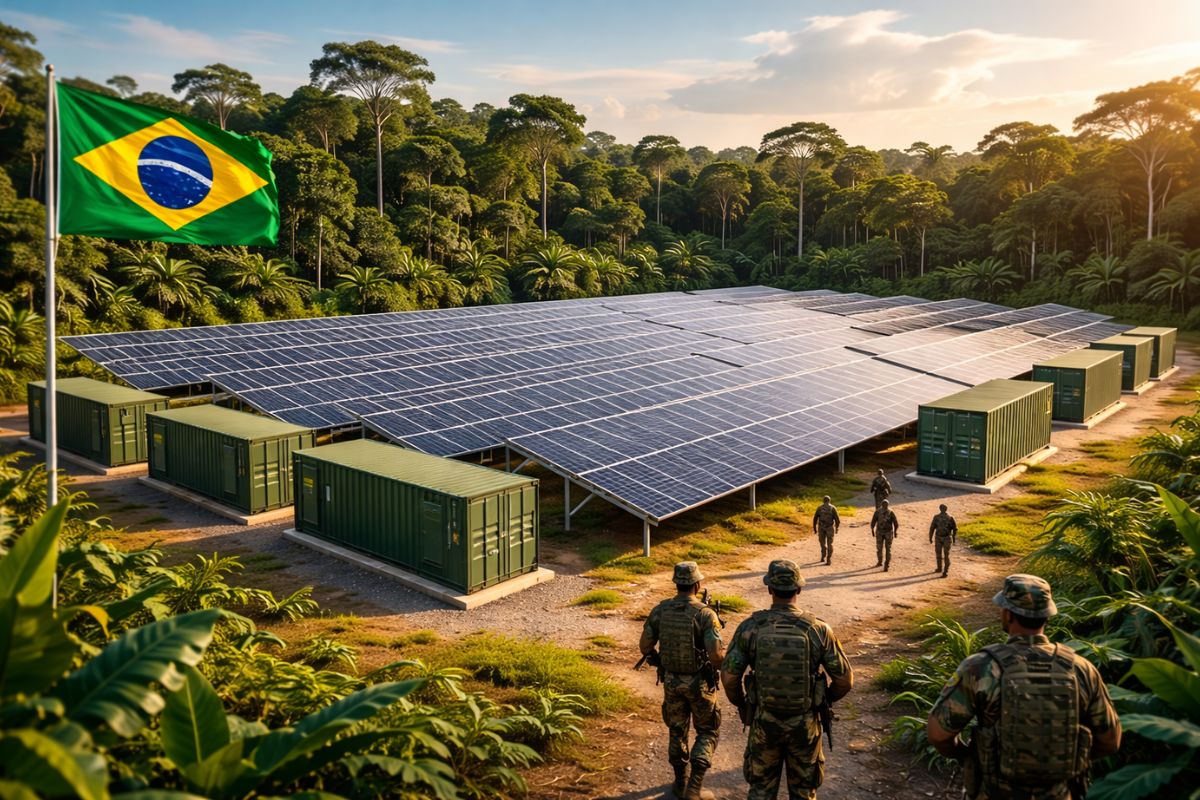
Army military bases in the Amazon will gain solar power plants that promise to eliminate almost 11 thousand tons of CO2 in 15 years, and the jungle that protects Brazil will now also generate clean energy with an investment of nearly 10 million reais.
This volume allows it to meet both the local market and demands from business partners, including production for other brands. The scale shows how dried meat production in Taiwan has evolved from small family businesses to large industrial operations.
Reuters, the international news agency with global coverage of economy and industry, highlights that the Asian food sector has advanced with strong investment in industrial processes while maintaining traditional characteristics.
Family tradition gave rise to a modern certified factory
The company began in 1976 as a family production in Tainan. Over the years, the business grew and underwent modernization until it became a factory with important certifications.
Today, the operation adheres to standards such as ISO 22000 and HACCP, which ensure quality control and food safety at all stages of production.

Even with the expansion, the factory maintains traditional practices, such as slow cooking and manual shredding, factors that directly influence the texture and flavor of the final products.
Use of local fresh meat is one of the main differentiators
One of the most notable points in production is the exclusive use of local fresh pork from Taiwan, without the use of imported frozen meat.
This choice directly impacts the quality of the product, resulting in a more tender meat with a more intense flavor. The control of raw materials also facilitates traceability and compliance with sanitary regulations.
The BBC, the international public broadcaster of news and documentaries, has highlighted in reports about Asian foods that the use of fresh ingredients is one of the factors explaining the global success of traditional products from the region.
Varied products help expand the market and attract consumers
The factory is not limited to traditional dried meat. The production includes different variations that cater to various consumer profiles.
Among the products are sliced dried meat, pork strips, and seasoned versions, with flavors such as original, spicy, and smoked.
The items are individually packaged, which facilitates consumption and also turns the product into an option for gifts and souvenirs, something common in Taiwan.
This diversity helps to broaden the brand’s reach and increases the sales potential across different channels.
Process combines industrial scale with artisanal techniques
Even with the high volume of production, part of the process still involves manual steps. This includes shredding the meat and controlling the cooking, which are essential to ensure the final quality.
The production follows a sequence that involves meat preparation, seasoning, slow cooking, and drying, until it reaches the final product ready for packaging.

This hybrid model allows the factory to maintain high production volume without losing artisanal characteristics, something valued in the food market.
Growing demand drives large-scale production
The popularity of dried pork in Taiwan continues to grow, both for daily consumption and on special occasions.
This increase in demand therefore drives the need for large-scale production, leading companies to invest in infrastructure and certifications.
The combination of tradition, quality, and production capacity positions the factory as an example of the advancement of the food sector in the region.
Mass production maintains tradition and quality in the Asian market
The dried pork factory in Taiwan that produces 3000 kg per day shows how it is possible to unite tradition and technology in a large-scale operation.
The use of fresh meat, careful processes, and international certifications reinforce confidence in the product and expand the brand’s reach. This model is expected to continue growing with the demand for high-quality traditional foods.
Want to know more curiosities about large industrial productions around the world? Leave your comment and share this content with others interested in the topic.





Seja o primeiro a reagir!