





 Portuguese
  English
  Spanish
  6 min of reading
  0 comments


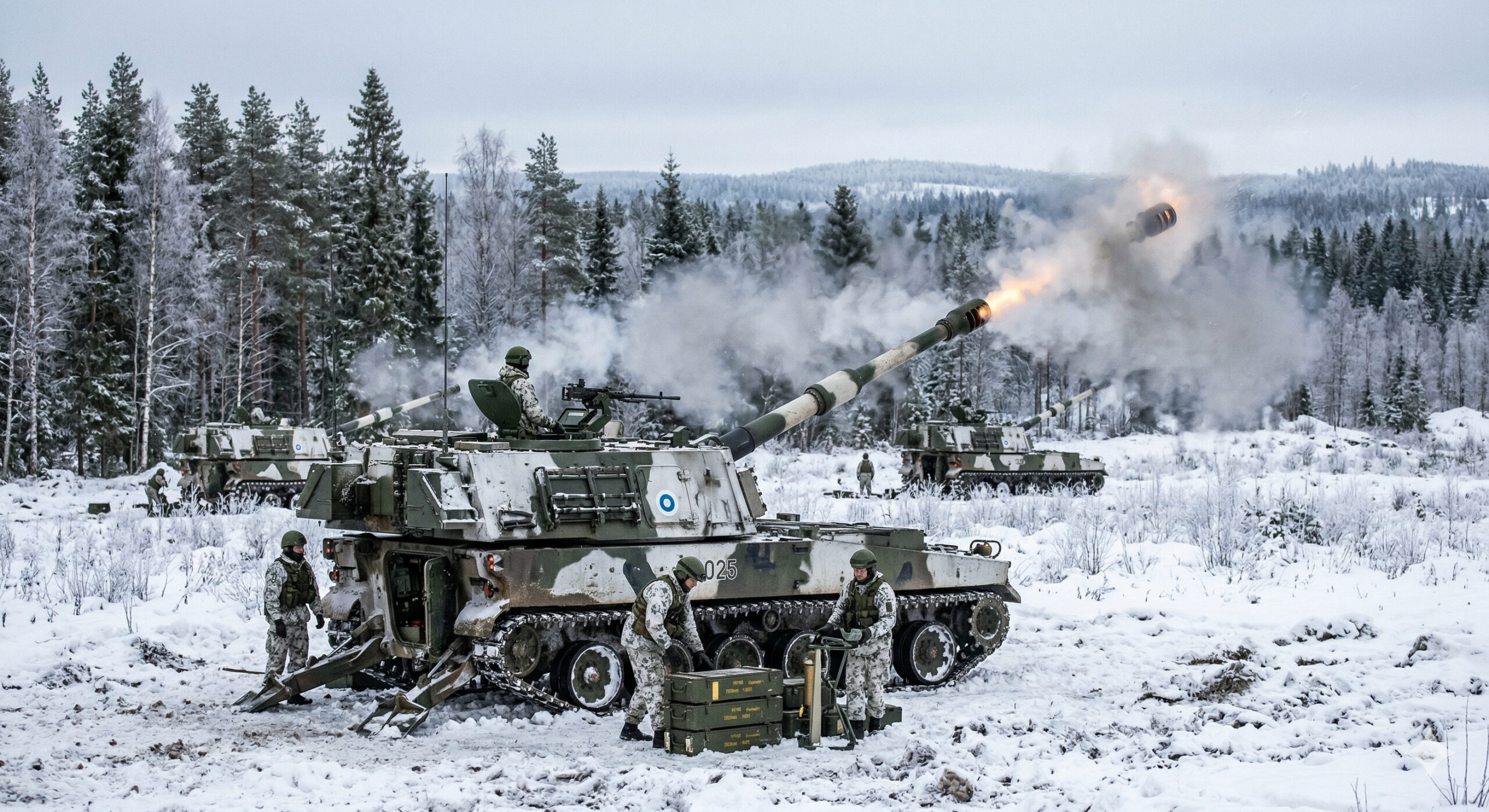
Finland purchases 112 K9 howitzers for $642 million, extends range to up to 40 km and strengthens one of the largest artillery forces in Europe.
On April 10, 2026, the Ministry of Defense of Finland confirmed the signing of a new military agreement for the purchase of 112 K9 Thunder self-propelled howitzers, in an acquisition valued at €546.8 million and reported by specialized media, such as Breaking Defense, as equivalent to about $642 million. The systems belong to the K9 family developed by Hanwha Aerospace, and the move represents one of the most significant recent expansions of ground artillery on the European continent.
With this new order, Finland is expected to raise the total number of K9s acquired to 208 units, consolidating one of the largest and most modern fleets of self-propelled artillery in Europe. According to the Finnish government, the country had previously purchased 96 units in earlier contracts, while Hanwha Aerospace claims that, with the new batch, Finland joins the group of NATO members with over 200 K9 systems in operation or acquisition.
The move comes amid the accelerated strengthening of military capabilities in Northern Europe following the country’s entry into NATO, and the decision goes beyond a simple numerical increase. As highlighted by the Finnish ministry, the purchase enhances long-range firepower, improves the operational mobility of ground forces, and helps replace part of the older towed artillery, indicating a concrete shift in scale and operational readiness of the Finnish Army.
-
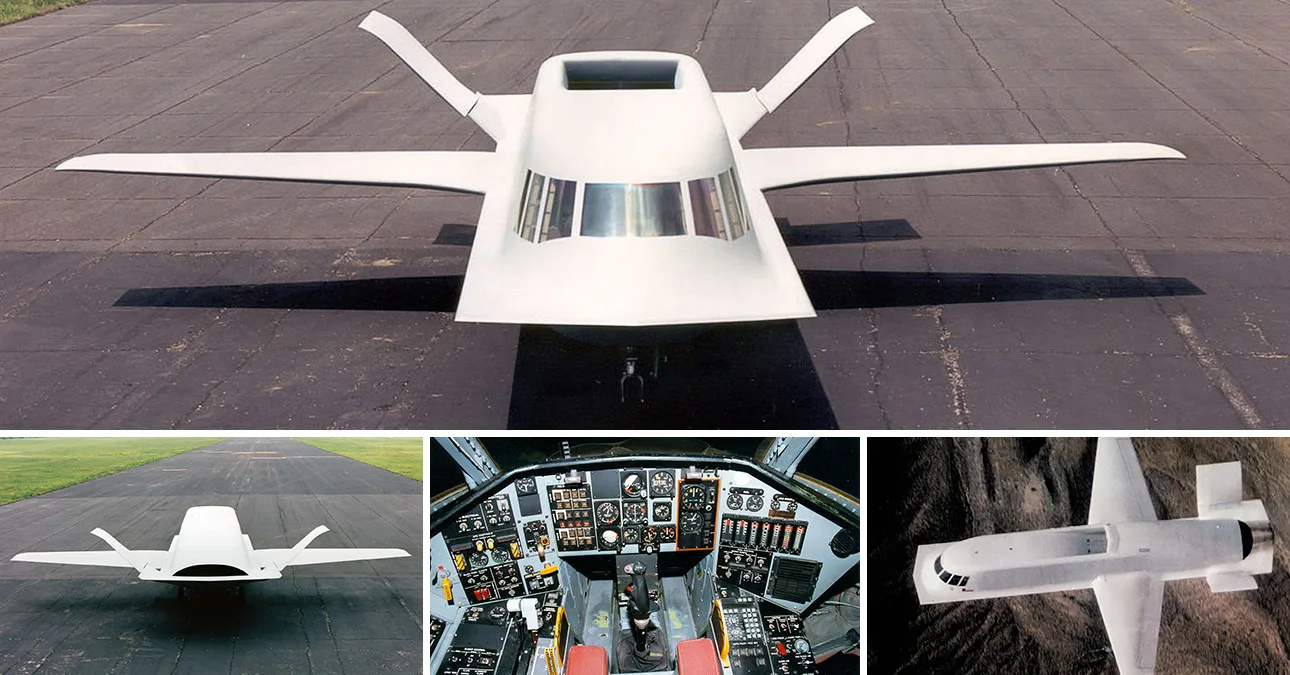
With a length of 17.7 meters, a wingspan of 14.7 meters, and more than 130 test flights, the secret aircraft “invisible whale” Tacit Blue used a completely curved shape to reduce its radar signature even while operating active sensors and proved that it was possible to detect targets without being seen, paving the way directly for the stealth bomber B-2.
-
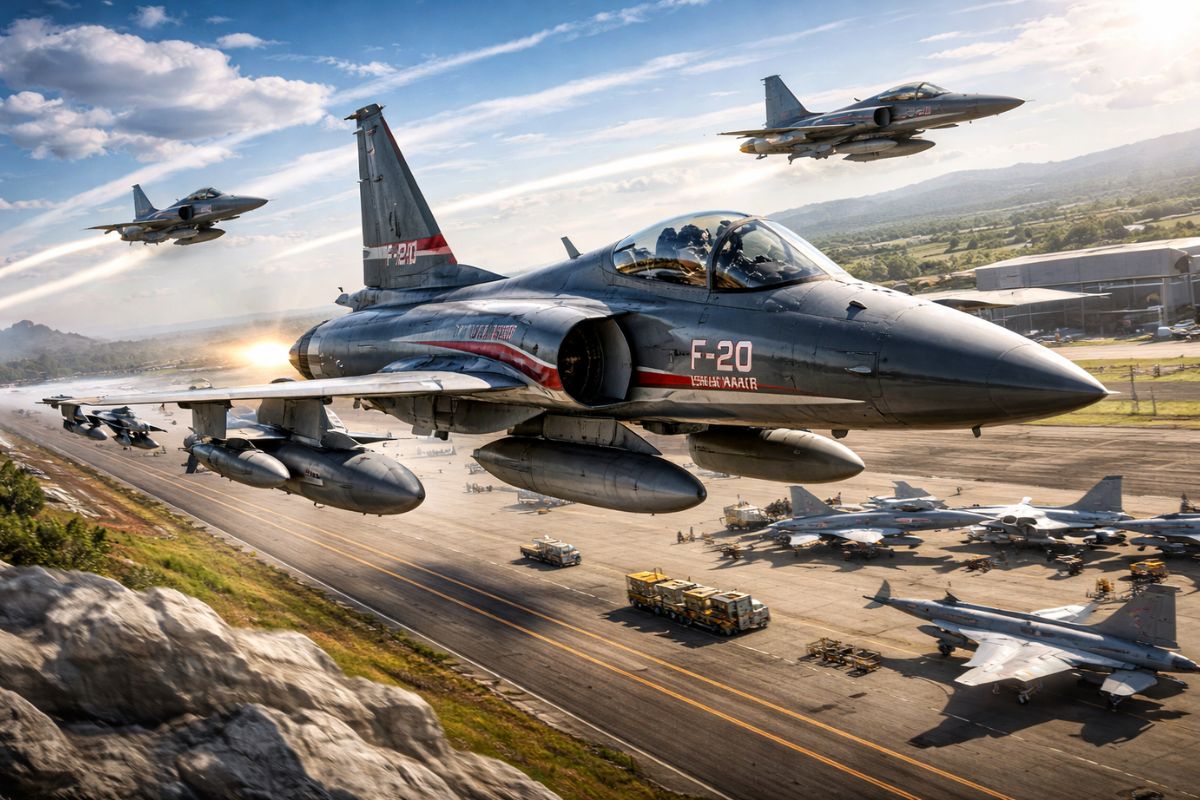
F-20 Tiger Shark: the light fighter that could rival the F-16, it was to be the successor to the F-5 and cost less, but it died due to politics, without support from the U.S., after 1 billion invested.
-
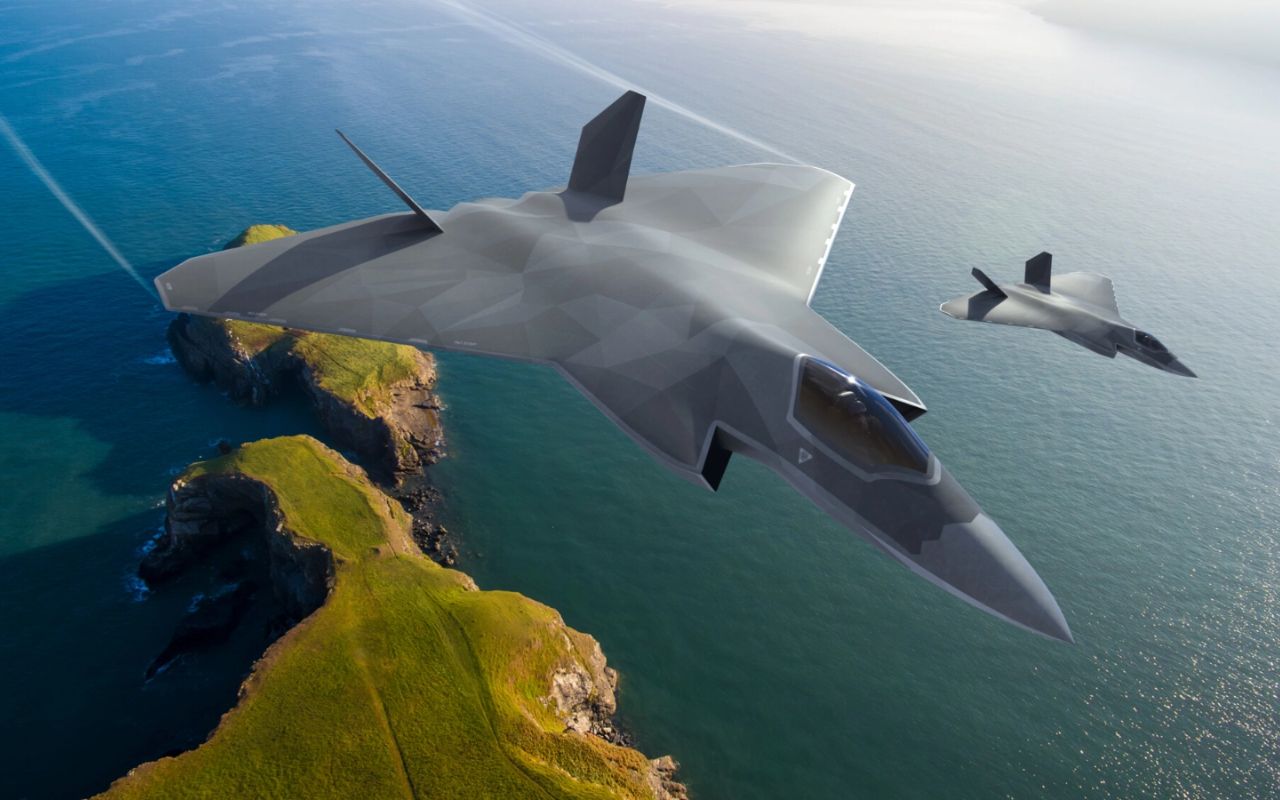
£686 million military project unites Europe and Asia to create one of the world’s most advanced fighter jets.
-
Capable of slowing down from 925 km/h to almost zero in seconds using the thrust of its jets, the Harrier performs the VIFF maneuver, causing enemy fighters to overshoot the target without reaction. This extreme test even threw the pilot against the cockpit due to the brutal deceleration.
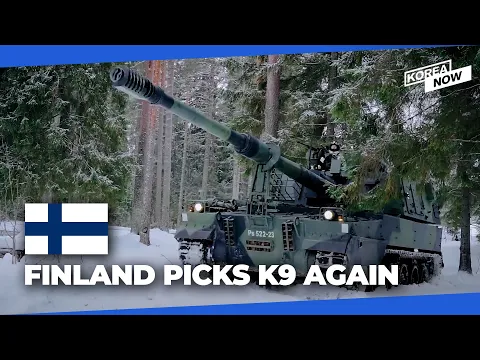
K9 Thunder combines a range of up to 40 km with high firing rate and armored mobility
The K9 Thunder is one of the most advanced self-propelled artillery systems currently in operation. Equipped with a 155 mm/52 caliber gun, the system is capable of hitting targets at distances of up to 40 kilometers, depending on the type of ammunition used.
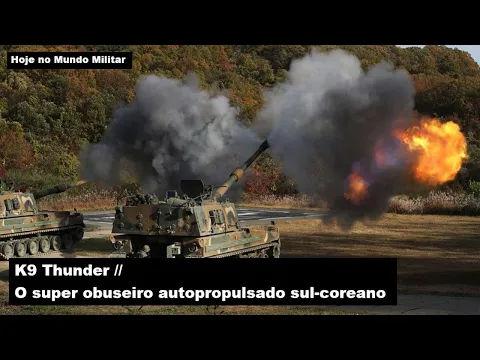
In addition to its range, the system stands out for its response speed. The time between the vehicle stopping and the first shot can be less than 30 seconds, while the firing rate allows for multiple shots in succession before reloading.

The operational concept includes the ability to perform rapid firing and immediate repositioning, reducing the risk of enemy counter-battery fire. This type of maneuver is essential in modern warfare scenarios, where detection by radar and drones occurs in almost real-time.
Another relevant point is mobility. The K9 is mounted on an armored chassis with a tracked system, allowing operation in difficult terrains, including snow, mud, and low-infrastructure areas — common conditions in Finnish territory.
Expansion transforms Finnish artillery into one of the most robust in Europe
With the fleet expansion, Finland operates an artillery volume that places it among the countries with the greatest indirect fire capability on the continent.
This type of capability is considered strategic for various reasons. Artillery remains one of the main support elements on the battlefield, responsible for neutralizing enemy positions, destroying infrastructure, and supporting infantry and armored operations.
By surpassing 200 units, the country creates a force capable of:
- Cover large territorial expanses
- Maintain a high volume of simultaneous fire
- Sustain prolonged operations
- Integrate with intelligence systems and drones
This increase in scale reinforces Finland’s defensive and deterrent capacity, especially considering its long border with Russia.
Terrain and extreme climate influence the choice of robust and mobile systems
The Finnish geography plays a central role in the choice of military systems. The country has extensive forested areas, uneven terrain, and long winter periods with sub-zero temperatures.
In this context, systems like the K9 offer important advantages, as they are designed to operate in high-demand environments.
The ability to move in difficult terrains, combined with armored protection and operational autonomy, allows artillery units to maintain mobility even in adverse conditions.
This is crucial for a country that historically adopts a defense strategy based on dispersion, mobility, and knowledge of the terrain.
Integration with NATO enhances the strategic importance of the Finnish ground force
Finland’s entry into NATO has elevated the country’s role within the European defense architecture. With the expansion of artillery, the country now offers a relevant additional capacity for joint operations of the alliance, especially in the Northern Europe region.
Interoperability with NATO systems is also facilitated by the use of common caliber and communication standards, allowing integration with forces from other member countries.
This combination of robust national capability and international integration enhances Finland’s strategic weight in the current military landscape.
Global demand for artillery grows after recent conflicts
The strengthening of Finnish artillery occurs in a broader context of increasing global demand for such systems.
Recent conflicts have demonstrated that, despite the advancement of technologies such as drones and guided missiles, conventional artillery continues to play a central role on the battlefield. The need for:
- Sustaining continuous fire
- Covering large areas
- Operating at relatively lower cost
maintains the relevance of these systems, leading various countries to reinforce their arsenals.
Investment of $642 million reinforces the trend of rearmament in Europe
The contract value reflects not only the cost of the equipment but also the scale of the investment needed to modernize armed forces in a higher tension environment.
In recent years, several European countries have announced significant increases in their defense budgets, focusing on:
- Modernization of equipment
- Increasing ammunition stocks
- Reinforcing land and air capabilities
Finland’s decision is directly part of this movement, indicating a structural change in the defense posture of the continent.
South Korean production gains ground in the global defense market
The choice of the K9 also highlights the growth of the South Korean defense industry in the international market. Companies like Hanwha Aerospace have been expanding their global presence, offering competitive systems in terms of cost, performance, and delivery time.
The K9 has already been acquired by several countries, establishing itself as one of the most exported artillery systems in the world.
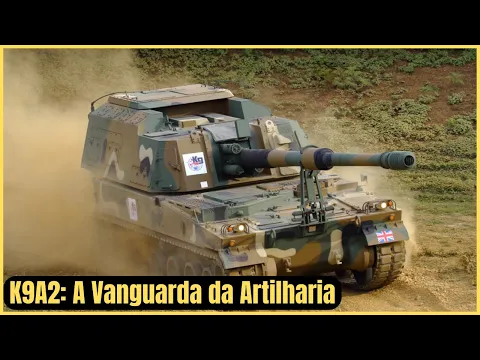
This movement reinforces the diversification of suppliers in the defense sector, traditionally dominated by American and European companies.
New scale of artillery redefines Finland’s response capability
The expansion of the K9 fleet allows Finland to significantly increase its response capability in conflict scenarios.
With a greater number of units, the country can distribute its forces more efficiently, maintain operational redundancy, and increase the resilience of its military structures.
This capability is especially relevant in an environment where response speed and force dispersion are decisive factors.
Does this reinforcement transform Finland into one of the largest artillery powers in Europe or is it just part of a broader military race?
The significant increase in Finland’s artillery capacity raises a central question in the current scenario: does this movement position the country as one of the main land powers in Europe or does it merely represent another chapter in a broader arms race on the continent?
As more countries reinforce their forces, the European military balance continues to transform, and decisions like this tend to have a direct impact on the strategic dynamics of the region.








Seja o primeiro a reagir!