





 Portuguese
  English
  Spanish
  4 min of reading
  0 comments


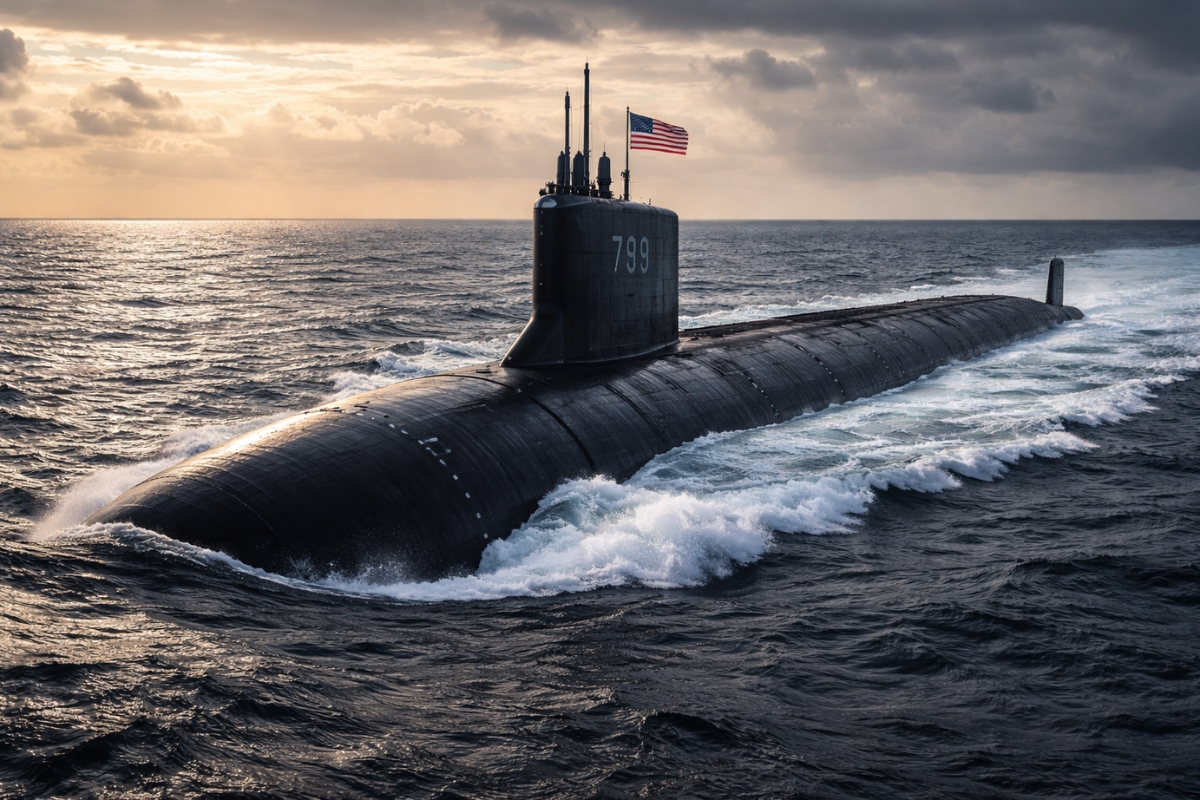
Designed to Operate Silently for Extended Periods, the USS IDAHO Combines Advanced Propulsion, Modern Sensors, and Flexible Architecture, Reinforcing U.S. Submarine Presence in Contested Areas
An attack submarine does not need to be seen to change the behavior of an entire fleet. The USS IDAHO follows this logic: acting as an invisible presence, maintaining freedom of maneuver in areas where any noise or delay can be costly.
The design combines power, autonomy, and discretion in a hull large enough to sustain long missions, yet refined to reduce acoustic signature. The result is a platform that exerts pressure simply by existing and being available.
Hull of 115 Meters and Displacement of 7,800 Tons Create Margin for Long Mission
The USS IDAHO follows the Virginia class standard in dimensions that already say a lot about its function. At about 115 meters in length and submerged displacement close to 7,800 tons, it has internal space for sensors, combat systems, operational areas, and a crew routine designed for long periods without contact with the surface.
-
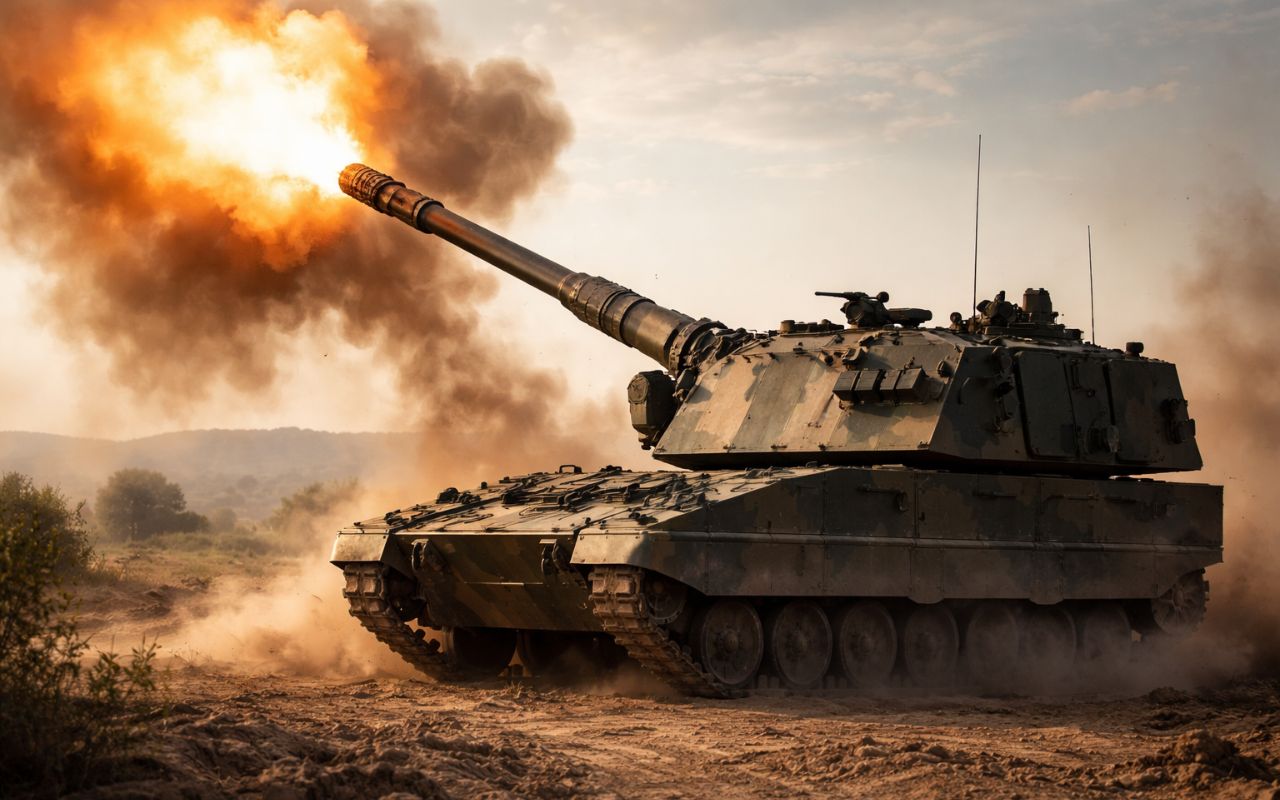
The German “steel monster” weighing 55 tons fires up to 10 projectiles per minute at over 40 km and avoids counterattacks on the battlefield by moving quickly to escape enemy attacks; meet the Panzerhaubitze 2000.
-
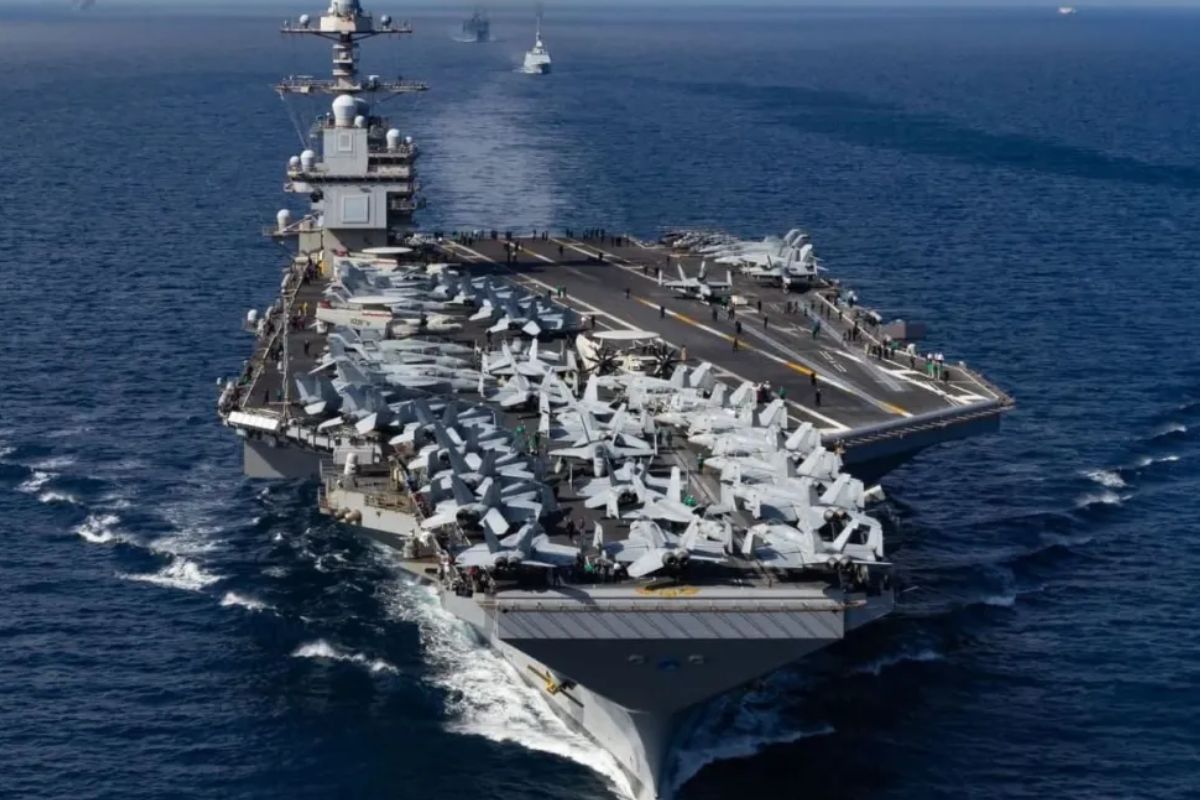
USS Gerald R. Ford, the largest aircraft carrier in the world, returns to sea after a fire in the laundry in the Red Sea; repaired in Crete, it resumes missions of Operation Epic Fury against Iran.
-
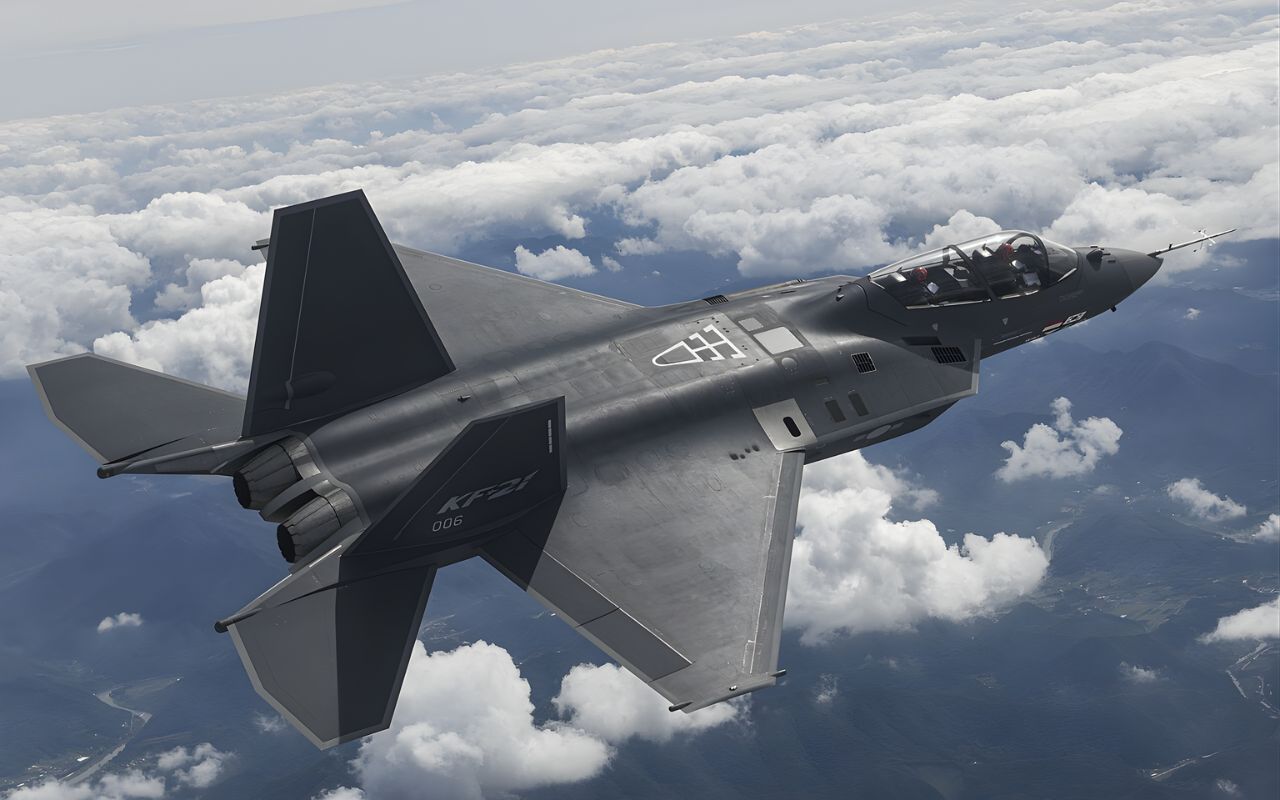
Military power: South Korea’s new KF-21 fighter jet will be a key component in replacing the aging aircraft of the air force, placing the country on the map of air military powers.
-
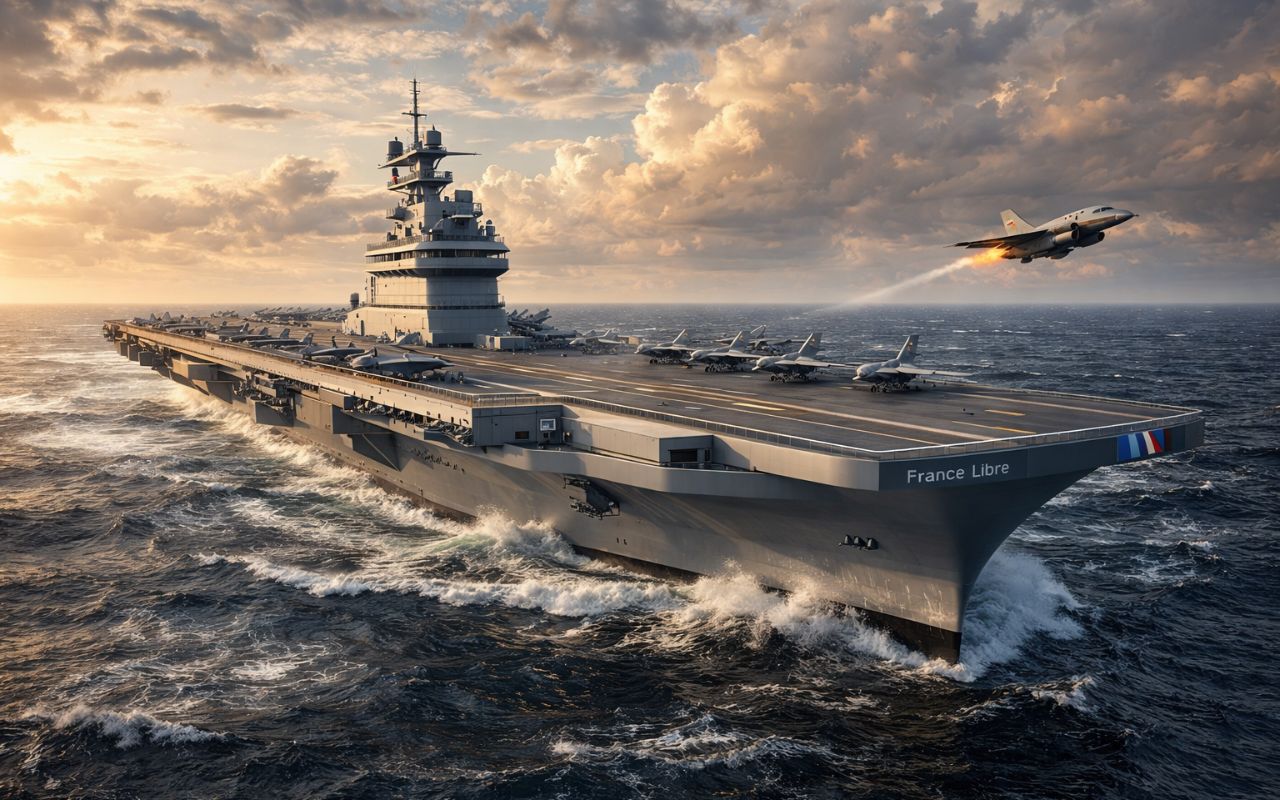
With 310 meters, 80 thousand tons, and capable of operating for 45 years, the new nuclear aircraft carrier France Libre will be the largest in France and will enter service in 2038.

This size provides stability, volume, and energy reserve, three points that help keep the submarine useful in varied scenarios. In more open areas, the size supports autonomy and the ability to remain on patrol. In sensitive zones, the challenge is to move discreetly, where every design decision must protect the hull’s silence.

S9G 210 MW Reactor Supports Continuous Energy and Reduces Logistical Dependence
At the center of the submarine is the S9G 210 MW nuclear reactor, which ensures a constant supply of power for propulsion and onboard systems. This power is not just for “moving faster”; it supports the operation of sensors, communications, combat management, and a chain of systems that need to function stably for long periods.
The great operational advantage is permanence. A nuclear-powered submarine is not tied to frequent replenishment cycles, increasing unpredictability because the vessel can remain in a position of interest for longer, shifting the adversary’s risk assessment without needing to surface to stay active.
Pumpjet Propulsion Replaces Propeller with Silence and Improves Submersible Behavior
Instead of a traditional propeller, the USS IDAHO uses pumpjet propulsion. In simple terms, it is a system that pushes water in a more “contained” manner, helping to reduce cavitation and noise, which are natural enemies of any submarine mission in a contested environment.
This detail is significant because submarine warfare is a contest of signatures. Less noise means a greater chance of getting close without being detected, more control over distance and time, and a larger margin for choosing when to observe, when to reposition, and when to act.

Sensors and Photonic Masts Extend Vision Without Exposing the Hull
The Virginia class was designed to see without revealing itself as much as older models, and this is reflected in how the observation systems are organized. Instead of solely relying on a classic periscope, the submarine uses photonic masts, which function as a set of cameras and sensors, delivering images and data to internal screens.
The gain is operational. The vessel reduces the need to expose part of its body to observe, improves information gathering, and accelerates decision-making in tense environments. According to the U.S. Navy, the official naval force responsible for the country’s fleet, the concept of unified modular masts integrates communication, radar, and electronic warfare functions, enhancing situational awareness in high-risk missions.
Xbox-Style Controls and Commercial Components Seek to Reduce Costs and Ease Maintenance
A curious detail of the project is the use of Xbox-style controls to operate the photonic mast. The choice is not just aesthetic; it points to a practical philosophy: using more familiar and standardized solutions where it makes sense, decreasing dependence on expensive, hard-to-replace proprietary equipment.
This same logic appears in the use of off-the-shelf commercial components, as long as they are certified. In computing and networking, this approach can reduce costs and accelerate updates, preventing the submarine from being stuck with closed systems for too long.

Open Architecture and Upgrade Capability Keep the Submarine Relevant
Beyond hardware, there is a strategic point in software and integration. The USS IDAHO was built with open architecture, which facilitates receiving updates over time. In a scenario where sensors, electronic warfare, and processing change rapidly, the ability to evolve without traumatic overhauls becomes a quiet advantage.
This also reduces the risk of obsolescence. Instead of relying on a major modernization from time to time, the platform can incorporate gradual improvements, maintaining compatibility with new threats and new ways of operating without losing availability for long periods.
Tomahawk and Mk 48 Torpedoes Transform Secrecy into Real Deterrence
The USS IDAHO is not just an observer. It can employ Tomahawk cruise missiles and Mk 48 torpedoes, which broadens the range of responses in different scenarios. The strength lies in the combination: a platform difficult to detect with the capacity to strike, forcing the adversary to spend more on protection, patrol, and scanning.
This pressure does not appear in images, but it shows in planning. A submarine like this alters routes, changes the pace of drills, and impacts the cost of maintaining exposed surface ships. In the end, technology becomes an influence.








-

Uma pessoa reagiu a isso.