





 Portuguese
  English
  Spanish
  5 min of reading
  0 comments



Sabesp expands use of recycled water to reduce impacts of the water crisis and meet data centers efficiently. Understand how the sustainable initiative preserves water sources and ensures security in public supply.
With a possible risk of water crisis in Brazil, which may pressure supply systems, several sectors have demanded more efficient and sustainable solutions. In this scenario, Sabesp has been expanding the use of recycled water to serve high-consumption sectors, such as data centers, consolidating a sustainable initiative that combines technology, resource savings, and environmental preservation.
According to information from CNN Brasil, the strategy has the potential for significant impact. A recent contract signed in Barueri provides for the supply of 11,000 m³ of recycled water monthly for cooling operations, a volume equivalent to the consumption of about 3,000 people or nearly five Olympic-sized swimming pools. The goal is clear: to reduce pressure on water sources and contribute to water security for the population.
Water crisis pressures supply and accelerates innovative solutions
The water crisis has become increasingly frequent, driven by climate change, population growth, and increased industrial consumption. This scenario demands structured responses capable of balancing demand and resource availability.
-
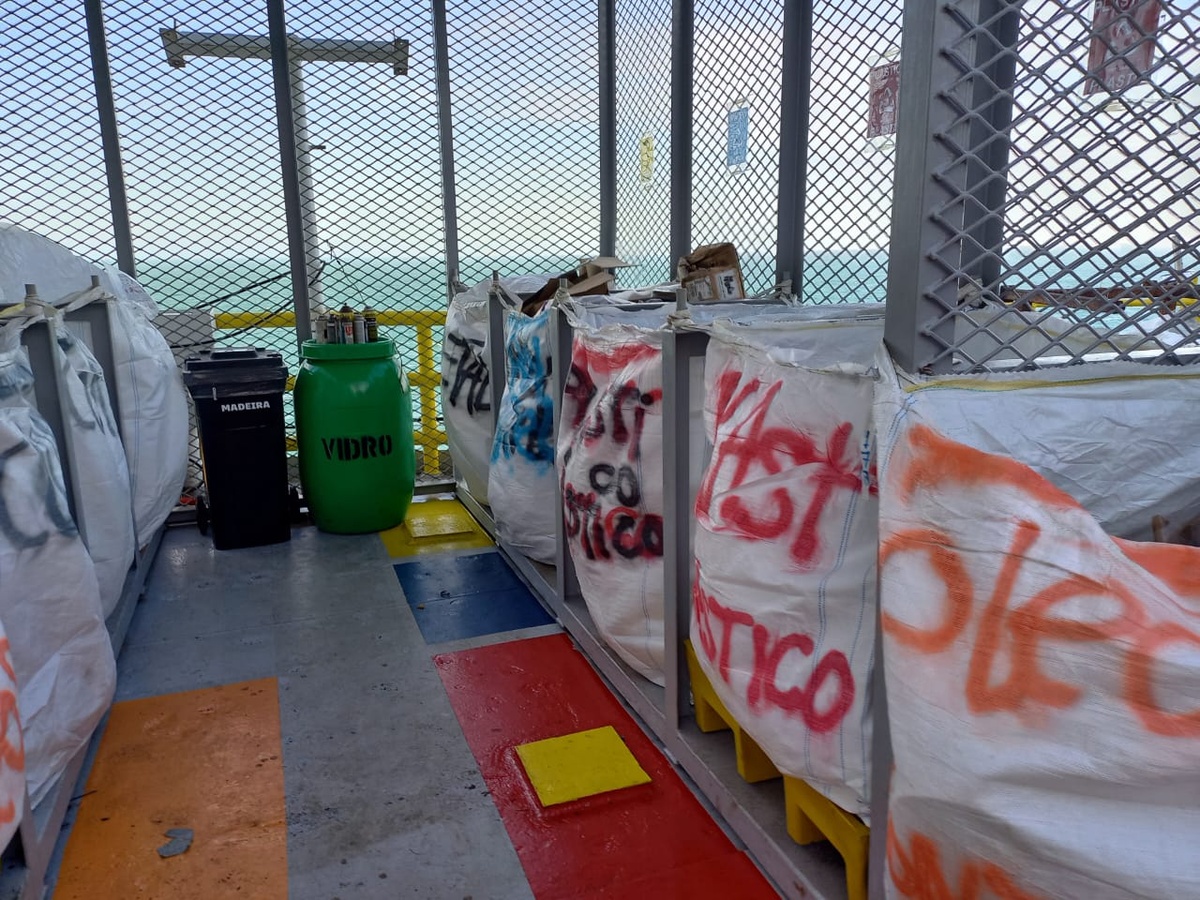
Foresea achieves 100% offshore waste reuse in 2025, eliminates landfill disposal, and consolidates sustainable strategy with 1,500 tons recycled.
-
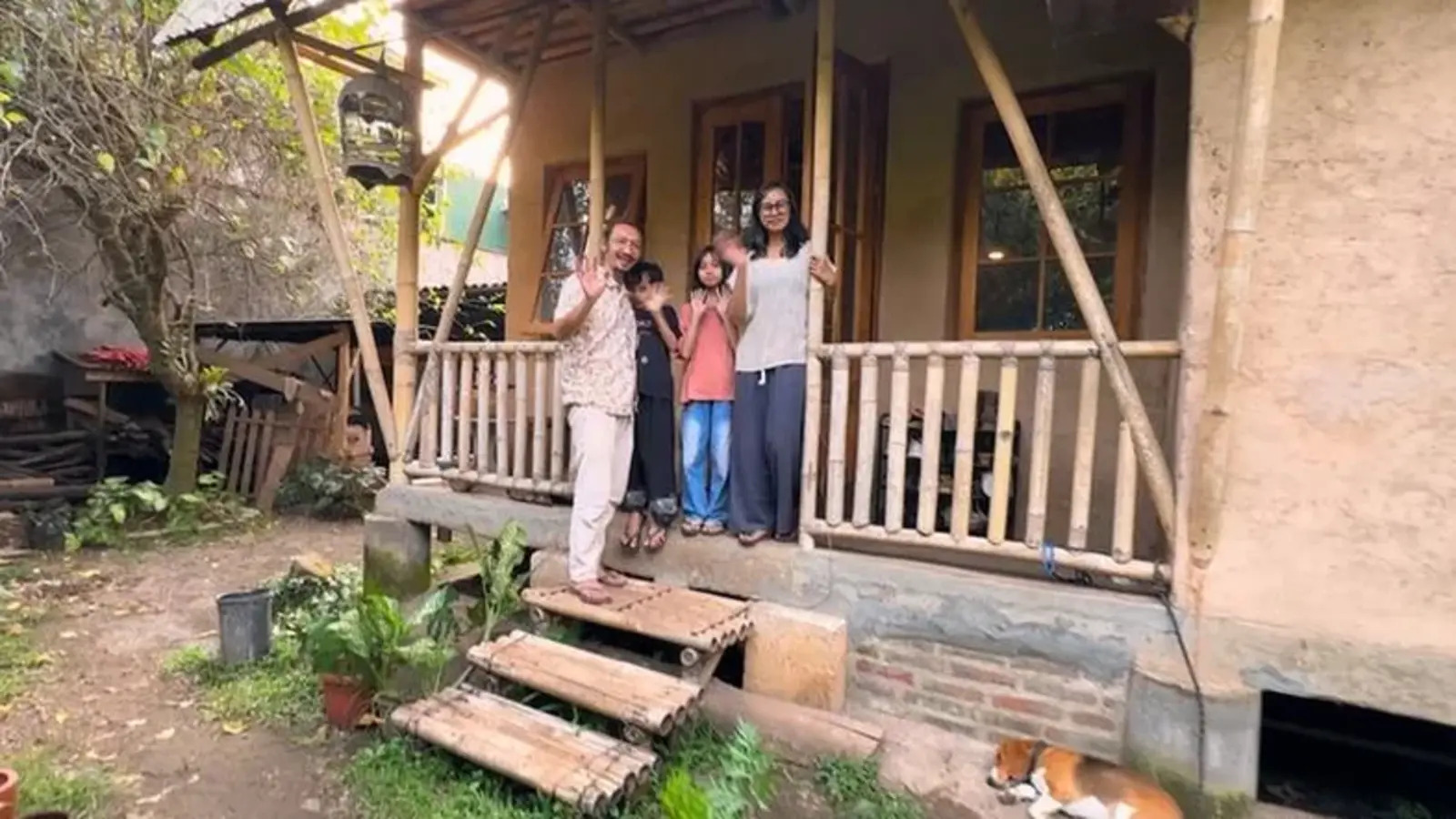
With earth, bamboo, straw, and lime mortar, a specialist builds a house for just over $460 and draws attention for its cost being much lower than traditional construction.
-
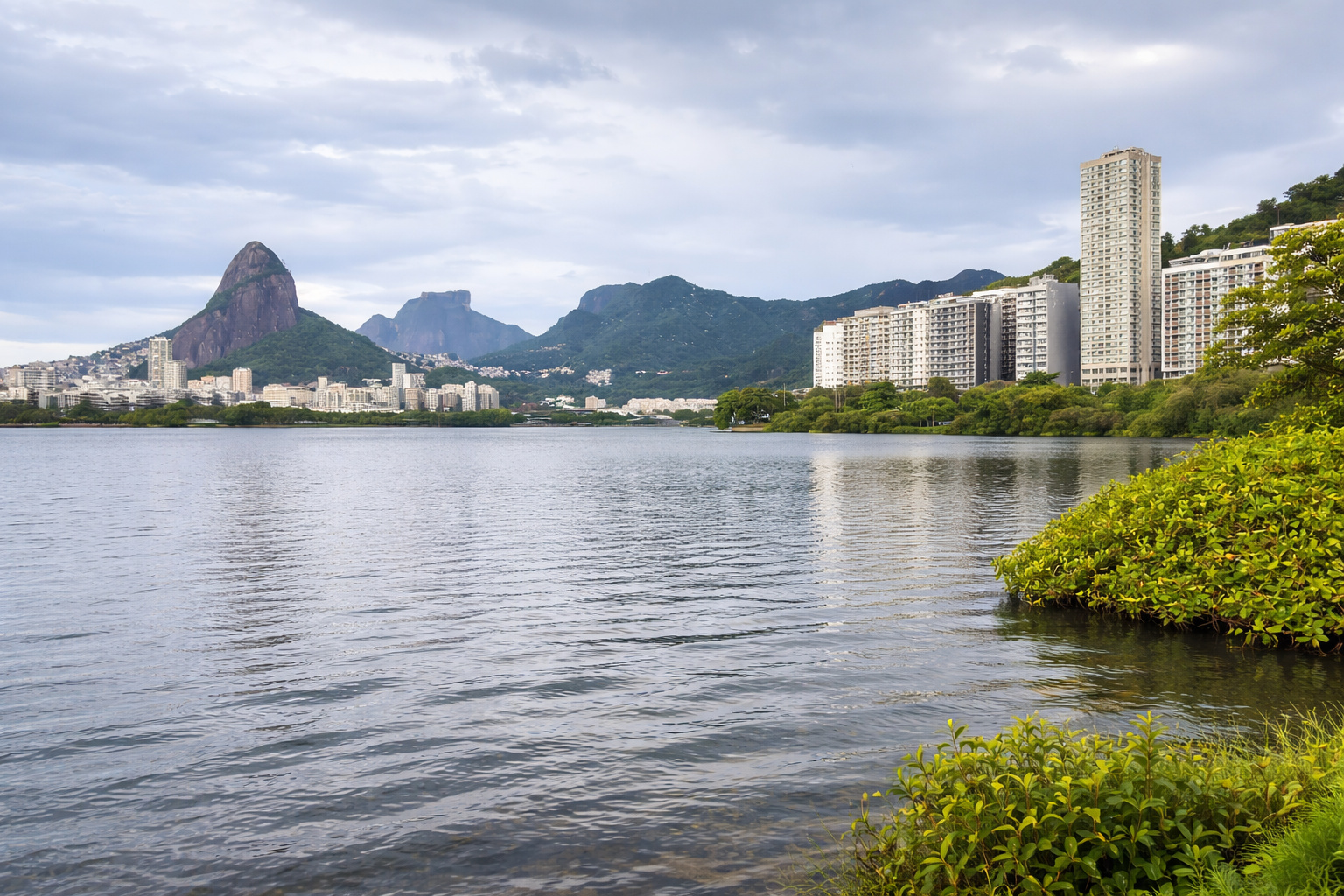
Rodrigo de Freitas Lagoon advances in environmental recovery with sanitation, elimination of irregular sewage, and the resumption of water sports in Rio de Janeiro.
-
Sustainable housing gains strength with a nationally awarded project in Campo Grande, highlighting innovative solutions that combine sustainability, urban integration, and efficiency in the use of natural resources.


It is in this context that Sabesp strengthens the use of recycled water as a strategic alternative. The proposal is simple but powerful: to use treated water from sewage for activities that do not require potability, such as cooling data centers.
This approach reduces the consumption of potable water and reinforces a sustainable initiative aligned with global best practices in water management. At the same time, it helps preserve reservoirs during critical moments.
Sabesp invests in recycled water for data centers and preserves water sources
The decision of Sabesp to direct recycled water to data centers follows an international trend. These technological centers rely on cooling systems that consume large volumes of water, either through evaporation or thermal exchange.
By replacing potable water with recycled water, the company significantly reduces the environmental impact of these operations. This sustainable initiative becomes even more relevant in light of the accelerated expansion of digital infrastructure.
Among the main benefits of this strategy are:
- Preservation of potable water for human consumption
- Reduction of pressure on rivers and reservoirs
- Decrease in the water footprint of technological sectors
- Greater efficiency in the use of available resources
Each cubic meter reused represents direct savings in the supply system, reinforcing the company’s role in addressing the water crisis.


Growing demand for data centers intensifies debate on water use
The growth of data centers worldwide has raised important discussions about the consumption of natural resources. According to the Lawrence Berkeley National Laboratory, these centers consumed about 66 billion liters of water in 2023 just for direct cooling.
The projections are even more challenging. By 2028, this volume could double or even quadruple, primarily driven by the advancement of artificial intelligence. A study published in the scientific journal Patterns estimates that global consumption could range between 312 billion and 765 billion liters over a single year.
In light of this scenario, the use of recycled water consolidates as an essential sustainable initiative. In the case of Sabesp, the strategy aligns with global trends and directly contributes to mitigating the effects of the water crisis.

Sabesp structure expands recycled water production on a large scale
To meet the growing demand, Sabesp has been investing in expanding the production capacity of recycled water. The Barueri Sewage Treatment Plant, considered the largest in Latin America, plays a central role in this process.
The estimated production potential reaches 84.5 million liters per day, also including other units such as São Miguel, Parque Novo Mundo, and stations in the ABC region of São Paulo. This robust volume allows for serving both data centers and large industrial sectors.
This expansion reinforces the company’s sustainable initiative and enhances its capacity to respond to the water crisis, ensuring greater resilience in the supply system.
How recycled water is produced and reaches data centers
The process of transforming sewage into recycled water involves several technical stages, ensuring quality and safety for industrial use. Sabesp details this cycle in a structured manner.
Among the main phases are:
- Collection and arrival of sewage at treatment stations
- Removal of solid waste and coarse materials
- Separation of liquid and solid parts by sedimentation
- Biological treatment to reduce organic load
- Polishing and disinfection to meet industrial use standards
- Storage and distribution to clients, such as data centers
This system ensures that the treated water meets the necessary standards for specific applications, without compromising public health.
Additionally, the supply can be made by water trucks or, in the future, through dedicated networks directly connected to the stations, enhancing the logistical efficiency of this sustainable initiative.
Sabesp’s sustainable initiative advances to the critical minerals industry
The actions of Sabesp with recycled water are not limited to data centers. The company has also expanded its operations to other strategic sectors, such as the critical minerals industry.
An example is the contract with Jervois Brasil, which provides for the supply of 40,000 m³ monthly through a direct connection with the São Miguel Sewage Treatment Plant. This model reinforces the versatility of the solution and amplifies its positive impact.
In a scenario of water crisis, this diversification strengthens water security and reduces dependence on traditional supply sources. It is a sustainable initiative that integrates different production chains under the same logic of efficiency.
Technology, circular economy, and combating the water crisis go hand in hand
Sabesp’s strategy is embedded in a broader concept of circular economy, which seeks to reduce waste and reuse resources. In this model, sewage ceases to be a problem and becomes part of the solution.
By transforming waste into recycled water, the company creates a virtuous cycle that benefits both the environment and the economy. This approach strengthens the sustainable initiative and positions sanitation as a key element in combating the water crisis.
Moreover, the use in data centers demonstrates how high-tech sectors can integrate into environmentally responsible practices without compromising performance or growth.
A new path to preserve water and sustain growth
The expansion of the use of recycled water by Sabesp shows that it is possible to face the water crisis with innovation, planning, and responsibility. By directing this resource to data centers and industries, the company preserves millions of liters of potable water and protects public supply.
This sustainable initiative not only solves an immediate problem but also points to the future of water management. In an increasingly technology-dependent world, smart solutions like this will be essential.
The adopted model highlights that the path involves the integration of sanitation, industry, and innovation. And, above all, it reinforces that every liter saved today makes a difference in ensuring supply for future generations.









Seja o primeiro a reagir!