





 Português
  Inglês
  Espanhol
  6 min de leitura
  0 comentários


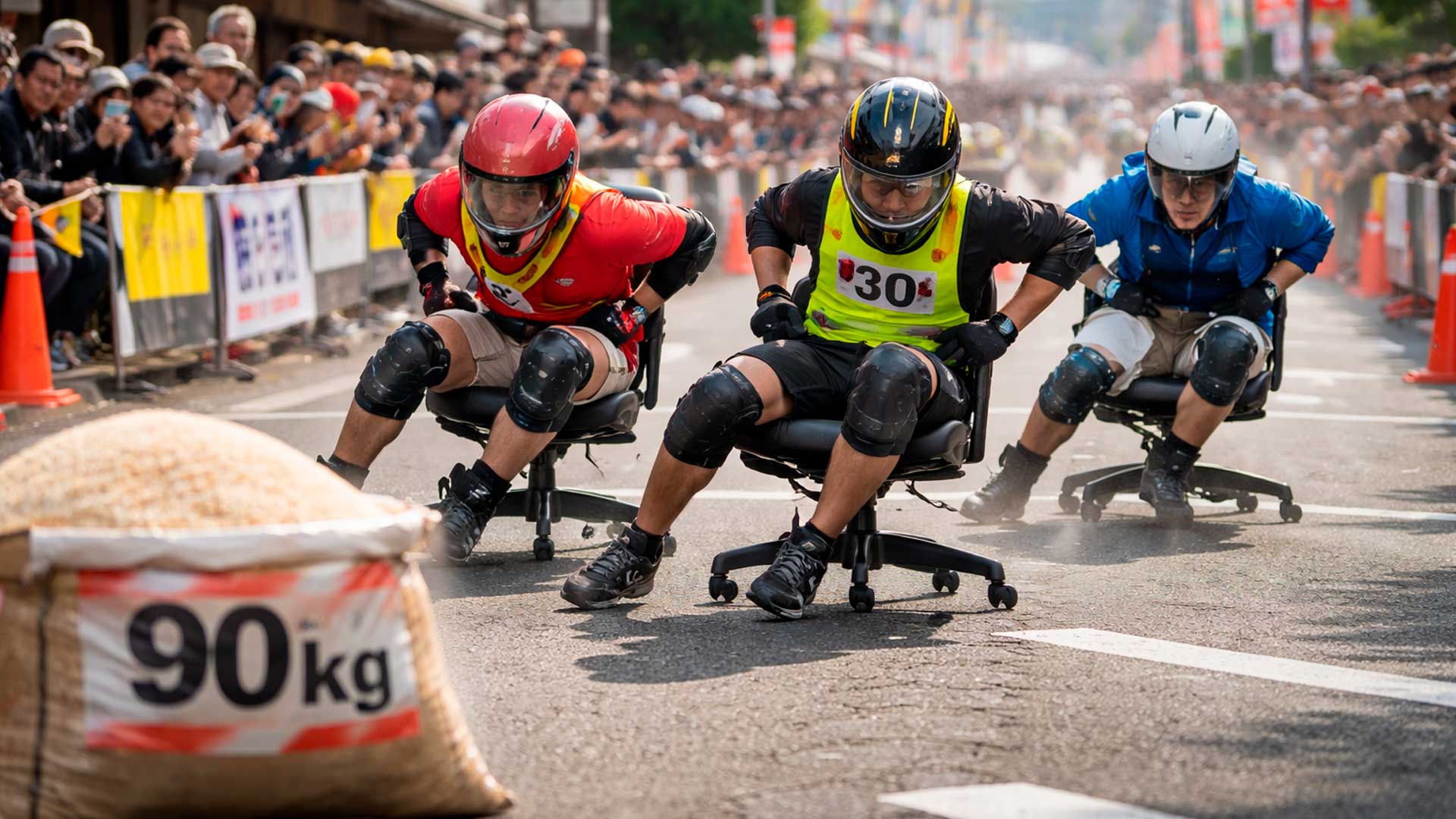
The ISU 1 Grand Prix drew attention again over the weekend with a two-hour race held in common office chairs. Created in Kyoto and now spread across more than 20 locations in Japan, the race mixes humor, technique, endurance, and very serious rules.
Japan has once again placed one of its most improbable competitions in the spotlight. On Sunday, March 29, 2026, the Kyoto Kyotanabe stage of the ISU 1 Grand Prix brought together teams of three for an endurance race in office chairs, in a two-hour event where the winner is the one who completes the most laps before time runs out.
The scene seems like a joke at first glance, but the regulations show that the event is far from improvised. Competitors must wear helmets, gloves, knee pads, and elbow pads, bring their own chairs, and cannot make modifications to the equipment, which turns the competition into a real combination of strength, balance, relay strategy, and physical endurance.
The prize also helps explain why the race goes viral so easily. Instead of a traditional trophy, the Kyoto stage awarded 90 kilograms of rice to the winning team, 60 kilograms to the runner-up, and 30 kilograms to the third place, reinforcing the popular and humorous character of an event that has become a symbol of sporting creativity in the country.
-
House in England with a 7.6-meter shark embedded in the roof attracts attention worldwide and becomes a curious attraction in Oxford.

-
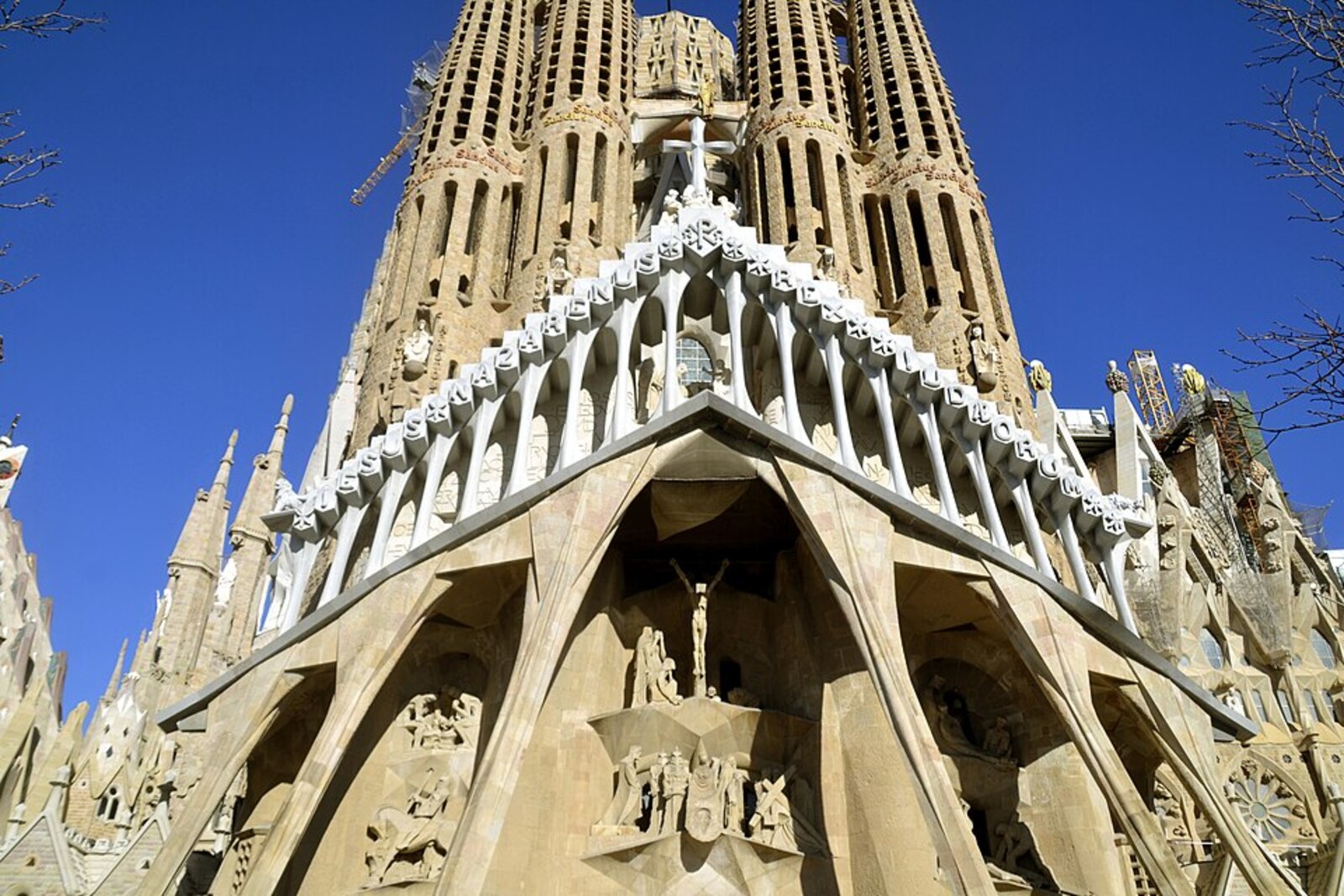
Masterpiece in Spain, under construction since 1882, receives 4.8 million visits in a year and impresses with its gigantism and architecture.
-
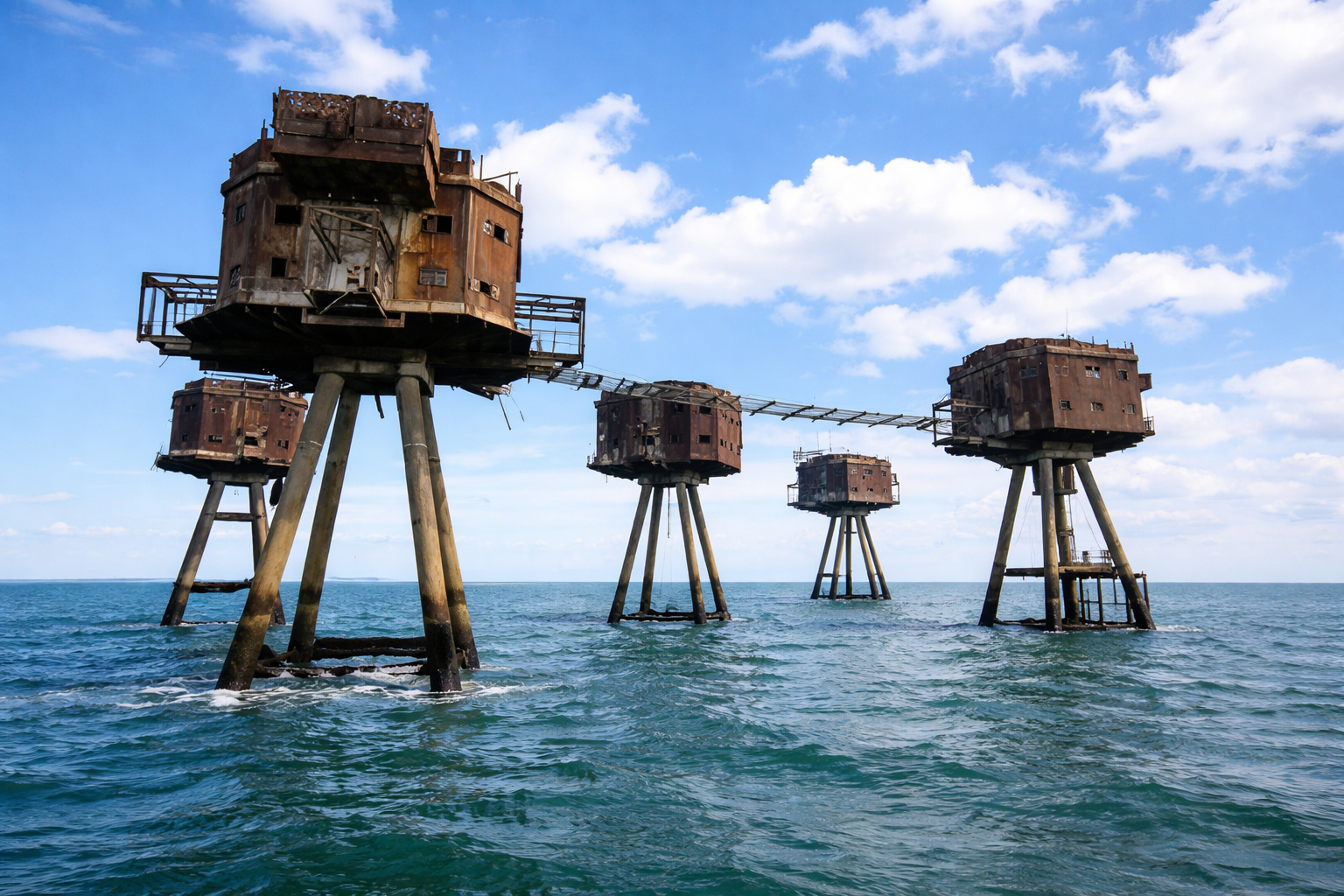
Attracting around 250,000 people a year, a lighthouse 200 meters from the sea, on a 60-meter high cliff, on the North Sea coast in Denmark, becomes one of the most impressive examples of how nature can threaten historical buildings.

-
The narrowest house in the world is only 63 centimeters wide, but inside it can accommodate a bathroom, kitchen, bedroom, office, and even two staircases.



The recent buzz did not arise by chance. Euronews highlighted on Monday, March 30, 2026, that dozens of participants took to the streets of Japan over the weekend for the ISU 1 Grand Prix, described as a race where teams take turns, entertain the audience, and compete for the coveted prize of 90 kilograms of rice.
How the office chair race works in Japan

The logic of the event is simple to understand and difficult to execute. Each team forms a trio, divides the effort over two hours, and tries to extract the maximum performance from a common office chair, gliding through curves, straightaways, and urban sections closed for the event.
In practice, this means running much more than the appearance of the competition suggests. Official results from several recent stages show winning teams covering something between 20 and 29 kilometers, a mark sufficient to classify the race as an endurance event and not just a street play for photos and videos.
There is also an important technical component. Since the chairs cannot be altered, performance depends on the rhythm of pushing with the feet, the ability to take curves without losing speed, efficient exchanges between pilots, and the survival of the equipment until the final flag. Not by chance, the organization itself treats the event as an official race supervised by the Japanese association of the modality.
The Kyoto stage held on March 29 had a full schedule, with team receptions, an opening ceremony, qualifiers, and the main two-hour event scheduled for the afternoon. It was the 17th edition locally, a fact that shows how the competition has ceased to be an occasional curiosity to become a fixed calendar event in its city of origin.
From Kyoto to over 20 locations and an idea that was born to energize the city
The ISU 1 Grand Prix officially began in 2010, in the city of Kyotanabe, Kyoto, more precisely in the commercial area of Kirara. The official page of the championship states that the race is now held in more than 20 locations in Japan, with strong circulation on social media and growing attention from the public and press.
The origin of the competition is directly linked to the attempt to revitalize local commerce. Kansai TV reported that the first edition emerged when merchants in the area noticed the weakening of the shopping street and sought an event capable of attracting people, noise, movement, and a unique identity to the place.
The creator Tsuyoshi Tahara has already mentioned that the memory of playing with an office chair in childhood helped shape the project, but the sporting inspiration also came from endurance races. In 2019, Tahara explained to Reuters that he thought of the format after seeing a tricycle race and wanted to create something unprecedented that could be held on the streets, with three people per team and a long duration.
This intersection of community spirit and motorsport aesthetics may be the biggest secret to its success. The event is often compared to Le Mans and the world of Formula 1 due to its relay format and the language of paddock, start, and strategy, but maintains a lighter tone, visually curious and very accessible to those watching.
Kumamoto, Kyoto, and the strength of an unusual sport that has already gained national standards
Part of the confusion in the descriptions circulating online comes from the fact that the championship brings together several stages with similar images, but held on different dates and in different cities. In the official calendar for the 2025 and 2026 season, the organization listed the stage of Kumamoto Nankan on February 8, 2026 and the stage of Kyoto Kyotanabe on March 29, 2026, which helps to separate the most recent video from the general information of the circuit.
In Kumamoto, the regulations repeated the foundation that defines the modality. Teams of three members, participants from high school onwards, mandatory use of protection, chairs without modification, and a limit of up to two units per team, including any spare equipment.
This standard reinforces the professionalization of an event that remains visually funny but operates with clear rules. The course is set up on paved roads connected to commercial areas, the organization provides equipment oversight, and the responsible association presents the project as a tool for local economic activation and integration between generations.
Therefore, the office chair race in Japan manages to occupy two places at the same time. It entertains those watching from the outside, generates highly shareable videos, and at the same time offers participants and cities a competitive, community event that is easily recognizable, something rare in an increasingly standardized sports calendar.
Why the ISU 1 Grand Prix draws so much attention outside Japan
The strength of the ISU 1 Grand Prix lies precisely in the contrast. The most mundane object of an office becomes a racing vehicle, the everyday urban environment becomes a track, and a simple prize like rice gains the status of a coveted trophy. It is a formula that attracts clicks, generates curiosity, and still holds up because there is real physical effort behind the spectacle.
Another decisive point is the ease of understanding. Anyone who glances at such an event immediately understands the proposal, but only later realizes the extent of the wear involved. When teams surpass the 20-kilometer mark, it becomes clear that the event does not thrive solely on eccentricity, but rather on a rare mix of unusual sport, endurance, and popular appeal.
In the end, the Japanese race in office chairs works because it transforms humor into legitimate competition without losing its lightness. In an era when so many events try to seem overly grandiose, the ISU 1 Grand Prix grows precisely by embracing the absurdity of the idea and organizing it with enough seriousness that no one treats it merely as a passing meme.
Is this just a brilliant joke or can it already be treated as a real sport? Leave your comment and tell us if you would dare to spend two hours pushing an office chair through the streets. In times of increasingly closed and expensive modalities, perhaps the controversy lies precisely there.






Seja o primeiro a reagir!