





 Portuguese
  English
  Spanish
  5 min of reading
  0 comments


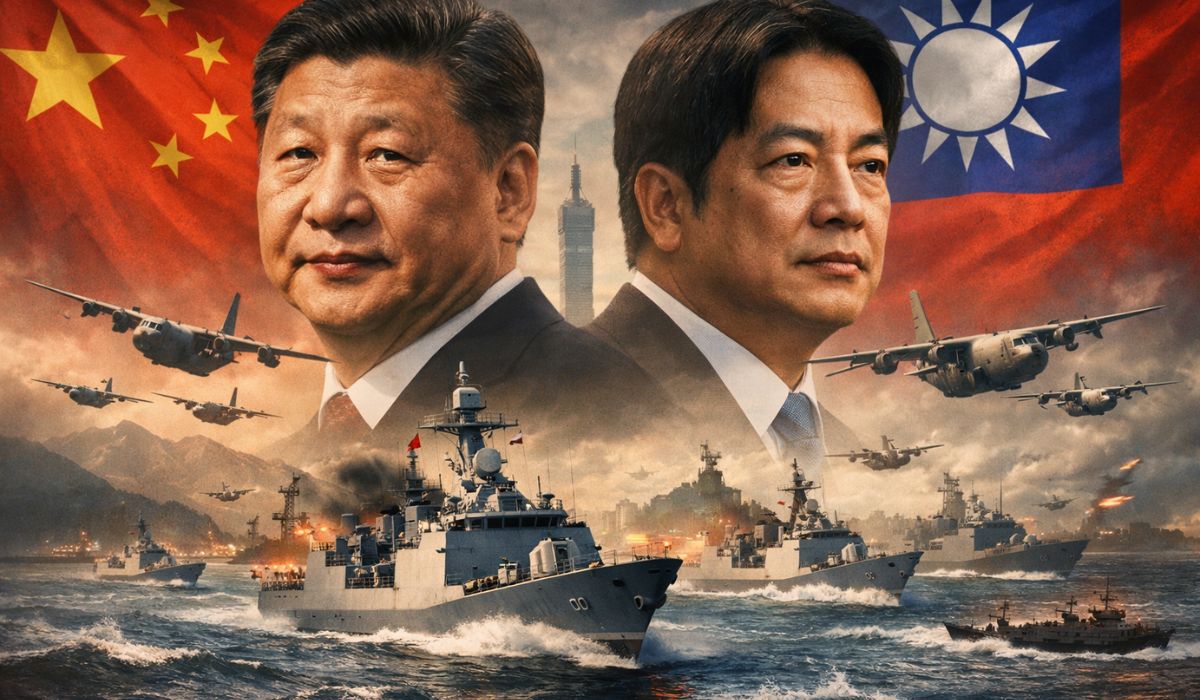
New military package of Taiwan reorganizes priorities at sea and in the air, amid regional pressure and the renewal of old equipment, with direct impact on planning, budget, and response capacity of the island.
Taiwan has prioritized the construction of a new class of light warships and the renewal of part of its military airlift capacity amid increasing Chinese pressure on the island.
Budget documents and reports from the specialized press indicate that Taipei intends to build 10 light frigates of about 2,500 tons for air defense and anti-submarine warfare missions between 2028 and 2040.
At the same time, the Taiwanese Air Force has begun advocating for the acquisition of 10 C-130J Super Hercules aircraft, replacing the previous proposal to modernize the C-130H fleet.
-
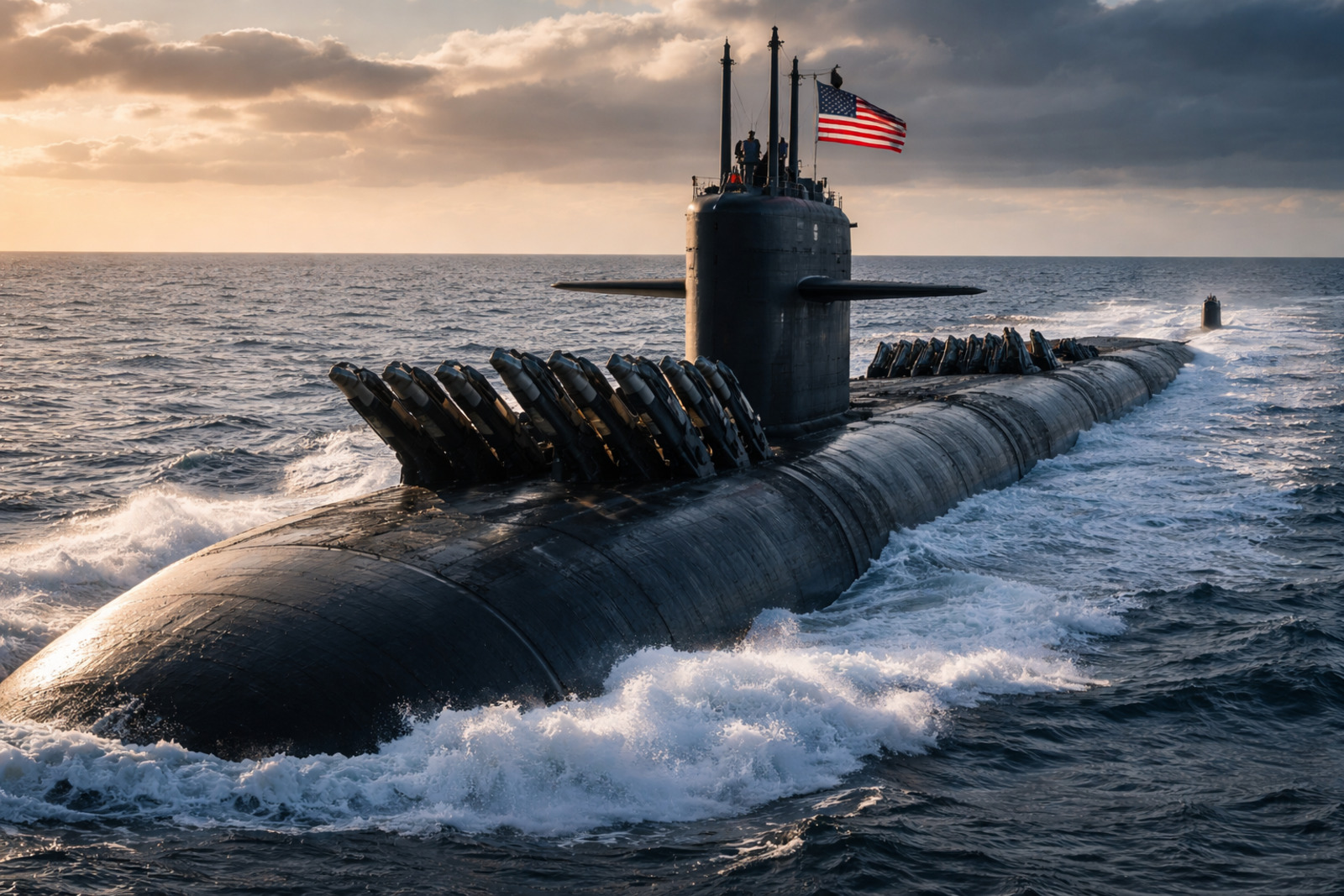
The U.S. Navy saw 2,080 Tomahawk missiles disappear, and now it is racing against time to avoid a huge shortfall with the departure of the Ohio-class submarines.
-
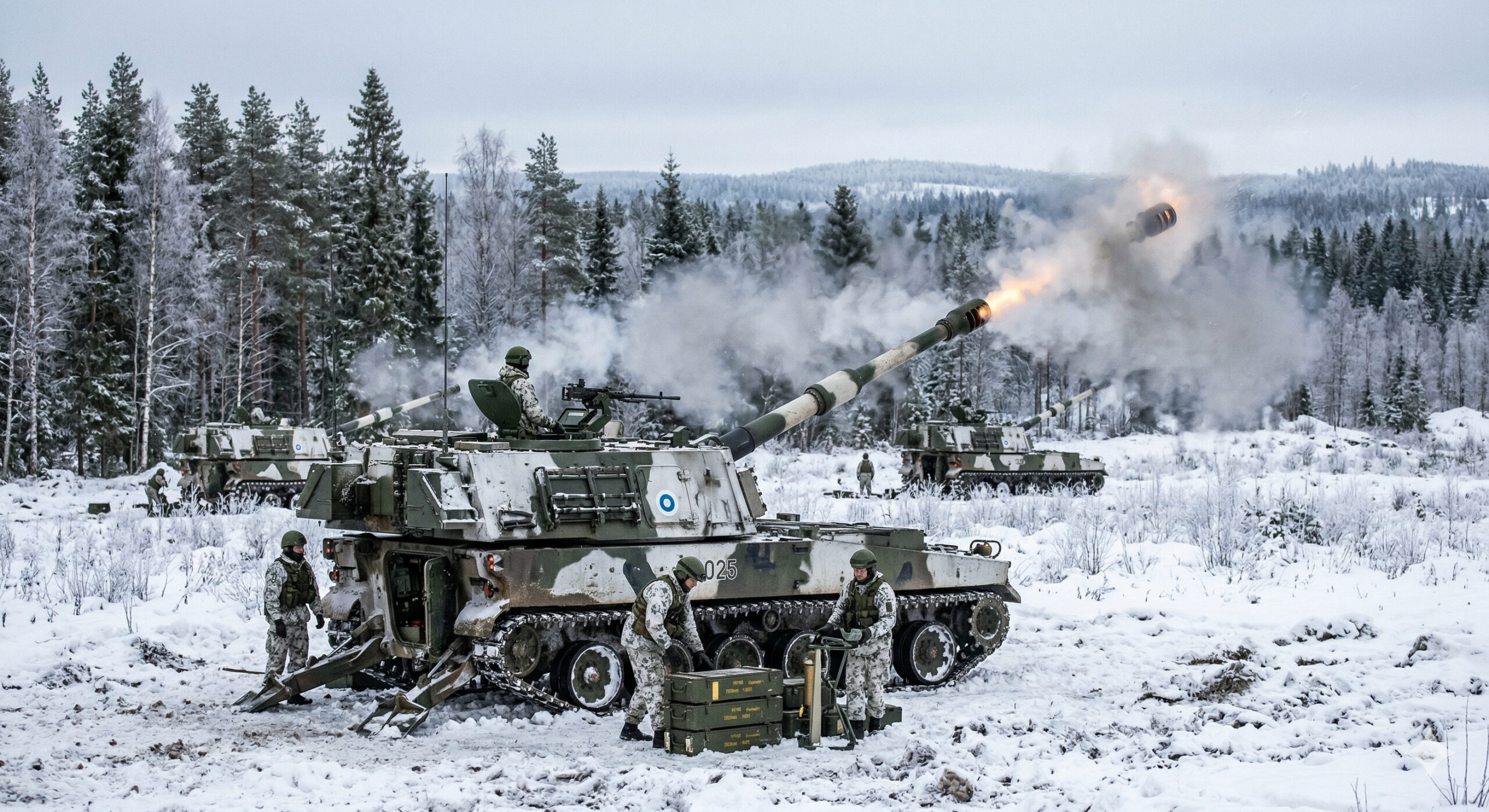
With a range of up to 40 km, automated firing in less than 30 seconds, and the ability to operate in any weather, Finland has signed a $642 million deal for 112 K9 howitzers, establishing one of the largest heavy artillery forces in Europe amid the new military race on the continent.
-
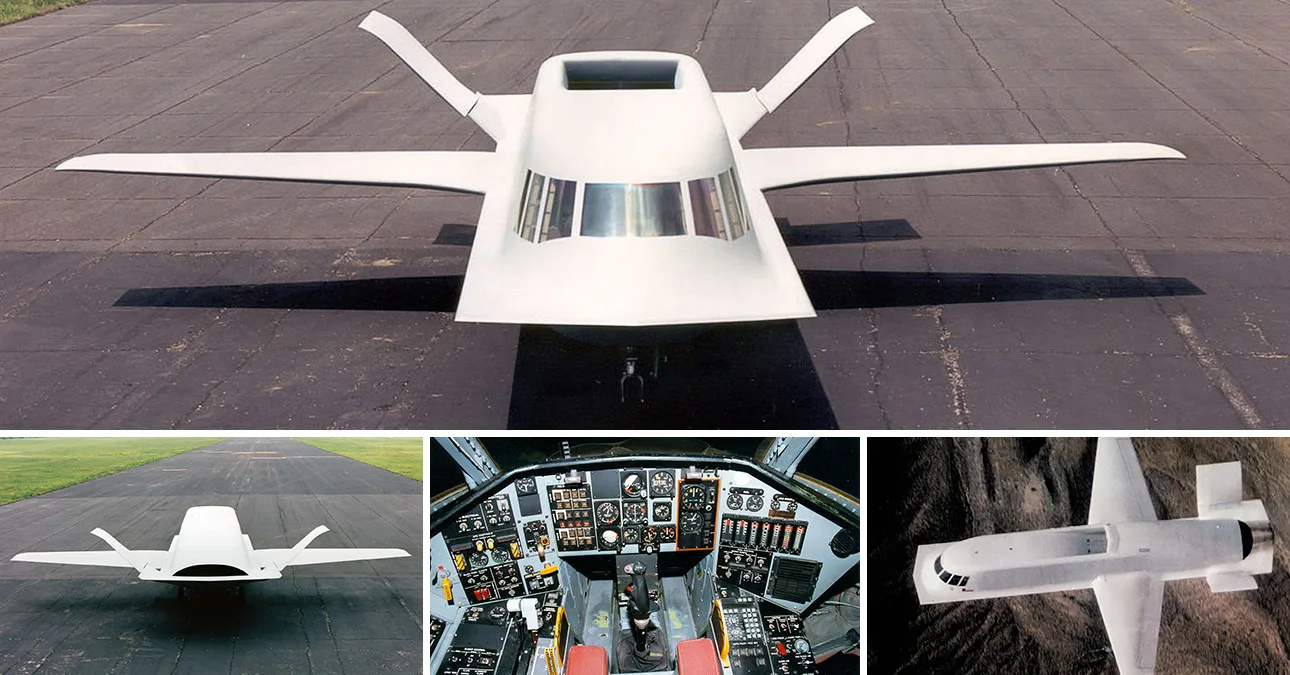
With a length of 17.7 meters, a wingspan of 14.7 meters, and more than 130 test flights, the secret aircraft “invisible whale” Tacit Blue used a completely curved shape to reduce its radar signature even while operating active sensors and proved that it was possible to detect targets without being seen, paving the way directly for the stealth bomber B-2.
-
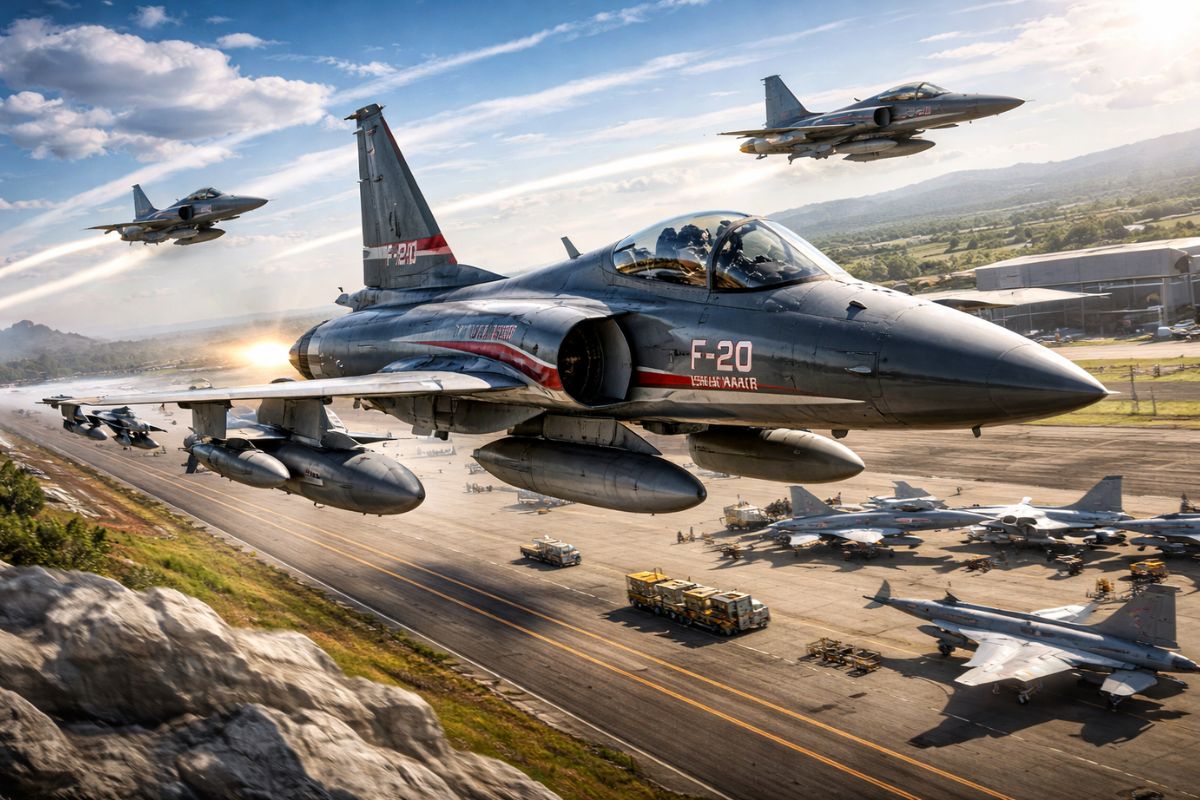
F-20 Tiger Shark: the light fighter that could rival the F-16, it was to be the successor to the F-5 and cost less, but it died due to politics, without support from the U.S., after 1 billion invested.
The naval program concentrates most of the resources allocated by Taiwan for large military construction projects at sea.
According to the planning released by the island’s National Defense Ministry and detailed by the specialized press, the projects for the new air defense and anti-submarine warfare frigates total US$ 7.8 billion out of a total of US$ 9.9 billion planned for six naval programs classified as priorities.
The established division foresees five ships focused on air defense and five dedicated to anti-submarine warfare.
Taiwan’s light frigates and navy modernization
The vessels are based on an international design by Gibbs & Cox, with adaptations planned for Taiwan’s needs.
The air defense variant is expected to be 96 meters long, while the anti-submarine version has been designed with 116 meters.
In both cases, the consulted documents indicate a width of 21 meters and a draft of 3.3 meters.
The new batch continues a program already initiated, which opened the way for the construction of four pilot ships, two in each configuration, with work launched starting from 2023 and 2024.
In addition to these frigates, Taiwanese military planning also includes the search for a submarine rescue ship, a combat logistics support ship, two rescue vessels, and an amphibious assault ship of 10,600 tons.
This set shows that naval modernization is not limited to replacing old assets.
The formal objective of the package is to enhance the navy’s response capacity on different fronts, from rescue to logistical support and amphibious operations.
Taiwan’s old fleet and China’s military pressure
The renewal of the fleet occurs as the Republic of China Navy, the official name of Taiwan’s Armed Forces, retires Knox-class frigates inherited from the Cold War.
At the same time, the island still relies on platforms of American and French origin designed decades ago, such as the Oliver Hazard Perry frigates, La Fayette, and Kidd-class destroyers.
This scenario frequently appears in analyses of Taiwanese defense because the presence of Chinese vessels and Beijing’s coast guard assets has become more constant in areas close to the island.
As a result, Taiwan’s navy maintains its ships in regular operation in a permanently pressured environment.
In recent years, this dynamic has ceased to be episodic and has become part of the strategic routine of the strait.
Reuters reported that China has increased military and political activities regarding Taiwan over the past five years, with almost daily flights near the island and periodic exercises.
In August 2022, Beijing conducted large-scale maneuvers following the visit of then-U.S. House Speaker Nancy Pelosi to Taipei.
Later, in May and October 2024, China resumed military operations around the island.
In April 2025, it conducted the exercise “Strait Thunder-2025”.
At the end of December 2025, the operation “Justice Mission 2025” expanded this picture, with actions that, according to Reuters, were presented by Beijing as a demonstration of the ability to block Taiwan and prevent external support in the event of conflict.
C-130J, military transport, and change of plan in Taiwan
In the air domain, the main change was the revision of the plan for the Hercules cargo planes.
Instead of proceeding with a broad modernization program for the C-130H, the Taiwanese Air Force has prioritized the purchase of 10 units of the C-130J, the latest version of the aircraft manufactured by Lockheed Martin.
Coverage by the specialized press, based on information released by the official agency CNA, indicates that the cost of upgrading the old planes weighed on the internal reassessment.
So far, however, what appears in public information is a procurement plan, not the confirmation of a completed contract with ongoing deliveries.
This distinction alters the meaning of the original text, which treated the purchase as a fait accompli.
Available reports indicate that the Air Force’s assessment led Taipei to consider the C-130J as the preferred solution, sidelining the modernization project locally known as “Taiwushan No. 3”.
Some of the C-130H may still remain in operation with more limited upgrades, according to published reports.
Even so, the main directive has become the gradual replacement with new aircraft, within the broader military planning of the island.
Defense of Taiwan, military budget, and strategic response
The combination of new ships and updated cargo planes reflects two central fronts of Taiwanese defense: maritime surveillance and logistical mobility.
In the case of the frigates, the focus is on air defense and anti-submarine warfare.
In the air domain, the cargo planes are used for the movement of troops, equipment, ammunition, and supplies, as well as missions supporting peripheral islands and responding to emergencies.
The movement occurs while the Lai Ching-te government increases resources allocated to defense and tries to demonstrate, to external partners, that the island is strengthening its own military capacity.
In August 2025, Reuters reported that Taiwan planned to raise the total defense budget for 2026 to 3.32% of GDP, the highest level since 2009.
Within this context, the announced modernization combines the replacement of old assets and an attempt to adapt to a more tense regional environment.
The naval program seeks to reduce dependence on aging platforms, while the plan for the C-130J repositions the discussion on military transport in favor of the renewal of the fleet.
The advancement of these projects, however, will depend on budget execution, industrial scheduling, and pending formal procurement decisions.







Seja o primeiro a reagir!