





 Portuguese
  English
  Spanish
  5 min of reading
  0 comments


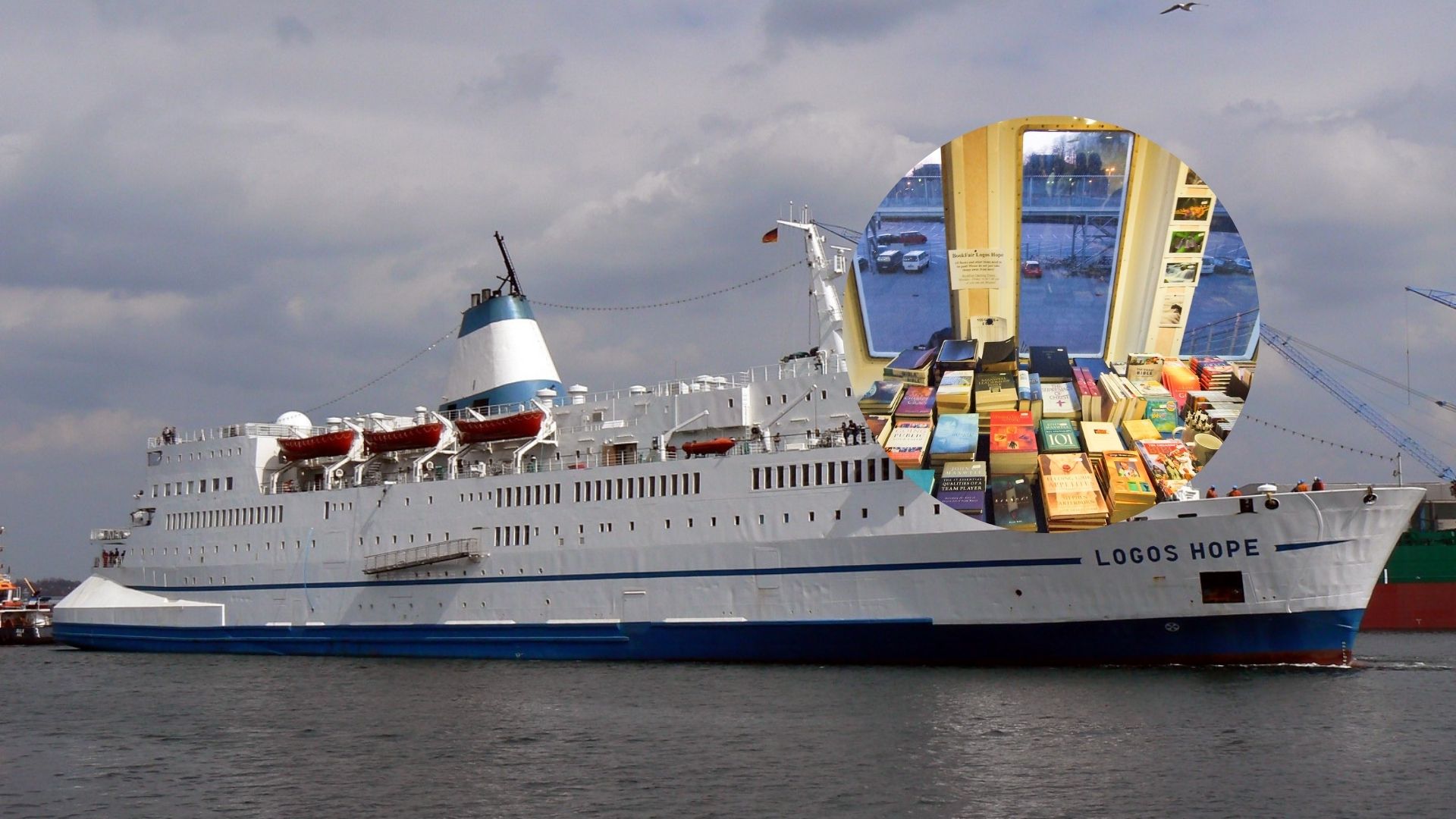
Naval structure transformed into a mobile bookstore attracts crowds and travels continents with thousands of titles and an international community on board, combining maritime engineering, cultural exchange, and access to reading in a unique operation in the publishing world.
The Logos Hope emerged as an unusual adaptation in maritime transport by converting a passenger ferry into a large-scale mobile bookstore, combining technical features of an ocean-going ship with a focus on the circulation of books and visitors.
Operated by the organization GBA Ships, the ship measures 132.50 meters in length, has nine decks, and a capacity for 442 people, maintaining a robust structure that allows for long journeys and continuous operation open to the public in different ports.
During stops, which usually last about two weeks, the internal space welcomes visitors interested in exploring more than 5,000 available titles, creating a constant flow that transforms the vessel into a cultural meeting point.
-
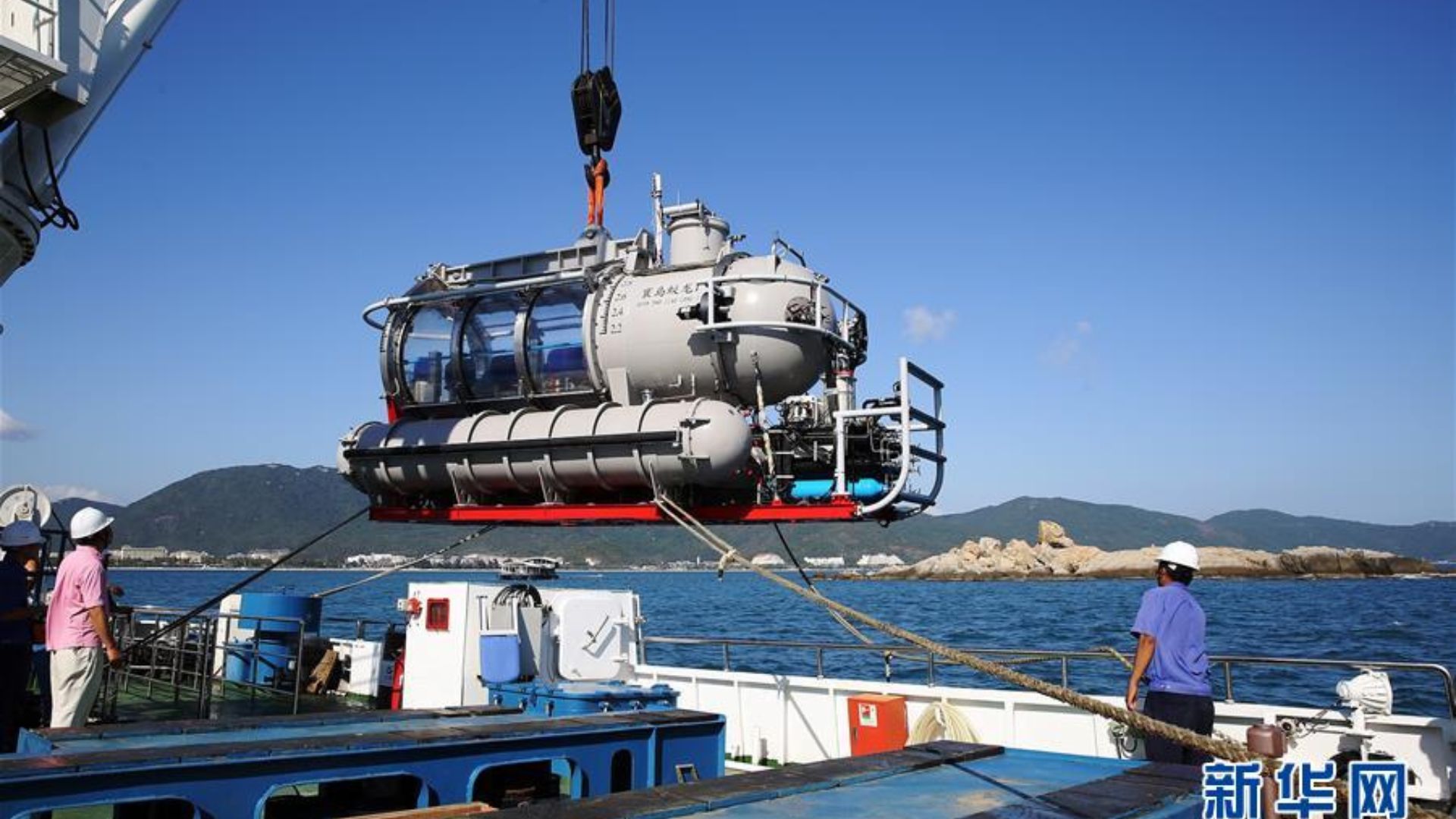
China has designed its first tourist submarine to take 3 passengers to a depth of 1,000 meters.
-
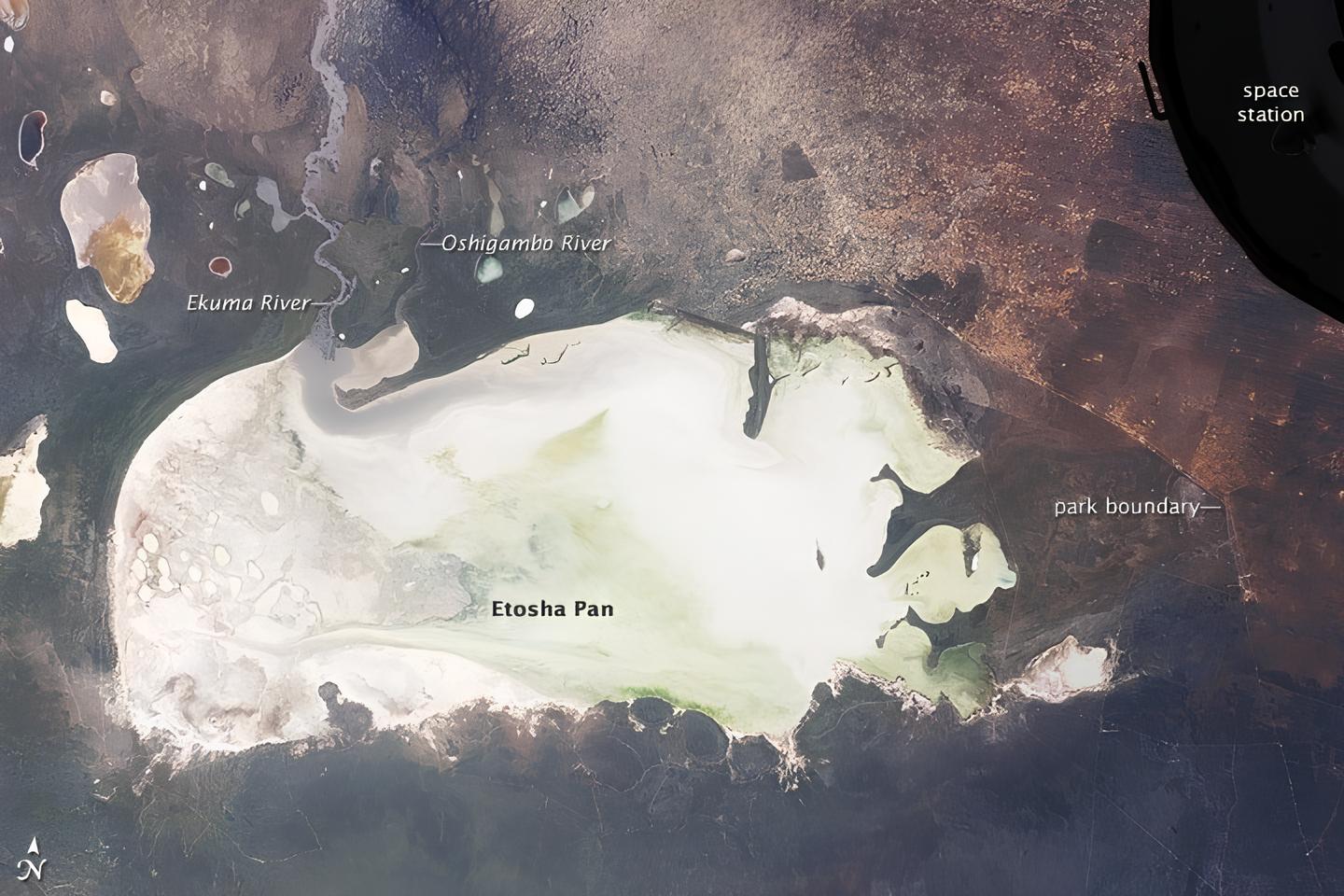
With up to 130 km in length, the Etosha Pan in Namibia remains almost the entire year as a white, cracked basin in the desert, but when the rare rains arrive, it transforms into a lake visible from space that reappears in the midst of one of the driest regions on the planet.
-
Not in the refrigerator, much less near the stove: this is the correct way to store tomatoes.

-
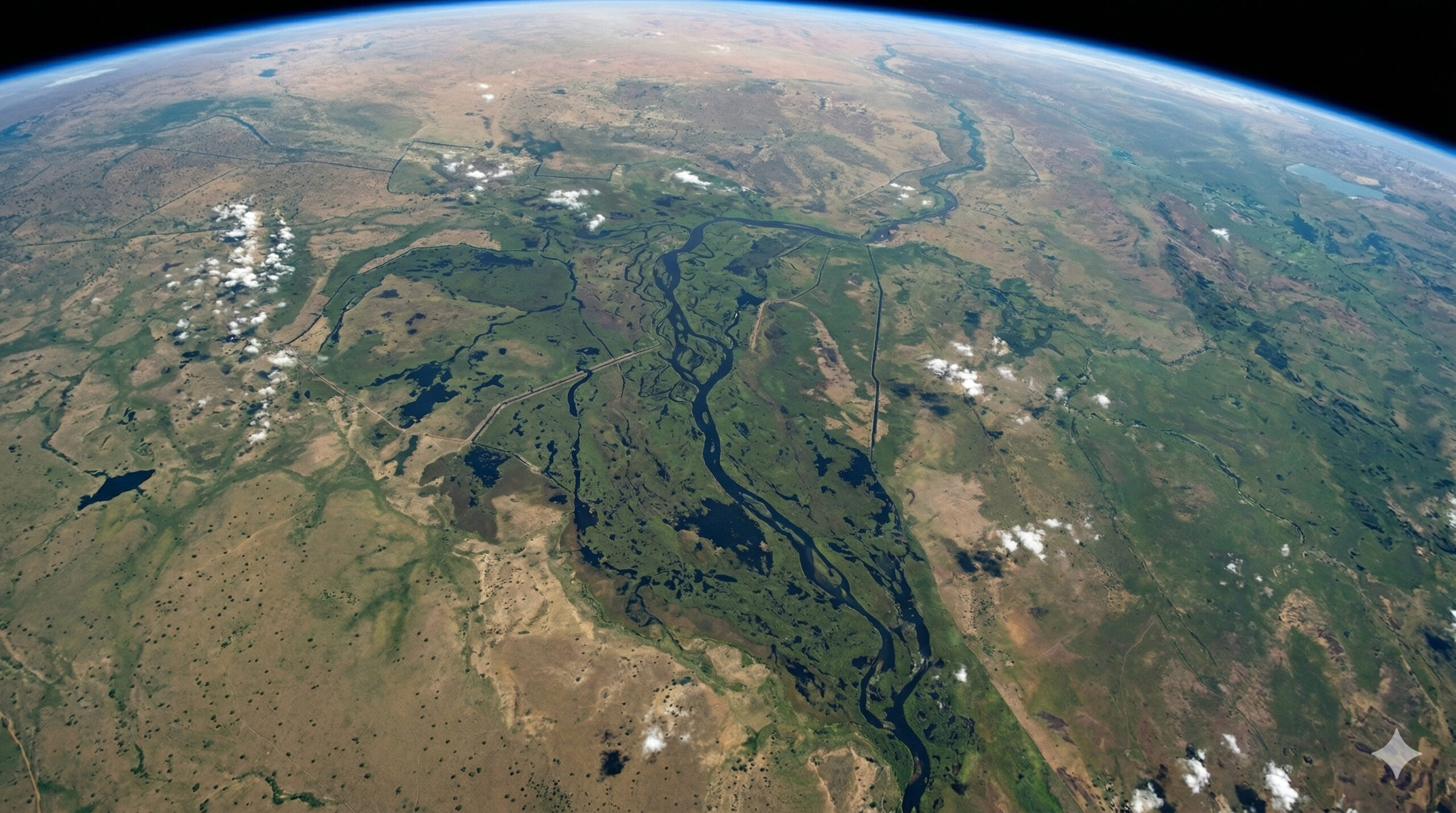
In South Sudan, the Sudd swamp, the size of England, causes the White Nile to lose more than half of its volume due to evaporation, forms floating islands of up to 30 km that move and block entire rivers, and for almost 2,000 years has prevented even armies and explorers from crossing this living labyrinth that changes shape every year.
Unlike the traditional use of vessels of this size, the proposal breaks industry standards by replacing commercial or tourist functions with an operation focused on access to books and interaction among different nationalities.
In this context, the vessel acts as a large floating book fair, integrating the sale of publications, cultural experiences, and social initiatives carried out alongside the ship’s presence in each city visited.

According to the responsible organization, this model is part of an operation that began in 1970, accumulating more than 50 million visitors in over 150 countries and territories, which helps explain the global reach of the proposal.
Ship converted into a floating bookstore
To understand the scale of the operation, technical data helps to situate the size of the vessel within the international maritime standard, especially considering its adaptation for cultural functions and prolonged stays with visitors on board.
Built in 1973 in Germany, the Logos Hope is classified as a passenger ship and registers 12,519 gross tons, 21.06 meters in beam, and a draft of 5.22 meters, characteristics that indicate its capacity for navigation on ocean routes.
Additionally, the structure includes cargo capacity of 1,100 m³ for books and 308 m³ of fresh water, highlighting a configuration prepared to sustain continuous operations without immediate support on land.
Even with these specifications typical of maritime transport, the use of the vessel distances itself from the conventional standard by prioritizing cultural activities and public access, rather than cargo logistics or passenger transport.
From European ferry to global cultural project
Before assuming its current format, the ship began its journey in a completely different context, operating as a car ferry under the name Gustav Vasa, on routes in Northern Europe still in the 1970s.
Subsequently, the vessel operated as Norröna, maintaining commercial functions until it was acquired by GBA Ships in 2004, marking the beginning of its structural and conceptual transformation.
The renovation involved shipyards in Croatia, Germany, and Denmark, where new living spaces, areas open to the public, and educational structures for families living on board were created.
With the modernization of internal systems and reconfiguration of environments, the ship was relaunched in February 2009 as Logos Hope, consolidating the conversion into a permanent platform for cultural visitation.
What the visitor finds on board
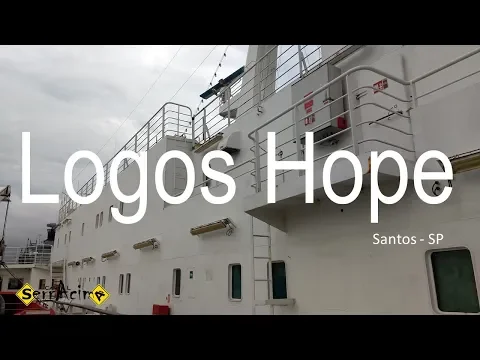

Upon accessing the ship, the visitor finds a bookstore that goes beyond the traditional arrangement of shelves, as the environment has been designed to integrate circulation, coexistence, and contact with different cultures in the same space.
During visits to Brazil, such as in Rio de Janeiro, the main deck featured titles in English, Portuguese, and Spanish, covering children’s literature, novels, sciences, sports, arts, cooking, and Christian literature.
In addition to the collection, the space includes an international café and areas designated for cultural activities, creating an experience that combines reading, social interaction, and prolonged stays within the vessel.
Thus, the internal environment contrasts with the external appearance of an ocean-going ship, resembling more a cultural fair structured to receive large volumes of visitors daily.
Numbers that dimension the global operation
The scale of the project can be observed in the data accumulated since the beginning of the Logos Hope operation, which helps to contextualize its relevance within international itinerant cultural initiatives.
According to GBA Ships, the ship has already welcomed 6.56 million visitors and recorded the sale of 5.1 million books, numbers that reflect the intensity of public circulation in different regions of the world.
Throughout its journey, the vessel has traveled 230,335 nautical miles and made 408 stops, reaching 108 countries and territories, as well as 255 different ports.
With this, each stop ceases to be just a logistical point and begins to function as a temporary cultural event, mobilizing visitors and activities around the ship’s presence.
International crew and life on board

Another relevant aspect is the composition of the team responsible for the operation, which brings together people from different backgrounds and training, creating a distinct internal dynamic from conventional commercial ships.
The Logos Hope has about 60 nationalities among crew and staff, including professionals and volunteers who work in technical, educational, and operational roles within the vessel.
During visits to Brazil, more than 400 crew members from 64 countries were recorded, highlighting the international dimension of the community that keeps the ship in continuous operation.
This diversity contributes to enhancing the visitor’s experience, who interacts directly with people from different cultural backgrounds while circulating through the ship’s spaces.
Social actions and impact beyond the ship
Alongside activities on board, the operation also extends to actions carried out on land, broadening the reach of the proposal beyond public visitation within the vessel.
The teams participate in initiatives in partnership with local organizations, including visits to hospitals, schools, orphanages, and prisons, reinforcing the social character of the project.
By integrating these activities with the ship’s presence in different cities, the initiative amplifies its impact and connects the circulation of books to actions aimed at community support.
In this scenario, the Logos Hope utilizes its maritime structure not only for transport but as a base for an operation that articulates reading, cultural exchange, and social action in different regions of the world.




Seja o primeiro a reagir!