





 Portuguese
  English
  Spanish
  4 min of reading
  0 comments



New OV50X Sensor Can Elevate the Standard for Photos and Videos on Smartphones, Promising Greater Dynamic Range and Detail Preservation in Extreme Light and Shadow Conditions, Expected to Equip Future Models from Xiaomi.
Xiaomi is considering adopting the OV50X, a new 1-inch main sensor from OmniVision, in the Xiaomi 16 series, with the promise of reducing highlights in bright areas and loss of information in shadows, delivering video with a “cinematic” look.
The component was recently announced and offers dynamic range close to 110 dB, equivalent to about 18 stops of light. Mass production is scheduled for the third quarter of 2025.
OV50X Targets Wide HDR and “Cinema” Video
Officially introduced by OmniVision, the OV50X is a 50 MP sensor with 1.6 µm pixels in a 1-inch optical format, aimed at high-end smartphones.
-
The oceans are darkening all over the planet – what is happening?

-
An engineer designs a solar plane to fly on Mars at an altitude of 1,000 meters and a speed of 300 km/h, covering 16,000 kilometers in a Martian year, 900 times the distance traveled by the Ingenuity helicopter in three years on the planet before experiencing a rotor failure, and NASA is already funding the feasibility study.

-
A new phenomenon of contactless magnetic friction intrigues scientists and questions a theory that has been valid since the 17th century.

-
An impressive phenomenon in Northern Brazil causes rivers of different colors to flow side by side, revealing secrets about sediments, currents, and biodiversity.


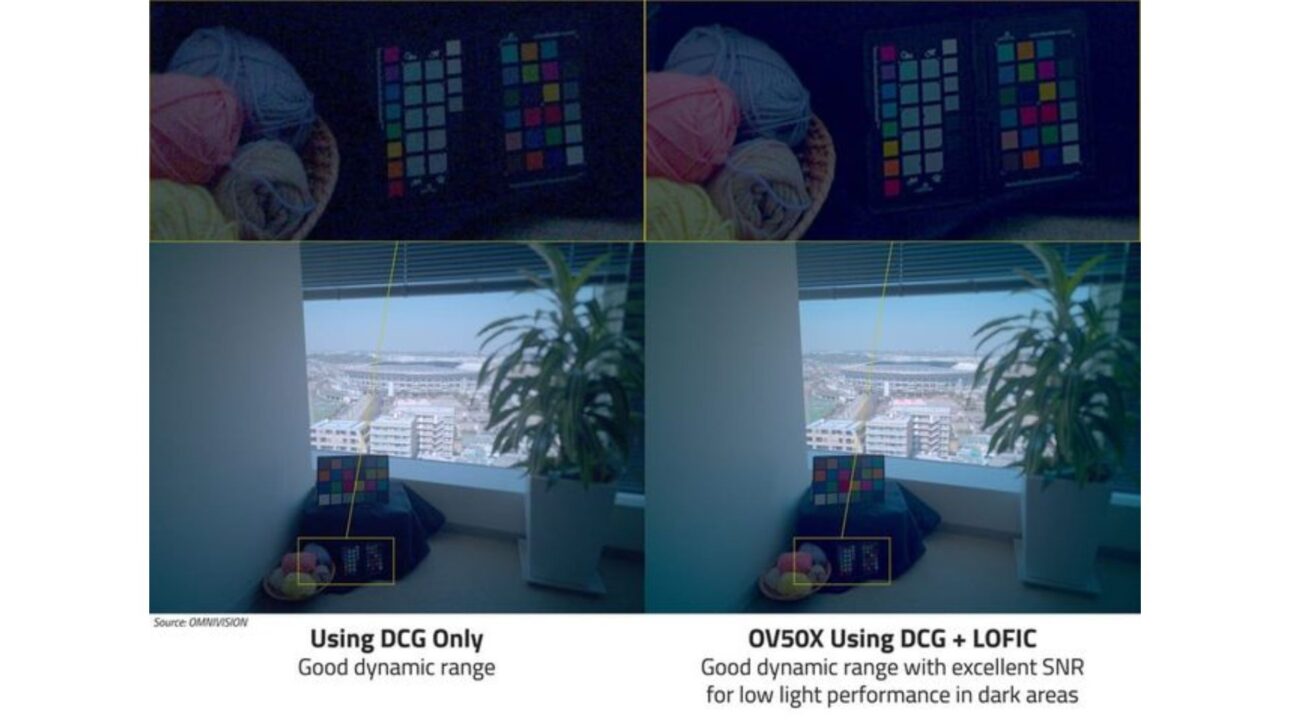
The highlight is the single-exposure HDR close to 110 dB, enabled by TheiaCel technology, which seeks to preserve details in scenes with extreme contrast, such as sunrises and sunsets, nighttime streets, and environments with intense backlighting.
In addition to tonal range, the component prioritizes HDR video and preview, which tends to impact both what the user sees on the screen and the final recorded content.
In terms of speed, the sensor supports 4-in-1 binning for 12.5 MP at 180 fps, records 8K with HDR via dual analog gain, and offers hardware cropping on the sensor itself. For focus, there is QPD (Quad Phase Detection) with 100% coverage.
What Changes in Cell Phone Photos and Videos
In practice, HDR in this range aims to reduce the occurrence of “blown-out” or completely dark areas in photos and, especially, in videos.
In high-contrast scenes, the expected effect is the simultaneous preservation of details in highlights and shadows, without common artifacts of multi-exposure HDR, such as “ghosting” on moving objects.
The gain is also expected to be noticeable in real-time viewing, as the OV50X was designed to deliver HDR preview, bringing what is seen on the screen closer to the final result.
Another relevant point is the combination of the physical size of the 1-inch sensor and the 1.6 µm pixels, which favors light capture and noise control in adverse conditions.
Meanwhile, the support for 8K with HDR expands the margin for editing and cropping in post-production without substantial loss of sharpness, something of interest for those recording on mobile and finishing on larger screens.
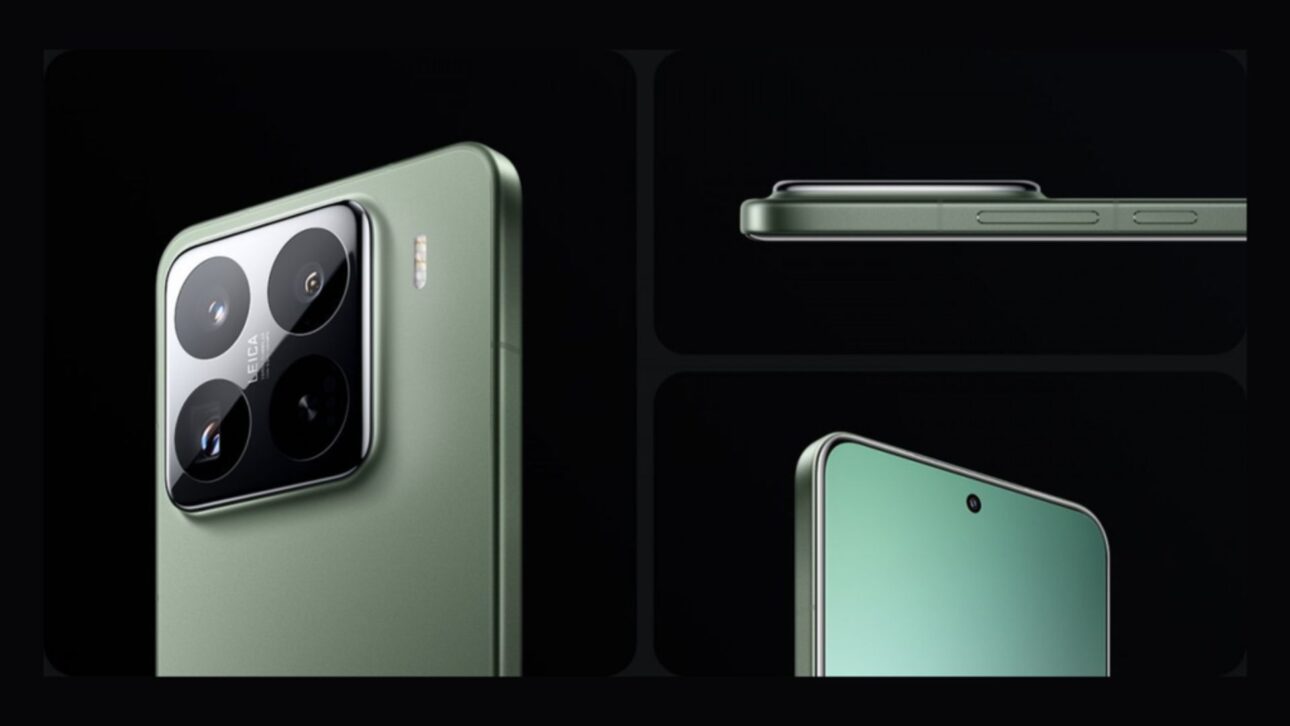
Xiaomi 16 in Testing with the Sensor, According to Leaks
Recurring sources from the mobile market, such as the Digital Chat Station profile, indicate that Xiaomi is testing the OV50X for use as the main camera in the Xiaomi 16 line.
The reports mention a 1-inch format, 50 MP, and 1.6 µm — the same technical package disclosed by OmniVision — but without official confirmation from the Chinese manufacturer so far.
The mentioned possibility is adoption in at least one of the higher versions of the family.
As for the timeline, specialized publications indicate that the Xiaomi 16 series may debut by the end of 2025, with significant changes to the camera setup and enhancements in algorithms developed in collaboration with Leica.
Although dates may vary by market, this release window coincides with the plan for mass production of the OV50X in Q3 2025, as reported by OmniVision itself.
Next-Gen Chipset and Calendar Alignment
For the processor, the ecosystem of rumors mentions the second generation of Qualcomm’s top-of-the-line platform under the name Snapdragon 8 Elite 2, expected to equip the main flagships of the second half of the year.
Industry expectations are that the Xiaomi 16 series will be among the first to adopt the new chip, depending on Qualcomm’s announcement pace and supply chain logistics.
However, this is still nomenclature and deadlines associated with leaks, without official confirmation from the company.
Where the Sensor is Made and Who is Behind It
OmniVision is currently part of the Will Semiconductor Group (OmniVision Group), a publicly traded company based in Shanghai.
The company operates in a “fabless” model, with foundry and packaging partners such as TSMC, VisEra, Xintec, KYEC, and ASE, and maintains manufacturing and testing facilities in Shanghai.
The exact distribution of manufacturing by product is not publicly detailed; therefore, there is no specific confirmation of where the OV50X is produced.
What to Look for in the Coming Months
With the start of large-scale production in the third quarter, it is expected that the first smartphones equipped with the OV50X will begin to appear as early as 2025, depending on each manufacturer’s cycle.
Only with commercial units in hand will it be possible to assess the final execution — from optical integration to image processing — and verify if the announced dynamic range translates, in fact, into consistent gains in daily use.
Meanwhile, those who follow mobile photography should monitor three aspects: the confirmation of the use of the OV50X in specific models, the software adjustments made by each brand regarding the image pipeline, and the performance of focus by QPD in low light scenarios.








Seja o primeiro a reagir!