





 Portuguese
  English
  Spanish
  5 min of reading
  0 comments


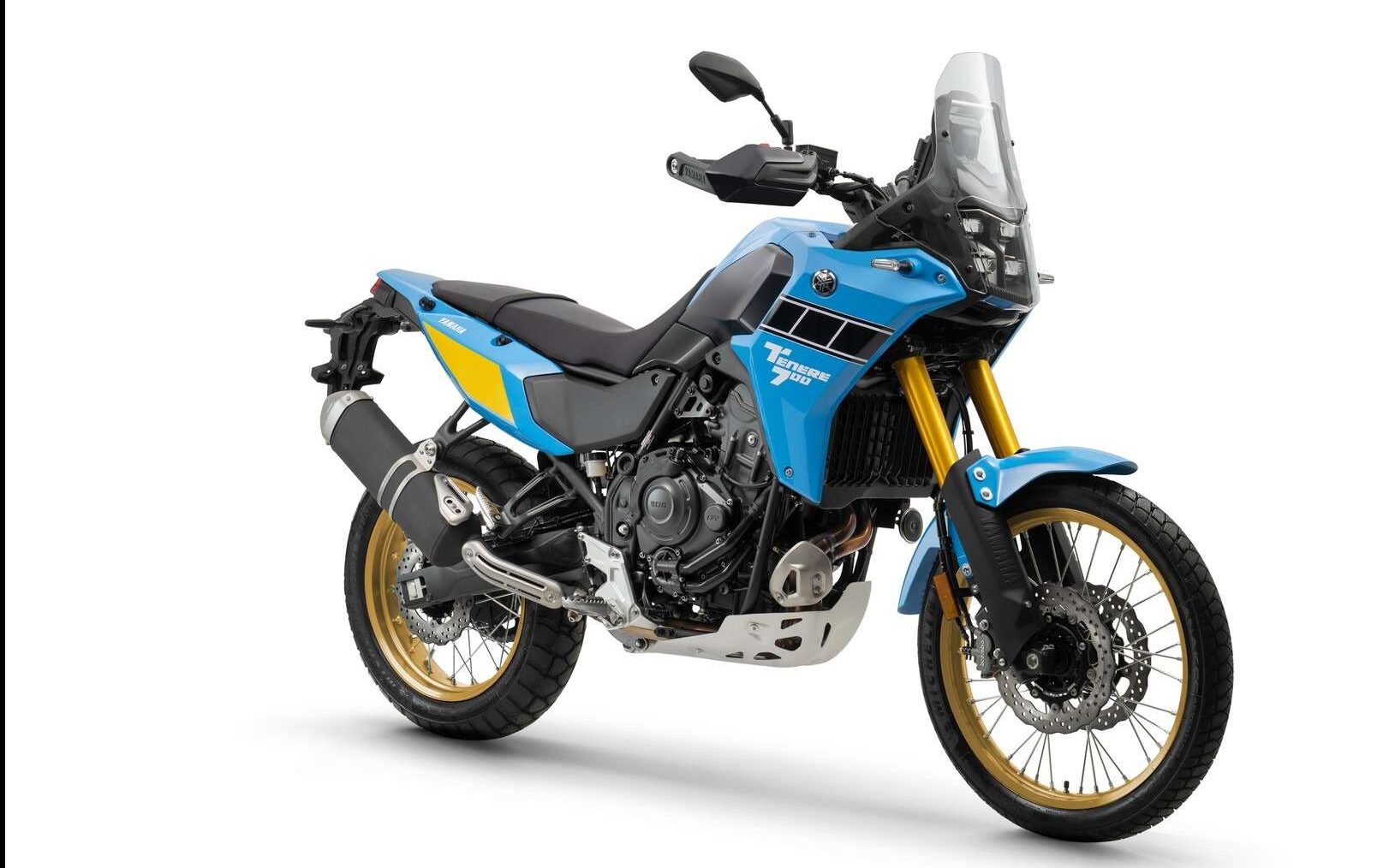
With a 6.3″ TFT Display and Bluetooth Connectivity, the New Ténéré 700 Bets on Technology and Efficiency to Regain Its Prestige in Brazil.
Yamaha decided to make a bold move in 2025 with the return of the legendary Ténéré 700 to the Brazilian market. With an expected arrival in dealerships in October and a price of R$ 72,990, the big trail returns to the country with an ambitious promise: to combine robustness and adventurous spirit with a surprisingly contained fuel consumption of 19.2 km/l.
In a segment dominated by large, heavy motorcycles that are thirsty for fuel, this number stands out and becomes one of the main assets of the bike to attract travelers and off-road enthusiasts.
Efficiency That Impresses in a Big Trail
During tests, the Ténéré 700 achieved an average of 19.2 km/l even in conditions that combined highways, dirt roads, and low-traction sections. For a motorcycle with 689 cm³ and 68.9 hp, this energy efficiency is surprising.
-
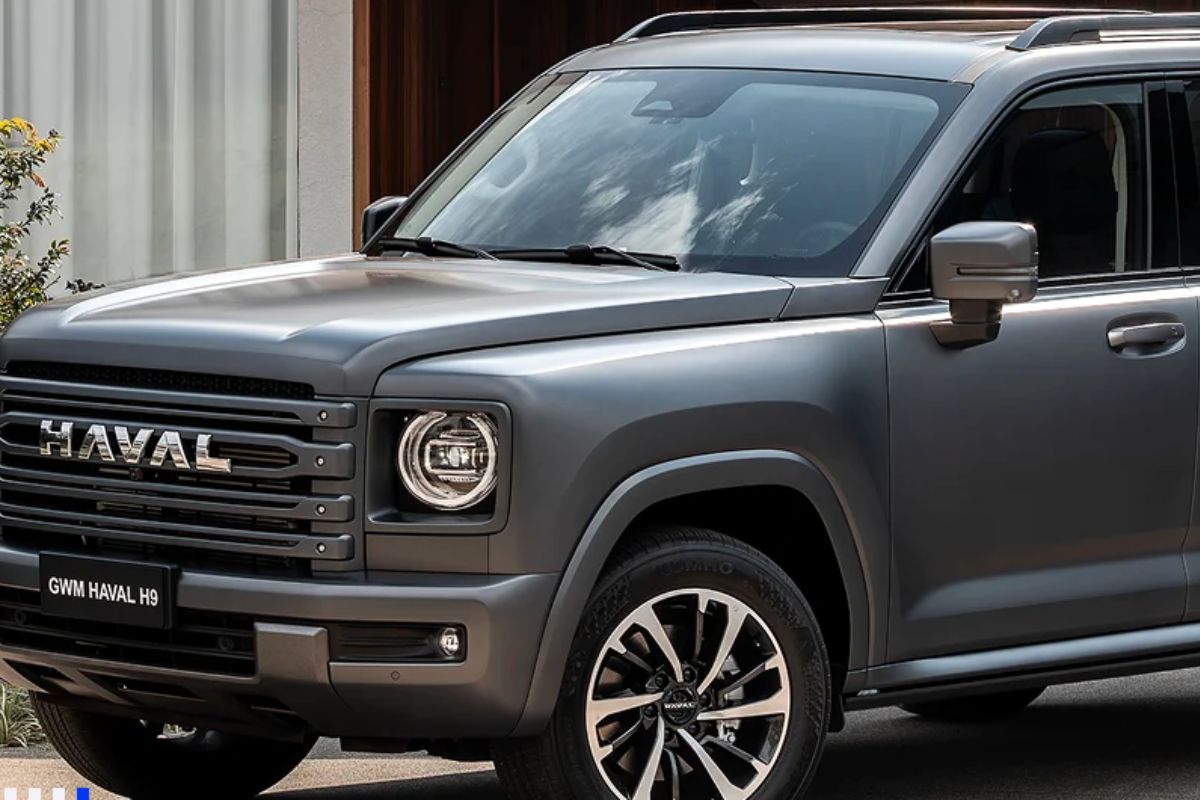
With a price almost R$ 100 thousand lower, the Haval H9 surpasses the SW4 for the first time in March, but Toyota still leads in the accumulated total for 2026; the Chinese SUV bets on technology and premium finishing to compete at the top.
-
6 used cars that cost less than a new Honda CG 160 Titan and still provide trunk space, four seats, and comfort that many new motorcycles cannot offer.
-
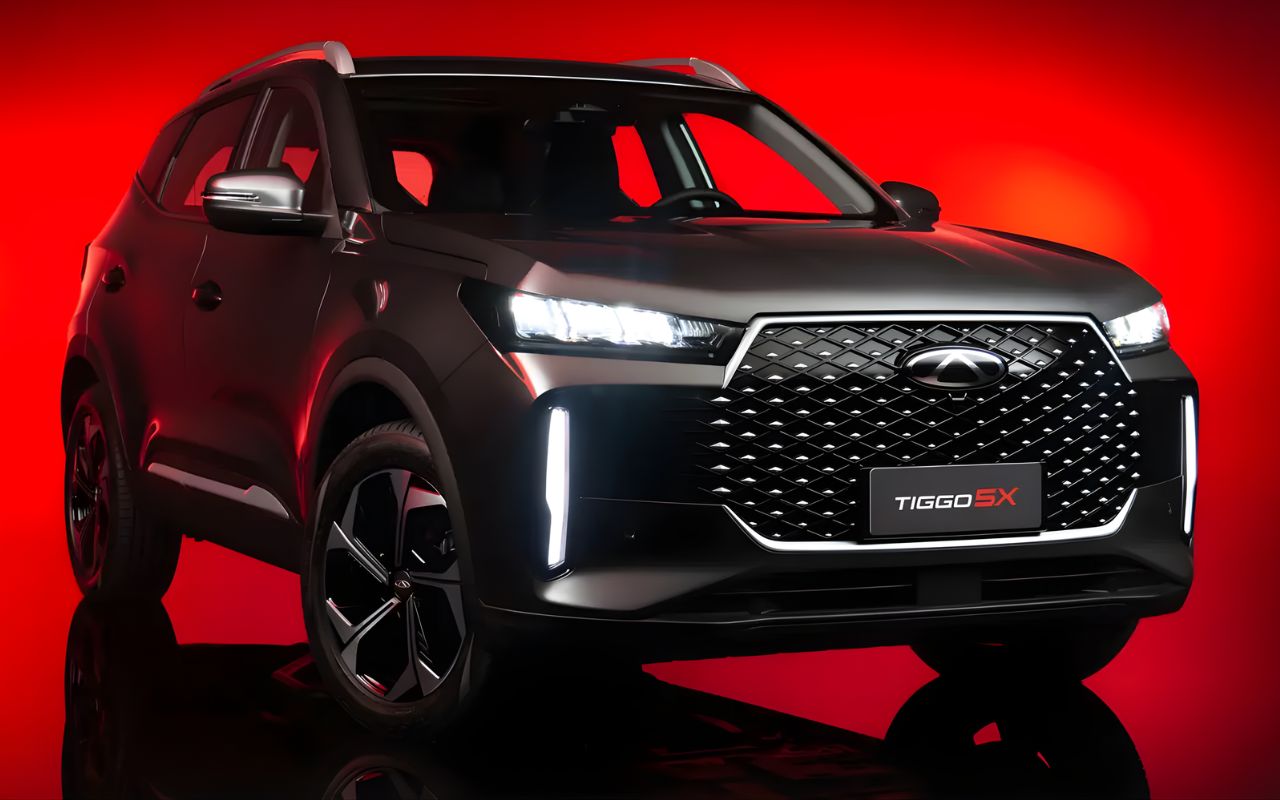
Caoa Chery Tiggo 5X skyrockets in sales in Brazil: a 2,318% increase and waiting lists of up to 4 months to acquire the model.
-
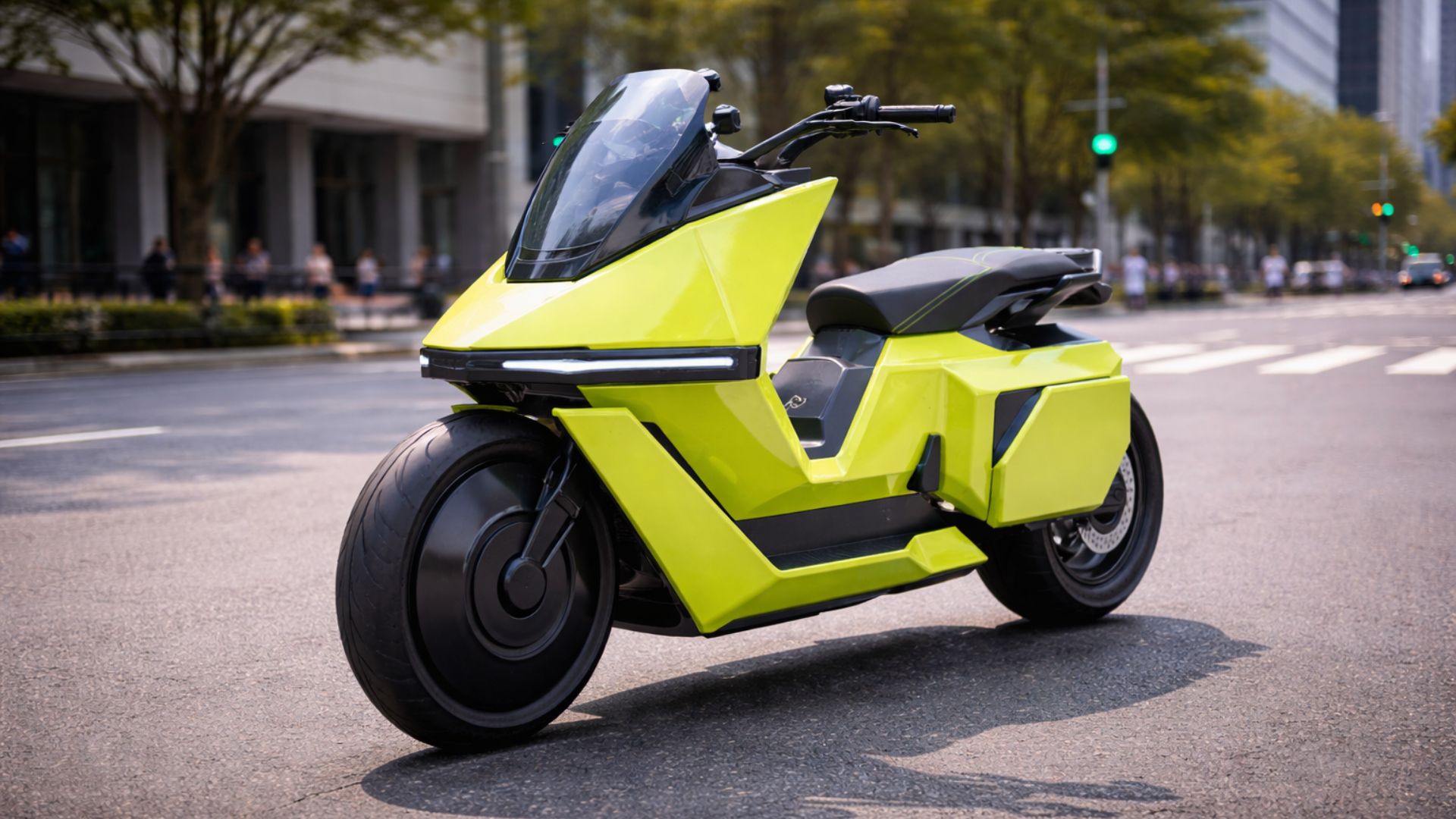
Goodbye falls: Singaporean company Omoway begins production of a motorcycle that doesn’t fall and surprises the market by offering automatic balance technology that reduces accidents and transforms the urban riding experience.

Typically, models in this category show more modest averages, especially when taken to rough terrains and higher RPMs.
This good autonomy gives the Ténéré an advantage for long trips, where each stop for refueling represents extra time and cost. Additionally, this consumption reinforces the bike’s proposal as the ideal partner for extensive routes, crossing cities, states, and even countries with less dependence on gas stations along the way.
It’s a point that particularly pleases adventurers, the target audience that usually prioritizes practicality and economy in expeditions.
Parallel-Twin Engine Shows Vigor at High RPMs
Despite the appeal of fuel efficiency, the Ténéré does not neglect performance. The parallel-twin engine, with 689 cm³, delivers 68.9 hp and 6.6 kgfm of torque.
These numbers fall short of the European version, which offers 4.1 hp and 0.4 kgfm more, but still ensure firm responses during acceleration and overtaking—especially above 6,500 RPM, a range where the engine reveals all its vigor.
At lower RPMs, there is a certain sluggishness in response, something common in mid-size trails, as air travels a longer path to reach the combustion chamber. However, once past this phase, the delivery of power is smooth and constant.
The six-speed transmission has efficient ratios and works in harmony with the engine: at 120 km/h in sixth gear, the revs stabilize at 5,000 RPM, favoring comfort and helping to keep consumption contained during cruising.
Another significant advancement is the parallel configuration. The previous generation, discontinued in 2018, used a single-cylinder engine and suffered from vibrations at high speeds.
Now, the mechanical smoothness improves the experience and reduces fatigue on long trips, bringing the Ténéré closer to the refinement standard of larger rivals.
Comfort and Ergonomics Still Generate Debate
While the fuel economy and engine smoothness are exciting, comfort remains a divisive topic. The seat is nearly 90 cm off the ground, which intimidates beginner riders and makes low-speed maneuvers difficult. In Europe, there is a version with a seat 2 cm lower, but in Brazil, Yamaha will offer only the standard configuration, without height adjustments.
Additionally, the seat could be softer. For the rider, the rigid foam takes a toll on long journeys. For the passenger, the problem is even greater: the rear section of the seat is narrower and thinner, causing prolonged discomfort.
This combination of height and excessive firmness might turn away some of the audience looking for a comfortable big trail for road touring.
However, the ergonomics in motion are pleasing. The upright riding position, wide handlebars, and 21-inch front wheel make controlling uneven surfaces easier, reinforcing the model’s off-road vocation.
In contrast, the width of about 20 cm more than an urban motorcycle like the Honda CG 160 makes it unfeasible to navigate through urban traffic. The Ténéré was made for open roads and trails—not for daily life in congested cities.
Technology and Safety for Long Trips
In the electronic package, the Ténéré 700 features a vertically positioned 6.3-inch color TFT display with two display modes (Street and Adventure).
It shows all the bike’s functions and allows connection with a smartphone via Bluetooth to answer calls, listen to music, and access the onboard computer with a button on the left handlebar.
A USB-C port on the right side complements the setup and helps charge devices during trips.
Safety also receives special attention. The ABS brakes can be configured in three modes: fully activated, off only at the rear wheel, or deactivated on both wheels—a useful feature for those tackling off-road sections, where direct rider control is preferred.
LED lighting with four projectors enhances visibility on dark roads and reinforces the adventurous look. Yamaha also offers a four-year warranty for the model, a differential in the segment.
High Price and Heavy Rivals
Despite the positive points, the price of R$ 72,990 places the Ténéré in a delicate position. The BMW F 800 GS, with 87 hp and 9.1 kgfm, costs R$ 69,990 and delivers superior performance.
Meanwhile, the Moto Morini X-Cape appears as a much cheaper option: the top version costs R$ 52,990 and the entry version R$ 47,990, although with less power and torque. This difference of up to R$ 25,000 could decisively influence many consumers’ choices.
A Balanced and Efficient Big Trail
In the end, the Ténéré 700 shows that it doesn’t want to be the strongest or the most luxurious—it wants to be the most balanced. And the average fuel consumption of 19.2 km/l reinforces this proposal, offering autonomy without sacrificing robustness and the joy of riding.
There are still areas to improve, such as the seat and the price, but the bike proves it has the stamina to revive the legacy of the line in Brazil and compete for space among the most desired mid-range big trails in the market.





-

Uma pessoa reagiu a isso.