





 Portuguese
  English
  Spanish
  4 min of reading
  49 comments


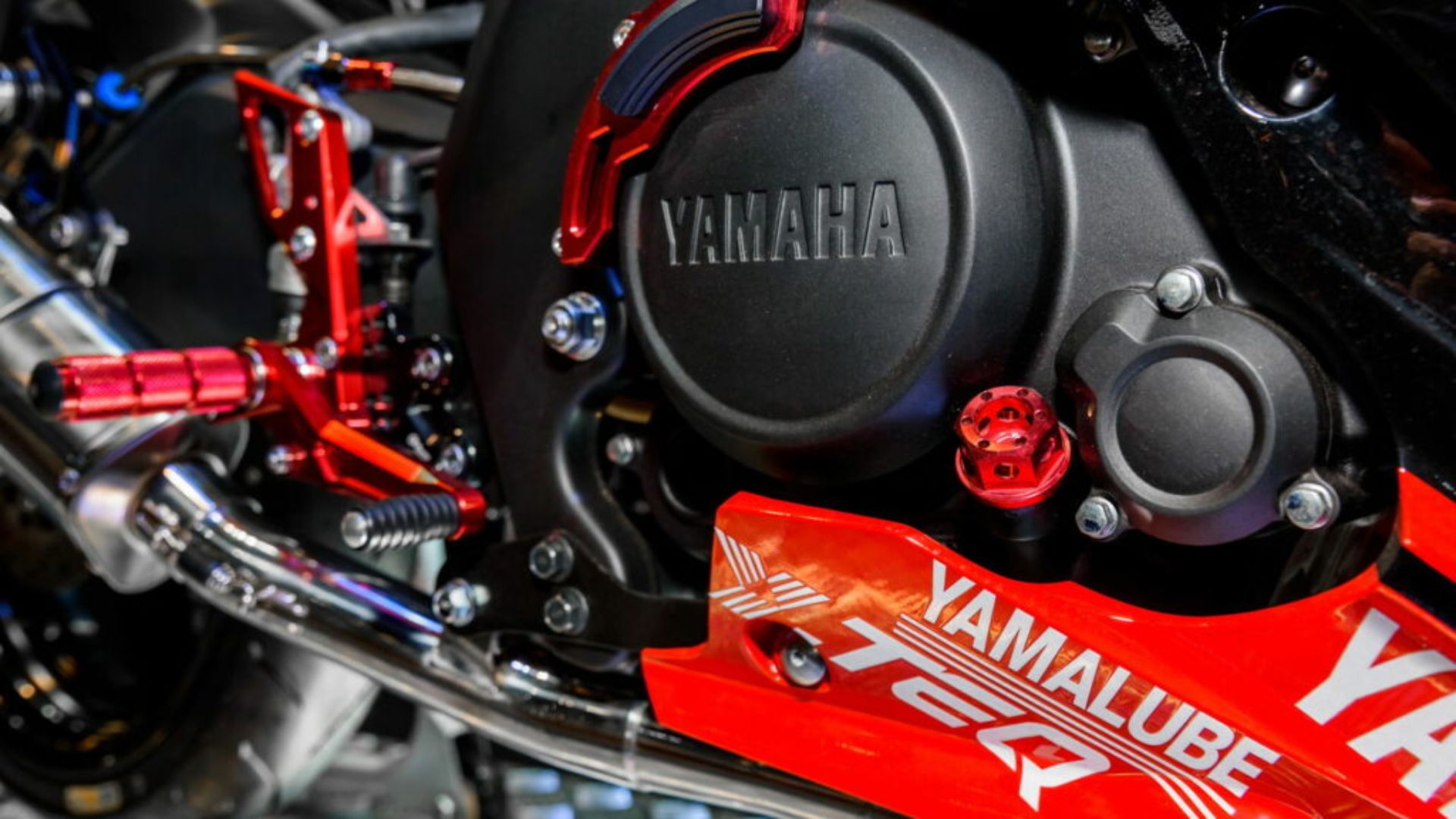


Icon of the 80s Returns to Brazilian Streets with Retro Visuals, Updated Technology, and a Promise to Attract Collectors and New Fans of Low-Displacement Motorcycles. Relaunch Shakes Up the National Market and Recalls Marking Memories.
Yamaha surprised the Brazilian market by officially announcing the relaunch of the legendary RX 180, a motorcycle that marked the 1980s and 1990s and won over different generations of motorcyclists in Brazil.
Maintaining the classic design that made it iconic, the new RX 180 arrives completely updated, now equipped with disc brakes, electronic fuel injection, and a digital dashboard, demonstrating the manufacturer’s commitment to combining tradition and innovation in the popular motorcycle segment.
The return of the RX 180 represents not only a commercial strategy but also a tribute to Yamaha’s history in the country.
-
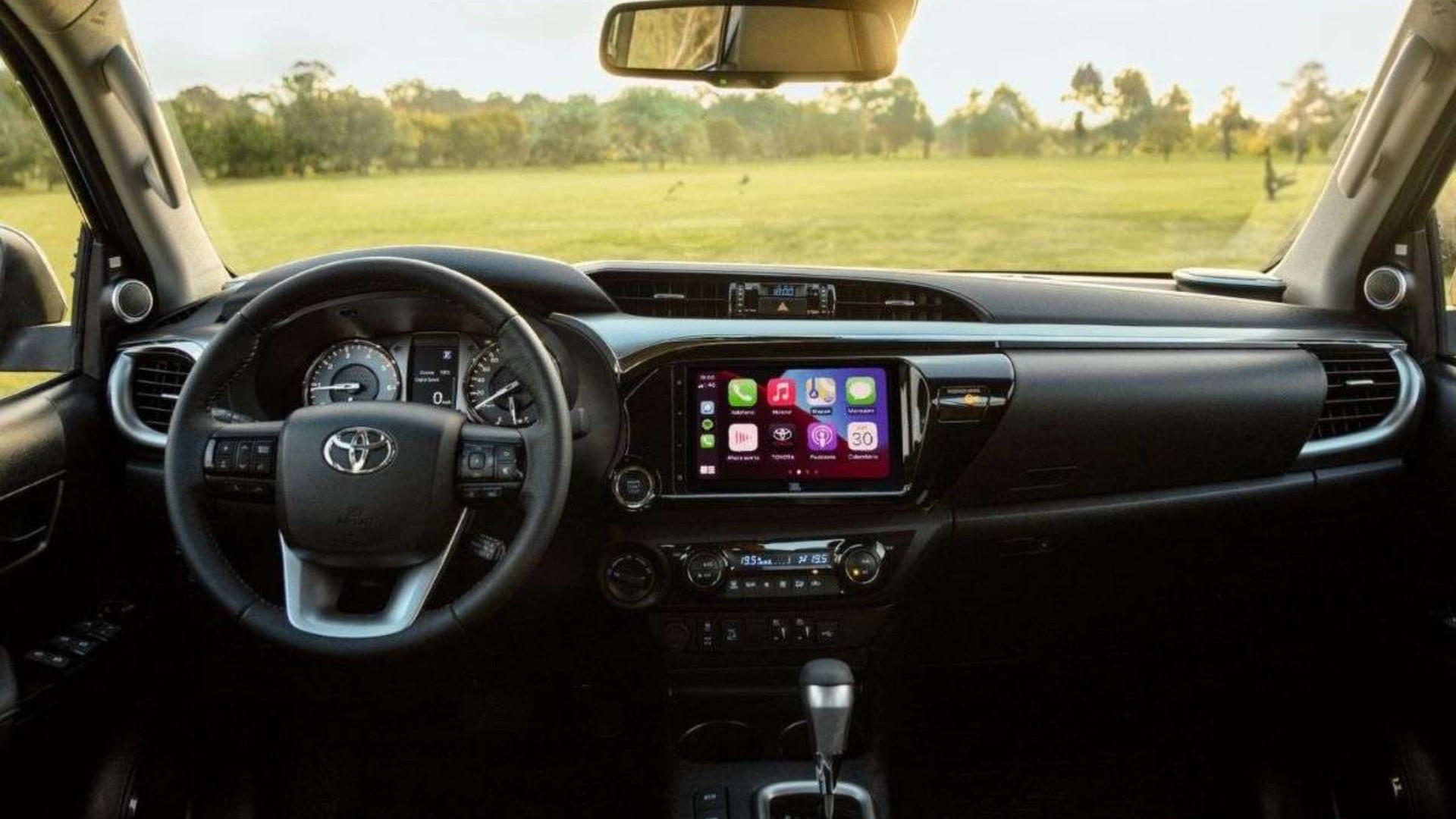
The Toyota Hilux is R$ 75.5 thousand cheaper and bets on the 2.8 turbodiesel engine with up to 204 hp and 50.9 kgfm to catch up with the VW Saveiro, which leads with 4,472 sales.
-
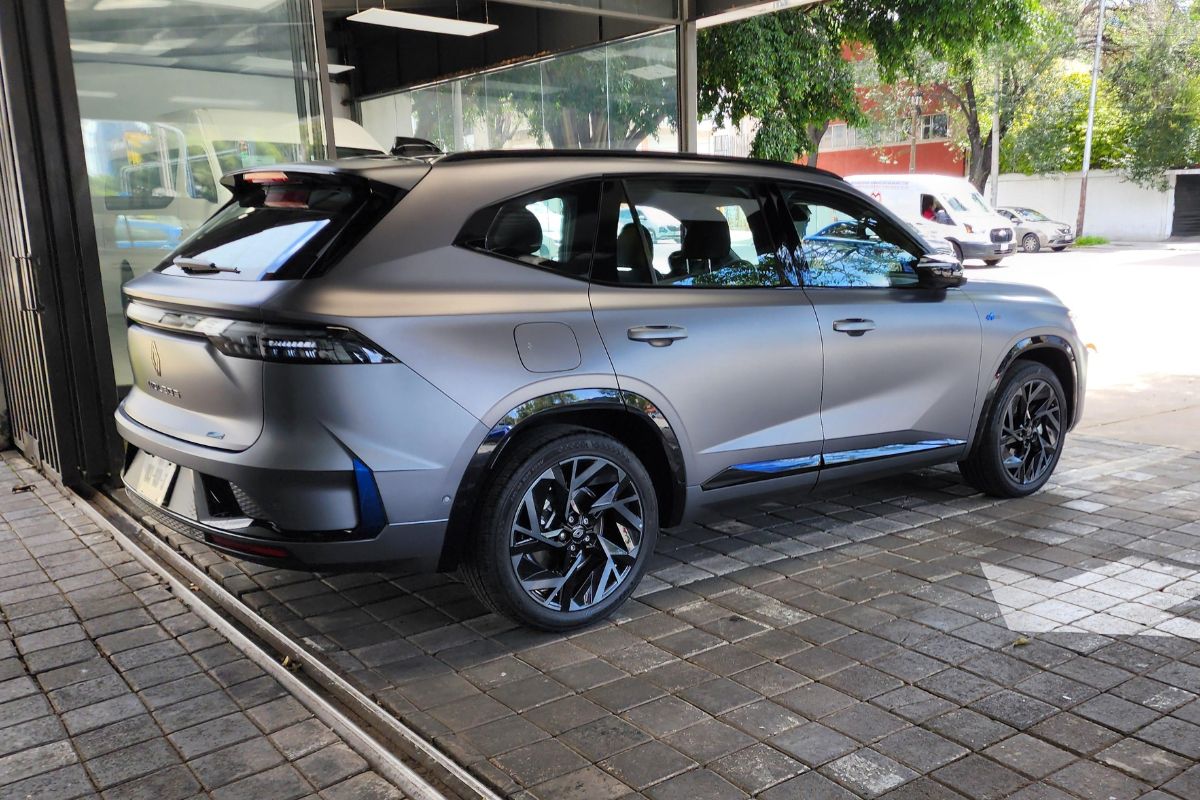
The new Renault Koleos has a screen exclusively for the passenger that is invisible to the driver, heated rear seats, and 29 assistance systems, but its Chinese competitors cost R$ 40,000 less and deliver more power.
-
The car stored for 38 years: when opening the barn door, what appears is breathtaking and looks like a scene from a movie!

-
Fiat works miracles in the Brazilian market, lowers the price of its 0 km hatch to R$ 69,990, reestablishes the model as the cheapest car in the country, and reignites the battle against Kwid and C3.
The model, which was responsible for popularizing mobility on two wheels in urban centers and rural areas, returns with important technological updates to cater to both nostalgic consumers and the new generation of retro enthusiasts.
With the return of this classic, the manufacturer reinforces its presence in an increasingly attentive market to the combination of performance, safety, and aesthetic appeal.
Why the RX 180 Made History in Brazil
Originally launched in 1981, the RX 180 quickly became a reference among low-displacement motorcycles.
At the time, it stood out for its 180cc two-stroke engine, which delivered vigorous performance combined with lightness and agility on Brazilian streets and roads.
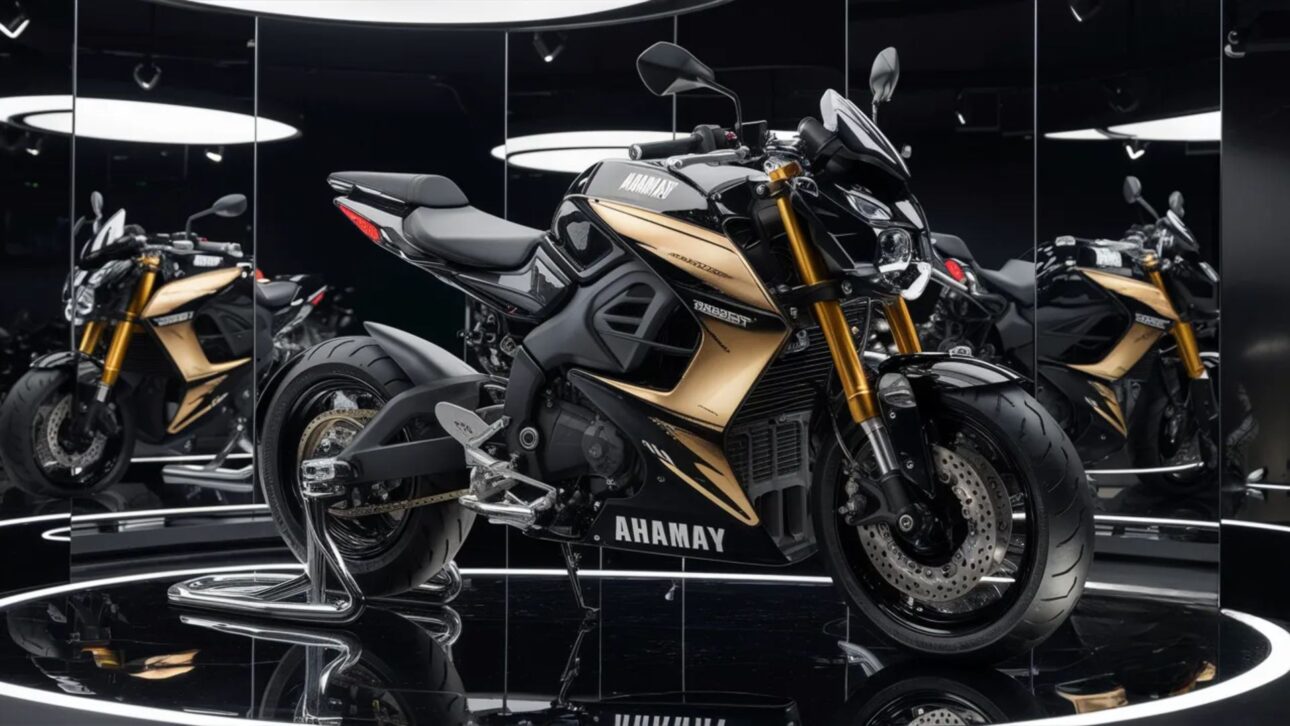
The affordable price, combined with low maintenance costs, allowed the model to be adopted by students, urban workers, small business owners, and even amateur competitors.
Moreover, the distinctive sound of the engine, combined with the rounded tank and chrome details, created an immediate identification with the audience.
Many Brazilian families used the RX 180 in their daily lives, transforming it into a symbol of freedom, practicality, and emotional connection.
The robust chassis was also a differentiator, allowing versatility in different usage conditions, from asphalt to dirt roads and unpaved paths.
Technological Innovations of the New RX 180
After more than thirty years out of dealerships, the new RX 180 arrives fully adapted to current safety and environmental regulations.
Among the main innovations, the motorcycle now features disc brakes on both wheels, providing more efficient and safer braking in different riding conditions.
The adoption of electronic fuel injection in the fuel system, replacing the traditional carburetor, represents a significant reduction in fuel consumption and emissions, aligning the model with Brazilian and international environmental standards.
The instrument panel has also been modernized, incorporating digital technology without losing its retro charm.
The motorcyclist can now track information such as speedometer, gear indicator, fuel level, odometer, and even real-time fault diagnostics.
Other improvements include reinforced suspension, LED lighting, and a more ergonomic seat, making riding more comfortable even on long trips.
With these changes, the Yamaha RX 180 reinforces its proposal to unite the past and the future, appealing to both collectors and users seeking practicality in their daily lives.
Impact of the Return to the Motorcycle Market
The reissue of the RX 180 generated significant movement among dealerships and groups of enthusiasts for vintage motorcycles.
Since the announcement of the relaunch, waiting lines for early reservations have been reported in several cities in Brazil, according to a sector survey conducted in July 2025.
Yamaha is betting on strategies such as limited editions, exclusive giveaways for the first buyers, and promotional actions at fairs and themed events.
Industry experts believe that the return of the model will heat up the low-displacement motorcycle segment and stimulate competition, leading other brands to revisit classics in their lines and invest in modern reinterpretations.
Furthermore, the renewed interest in motorcycles with classic looks boosts the restoration and customization market, which generates millions of reais annually in Brazil.
The launch also intensifies debates about urban mobility, sustainability, and the preservation of the emotional memory of vehicles that have made history in the country.






Se é jm ressuscitamento, os traços do visual original deveriam permanecer… isso aí pra mim é re-estilizacão… repaginação….
Seguramente a PIOR MOTO que tive o desprazer de guiar. O câmbio era uma desgraç@ e raramente a marcha entrava. O motor era muito ruim, esquentando e parando a mota depois de curto percurso. Viajar nem pensar. No ainda mais fechado Brasil de 1980, com importações proibidas, acreditem, esta era a 2ª maior cilindrada do país, perdendo apenas para a péssim@ CB 400 da Honda, ícone do mercado **** de antanho.
Sua irmã DT 180 vendia muito mais que ela e tinha os mesmos problemas. Enfim, Yamahas 2 tempos, caríssimas como tudo aqui sempre foi caro e péssimos produtos. As unicas yamahas que prestar@m naqueles tempos eram os midelos antigos importados e as que eram fabricadas lá fora. Mais tarde teve aqui a 600 cc 4 tempos que foi ótima mota.
Mota???? Tive uma DT 180 terceira colocada num rally de motos nos anos 1980.
O cara falou certo! MOTA! No feminino é Mota, no masculino moto!!!
😂😂😂😂😂😂
A gente fala mota como fala komba, Ramon. Pura giria para sac@near português. Vc ganhou 3⁰ lugar competindo com outras bost@s e não com YZs, Hondas, Suzukis e Kawas da época. Prestatenção no texto.
Seguramente a PIOR MOTO que tive o desprazer de guiar. O câmbio era uma desgraç@ e raramente a marcha entrava. O motor era muito ruim, esquentando e parando a mota depois de curto percurso. Viajar nem pensar. No ainda mais fechado Brasil de 1980, com importações proibidas, acreditem, esta era a 2ª maior cilindrada do país, perdendo apenas para a péssima CB 400 da Honda, ícone do mercado **** de antanho.
Sua irmã DT 180 vendia muito mais que ela e tinha os mesmos problemas. Enfim, Yamahas 2 tempos, caríssimas como tudo aqui sempre foi caro e péssimos produtos. As unicas yamahas que prestaram naqueles tempos eram os midelos antigos importados e as que eram fabricadas lá fora. Mais tarde teve aqui a 600 cc 4 tempos que foi ótima mota.