





 Portuguese
  English
  Spanish
  5 min of reading
  0 comments


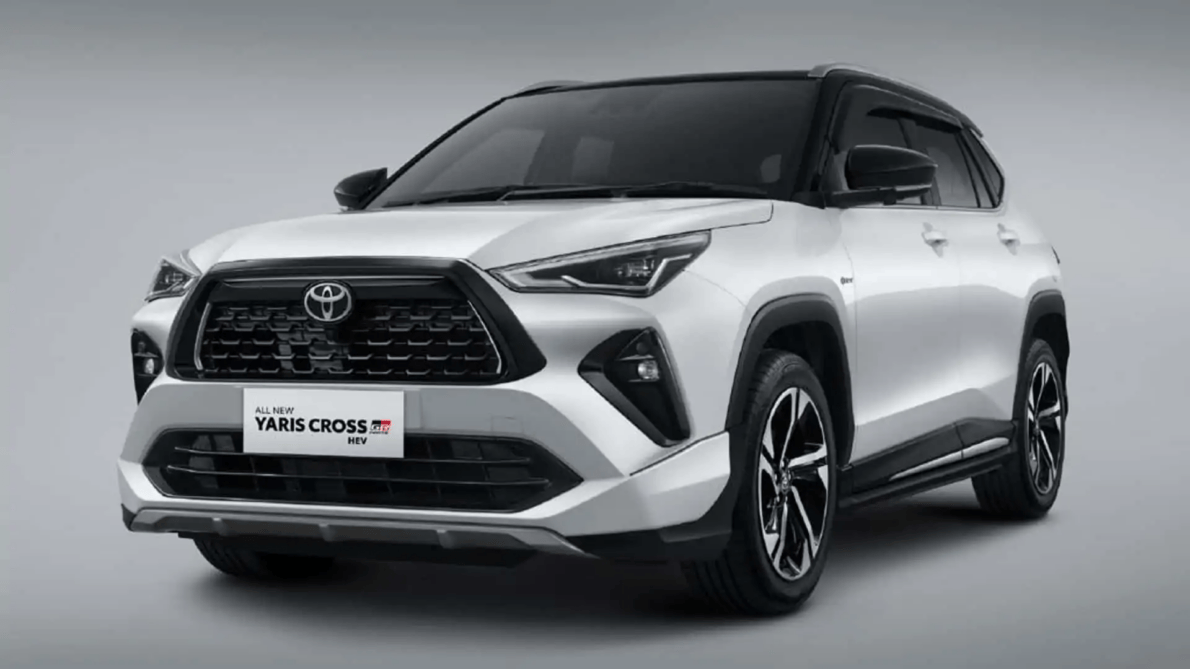
Toyota Yaris Cross Hybrid Arrived to Surprise with Innovation and Economy. See How the New SUV Can Transform the Brazilian Market and the Standards of the Segment.
The Toyota Yaris Cross Hybrid is about to debut in the Brazilian market with the promise of redefining the compact SUV segment.
Expected to arrive at dealerships in 2025, the new model from the Japanese automaker stands out for its highly efficient fuel consumption, modern design, and competitive price, making it one of the most attractive options for those seeking economy, technology, and sustainability.
With an estimated range of up to 32 km/l, the Yaris Cross can easily surpass rivals such as the Volkswagen T-Cross and the Hyundai Creta.
-
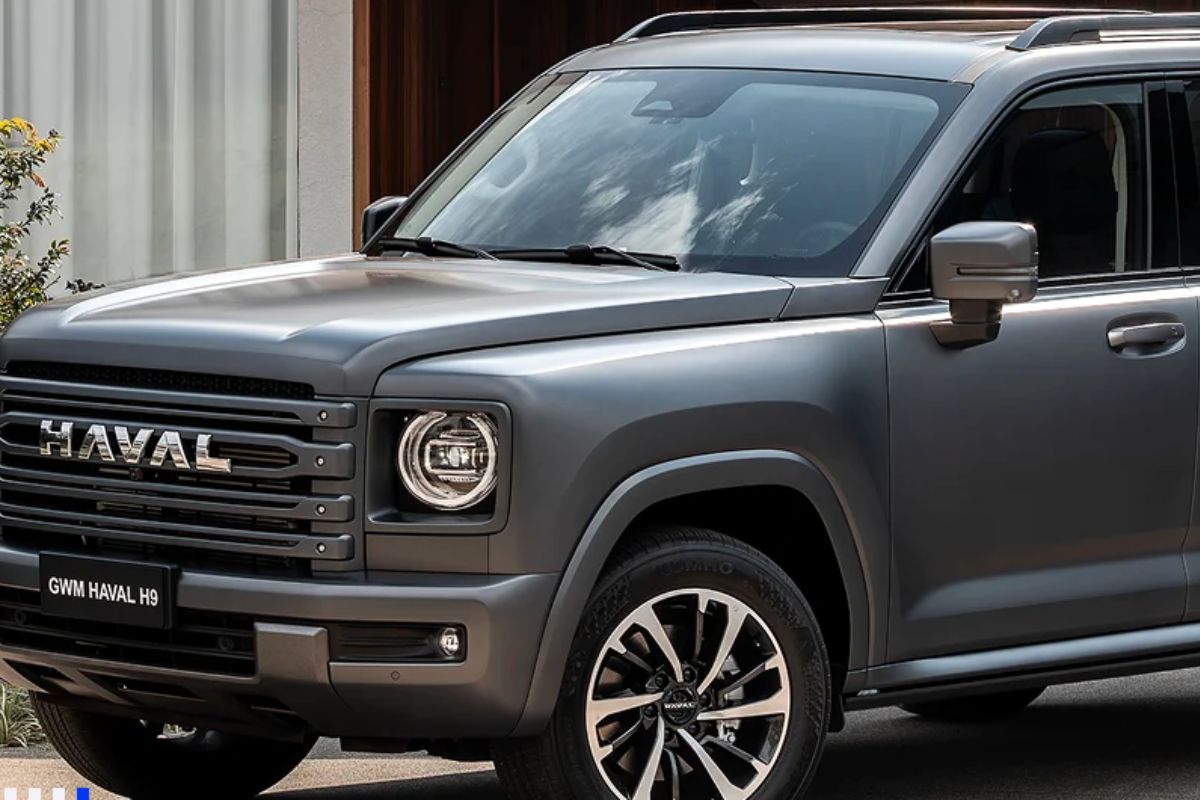
With a price almost R$ 100 thousand lower, the Haval H9 surpasses the SW4 for the first time in March, but Toyota still leads in the accumulated total for 2026; the Chinese SUV bets on technology and premium finishing to compete at the top.
-
6 used cars that cost less than a new Honda CG 160 Titan and still provide trunk space, four seats, and comfort that many new motorcycles cannot offer.
-
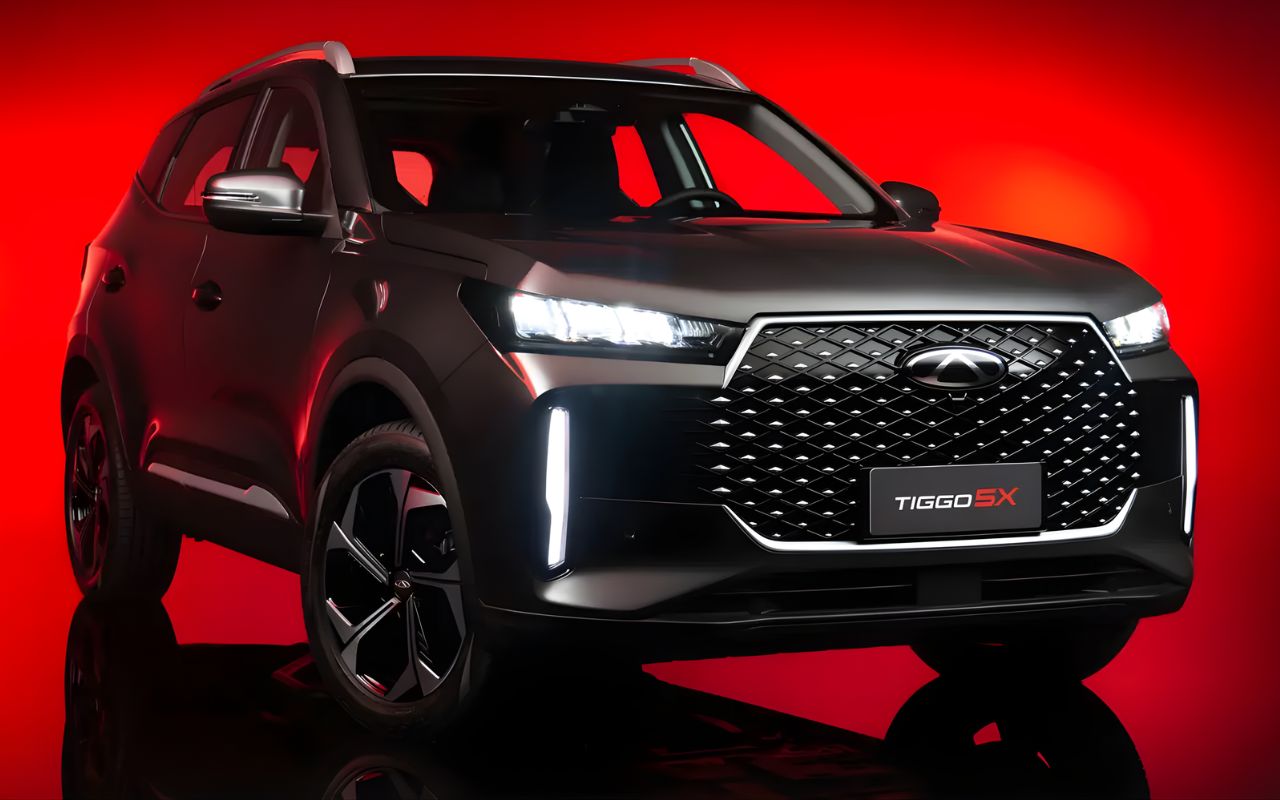
Caoa Chery Tiggo 5X skyrockets in sales in Brazil: a 2,318% increase and waiting lists of up to 4 months to acquire the model.
-
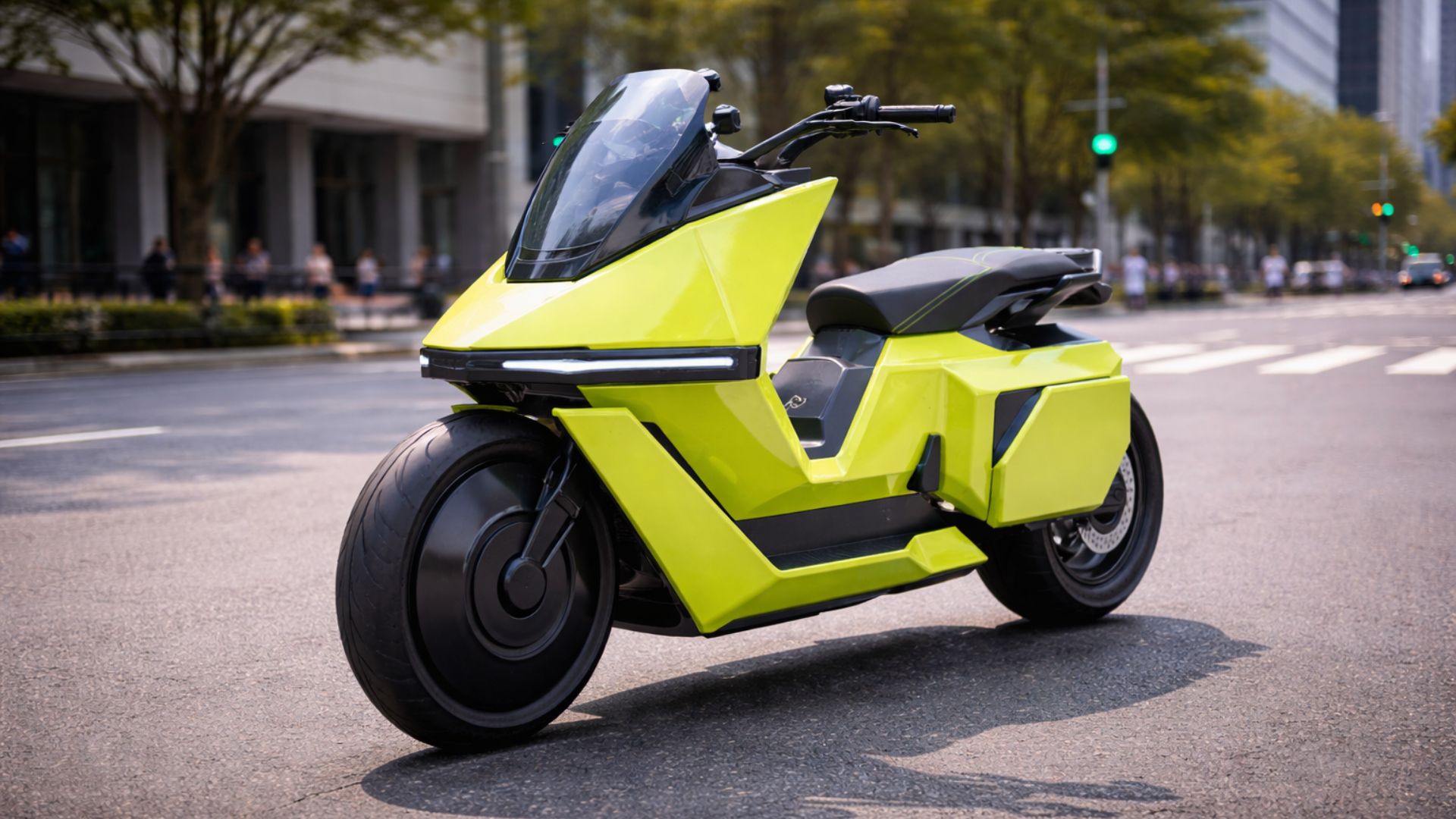
Goodbye falls: Singaporean company Omoway begins production of a motorcycle that doesn’t fall and surprises the market by offering automatic balance technology that reduces accidents and transforms the urban riding experience.

Toyota bets on the strength of its established hybrid technology to conquer an audience that values innovation with environmental responsibility.
The model, which will arrive with an initial price of around R$ 130,000, was developed to offer the best cost-benefit in its category, combining performance, comfort, and low emissions.
Efficient Engine and Focus on Sustainability
The Toyota Yaris Cross Hybrid combines two engines: one combustion and one electric, offering a driving experience that combines power with economy.
The combustion engine, a 1.5-liter naturally aspirated, delivers 91 horsepower with 12.3 kgfm of torque.
The electric motor contributes 80 horsepower and 14.4 kgfm of torque.
The combined power reaches 113 horsepower, enough for a safe and agile drive in urban traffic and on road trips.
This powertrain operates based on full hybrid technology, which allows the vehicle to run solely on electricity in certain situations, such as at reduced speeds or when stopped.
In addition to fuel savings, Toyota’s hybrid technology is known for its durability and low maintenance, adding even more value to the Yaris Cross.

Comparison with the Main Competitors
The compact SUV market in Brazil is competitive, and the Yaris Cross arrives to intensify this competition with solid arguments.
The average consumption of 32 km/l is one of the most talked-about highlights, especially when compared to the 11 to 12 km/l recorded by rivals like the Volkswagen T-Cross and the Hyundai Creta, both with exclusively combustion engines.
Additionally, while these models start at similar prices, the Yaris Cross stands out for its hybrid technology without charging a significantly higher price, which is uncommon in the segment.
This represents an advantage for those looking for a more economical vehicle without needing to move into higher price ranges.
Another point to consider is the cost of ownership. Hybrid models, although more expensive to acquire in some cases, tend to have lower fuel and maintenance costs over the years.
Not to mention the benefits of lower depreciation and tax incentives in some regions of Brazil.
Modern Style and Technological Interior
The design of the Yaris Cross is developed to appeal to an audience seeking visual sophistication without sacrificing practicality.
With striking lines, a robust front grille, sharp headlights, and a raised rear, the SUV has a sporty and elegant look.
The elevated body and compact shape maintain the urban versatility of the model while offering the presence of a sports utility vehicle.
Inside, the model features a high-definition digital dashboard, a multimedia system compatible with Android Auto and Apple CarPlay, digital air conditioning, as well as seats with premium finishing and ample interior space, even for rear-seat passengers.
The trunk, estimated to have a capacity of around 390 liters, meets everyday use and short trips well.
Among the expected technological features are driving aids such as automatic emergency braking, adaptive cruise control, lane change alert, and rearview camera. These items reinforce Toyota’s commitment to safety and innovation on the road.

A Model That Reflects the New Demands of the Consumer
The launch of the Yaris Cross in Brazil occurs at a time when the search for more sustainable vehicles is growing steadily.
With rising fuel prices and a heightened environmental awareness, consumers are increasingly attentive to the impact their vehicles have on the environment — and on their wallets.
According to data from the National Association of Automotive Vehicle Manufacturers (Anfavea), sales of hybrid and electric vehicles in Brazil grew by over 70% in 2024.
This trend strengthens the scenario for the arrival of new hybrid models, like the Yaris Cross, which offer the ideal combination of economy and performance.
Additionally, Toyota already has a positive track record with hybrid models in Brazil, such as the Corolla and Corolla Cross, both well-received in the national market.
The Japanese brand’s reputation for durability, technical assistance, and resale value is also a relevant differential for the Brazilian consumer.
Toyota Yaris Cross: The Future of Accessible Mobility?
By combining energy efficiency, cutting-edge technology, and a competitive price, the Yaris Cross Hybrid stands out as one of the most anticipated launches of 2025.
With its arrival, Toyota reaffirms its commitment to sustainable mobility and technological accessibility, offering the Brazilian consumer a new alternative within one of the most competitive market segments.
Although there is still no official date for the start of sales, the expectation is that the model will be presented to the Brazilian public in the second half of 2025, with pre-sales starting in the first half, according to industry sources.
The arrival of the Yaris Cross also signals that Brazil could become one of the strategic markets for compact hybrid vehicles, paving the way for new versions and models in the coming years.
Do you believe that Brazilian consumers are truly ready to adopt hybrid vehicles as the standard, or are price and infrastructure still difficult barriers to overcome? Comment below!






-

-

5 pessoas reagiram a isso.