





 Portuguese
  English
  Spanish
  5 min of reading
  0 comments


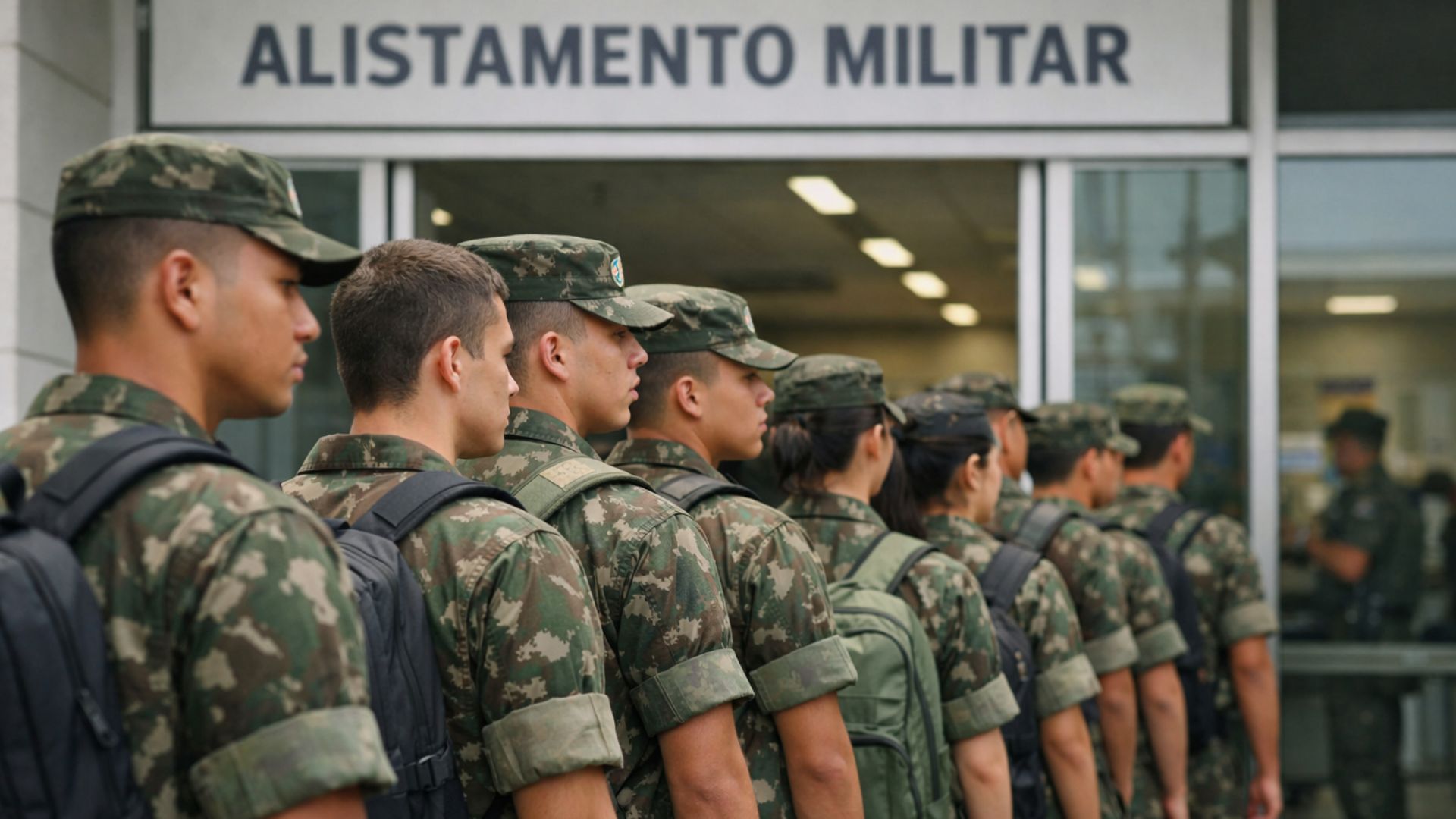
Pressure of youth unemployment, increase in military enlistments, and historic reduction of personnel place the British Armed Forces at the center of a strategy that mixes labor market, recruitment, and national security amid an increasingly challenging economic and geopolitical scenario.
The rise in youth unemployment in the UK has driven a growing demand for the Armed Forces, in a movement that occurs simultaneously with the historic reduction of military personnel and the government’s attempt to transform enlistment in response to the crisis in the labor market.
Recent data indicates that about 16% of Britons aged 16 to 24 are seeking employment, while nearly 1 million young people are neither studying nor working, a scenario that has coincided with a surge in applications to the Royal Navy, the Royal Air Force, and the Army.
This increase in enlistments occurs amid a continuous decline in the number of active military personnel, which is now at its lowest level in decades, pressuring authorities to review recruitment and retention strategies in a context of growing geopolitical demand.
-
Young wheelchair delivery person goes viral at 19 by making up to 6 deliveries a day within a 1 km radius, living alone in SC, starting on March 5, and receiving a tricycle that can multiply income.

-
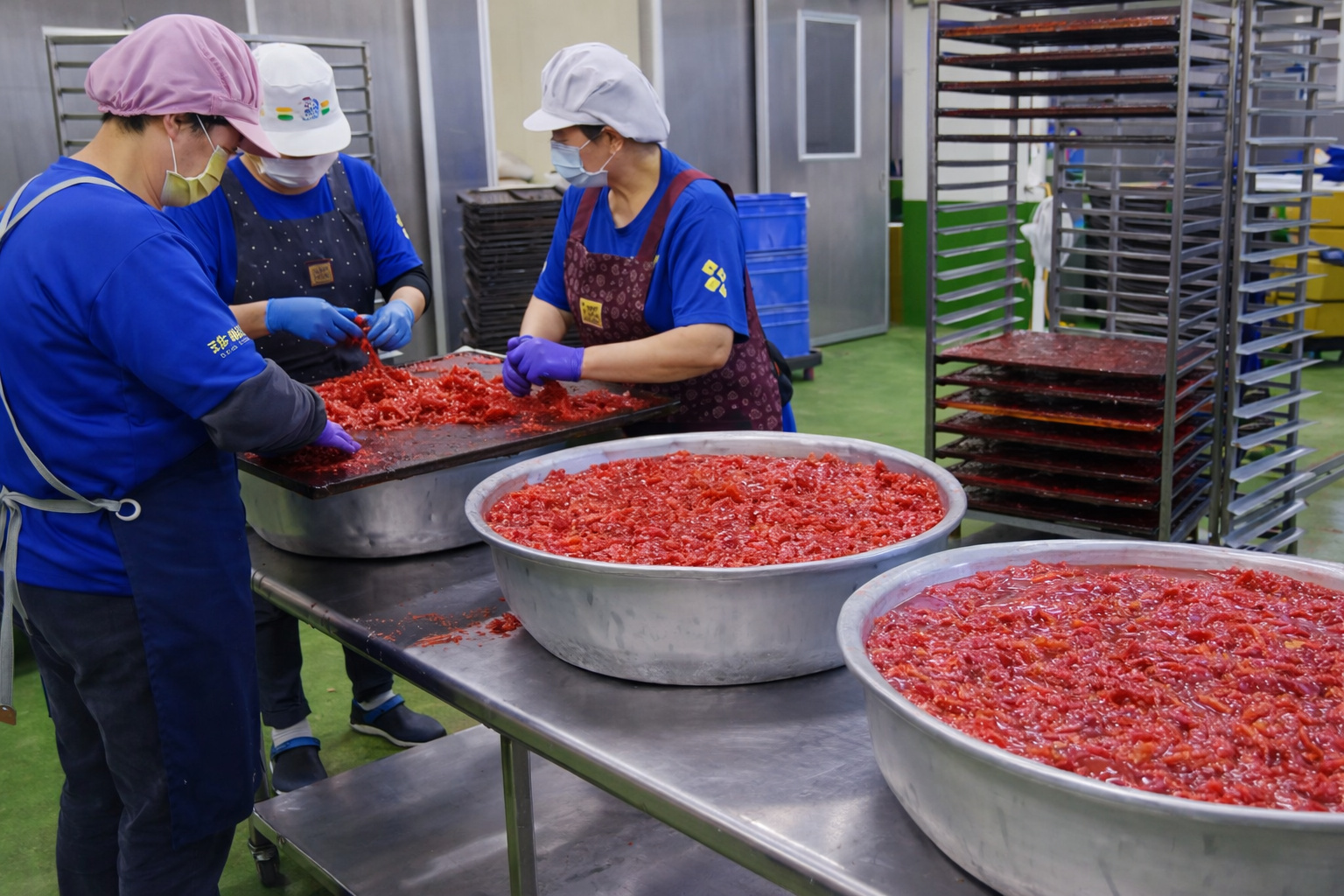
With a production of 3000 kg per day, a dried pork factory in Taiwan uses few machines, slow cooking, and manual labor to maintain quality standards in the food industry and flavors valued by consumers.
-
Cyclone Narelle swept through northern Australia with winds of 200 kilometers per hour, destroying crops, homes, and marine life, but what came next was even more surprising: an entire community took to the streets to help strangers.

-
Factory produces durable plastic chairs using plastic bags, transforming waste into long-lasting furniture, and the industrial process demonstrates efficiency and sustainability.

Youth unemployment in the UK drives military enlistment
The difficulty of entering the labor market has been pointed out as one of the main factors behind the change in behavior among British youth, especially after the prolonged impacts of the pandemic and structural transformations in the economy.
In a report released by the Ministry of Defence, a young person explained that they graduated from university during the health crisis, a period marked by hiring freezes and opportunities, which led them to seek entry into the Royal Marines as a professional alternative.
In addition to the scarcity of job openings, factors such as the automation of tasks by artificial intelligence and rising labor costs, including minimum wage and payroll taxes, have led employers to reduce entry-level hiring.
According to experts, the growing interest in the Armed Forces reflects a direct comparison between the conditions offered by military service and the limited options in the civilian market, especially for those seeking stability and initial progression.
Professor Hilary Ingham from Lancaster University assesses that youth recruitment tends to grow when the perceived benefits of enlistment outweigh the attractiveness of available alternatives outside the military environment.
UK Armed Forces shrink to lowest level in decades
While the number of candidates increases, the British military contingent continues to decline, with the Army reduced from over 110,000 regular soldiers in 1997 to just over 70,000 currently, the lowest level since the Napoleonic period.
The reduction also affects the Navy and the Air Force, albeit on a smaller scale, reflecting structural challenges related to personnel retention, working conditions, and changes in the profile of military careers over the past decades.
A recent report from the Defence sector pointed out that the personnel crisis is associated with factors such as low recruitment capacity, retention difficulties, unsatisfactory quality of accommodations, declining morale, and cultural obstacles within the institutions.
Despite this scenario, there have been recent signs of partial reversal, as the number of new entries has exceeded the number of exits for the first time since 2021, interrupting a trend of net losses that had prevailed since the late 1990s.
British government expands campaigns to attract youth
In light of the combination of high unemployment and military shortages, the British government has begun adopting more aggressive measures to promote careers in the Armed Forces, including campaigns targeted at regions with greater youth vulnerability.
One example is a pilot program in the West Midlands region, where military representatives operate in job centers to encourage applications, especially in areas with high dependence on unemployment-related benefits.
Another recent initiative includes the creation of a “gap year” model aimed at those under 25, offering training and military experience as a form of temporary professional insertion and development of practical skills.
At the same time, the Ministry of Defence has highlighted improvements in the conditions offered, such as salary adjustments above inflation and plans to modernize accommodations, seeking to make the career more competitive against the private sector.
Military recruitment gains weight amid geopolitical tensions
The strengthening of recruitment policies occurs at a time of increasing strategic demands on the UK, including the need to expand presence in the Arctic and respond to international tensions involving Russia and the Middle East.
Additionally, there are preparations related to possible future missions, such as sending troops to Ukraine in peace agreement scenarios, as well as operations to protect bases and allies against threats from drones and missiles.
In this context, the government has also broadened its scope by encouraging young people to enter the defense sector more broadly, including partnerships with universities and industries to fill gaps in digital and environmental areas.
Prime Minister Keir Starmer has advocated for greater integration between society and the military sector, highlighting the importance of strengthening both the front line and the supply chains and technological innovation associated with national defense.
Recruit profile shows rejuvenation of the troops
The latest data indicates a growing presence of young people in the military ranks, with over 26% of the regular force composed of individuals under 25 years old, a number higher than recorded before the pandemic.
Among newly admitted officers, about 75% are aged between 20 and 24, signaling a change in the age profile of the Armed Forces and reinforcing the trend of rejuvenation driven by the current economic context.
Still, the government projects a modest increase in the total number of troops, aiming to reach about 76,000 regular soldiers in the next legislative term, a level that remains below that observed in recent years.
The combination of greater youth interest and structural limitations indicates a transforming scenario, in which military service is becoming a more relevant professional alternative in light of the difficulties in the British labor market.








Seja o primeiro a reagir!