





 Portuguese
  English
  Spanish
  4 min of reading
  0 comments



Ads in the middle of videos on connected TVs return with the look of old TV, despite the promise of 30 seconds; users report 90-second blocks and the platform says it is investigating
The ads on YouTube in smart TVs have returned to scare those who thought long breaks were a thing of the past. Users have started seeing non-skippable ads of 90 seconds in the middle of videos that are about 40 minutes long, even after YouTube promised in March a limit of 30 seconds for this format.
The message behind the test is becoming increasingly clear. YouTube’s business model reinforces the logic “either you pay, or you will see more ads”, with no middle ground to choose shorter or less frequent breaks on connected TVs.
What changed in YouTube ads on smart TV
On March 2, YouTube announced the global launch of non-skippable 30-second ads for those watching on connected TVs. The justification is that more and more people are using YouTube in the living room, and advertisers want formats that resemble traditional television.
-
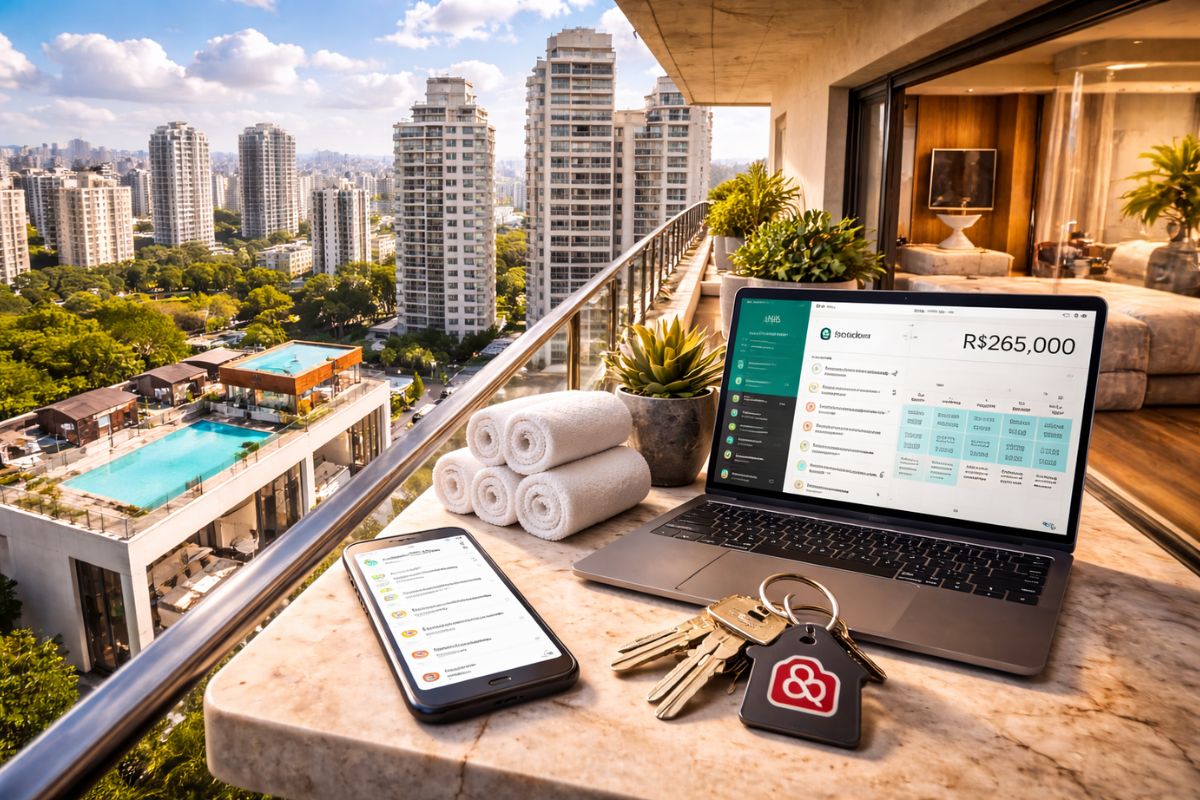
She is 30 years old and manages 60 apartments on Airbnb in Moema: she earns R$ 200 to 300 thousand per month, makes a studio yield R$ 6 thousand, and handles everything alone 24 hours a day.
-
I entered the most dangerous amusement park in the world to overcome my fear of heights: glass walkway, bike on a cable, swing over the cliff, bungee jump, and the dreaded Plunge of Death.

-
How do frogs and toads manage to cross oceans without swimming and appear on isolated islands? A study involving over 3,800 islands reveals rare events, “invisible journeys,” and the secret role of climate and distance from the continent.

-
The Federal Revenue updates rules for access to digital services and imposes a new standard with a gov account: more security, control of authorizations, and changes in the use of the electronic portal.

However, five weeks later, user perception changed. On April 7, screenshots began to emerge showing non-skippable ads of 90 seconds, three times the previously announced duration.
Public reaction and YouTube’s response
According to the sources, outlets reported reactions that ranged from fury to resignation. YouTube’s official response was that the non-skippable 90-second ads appeared “unintentionally” and that the company was investigating what happened.
The issue had already been showing signs earlier. A survey cited in the sources indicated that 87% reported receiving non-skippable ads longer than 30 seconds, and nearly a third claimed to have seen this type of ad for more than two minutes.
Why this looks like “old TV”
The context itself explains the comparison: ads on connected TV are designed to remind viewers of television breaks. And there is an ironic detail mentioned in the sources: in 2017, YouTube removed non-skippable 30-second ads for considering them “a relic of traditional television”.
Now, the movement is going in the opposite direction. Longer ads in the middle of the video have become a tolerance test, trying to measure how far the audience can endure before giving up or paying.
The numbers behind the bet on advertising
The sources state that YouTube generated $40.4 billion in advertising revenue in 2025, surpassing the combined revenue of Disney, NBCUniversal, Paramount, and Warner Bros. Discovery, which would have totaled $37.8 billion. There is also an estimate of total annual revenue around $62 billion.
In audience metrics, the sources mention that by December 2025, YouTube would have captured 12.7% of total TV viewing time in the US, compared to 9% for Netflix, with the gap widening in recent months.
AI, formats, and the “right time” to push ads
Another highlighted point is that Google uses an AI system to decide which ad format to display, among 6-second bumpers, 15-second commercials, and non-skippable 30-second ads. With more people watching on TV, the system now has data to choose when the viewer seems “comfortable enough” to tolerate a longer break.
If you don’t want ads, the solution is Premium
To avoid ads, the sources state that the offered alternative is YouTube Premium for €13.99 per month and in Brazil, R$16.90 per month for the premium lite focused on removing ads. There is no option to choose shorter or less frequent ads, and according to Google itself cited in the sources, there is no way to disable the 30-second format without a paid subscription.
And even Premium is not exactly what it used to be: the sources mention that some plans include certain types of ads, following a pattern already seen in streaming services with paid tiers and ad-supported tiers.
The 90-second test is just another step
The final reading from the sources is that YouTube, being a free platform with a gigantic advertising business, can behave like traditional television. And the 90-second ads come as another test to understand how far people will tolerate more advertising before migrating or subscribing.
Do you think these longer ads on smart TV will make more people subscribe to Premium, or is the trend to increase irritation and flight from the platform?







Seja o primeiro a reagir!