





 Portuguese
  English
  Spanish
  3 min of reading


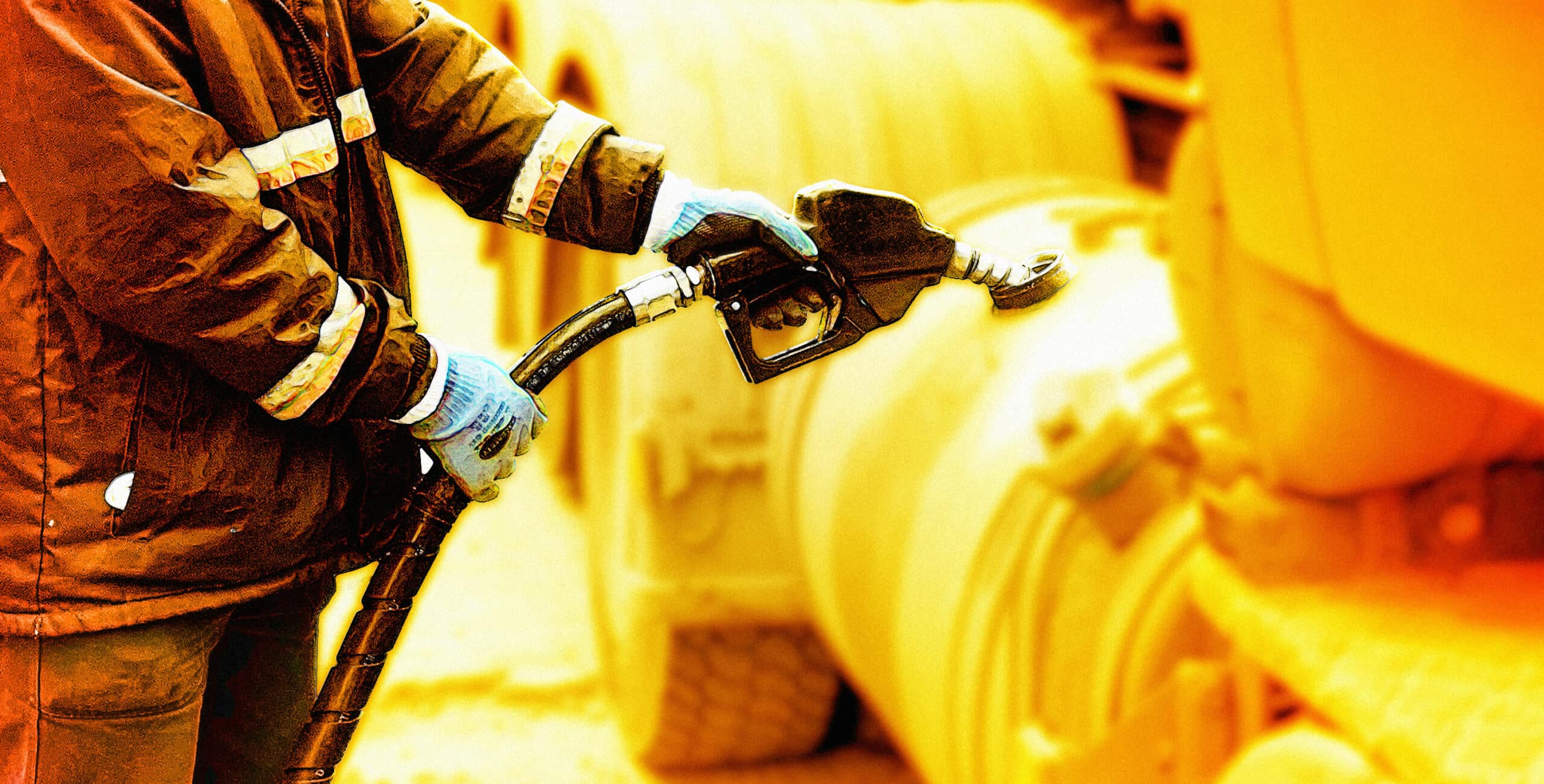
After a Year of Successive Increases, Fuel Prices, Especially Gasoline, May Start to Decrease
According to data from IBGE, in the last 12 months, inflation in gasoline prices has exceeded 50%, while ethanol has been around 70%, and diesel has seen an increase of 49.56%. Thus, after being the most discussed topic throughout the year, the National Council of Fiscal Policy (Confaz) has frozen the Tax on the Circulation of Goods and Services (ICMS) applicable to fuel prices. The measure was taken in order to reduce the impact of gasoline prices on consumers’ budgets, as it directly and indirectly influences the price of all products, since one of the parameters used to determine the price charged is the cost of transporting goods.
See Also:
- Offshore Wind Farms: Bureau Veritas Competes in the Market in Brazil
- For R$ 130 Million, Movida Acquires Marbor Fleets
- Aiming for Leadership in the National SAP Market, MSG Global Solutions Will Accelerate Hiring for Job Openings in the Country
- Nube Offers 8,022 Internship Positions for High School, Undergraduate, and Technical Candidates, in Day and Night Shifts. Scholarships Range from R$ 1,000 to R$ 2,000
Consequences of the Frozen ICMS
Many believed that the ICMS value was the main factor in adjusting gasoline prices. However, it is necessary to consider the interaction with the global market, as the price charged for a barrel of oil varies according to the appreciation or depreciation of the dollar, being a more important factor for price setting than the tax itself.
The ICMS has been zero since November 1 and will remain this way until January 31, 2022, as a temporary measure by the Federal Government, while the depreciation of the real is not overcome. This latter factor, in turn, is the main cause of high gasoline prices, as evidenced by the minimal price reduction after the ICMS freeze.
-
With the new law, shopping malls will no longer operate on Sundays, similar to supermarkets; the rule imposes closure by 9 PM, foresees a fine of R$ 15,000, suspension, and even revocation of the license in Salvador.

-
Only 7 ships have crossed the Strait of Hormuz in the last 24 hours when the normal is 135 per day, and the United Arab Emirates confirms that 230 oil tankers loaded with oil are ready to depart but are prevented from leaving while Iran turns the waterway into a sovereign control post.

-
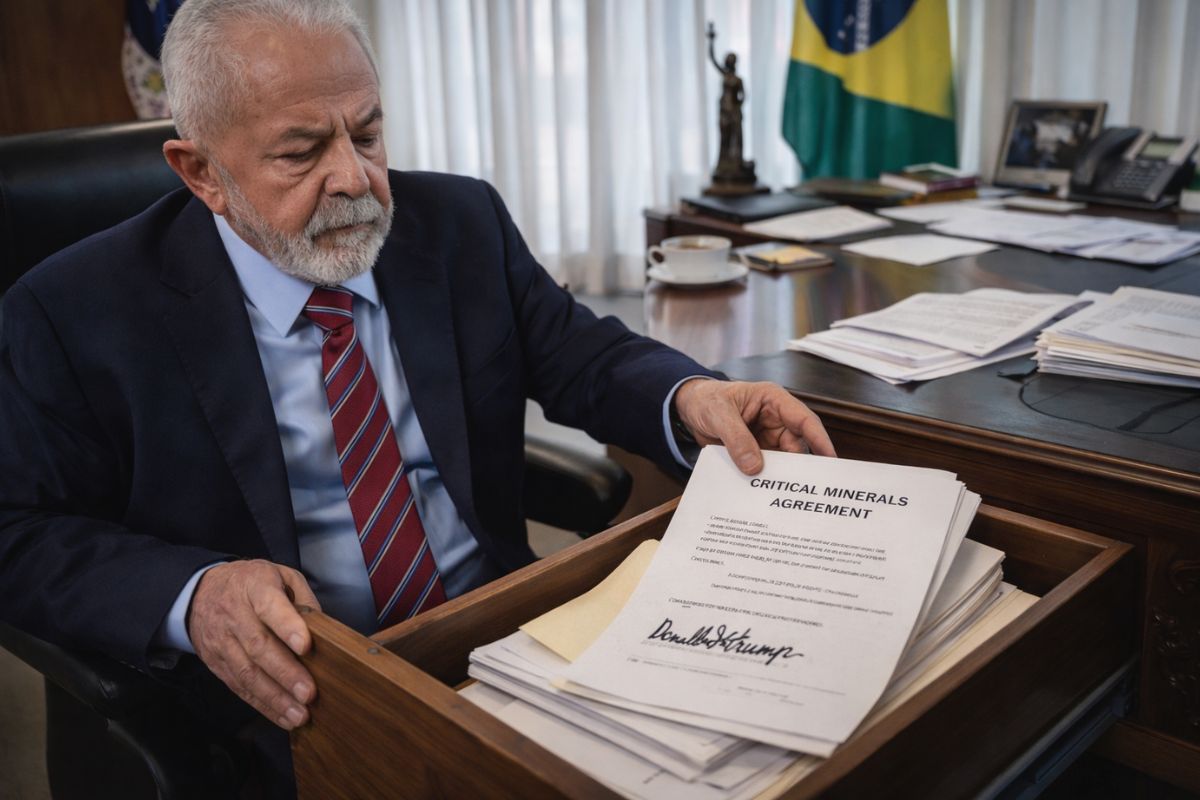
Trump sent a treaty on critical minerals to Lula in early 2026, and the document is sitting in the president’s drawer unsigned because the Brazilian government considers the proposal too generic and refuses to turn the country into a mere exporter of raw materials.
-
R$ 7 billion forgotten in the FGTS may finally be released after failures in the 2025 measures, while millions of workers find out they may have unclaimed money.
Gasoline with Fixed Pricing
Senators have developed a Bill aimed at fixing gasoline prices at an average of R$ 5.00 as a way to alleviate costs for consumers while keeping prices in line with the global market.
The Bill 1,472, authored by Senator Rogério Carvalho (PT-SE), aims to price gasoline, diesel, and also GLP (cooking gas), in addition to a tax on crude oil exports. The project has recently been approved in the Senate Economic Affairs Committee and may significantly reduce gasoline prices, given that in many cities the price is nearly R$ 8.00 per liter.
If the bill is approved, it will be forwarded to the relevant authorities for analysis, approval, and implementation. The Bill has five main objectives:
- Establish new guidelines for fuel commercialization;
- Introduce measures aimed at protecting consumers from internal and external price fluctuations;
- Determine that the formation of fuel prices considers average international price quotations;
- Establish a “band regime”;
- Create progressive export tax rates on crude oil;
- Create a stabilization fund financed by this tax.
Cheaper Gasoline in 2022
According to a survey by ValeCard, the outlook is that in the first quarter of 2022, gasoline prices will drop by 5.94%, being sold at an average price of R$ 6.18 in March – which is the lowest projected index.
However, starting in April, gasoline prices are expected to rise again, peaking in September. The fluctuations are due to market instability and the depreciation of the real because it is an election year.








Seja o primeiro a reagir!