





 Português
  Inglês
  Espanhol
  2 min de leitura
  0 comentários


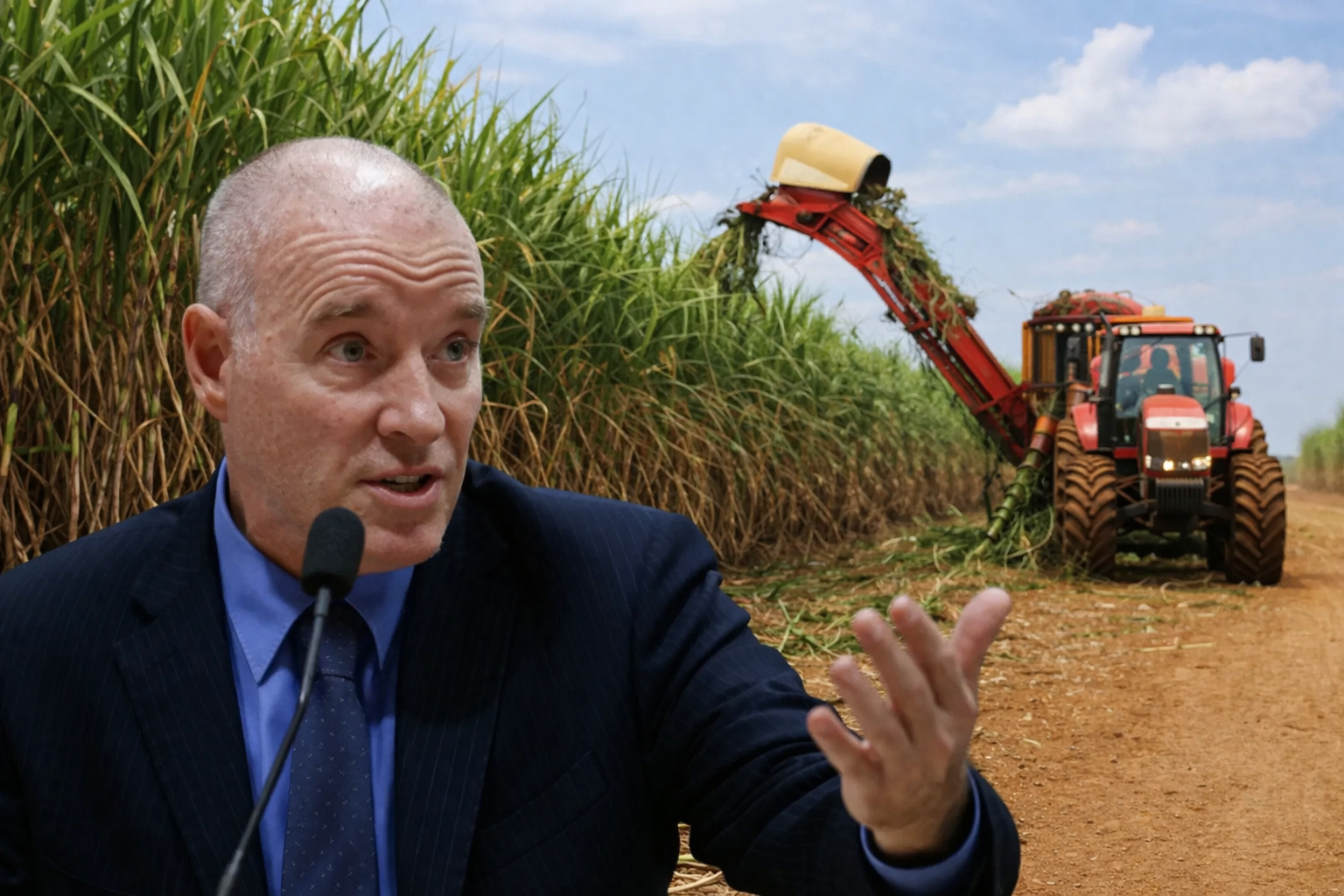
Project based on supercane promises to increase ethanol production, reduce costs, and impact the energy market in Brazil
In 2026, amid rising gasoline prices, businessman Eike Batista returned to the spotlight with a new energy proposal.
The initiative presents the so-called supercane, a technology aimed at producing biofuel with greater efficiency.
The project emerges in a scenario of expensive fuels, which increases market and consumer interest.
-
Former president of IBP highlights that dependence on diesel imports pressures prices in Brazil, increases vulnerability to global crises, and underscores the need for more robust and sustainable energy policies.
-
Middle East War Drives Up Oil Prices, And Petrobras Increases Diesel: Fuel Reaches R$ 3.65 Per Liter At Distributors
-
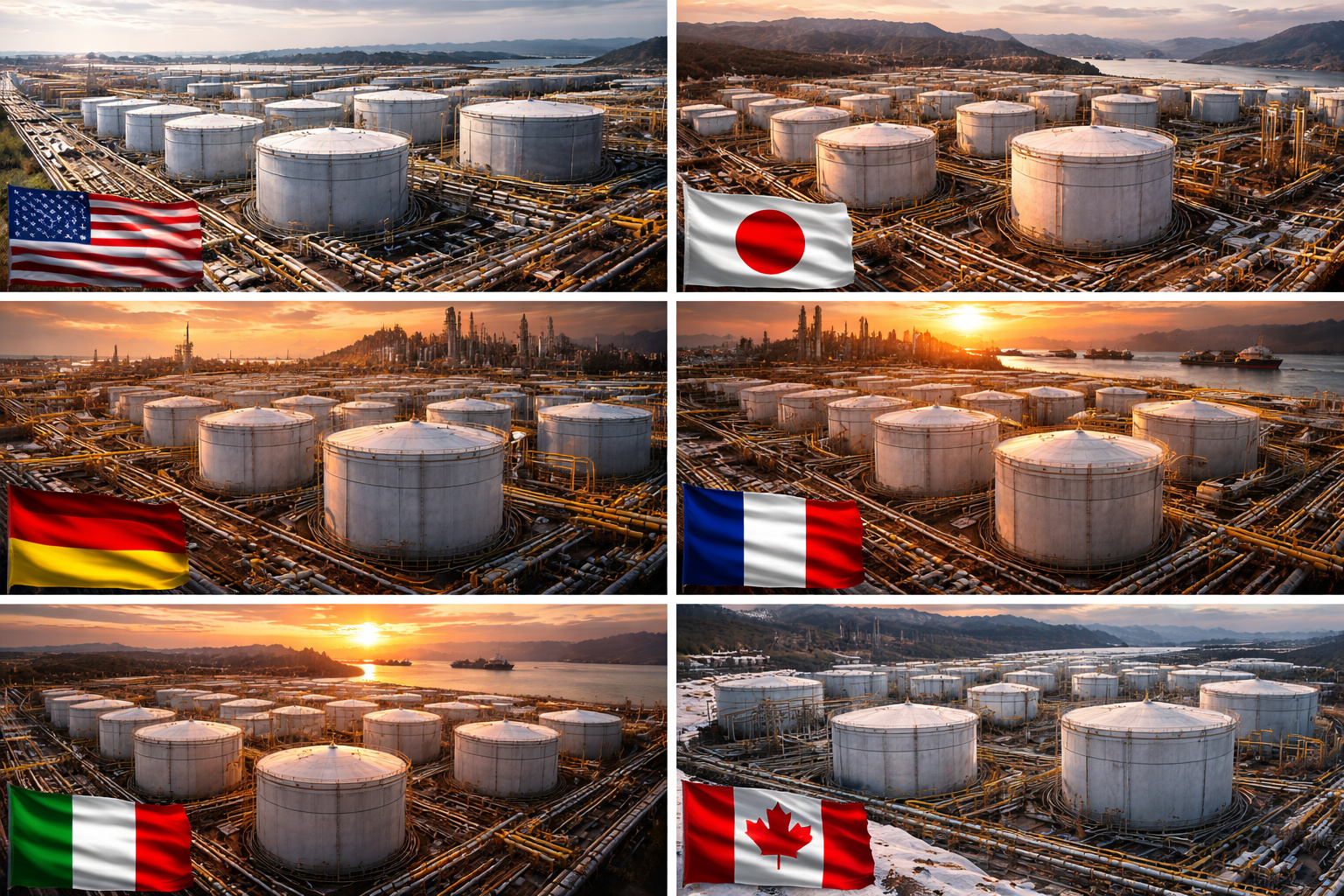
Oil Soars to Nearly $120, Middle East Tensions Shake Global Market, and a Little-Known Detail Returns to Energy Debate: The Gigantic Strategic Reserves Hidden by G7 Countries — See How Many Millions of Barrels Each Nation Holds in Reserve to Face a Global Crisis
-
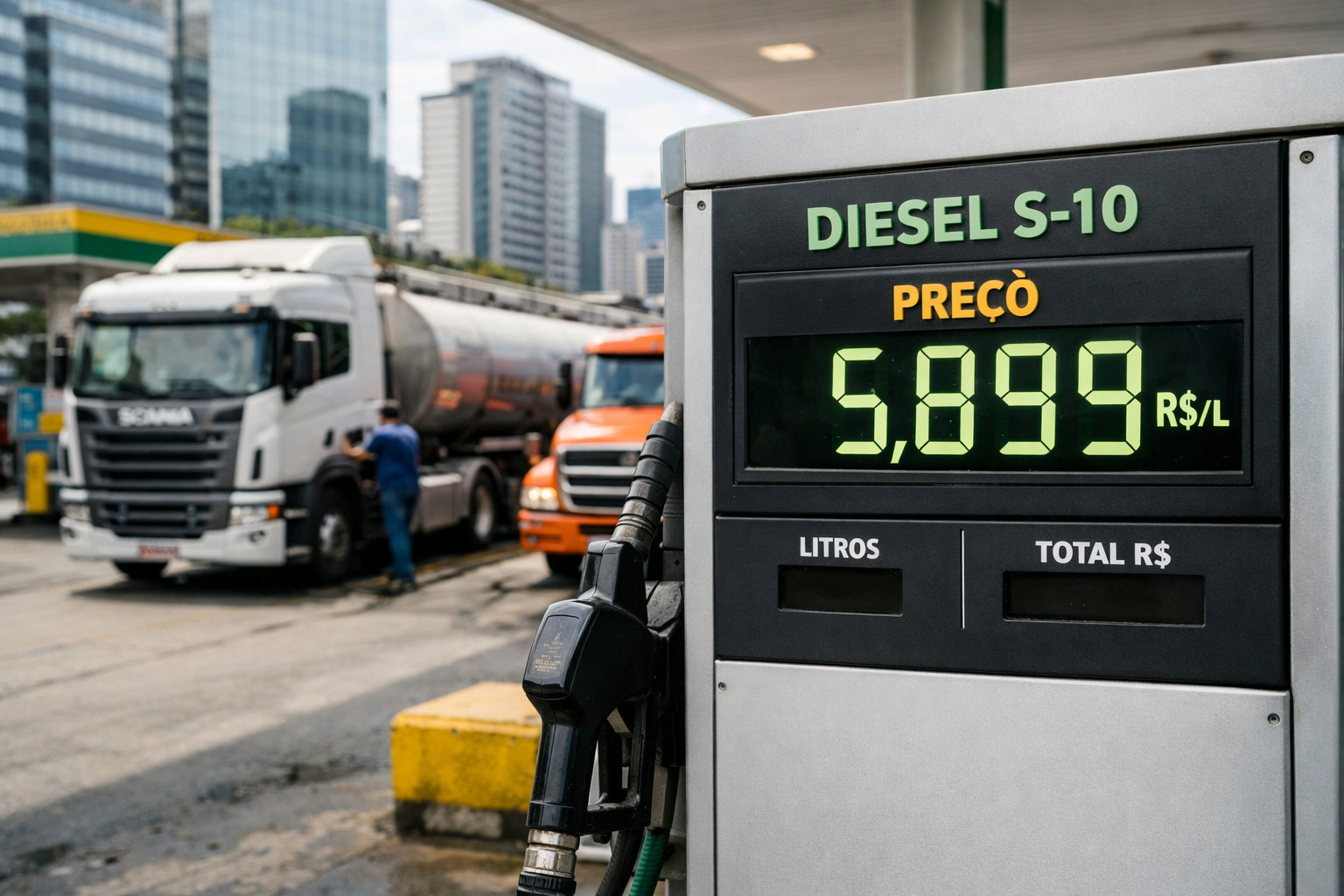
Gasoline And Diesel May Change Course In Brazil: International Oil Pressure Renews Debate On Prices And Direct Impact On Drivers’ Wallets
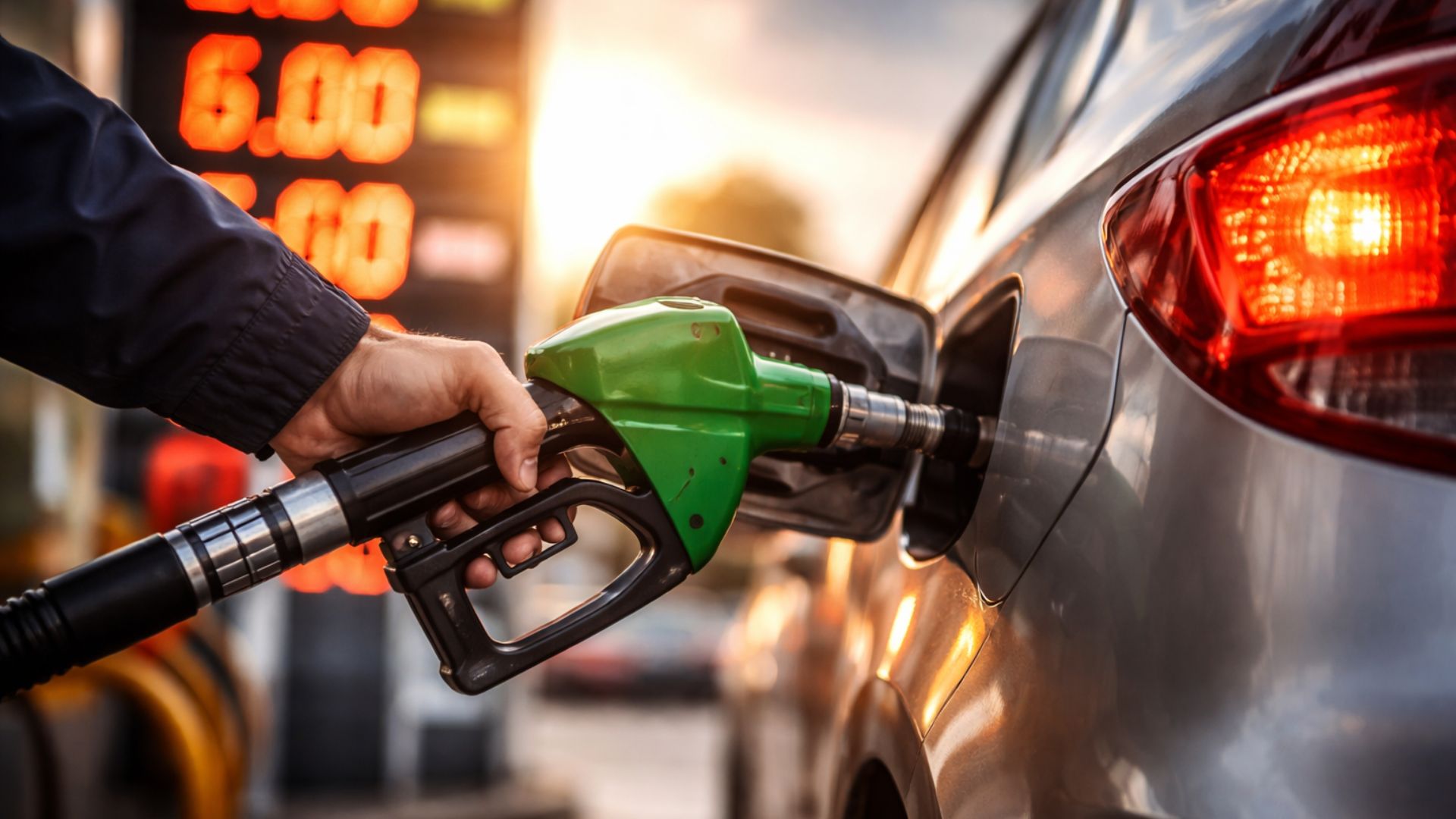

An energy proposal focused on high productivity
The project’s foundation uses a genetically modified sugarcane, designed to enhance production.
According to the businessman, this plant generates up to three times more ethanol per hectare compared to traditional cane.
This technological advancement positions itself as a competitive differential while increasing curiosity about its impact on final prices.
Biofuel can serve as a more accessible alternative
The proposal does not represent conventional gasoline, although the public refers to it as “new gasoline.”
The fuel derived from supercane acts as a cleaner and more economically viable alternative, with large-scale production.
According to Eike Batista, the high productivity allows for a final cost similar to that of kerosene, which enhances competitiveness.


Project will be developed in the north of Rio de Janeiro
The project is in its initial phase and is moving towards installation in the north of Rio de Janeiro, near the Port of Açu.
The strategy aims to enable large-scale production with a focus on export, expanding commercial reach.
The biomass generated by supercane also serves for the production of biodegradable products, expanding applications.
Experts evaluate potential with caution
Experts analyze the proposal with caution, although they recognize the potential of the technology in the Brazilian context.
Brazil has a solid tradition in ethanol production, which strengthens initiatives of this kind and increases market interest.
The advancement of the project could create a more sustainable and economical alternative, even without defined timelines.
Price has not yet been defined for the consumer
The consumer still does not know the price of the fuel at the pumps, which keeps expectations about the final cost.
The projection points to a product cheaper and less polluting, which reinforces public interest.
The project continues to be monitored, raising reflections on the future of fuels in Brazil.
In light of this scenario, can supercane really transform the Brazilian energy market in the coming years?









Seja o primeiro a reagir!