





 English
  Francês
  Alemão
  Italiano
  Japonês
  Norueguês
  Portuguese
  Spanish
  3 min of reading


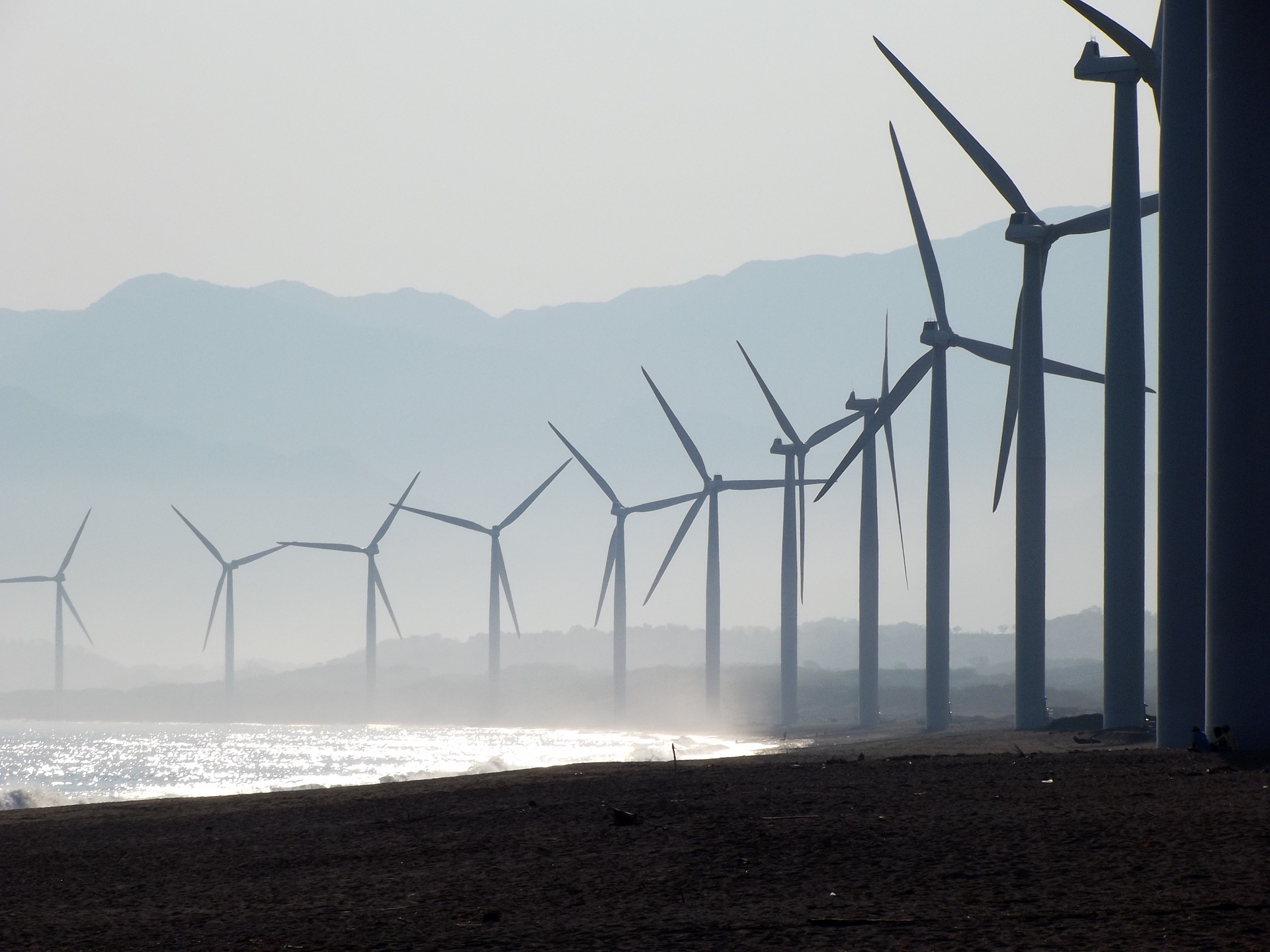
In Speech At COP27, CNI President Robson Braga De Andrade Was Optimistic About Brazil’s Participation In The Paris Agreement, While Also Mentioning His Positive Expectations For The Low-Carbon Economy After National Investments In Green Hydrogen, Solar Energy, And Offshore Wind Farms.
After the outbreak of the war between Russia and Ukraine and the economic crisis left by the Covid-19 pandemic, Brazil had to readapt to maintain its energy and food availability, especially with the increase in commodities. And, according to the statement from the CNI president, Brazil has been showing promise when it comes to an energy matrix based on the low-carbon economy after investing in the production of green hydrogen, solar panels, and offshore wind farms for renewable energy. Thus, it has favorable conditions for increased productivity, but for this to be possible, it would be necessary to connect both the private and public sectors.
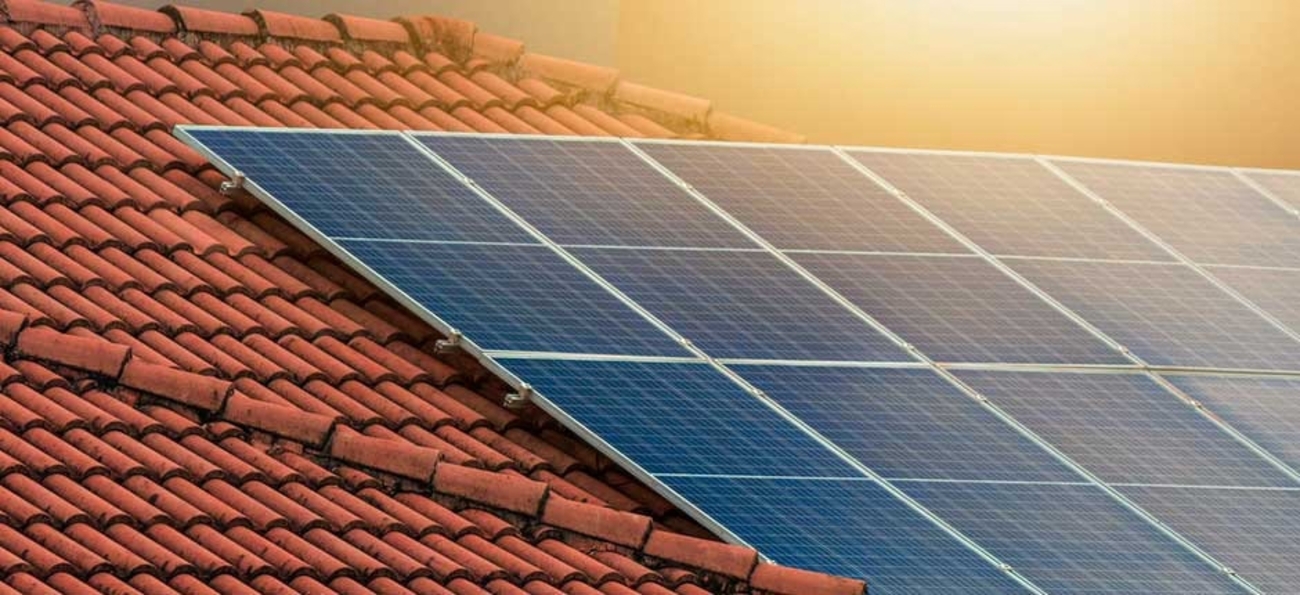
Brazil has been receiving various investments, mainly in solar energy. With an investment of over R$ 840 million, with part financed, one of the largest centers of energy from solar panels recently began operations in Piauí. A construction that caught global attention, also located in Piauí, is a center with over 2 million solar panels!
The support for the Paris Agreement has been happening for years, from previous governments to Bolsonaro. The goal is for the state to create strategies to make the low-carbon economy possible and viable by the year 2030.
-
With 160,000 m² of collectors, an area larger than 20 football fields, Silkeborg, in Denmark, hosts a solar thermal plant that heats 19,500 homes and could become the largest solar heating plant in the world.

-
A study reveals the expansion of renewable energy procurement in Brazil and shows how companies are taking advantage of opportunities to reduce expenses, ensure energy efficiency, and strengthen strategic environmental commitments.

-
Roraima bets on the sun to escape high tariffs: Amid the energy crisis and price hikes, solar energy is growing in Roraima and transforming consumption in the North region.
-
Mato Grosso do Sul excels in the sugar-energy sector: the state reaches a milestone of 22 operating mills and accelerates the production of clean energy in MS with a focus on sustainability.


Brazil Has 45% Of Its Energy Matrix Formed By Renewable Sources
Brazil is becoming a reference as it has at least 45% of its energy matrix relying on renewable sources through offshore wind energy production centers, solar energy, or green hydrogen. Furthermore, there is an incentive law so that homes can produce their own energy by not paying ICMS taxes until the year 2023 if they install solar panels.
In addition, the government is making new investments to strengthen the use of biofuels. Private companies are also conducting studies to replace diesel in logistics and transportation.
In an interview, Andrade from CNI praised RenovaBio, a program created to establish Brazil’s main goals for decarbonization, increasing the supply of sustainable energy throughout Brazil. The dialogue between the private and public sectors was widely debated at this year’s summit.
The United Nations and the Intergovernmental Panel show that the world needs urgent changes regarding habits that optimize the greenhouse effect that could partially contain global warming in the coming years.
Beyond Green Hydrogen And Offshore Wind Farms For Renewable Energy: The Maritime Sector Is Also Doing Its Part In The Energy Matrix
Ammonia is one of the chemical components that has been studied to reduce carbon dioxide emissions at sea with ship transport. It is a more sustainable fuel. However, it is still not used due to the risks of spillage and changes in the water’s pH, which can harm local fauna and flora.
However, Dux has developed research where it created a component capable of making ammonia non-toxic at sea, potentially a sustainable fuel option. More information can be found in an exclusive interview provided by the company to CPG.







Seja o primeiro a reagir!