






 Portuguese
  Spanish
  3 min of reading


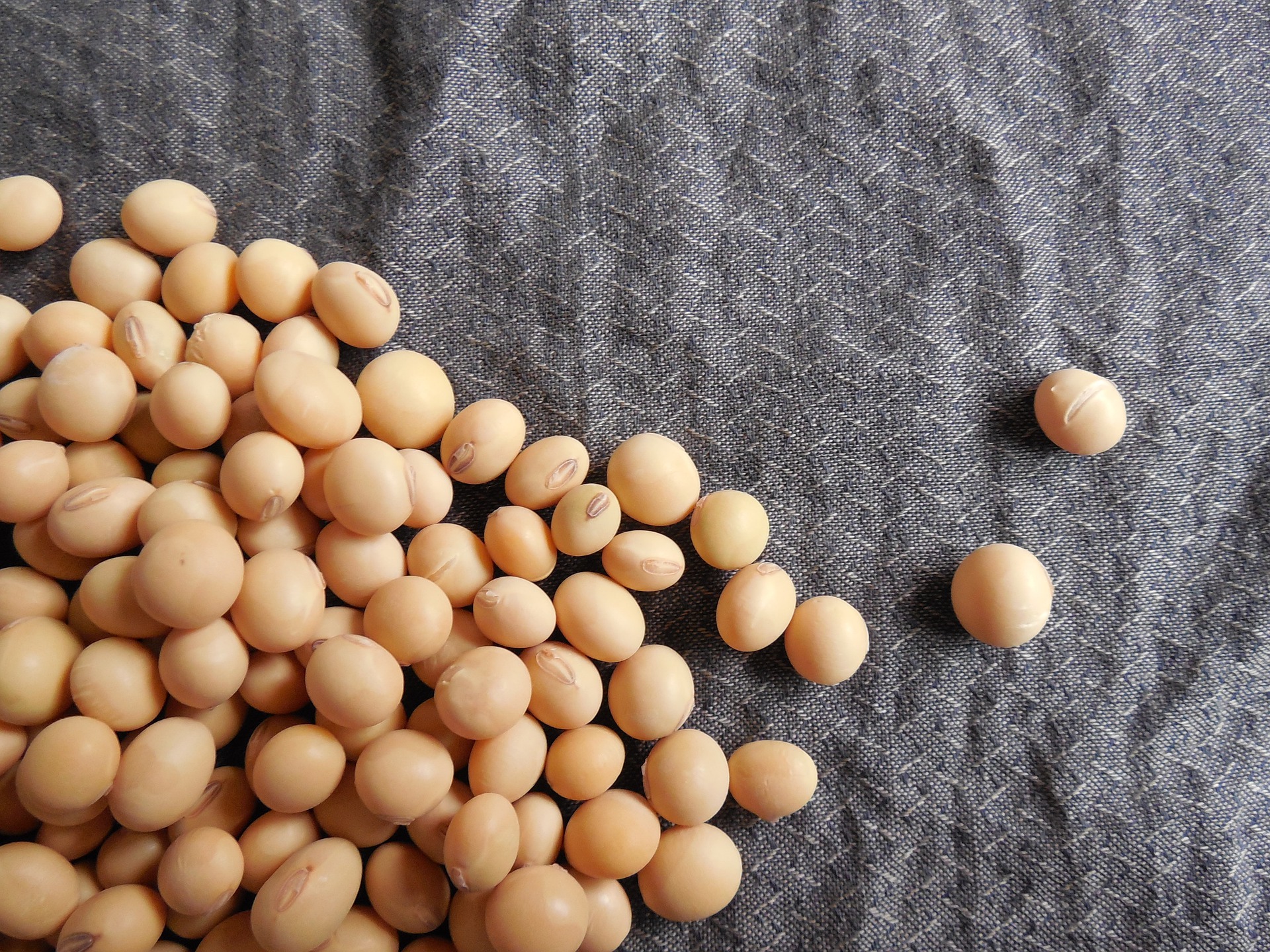
Brazil’s Dependence on Commodities (Mostly Soy and Oil) Can Be Harmful in the Long Run, Especially with the High Dollar Making Agribusiness Prefer Exporting to Importing, Impacting Internal Inflation Rates.
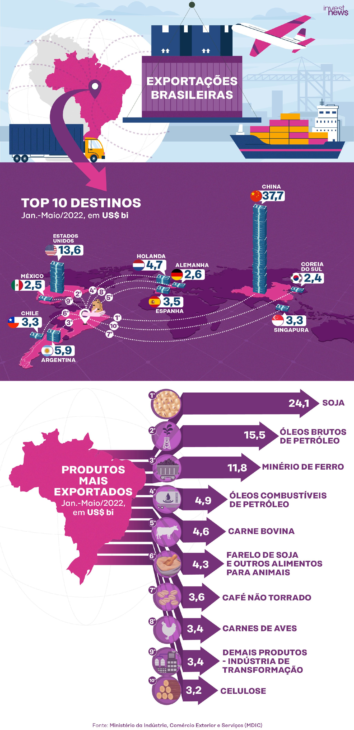
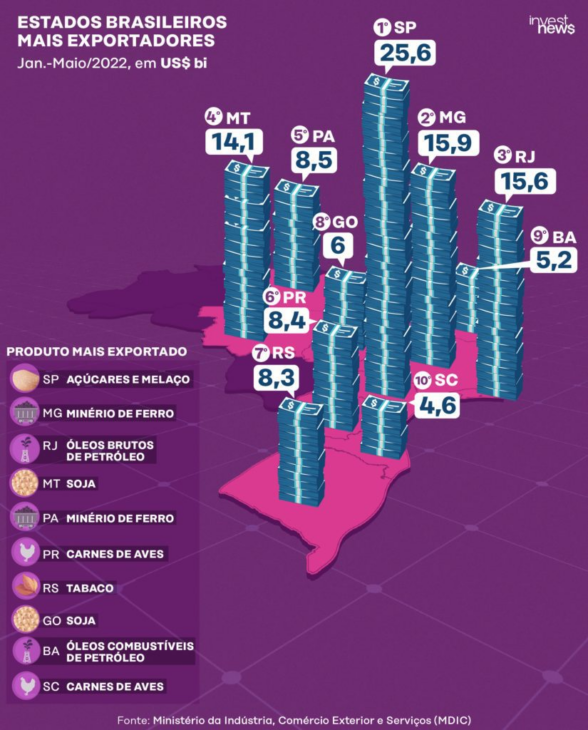
Commodities: Between January and May, soybeans accounted for about 18% of Brazil’s entire economy regarding exports, attracting over US$ 24 billion in investment. In second place were oil and petroleum products, which garnered a similar percentage. The data belongs to the Ministry of Industry, Foreign Trade and Services (MDIC), shared by Invest News on Monday, August 15.
Soybeans are widely used in the production of some fuel oils and are also part of cultural food. For this reason, it has been attracting the attention of countries that rely on purchasing commodities to feed their population.
Short-Term Economic Benefits May Lead to Brazil’s Dependence and Long-Term Stagnation
Analysts estimate that the economy in Brazil is likely to stagnate if the country does not invest in science, innovation, and technology. Evidence of this is the high inflation, which has been accumulating in double digits and has been influenced by commodities, as the price of foods such as soybeans has risen significantly because agribusiness opted to sell abroad, depleting stocks in the country and causing impacts from product shortages and price increases, not only in food but also in the construction sector.
-
Brazilian Joins Homeownership Consortium, Faces Decade of Dual Payments Totaling $141,000, Surpassing Traditional Mortgage

-
Low-Demand Brazilian Beef Offal Gains Popularity Abroad: Indonesia Purchases $19.5 Million, Boosting Revenue and Reducing Waste
-
Soy Expansion in Former Brazilian Savanna Sparks Water and Land Conflicts in Major Agricultural Frontier
-
Land Rover to Halt Production in July, Putting 371 Jobs at Risk, as Chinese Automaker Negotiates to Convert Factory to 100,000 Vehicles Annually by 2027


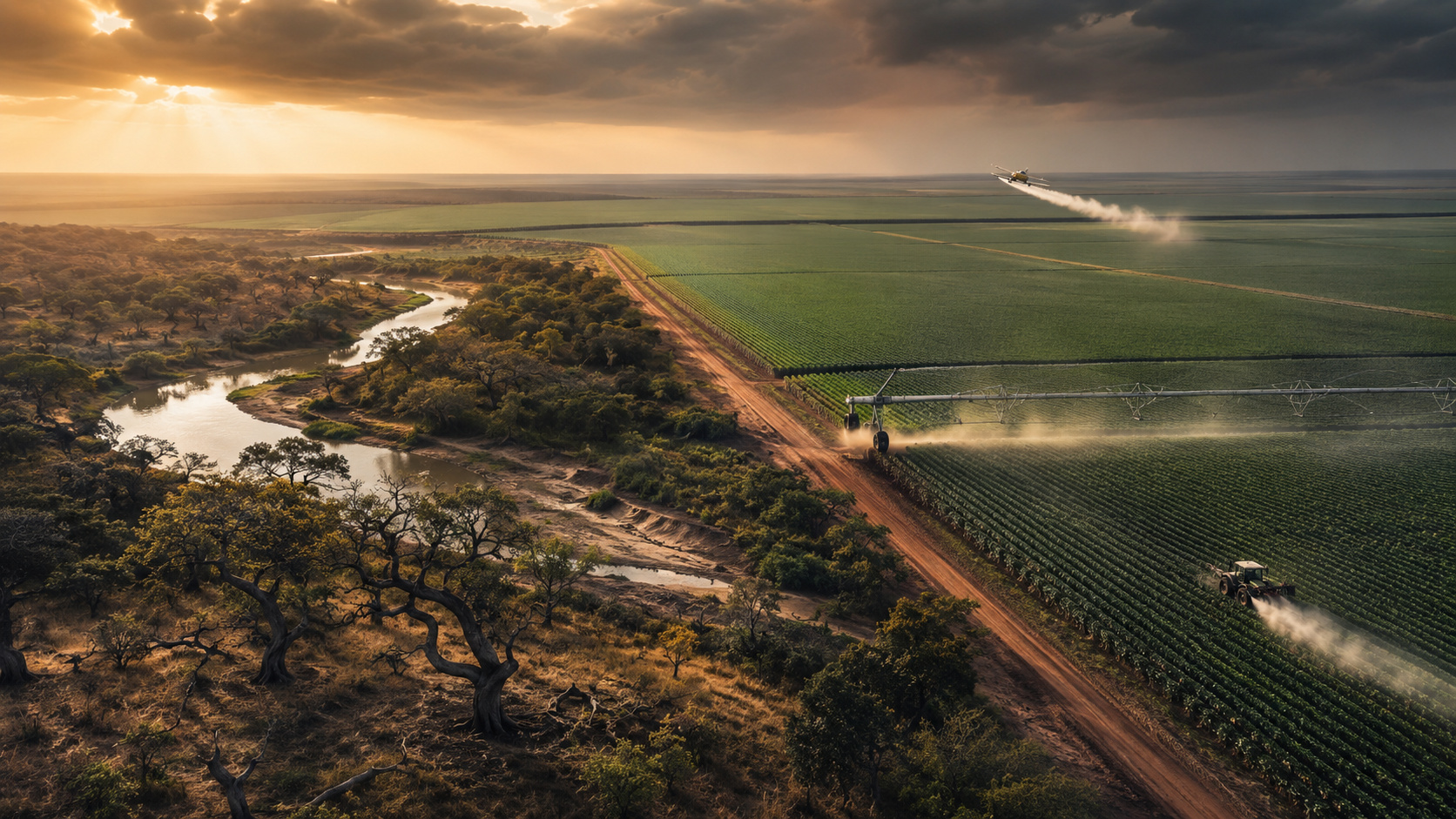

With the dollar quoted at over R$ 5 since last year, many large companies dominating the agribusiness market chose to export to other countries, depleting local stocks and inflating prices due to “low supply and high demand.”
Despite high prices, data shared last year by the United States Department of Agriculture shows that Brazil has become one of the largest grain producers in the world, reaching nearly 140 million tons produced.
With Brent Oil Accumulated at 32.89%, and War Between Ukraine and Russia, Offshore Companies in Brazil Profit
On this Wednesday, August 17, Brent oil has seen an accumulated increase of at least 32%, despite its slight decline in recent months, the commodity has inflated by 140%. Given the war between Ukraine and Russia, many offshore companies in the country have increased their oil exports and thus secured record earnings in the first months of this year. Petrobras, Shell, and other oil companies have reported record profits.
Iron Ore Is Also on the List of “Export Favorites”
Iron ore saw a drop of 35.55% after peaks last year due to low mining productivity. According to data shared by the federal government, it is estimated that between January and May, the export value exceeded US$ 11 billion. Following the metal, which benefits the mining sector, is beef, primarily exported to South American countries, which reached US$ 4 billion in negotiations.
When Has Brazil Received Export Earnings Per Year?

In 2021, Brazil had one of the highest export values, according to the Ministry of Industry, exceeding US$ 280 billion in exports (mainly of commodities). Despite this, it is estimated that in 2022, there will be a surpassing of this peak, as only by May, the value of negotiations reached over US$ 131 billion. In 2020, when the COVID-19 pandemic began, there was a decrease to US$ 209 billion.





Be the first to react!