





 Portuguese
  English
  Spanish
  2 min of reading
  0 comments



Financing a Car May Seem Like the Quickest Solution to Achieve a Dream, But Interest Turns the Purchase Into a Much Heavier Bill. A Simulation of R$ 70 Thousand Shows How Much the Final Value Increases and Why the Consumer Needs to Evaluate Carefully Before Signing the Contract.
The example simulation considers a car valued at R$ 70,000. The buyer offers R$ 45,000 as a down payment, reducing the financed amount to R$ 25,000.
The established term is four years, with interest of 2% per month. This rate, however, may vary depending on the customer’s score, the vehicle’s age, and the bank’s requirements.
Installment Amount and Final Cost
With these numbers, the monthly installments amount to R$ 815.05. At the end of the 48 months, the total paid in installments will be R$ 39,722.20.
-
Less than a Tera TSI, up to 710 km of range and charging in 9 minutes: the new BYD Song Ultra expands the Chinese brand’s bet on increasingly faster, more technological, and competitively priced electric SUVs.

-
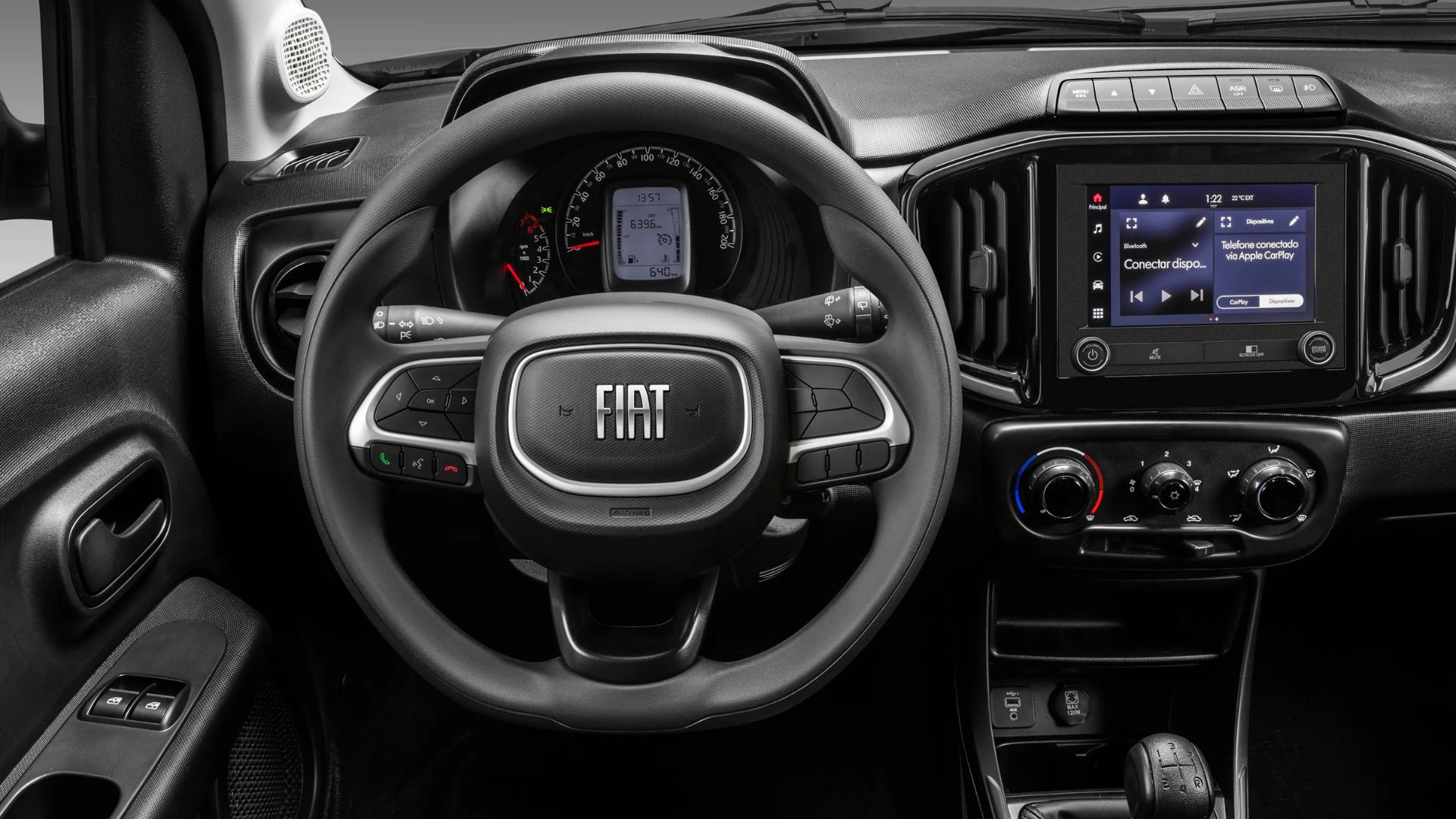
With a 1.0 engine producing 75 hp and costing less than R$ 70,000, Fiat’s car returns to the podium as the cheapest in the country; a temporary promotion for the 2026 Like version reduces the price of the Fiat Mobi.
-
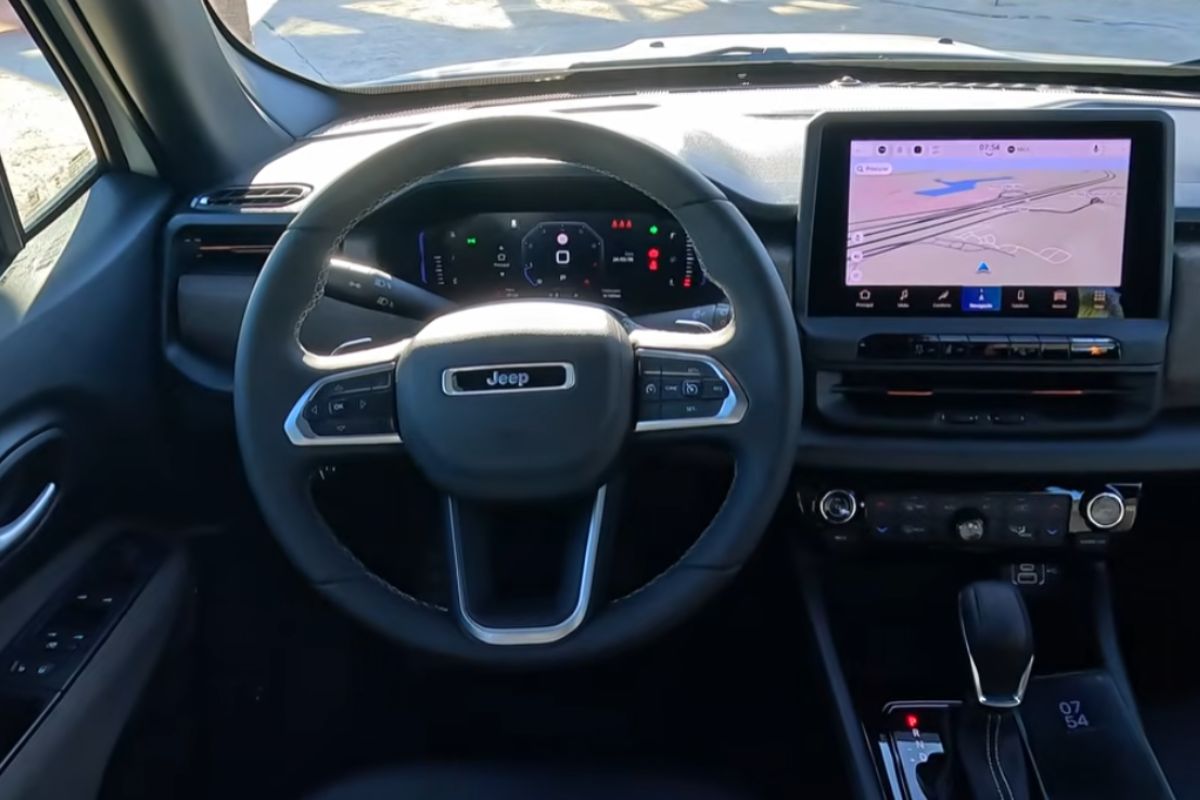
With a mild hybrid system of 48 V, 176 hp and a price of R$ 175,990 in the Sahara version, the new Jeep Renegade changes mostly on the inside, improves slightly in fuel consumption, and remains almost the same car.
-
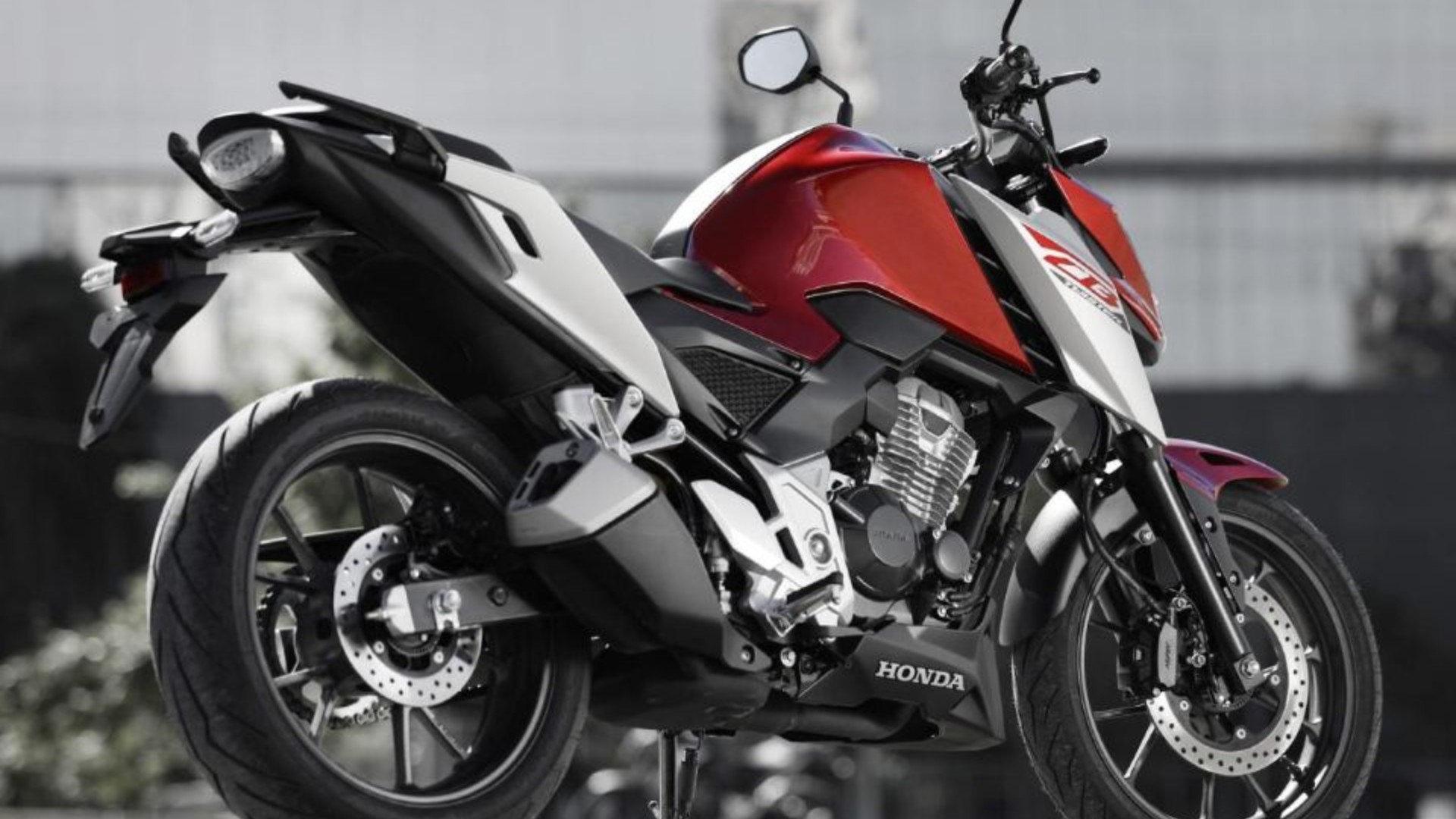
With a 293.5 cm³ engine and a range of up to 400 km with a 14.1-liter tank, the Honda CB 300F Twister 2026 has up to 24.7 hp, an initial price of R$ 25,150, and already exceeds R$ 29,000 in the Fipe Table.

Of this amount, R$ 14,722.20 corresponds to interest, which is equivalent to 36% of the financed amount. Therefore, adding the installments and the initial down payment, the final cost of the car rises to R$ 84,722.20.
Impact of Interest on Financing
The calculation shows how interest considerably increases the final price.
Although the car costs R$ 70,000 upfront, by financing, the consumer ends up paying nearly R$ 15,000 more over four years. This difference is solely due to the cost of credit, which makes the deal more expensive.
Alternatives to Reduce Expenses
One option is to pay down the debt. This means making early payments and reducing the outstanding balance.
This method, known as “paying backward,” decreases the amount of interest and shortens the term.
Additionally, the buyer can evaluate different banks to find lower rates, as conditions vary widely.
Reflection on the Deal
When analyzing the numbers, it becomes clear that financing requires caution. Paying R$ 14,722.20 solely in interest can weigh heavily on the budget. On the other hand, those who do not have the total amount upfront find in credit a way to make the purchase.
The most important thing is to understand every detail, as only then can the consumer decide if it is worth taking on the debt or if it is better to save more resources before buying.
In the end, the simulation provides a clear picture: the R$ 70,000 car can cost R$ 84,722.20.
Therefore, before signing the contract, it is ideal to put the numbers on paper and evaluate whether financing truly fits the budget.








-

Uma pessoa reagiu a isso.