Portuguese
  Spanish





Financing a Car May Seem Like the Quickest Solution to Achieve a Dream, But Interest Turns the Purchase Into a Much Heavier Bill. A Simulation of R$ 70 Thousand Shows How Much the Final Value Increases and Why the Consumer Needs to Evaluate Carefully Before Signing the Contract.
The example simulation considers a car valued at R$ 70,000. The buyer offers R$ 45,000 as a down payment, reducing the financed amount to R$ 25,000.
The established term is four years, with interest of 2% per month. This rate, however, may vary depending on the customer’s score, the vehicle’s age, and the bank’s requirements.
Installment Amount and Final Cost
With these numbers, the monthly installments amount to R$ 815.05. At the end of the 48 months, the total paid in installments will be R$ 39,722.20.
-
New Law Proposal in Brazil Could Heavily Penalize Drivers: Dangerous Overtaking May Become a Serious Offense with Fines Increased Tenfold and a 12-Month License Suspension; Update on 2026 Progress

-
Electric Revolution: Watts W125 Motorcycle Offers 160 km Range, 90 km/h Speed, and Affordable Price Starting at $3,000

-
General Motors Replaces Over a Thousand Workers with 50 Cobots at Electric Vehicle Plant, UAW Union Criticizes Move Amid Industry’s Automation Push
-
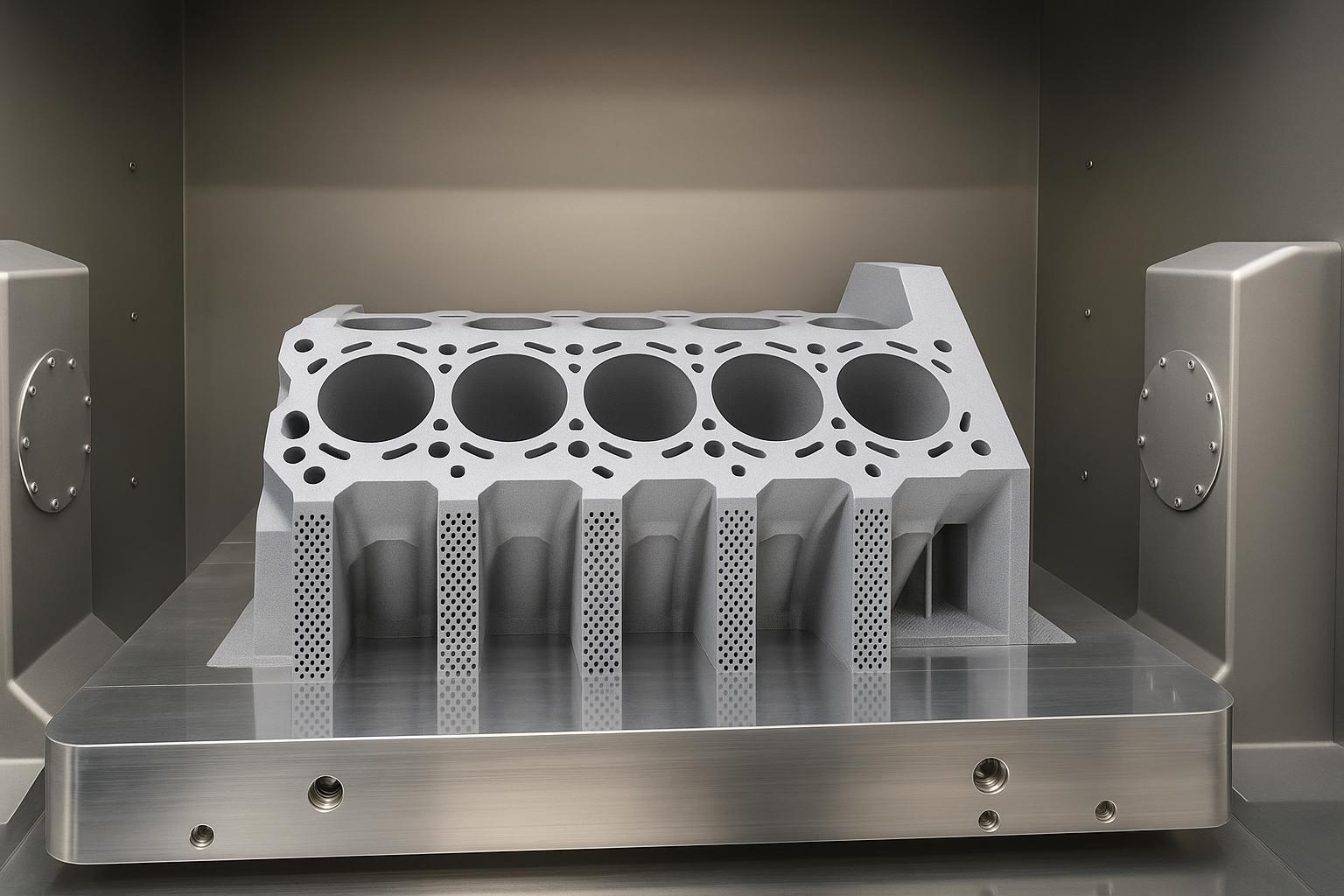
Bosch and Nikon 3D Print Entire Aluminum V8 Engine Block, Sparking New Competition in the Automotive Industry



Of this amount, R$ 14,722.20 corresponds to interest, which is equivalent to 36% of the financed amount. Therefore, adding the installments and the initial down payment, the final cost of the car rises to R$ 84,722.20.
Impact of Interest on Financing
The calculation shows how interest considerably increases the final price.
Although the car costs R$ 70,000 upfront, by financing, the consumer ends up paying nearly R$ 15,000 more over four years. This difference is solely due to the cost of credit, which makes the deal more expensive.
Alternatives to Reduce Expenses
One option is to pay down the debt. This means making early payments and reducing the outstanding balance.
This method, known as “paying backward,” decreases the amount of interest and shortens the term.
Additionally, the buyer can evaluate different banks to find lower rates, as conditions vary widely.
Reflection on the Deal
When analyzing the numbers, it becomes clear that financing requires caution. Paying R$ 14,722.20 solely in interest can weigh heavily on the budget. On the other hand, those who do not have the total amount upfront find in credit a way to make the purchase.
The most important thing is to understand every detail, as only then can the consumer decide if it is worth taking on the debt or if it is better to save more resources before buying.
In the end, the simulation provides a clear picture: the R$ 70,000 car can cost R$ 84,722.20.
Therefore, before signing the contract, it is ideal to put the numbers on paper and evaluate whether financing truly fits the budget.