Portuguese
 Spanish



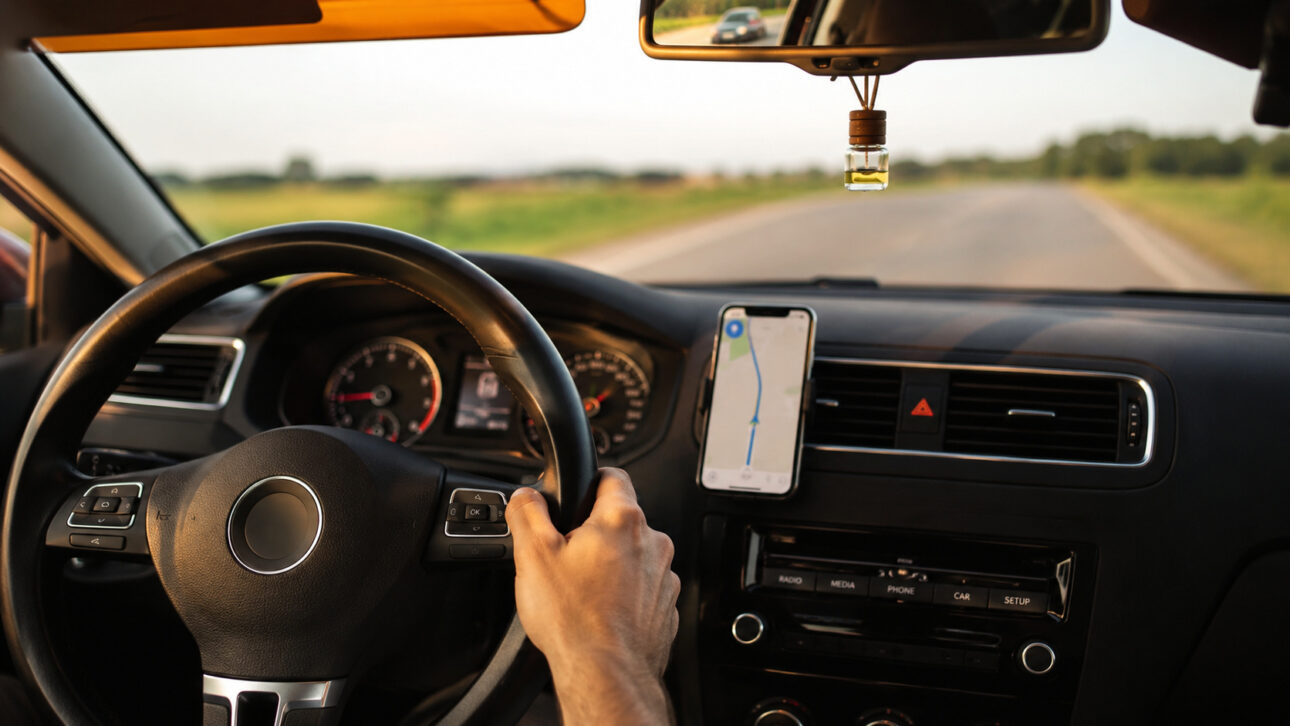

Drivers pay in advance to work without per-ride deductions, but the lack of guaranteed rides, withholding of future earnings and contractual terms have brought the Zero-Fee program to court.
99 Tecnologia is facing a public civil lawsuit brought by Brazil’s Labor Prosecutor’s Office (MPT) over its Zero-Fee program, which lets drivers pay in advance to take rides without the platform’s usual deductions. The agency is seeking an immediate suspension of the service, refunds of the amounts workers paid, and R$100 million in damages for collective moral harm.
The case centers on a practice that could directly affect drivers’ income. Although drivers pay to use the benefit, the company does not guarantee a minimum number of rides. The MPT says this arrangement shifts financial risks onto workers and could lead to debt, especially when the platform deducts outstanding amounts from future earnings.
99’s Zero-Fee program launched in 25 cities, letting drivers work without per-ride deductions
Launched on June 9, 2026, the Zero-Fee program began operating in 25 Brazilian cities, with the possibility of expanding to other regions. It replaces a percentage-based fee on each ride with an advance payment, allowing drivers to take rides without the usual fee for a set period or until they reach an earnings cap.
-
Driver Notices Brake System Leak During Over 2,500 km Route, Notifies Company, Claims He Was Ordered to Continue Trip with Loaded Trailer, and Labor Court Awards R$ 10,000

-
Worker Suffers Head Injury from Forklift, Granted Job Protection and Compensation After Unjust Dismissal

-
STF suspends NR-1 fines for 90 days, but companies do not get a break and remain obligated to combat harassment, overload, stress, and mental health risks.

-
Work on holidays in commerce changes in Brazil: companies in 12 activities, including supermarkets, pharmacies, retail, and wholesale, now depend on collective agreements and municipal legislation to open, while unilateral authorization is no longer valid with a rule in effect since May 27 across the country.


The Zero-Fee program offers two payment options. Under the first, drivers buy a pass valid for 24 or 72 hours. Under the second, they pay in advance to take rides without deductions until they reach an earnings amount set by the company. The problem, the MPT says, is that there is no guarantee drivers will recoup their investment.
Drivers can pay for the benefit and still not get enough rides to recoup their money
The MPT’s main criticism concerns how rides are assigned. Even after buying a pass, drivers still depend on 99’s algorithm to receive ride requests. The system can also send rides to drivers who have not signed up for the Zero-Fee program, without giving participants priority.
That means drivers can pay to use the Zero-Fee program and reach the end of the contracted period without recouping their investment. Prosecutors argue that the model shifts an economic risk to drivers that should remain the platform’s responsibility, particularly because the number of available rides is not entirely within a driver’s control.
Labor prosecutors cite debt risks and possible debt bondage on the app
Another key issue in the lawsuit is the collection of outstanding amounts. The MPT says that when a driver does not have enough balance to pay for a pass, 99 can automatically withhold future earnings. Prosecutors say the mechanism creates economic dependence between the worker and the platform.
Prosecutor Marcello Ribeiro Silva, who is handling the case, argues that this arrangement could have characteristics of debt bondage and amount to work under conditions analogous to slavery. Rodrigo Castilho, the MPT’s national coordinator for combating labor fraud, also called the charge abusive, arguing that drivers can begin their workday already owing the company.
The claims are part of the case presented by the agency and still need to be reviewed by the courts.
Zero-Fee program contract also allows rule changes and cancellation of passes without refunds
Contract terms are another concern for the Labor Prosecutor’s Office. The lawsuit says 99 sets the rules for joining the program unilaterally, without giving drivers the opportunity to negotiate the terms individually.
The document also states that the company can change the Zero-Fee program’s terms and deactivate passes drivers have purchased without refunding the amounts paid. The Labor Prosecutor’s Office says these provisions increase drivers’ financial vulnerability because they make advance commitments without having full control over the terms of service use.
Paying in advance could limit drivers’ freedom to work for other apps
The lawsuit also raises questions about competition among ride-hailing platforms. The Labor Prosecutor’s Office says drivers who pay to sign up for the Zero-Fee program are likely to focus their work on 99 in an effort to recoup their investment.
This could serve as an indirect form of customer lock-in, limiting workers’ freedom to switch between apps. In the agency’s view, the mechanism could affect which platform drivers choose, even when other companies offer more favorable pay.
Court could review source code for algorithm that assigns rides
In addition to challenging the advance payment, the Labor Prosecutor’s Office requested access to the source code of the algorithm used by 99. The goal is to examine the criteria used to assign rides, set prices and calculate payments to workers.
The request aims to clarify how the system works and what factors affect the rides drivers receive. This information is relevant to assessing claims about the risks taken on by workers who sign up for the program.
Lawsuit against 99 to be heard in Goiânia, could lead to suspension of Zero-Fee program
The case will be heard by the 1st Labor Court of Goiânia. The claims include an immediate suspension of the program, reimbursement of the amounts drivers paid, and R$100 million in damages for collective moral harm.
As of the latest update to the report used as the source, 99 had not issued a response. The Labor Prosecutor’s Office’s claims are still awaiting a court ruling, and the source material reports no final judgment.
The dispute raises questions about the limits on upfront charges in ride-hailing apps and platforms’ responsibility for the financial risks drivers face in their work.