





 Portuguese
  English
  Spanish
  4 min of reading
  0 comments



Unexpected Failure Generated Fragments Around The Satellite And The Equipment Is Set To Destroy Itself In A Few Weeks Upon Reentry Into The Atmosphere
SpaceX lost communication with a Starlink satellite after an anomaly was recorded on Wednesday. Shortly after, the equipment experienced a sudden retreat in orbit and began descending toward Earth.
The satellite fell about 4 kilometers in altitude and left a reduced field of fragments and debris around. The current trend is for reentry into the atmosphere and destruction in a few weeks.
What Happened And Why It Drew Attention
The anomaly led to a total loss of communication with the satellite. Despite the failure, the structure was described as generally intact, although in unstable motion.
-
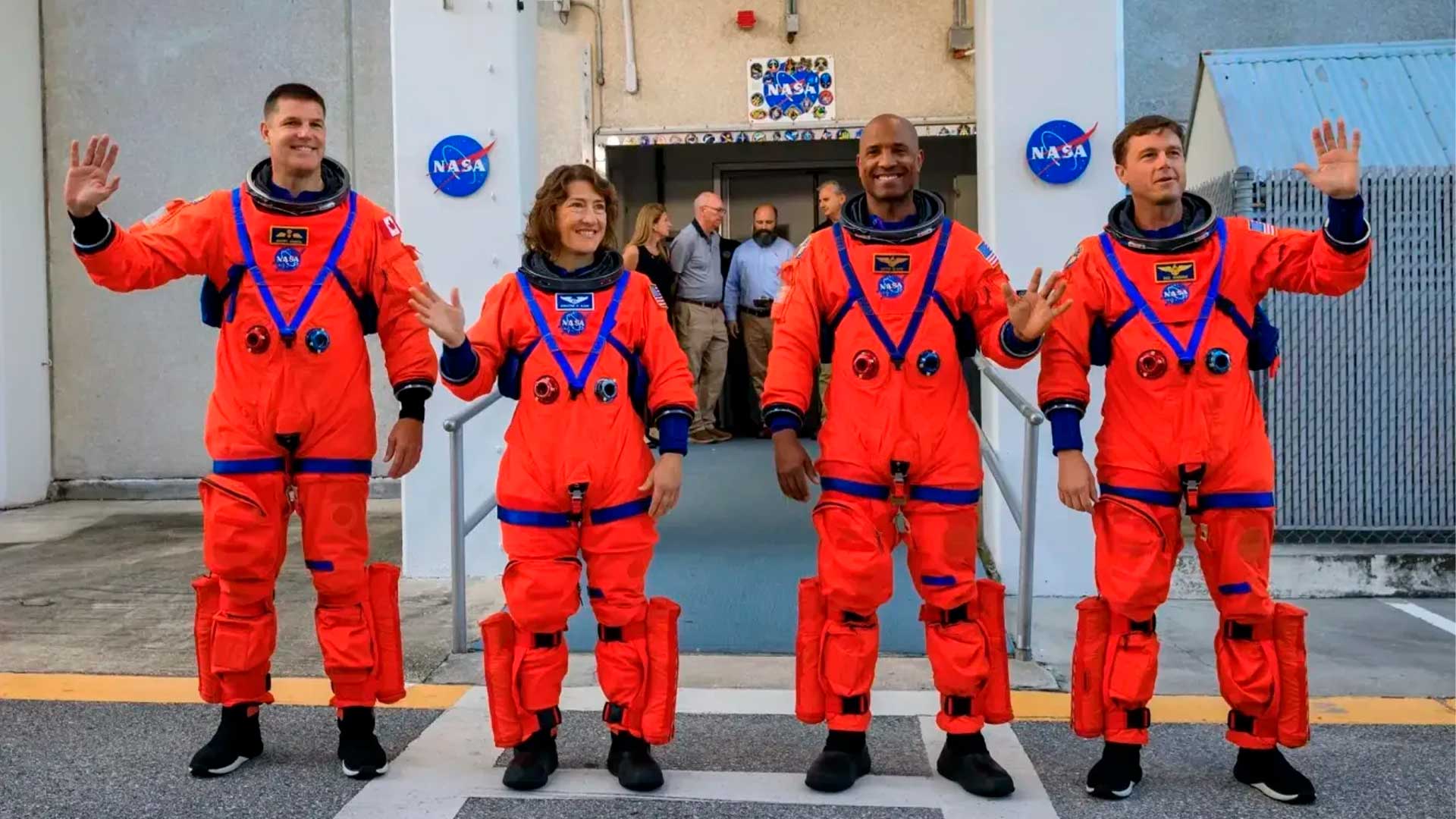
Four humans are flying towards the Moon inside the Orion capsule launched by the SLS rocket, and on April 6, Artemis II will disappear behind the far side of the Moon without communication with Earth for nearly an hour.

-
Worlds covered by water, atmospheres filled with hydrogen, and the possibility of life beyond Earth: ocean planets are rewriting the map of cosmic search and forcing scientists to rethink where to look.

-
Argentina achieves the unimaginable after more than 110 years and reintroduces the largest native herbivore of South America to the Chaco to restore a lost link in nature.

-
Returning to the Moon now costs a billion-dollar bill and reignites the competition between the USA and China for science, technology, and rare minerals on lunar soil.

The falling behavior, combined with debris detected nearby, raised the possibility of an internal event within the satellite itself. There was no public confirmation of a specific cause.
The reentry is expected to occur naturally, with the satellite burning up as it passes through the atmosphere, a common process for equipment exiting orbit.
Fragments In Orbit And The Risk Of The Growing Amount Of Objects In Space

LeoLabs, a company that monitors orbital debris, identified dozens of fragments near the satellite after the anomaly. The assessment pointed to a source linked to internal power, and not a collision with another object.
With more objects in orbit, the complexity of tracking each item and quickly understanding what happens in events like this is increasing. Small uncertainties in measurements can also lead to conflicting readings.
Astrophysicist Jonathan McDowell, who monitors objects in orbit, indicated the possibility of incorrect data about the fall. Additional observations are needed to clarify what happened with this Starlink.
The Starlink Constellation And The Normal Reentry Cycle
Currently, there are over 9,000 active Starlink satellites in orbit. SpaceX continues to launch in series and plans for a constellation of up to 42,000 satellites around Earth.
These satellites typically operate for five to seven years. At the end of this period, they enter a phase of gradual descent, leading to reentry into the atmosphere.
In routine conditions, one or two Starlink satellites may fall toward Earth each day, as part of an expected process of orbital replacement and disposal.
Why This Failure Wasn’t Expected And How The Company Reacts
Unlike the normal cycle, this case was treated as an unplanned end of the satellite. The company stated its commitment to safety in space and reported that engineering teams are working to identify the cause.
The preparation of sending software to the vehicles to enhance protection against such events was also mentioned. The intention is to reduce the chance of new similar anomalies.
This type of adjustment aims to increase the robustness of satellites against internal failures and situations that could affect orbital stability.
What May Happen From Now On With Maneuvers And Orbital Traffic

The episode occurred a week after a Starlink satellite avoided a collision with a Chinese satellite. As orbital traffic expands, events of close approach and the need for maneuvers are likely to increase.
Starlink satellites perform about 300 maneuvers per day to avoid collisions with other objects in space. This volume shows the level of activity required to keep the constellation operating safely.
The trend is toward greater pressure on monitoring systems and coordination of space traffic, especially with the continuous increase in the number of satellites.
Points Of Attention And Common Questions About Reentry
The described reentry involves the satellite’s entry into the atmosphere and destruction by the heat generated in the process. This is the expected fate for various satellites at the end of their useful life or after failures.
The central point of this case is the combination of loss of communication, 4-kilometer fall, and presence of fragments, factors indicating an unusual event compared to the programmed descent.
Without a confirmed cause, the monitoring of the object in orbit remains an important step to understand what occurred and guide technical adjustments.
The failure of a Starlink generating debris highlights the complexity of operating in an increasingly congested orbital environment. The expectation is that the satellite will disintegrate in a few weeks during reentry, concluding the event.
At the same time, the case underscores how the expansion to 42,000 satellites and the routine of 300 maneuvers per day increase the need for rigorous control and additional protection against anomalies.










-

-

-

-

6 pessoas reagiram a isso.