





 Portuguese
  English
  Spanish
 3 min of reading
  1 comment





The Project Started with a Speech of Regional Integration and Ended Marked by Investigations and Record Costs
The Abreu e Lima Refinery (RNEST), in the Suape Industrial Port Complex (Pernambuco), began as one of the most ambitious infrastructure expansion projects in Brazil. Launched in 2005 with strong political symbolism and a promise of partnership with the Venezuelan state-owned PDVSA, the project became synonymous with delays, billion-dollar budget overruns, and controversies involving corruption — in addition to never having been completed in its entirety as initially planned.
The Origin of the Plan and the Alleged Partnership with Venezuela
The RNEST project emerged in the early years of Lula’s government, in a context of strong political and economic integration between Brazil and Venezuela (led by Hugo Chávez). The plan included an agreement for Petrobras to hold a majority stake (60%) and for PDVSA to have 40% participation, reflecting South American energy cooperation.
Hugo Chávez attended ceremonial events related to the refinery and even influenced the choice of the name “Abreu e Lima”, in homage to the Brazilian general who fought alongside Simón Bolívar in Latin American independence.
-
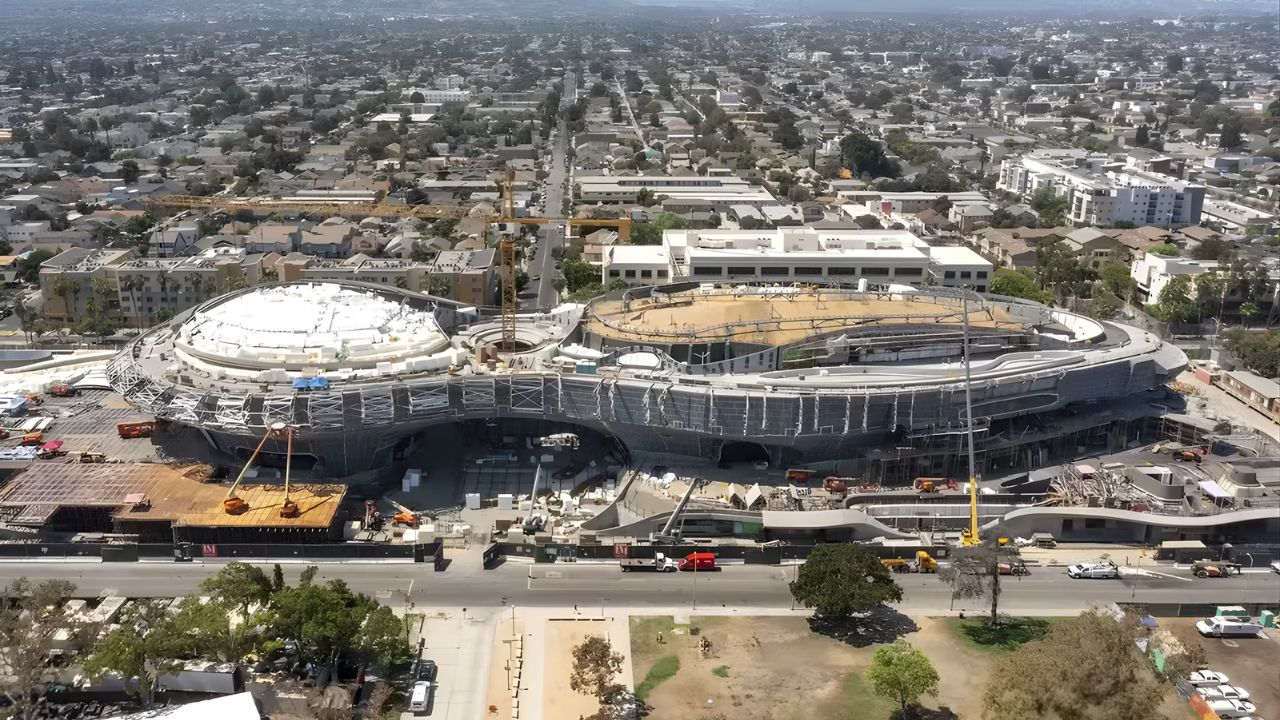
Created by George Lucas with over $1 billion, a futuristic museum in the shape of a spaceship with 1,500 curved panels is about to open in Los Angeles and will house one of the largest private collections of narrative art in the world.
-
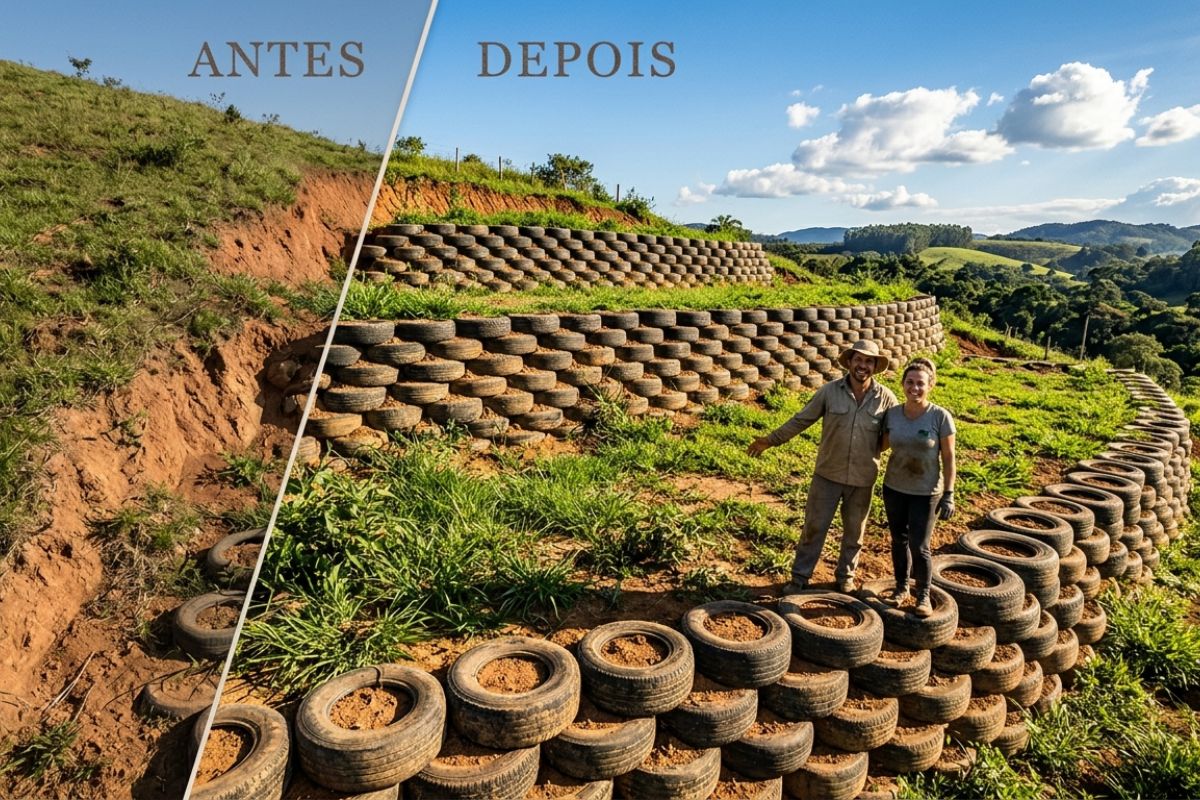
Couple shows how they built a retaining wall on their property using 400 old tires: sloped land turned into plateaus, tires are aligned, filled, and compacted with layers of soil, with grass helping in support and at almost zero cost.
-
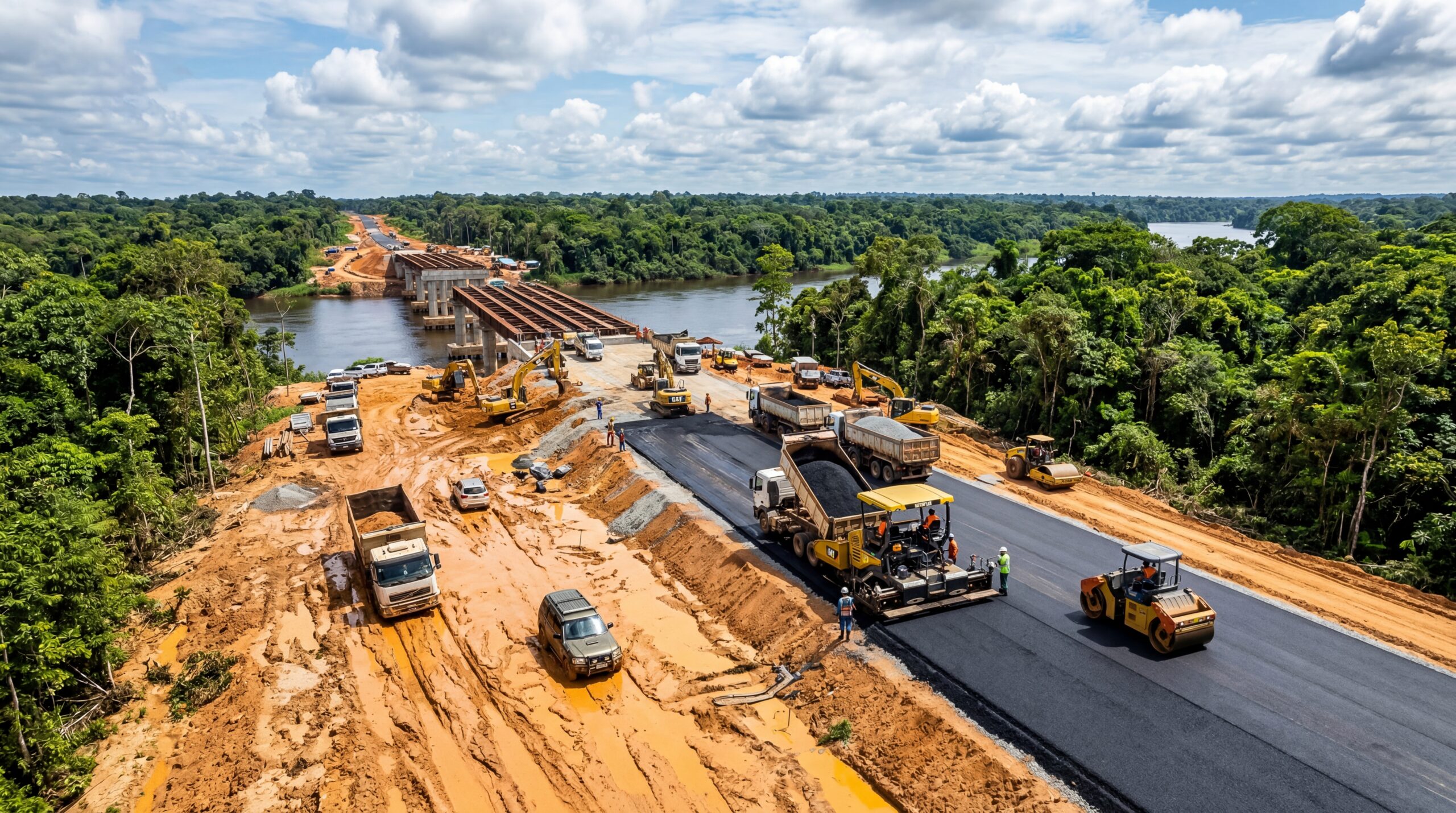
Engineer explains drainage during the rainy season: the difference between surface water and deep water, ditches, gutters, and water outlets on the road, as well as drains and drainage mattresses, to prevent erosion, aquaplaning, and flooding at the construction site today.

-
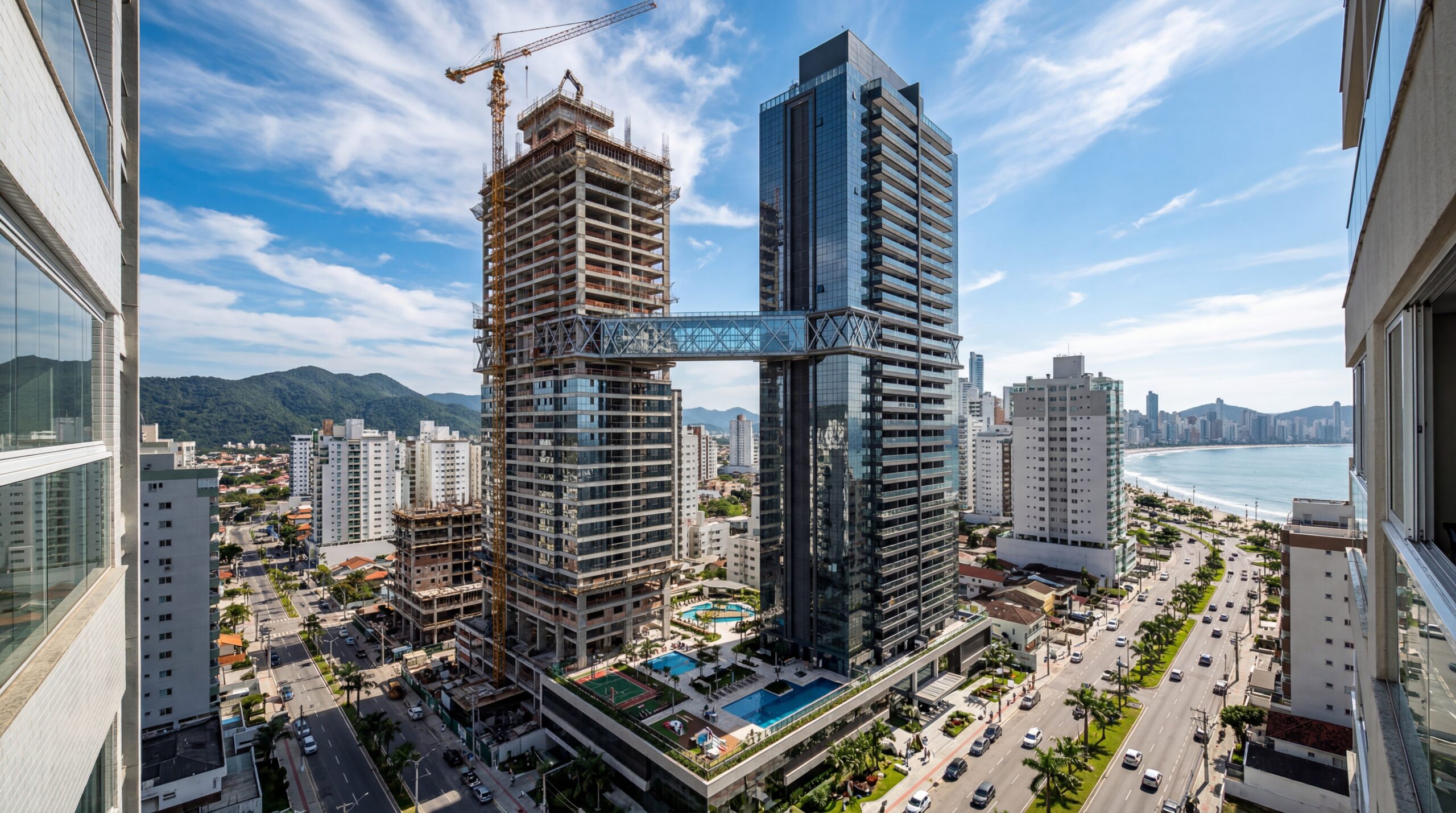
With 55 floors, 177 meters in height, a 15-meter walkway between the twin towers, ventilated facade, and 6,300 m² of leisure space, Ápice Towers already has one tower completed and another nearly at the top.

Although the term “partnership with Venezuela” was widely publicized, the agreement was not formalized in a shareholders’ contract with binding effects, and PDVSA ultimately did not invest financial resources in the project. Petrobras bore the costs alone — which soared from the initial budget of about US$ 2.5 billion to over US$ 18 billion.

From Project to Reality: Costs, Delays and Partial Production
The RNEST was planned to have a total capacity of up to 230,000 barrels per day, focused on producing S-10 diesel, a high-value and high-demand fuel in northeastern Brazil.
However, the project faced a series of issues that prevented it from operating fully:
- The construction was partially completed, with only a part of the authorized operational capacity.
- Costs rose exponentially — far beyond initial estimates.
- Production remained below promised levels for years.
Although the RNEST has been operating since late 2014, with partial capacity, total completion (including the second “train” of refining) has yet to occur, and there are plans for completion with new investments extended to up to 2028-2029.
Corruption and Operation Car Wash: The Judicial Side of the Project
The construction of the refinery was widely investigated by the Operation Car Wash and the Federal Court of Accounts (TCU), which detected signs of overpricing, cartel, and bribery in contracts involving large Brazilian construction companies that participated in the project.
Several lawsuits and convictions related to the construction or contracts of the RNEST have proceeded in Federal Court, involving executives from Petrobras and contracted companies.
What the Project Looks Like Today and Next Steps
Although the RNEST operates partially and plays a strategic role in supplying derivatives — especially diesel — there are still fundamental stages to be completed. Recently, Petrobras signed contracts for the expansion of the refinery, with plans to increase capacity to around 260,000 barrels per day by 2029.
The project, which began with high political symbolism and an ambitious idea of regional cooperation, has now turned into a project known for its bureaucratic and political maze — and a case study for debates on infrastructure planning and state governance.
The RNEST is one of the biggest examples of the complexity and risks of large infrastructure projects in Brazil: a promise of regional integration that ended without financial participation from Venezuela, costs that spiraled out of control, and legal debates that still resonate in the oil and gas sector. Behind the figures and contracts, there are lessons for the future of Brazilian refining.






… [Trackback]
[…] Informations on that Topic: en.en.clickpetroleoegas.com.br/A-billion-dollar-project-and-Latin-American-promise:-the-Abreu-e-Lima-refinery;-the-plan-with-Venezuela-and-why-it-didn’t-turn-out-as-promised./ […]