





 Portuguese
  English
  Spanish
 5 min of reading
  1 comment


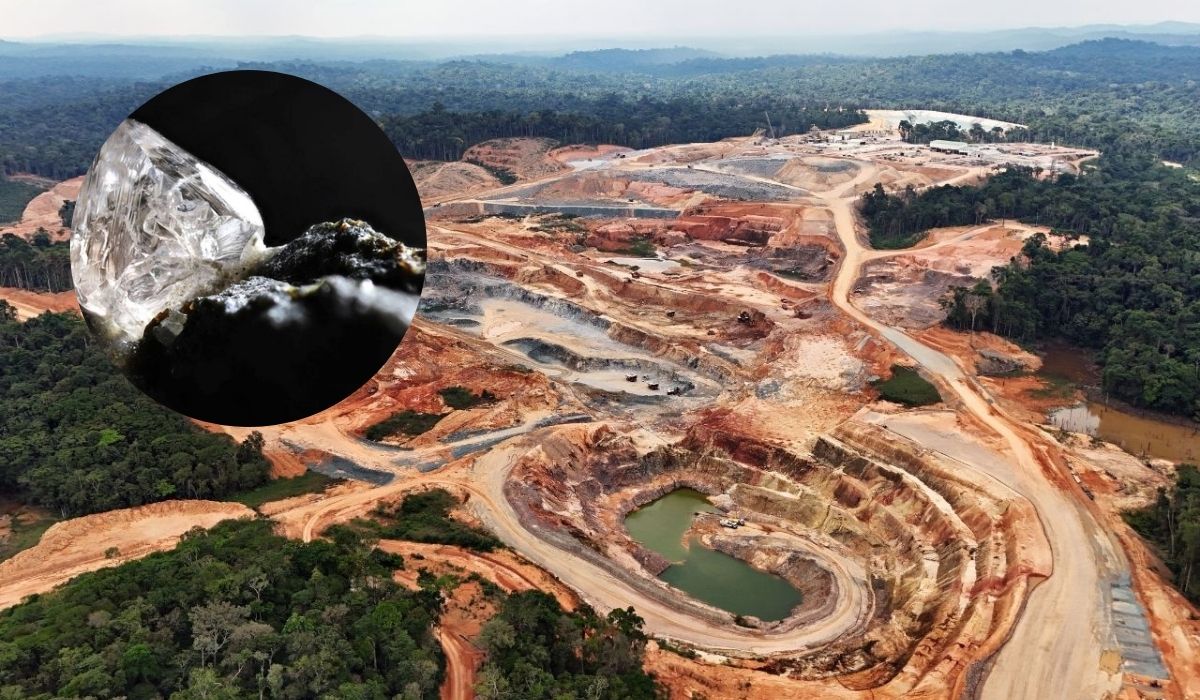


Inland Bahia, A Diamond Mine In Host Rock Began To Attract The Attention Of The Mineral Sector And Repositioned A Municipality On The Gem Map. At The Same Time, Emeralds And Rutilated Quartz Help To Explain Why The State Remains Prominent.
Braúna Mine In Nordestina And The Extraction Of Diamonds In Bahia
Nordestina, inland Bahia, is home to one of the country’s main diamond mining projects: the Braúna mine, operated by Lipari Mining.
According to the company, the operation is based on the extraction of diamonds in host rock, from kimberlite bodies, and has placed the municipality on the national gem production map, even though the area remains little known outside the mineral sector.
The mine is located in the rural area of the municipality and, according to descriptions from the company itself, is situated near the Itapicuru River, in a region with predominantly flat terrain.
-
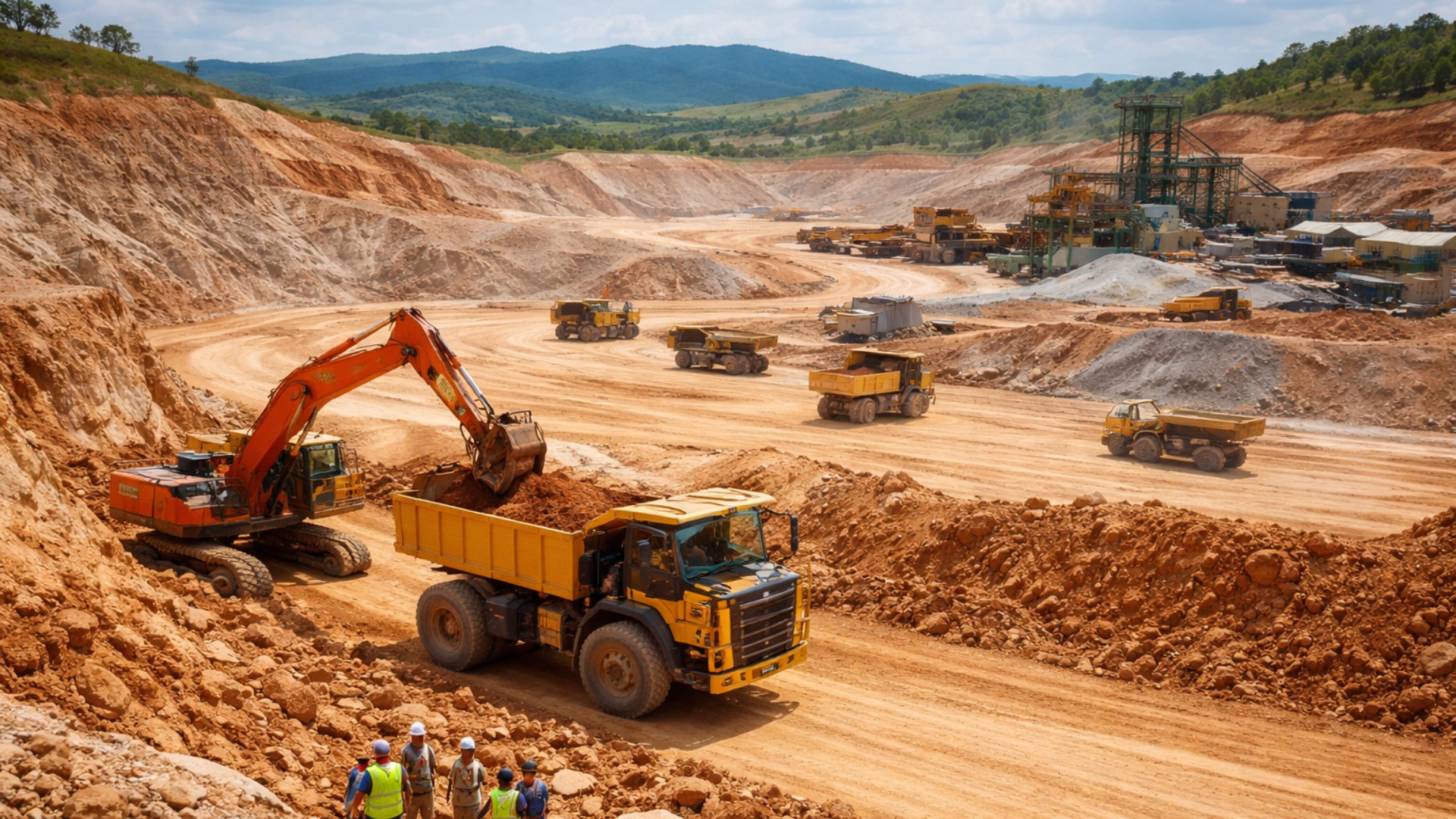
After China, it’s now the turn of the USA to ‘secure’ a share of Brazil’s natural resources: the country buys critical rare earths for R$ 3 billion and enters the center of the global technology dispute.
-
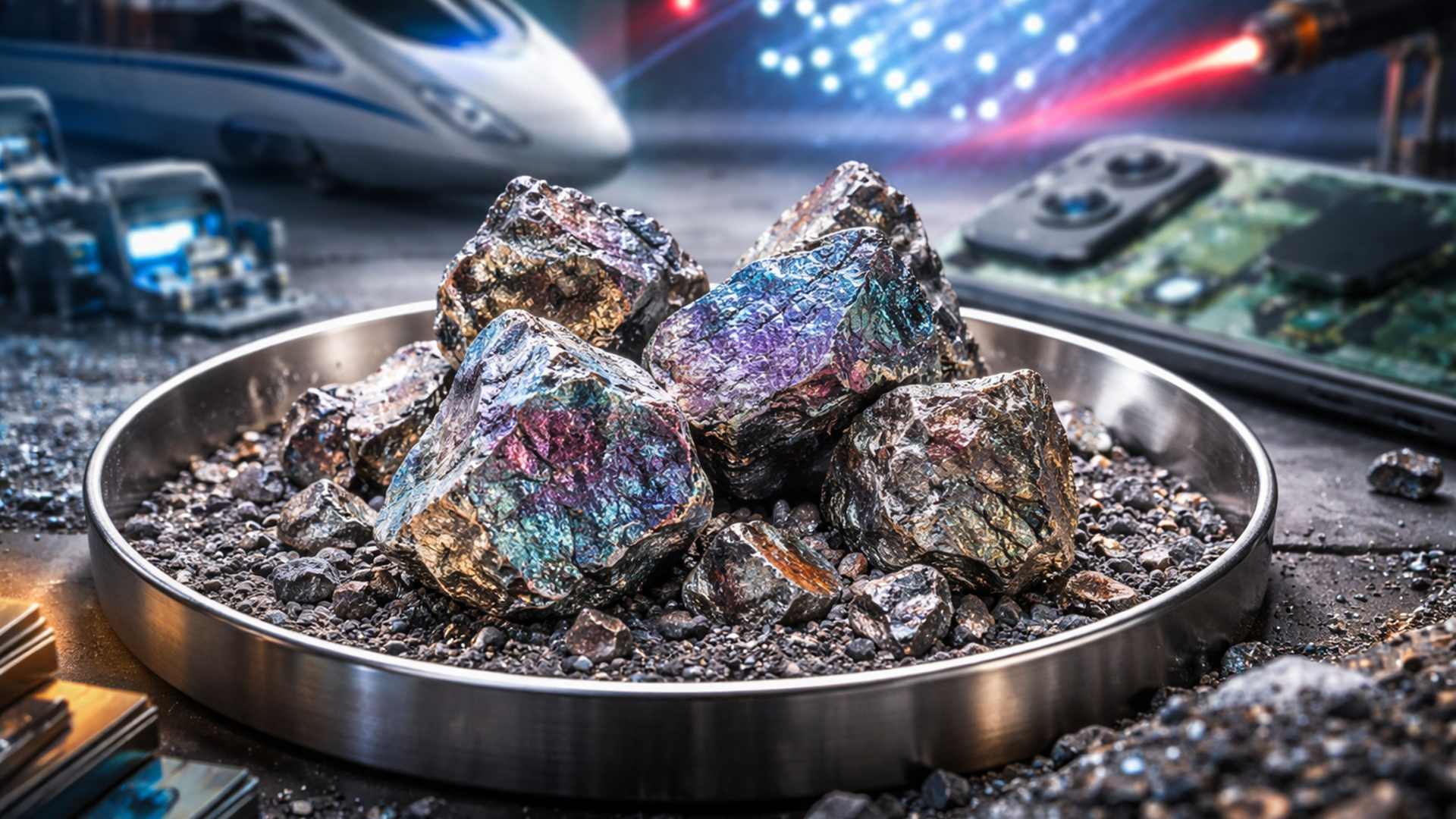
Rare earths are in everything, from cell phones to bullet trains, and what almost no one realizes is why they have become the target of such a delicate global war.
-
Brazil extracts 26.3 million tons of ore from what was previously treated as waste, transforming residues into wealth, producing over 3 million tons of sand, and demonstrating how national mining is relearning to generate value.

-
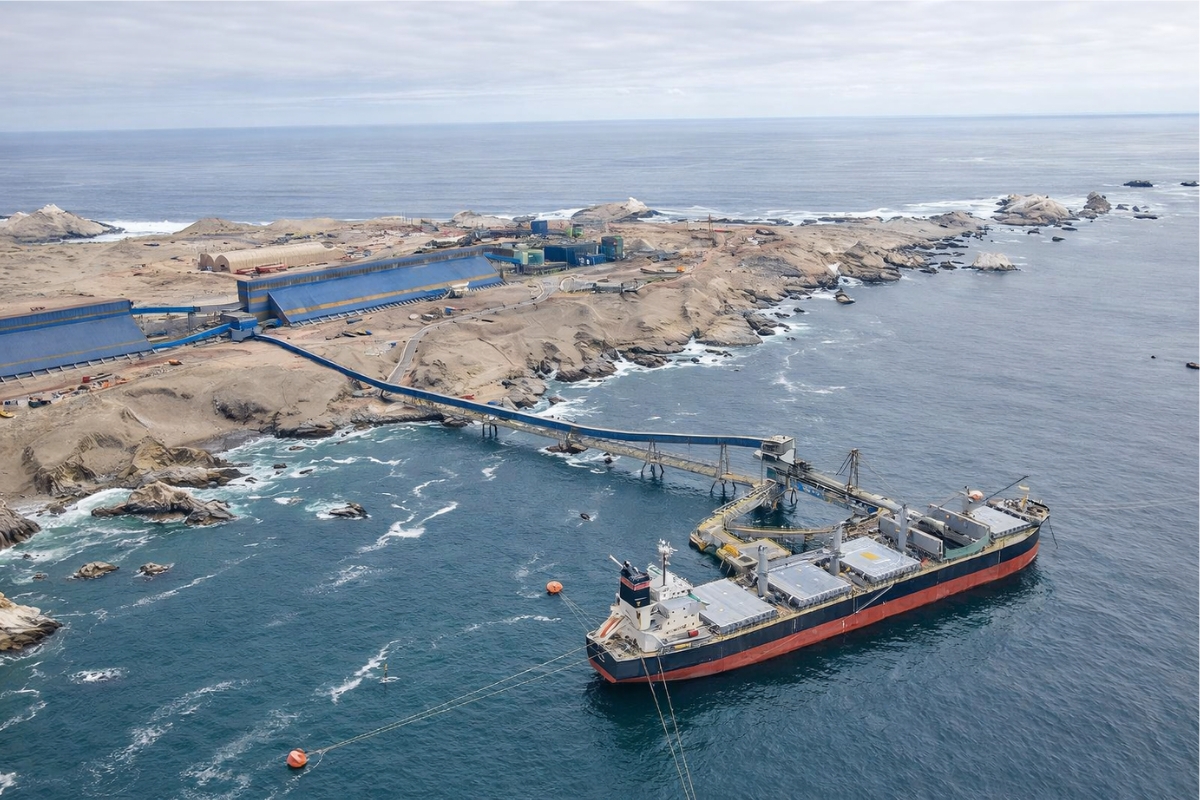
A $3.5 billion megaproject in Latin America pumps desalinated seawater at 1,050 liters per second over 194 km to keep a copper supermine in the Andes operational for another 20 years.

Lipari claims that the complex includes several occurrences of kimberlite, with the body called Braúna 3 being the main one and, so far, the only one in production.
According to Lipari, the project’s development has received an investment of over US$ 100 million.
Diamond Production In Brazil And The Role Of The Braúna Mine
Lipari reports that commercial production at Braúna began in July 2016.
Since then, according to data released by the company, by the end of 2024 approximately 1.19 million carats of rough diamonds have been produced from the processing of kimberlite, with an average grade of 18.2 carats per hundred tons (cpht).
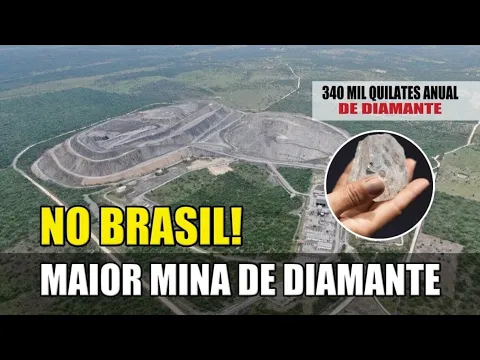

This volume is often used to situate the importance of the project in Brazil and South America.
In industry materials and pages, Braúna is described as the largest diamond mine in South America, a classification that appears in market sources based on corporate information and industry references.
Still, the expression “one of the largest in the world,” common in promotional texts, depends on the criteria used — such as annual production, reserves, grade, value per carat, or lifespan — and is not always accompanied by comparable public rankings.
Revenue, Sales And The Transition To Underground Mining
In the latest figures available from the company itself, Lipari claims that the accumulated gross revenue since the beginning of commercial production totals US$ 214.5 million.
The company associates this result with the sale of just over 1.16 million carats, at an average price of US$ 185 per carat, considering the period since 2016.
The mining company also reports a significant change in the mining method.
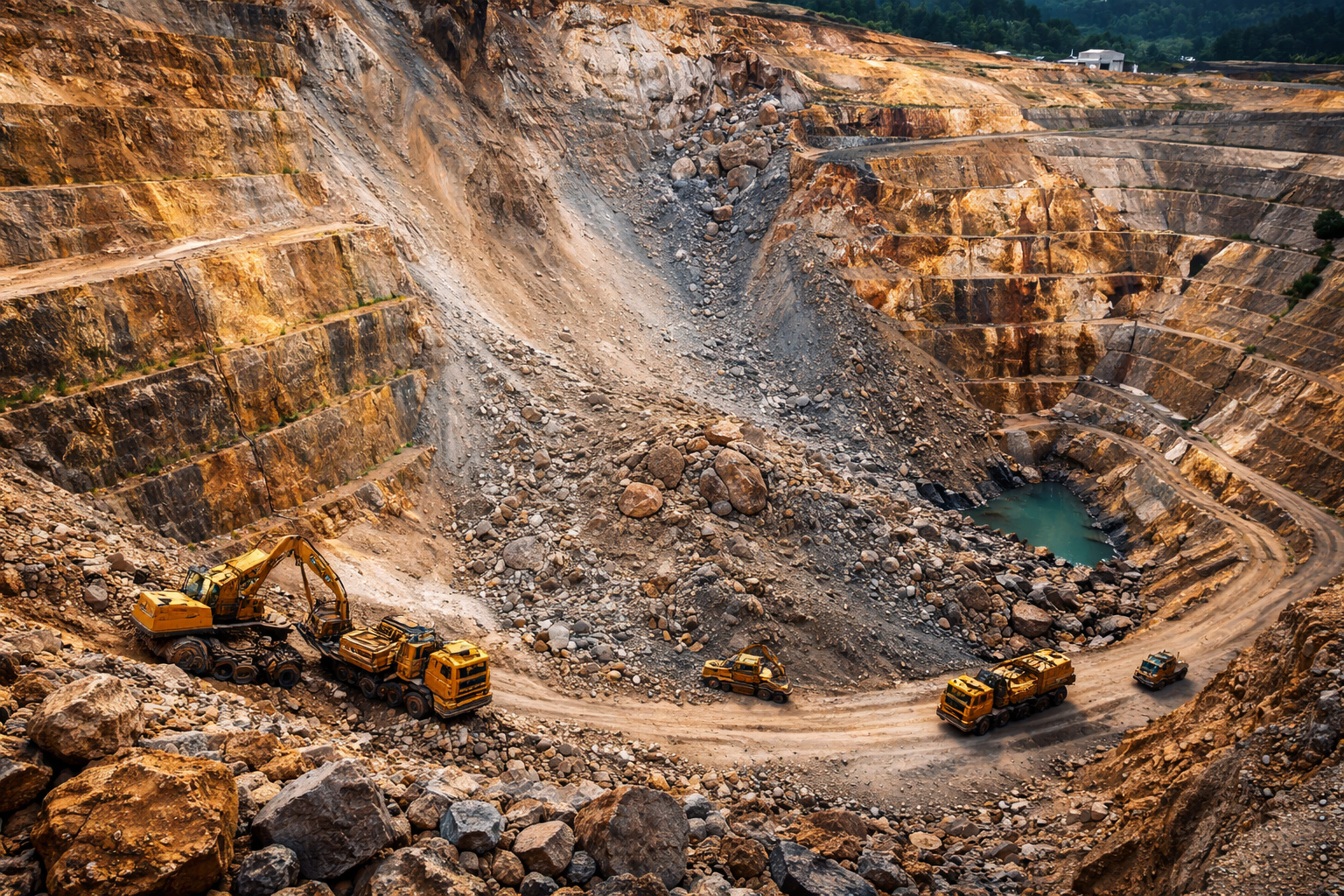
According to Lipari, open-pit operations were suspended in May 2023, when the pit reached the economic limit foreseen in the project planning.
Afterwards, the company states that it maintained processing for a few months with stockpiled lower-grade ore, until the operational transition.
According to the company, underground mining began in February 2024.
Lipari indicates that this phase was planned to extend the lifespan of the operation by another four years, with an expectation of producing approximately 433,000 carats from processing 1.85 million tons of ore, maintaining an average grade of around 17 cpht.
Kimberlite Beneficiation And Water Management In The Operation
The processing of kimberlite occurs in a plant whose capacity, according to Lipari, is 2,500 tons per day, in a continuous regime.
The company describes a crushing and concentration circuit, followed by X-ray systems and XRT technology for diamond recovery, with final separation carried out in a dedicated safety area.
In environmental terms, the company reports that it recycles 98% of the water used in processing.
Lipari also claims that it operates with dewatered tailings and that, in this model, it does not use a tailings dam at the site, a point that appears in public descriptions of the project.
Mineral Northeast And Gem Production In Bahia

The Braúna mine is often mentioned in a broader context of mineral resources in the Northeast, a region that includes different productive chains, such as oil, natural gas, and the production of gypsum from gypsum rock.
In technical terms, the Geological Survey of Brazil has been publishing mapping initiatives and organization of geological data focused on the Northeast, aiming to support diagnostics and planning in the mineral sector.
When it comes to the gem market, Bahia appears as a recurring key player in industry sources.
A specialized publication from the mineral sector, which attributes information to the State Secretary of Economic Development, states that Bahia is the largest producer of diamonds extracted from host rock in the country and ranks second in emerald production.
The same material also points out the state as the leading Brazilian producer of rutilated quartz, with a focus on the external market.
In this view, Nordestina is presented as the municipality associated with Bahia’s diamond production from kimberlite, directly linked to Lipari’s operation.
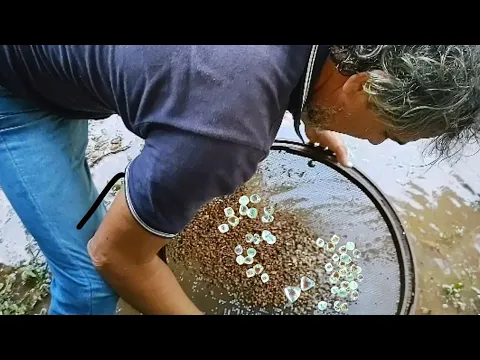
Meanwhile, the state’s relevance in emerald production is associated with traditional areas of illegal mining and initiatives organized by cooperatives in specific regions.
Serra De Carnaíba, Pindobaçu And The Production Of Emeralds
Another prominent hub in specialized publications is the Serra De Carnaíba, in Pindobaçu, where the Cooperativa Mineral Da Bahia operates.
According to the same industry source, the cooperative was founded in 2006 and operates with Mining Permission, concentrating the regional production of emeralds and maintaining requirements that extend to neighboring municipalities.
This set of fronts — diamonds in Nordestina and emeralds in Pindobaçu, as well as other mineral chains present in the state — is used by industry sources to contextualize Bahia’s participation in the Brazilian gem market.
Outside the technical and business circuit, however, the dynamics of these operations tend to appear fragmented, especially when the subject is translated for the general public.
The transition of Braúna to the underground phase and the continuity of emerald hubs in traditional areas highlight a recurring demand: clear data on production, regulation, collection, and local impacts.







Empresa inidonea, não pagam as compras, fiz seguras vendas pela empresa que trabalhava títulos de 7 mil reais totalizando 45 mil reais, não pagaram, deixaram protestar a mais de 5 meses, não atendem e nem respondem aos e-mails, NÃO VENDAM PRA ELES, SÃO CANADENSES QUE VIERAM PRO BRASIL PARA NOS ROUBAR.