





 Portuguese
  English
  Spanish
 3 min of reading
  0 comments


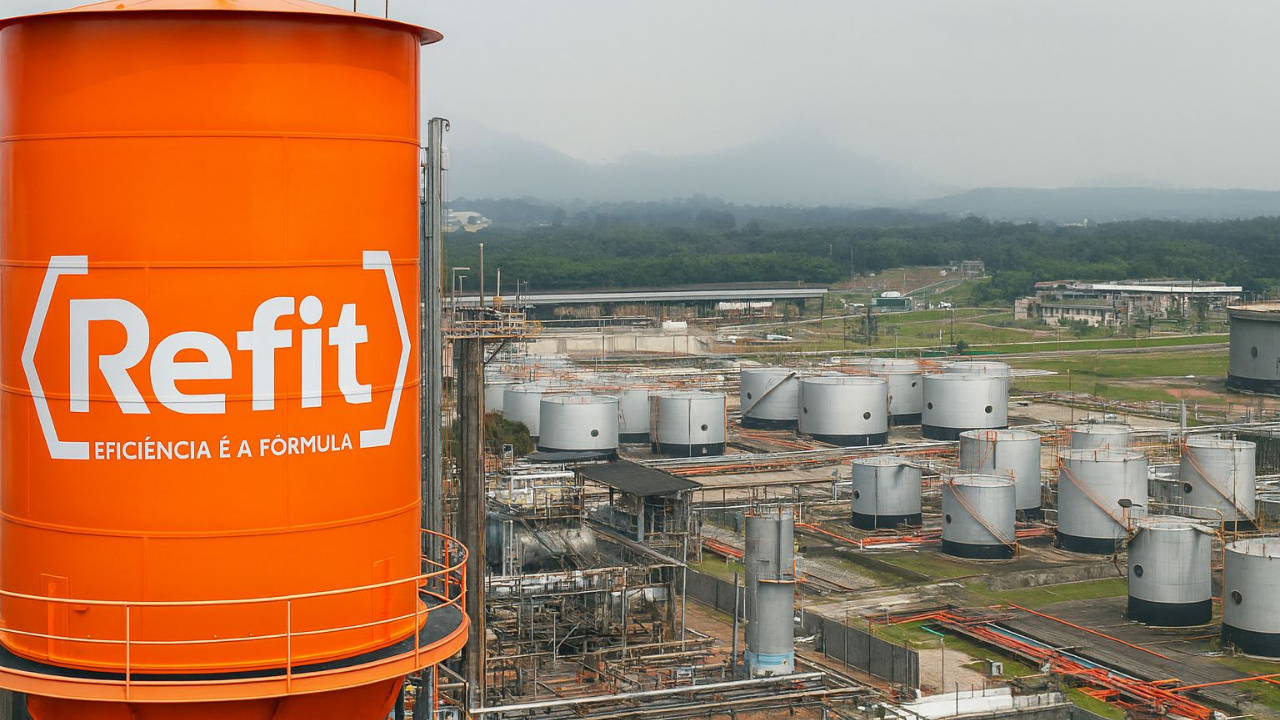
ANP Determined Total Interdiction of Refit in Rio de Janeiro After Identifying Serious Safety Failures in Oil Derivative Production and Imminent Fire Risk.
The oil sector went on high alert in Rio de Janeiro after the National Agency of Petroleum, Natural Gas and Biofuels (ANP) decided to fully suspend Refit, formerly known as Manguinhos Refinery.
The measure was taken after inspectors identified a serious fire risk that could endanger workers, residents of the area, and the structure of the facility itself.
The refinery had already been partially closed since October last year. Nonetheless, according to the regulatory agency, safety issues persisted. Now, the decision has become drastic: all production of oil derivatives is suspended.
-
Petrobras evaluates suspension of sales to distributors and considers canceling the cooking gas auction following guidelines from the Federal Government.
-
Lula reveals a masterstroke by Petrobras to undo a deal made by Bolsonaro, which involves the return of an important refinery that currently produces less than half of what was expected and makes Brazil dependent on international diesel.
-
A study confirms that the natural gas sector will reduce greenhouse gas emissions in Brazil by 0.5% and accelerate the energy transition by 2026.

-
Petrobras implements a severe adjustment and confirms a 55% increase in the price of aviation kerosene with a proposal for installment payments for the companies.

Inspection Reveals Critical Failures in Operations
During an inspection conducted on the 14th, ANP technicians found at least six critical risk situations. The failures were related to safety barriers that should prevent accidents or reduce their impacts.
These barriers are considered essential in facilities that handle oil and highly flammable fuels. When they do not function correctly, any spark can lead to disaster.

According to the document obtained by Broadcast, the situation was so critical that just one error could be enough to cause a tragedy. The text states:
“It is important to emphasize that failures in just one of these critical barriers can lead to a situation of Imminent Serious Risk (ISR) due to the high probability of fatality, and it is not necessary for multiple barriers to be absent or degraded for an ISR situation to be established. In the case of Manguinhos Refinery, there are substantial failures in various barriers.”
Interdiction Affects Entire Oil Derivative Chain
The ANP’s decision did not limit itself to a part of the industrial plant. On the contrary, the agency determined the complete closure of the entire oil derivative production facility.
This includes processing areas, movement sectors, storage tanks, shipping areas, and product loading points. In other words, nothing can operate.
The only exception is the necessary movement to remove the fuels and flammable materials that are still stored in the refinery. This removal is mandatory to reduce the so-called Imminent Serious Risk (ISR).
Why Is the Risk So High in Oil Refineries
Oil refineries operate daily with large volumes of highly volatile substances. Gasoline, diesel, kerosene, and other derivatives are flammable and require strict safety protocols.
When preventive barriers fail, the risk shifts from theoretical to real. Fires in such facilities can spread rapidly, cause explosions, and affect neighboring areas.
Therefore, the legislation allows the ANP to impose immediate interdictions whenever there is a threat to life or the environment.
Refit Had Been on ANP’s Radar Since 2023
Refit did not just come onto the radar now. Since October last year, the refinery has been operating under restrictions. Nevertheless, according to the ANP, the issues have not been resolved.
The new inspection showed that conditions not only remained irregular but had also worsened, leading to the decision to shut everything down.


The closure of a refinery directly impacts the oil and derivative market. With less local production, there is pressure on supply, logistics, and prices.
Additionally, the episode reignites the debate about oversight, industrial safety, and the actual condition of some units in the Brazilian refining park.
Do you think ANP was right to completely close a refinery due to fire risk, even with an impact on the fuel market?









Seja o primeiro a reagir!