





 Portuguese
  English
  Spanish
  3 min of reading
  0 comments


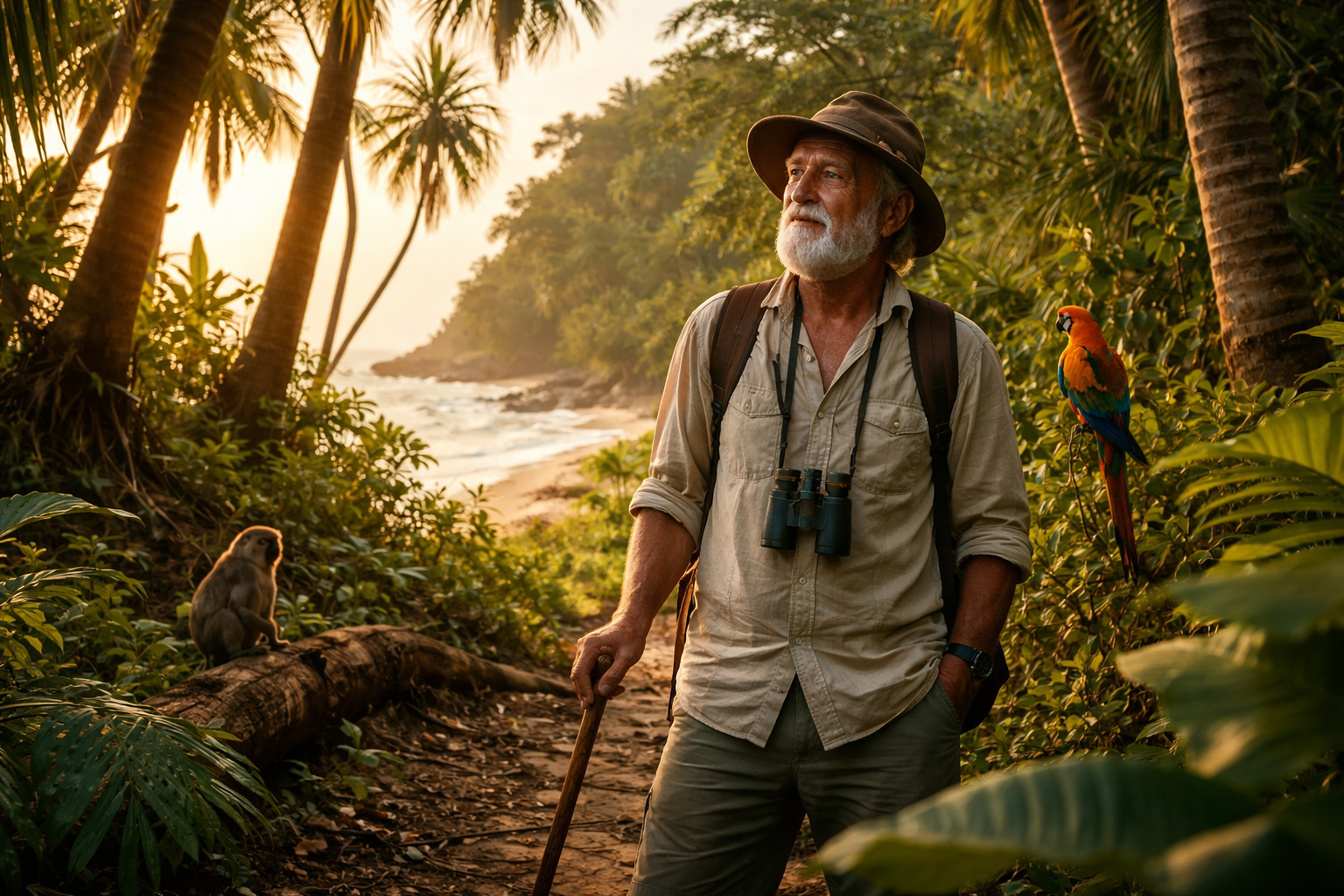
From Journalist to Nature Guardian: The Decision That Changed an Forgotten Island Forever and Transformed an Abandoned Territory into an Internationally Recognized Ecological Sanctuary
In a world marked by accelerated consumption and environmental degradation, some stories emerge as a powerful counterpoint. One of them began in 1962, when Brendon Grimshaw, then a British journalist, decided to abandon a stable career to pursue an uncommon purpose. He purchased Moyenne Island, located in the Seychelles archipelago, for about 8 thousand pounds, an amount considered modest even for that time.
The information was reported by an article written by Mateus Omena, based on historical records and accounts about environmental conservation. Since then, Grimshaw’s journey has come to symbolize how individual actions can generate profound and lasting environmental impacts.
At that moment, Moyenne Island was abandoned, degraded, and practically devoid of fauna. Still, Grimshaw saw a rare opportunity there. Instead of economically exploiting the site, he decided to rebuild the ecosystem from scratch. Thus, he initiated an environmental preservation project without governmental support, sponsorship, or large financial resources.
-
6 sources of free fertilizer that you are throwing away every day and can transform your garden without spending anything.
-
With a water crisis on the radar, Sabesp invests in reclaimed water for data centers and transforms sewage treatment into a solution that saves millions of liters and protects public supply.

-
Foresea achieves 100% offshore waste reuse in 2025, eliminates landfill disposal, and consolidates sustainable strategy with 1,500 tons recycled.
-
With earth, bamboo, straw, and lime mortar, a specialist builds a house for just over $460 and draws attention for its cost being much lower than traditional construction.

The Birth of an Ecological Paradise Built with His Own Hands
From the very beginning, Grimshaw took on an intense routine. He manually opened trails, removed invasive species, and initiated a broad reforestation process. Over decades, he planted more than 16 thousand trees, including mahogany and native palms. These species helped stabilize the soil while simultaneously creating conditions for biodiversity to return.
Additionally, Grimshaw partnered with René Antoine Lafortune, who assisted him in the environmental recovery. Together, they transformed the island into a self-sustaining environment. As a result, native birds began to return, insects reappeared, and ecological balance was gradually restored.
While many environmental projects depend on large structures, the case of Moyenne Island took the opposite path. Every decision prioritized minimal human impact. Thus, the territory began to operate as a living laboratory for environmental conservation.
Protection of Fauna and the Refusal to Turn the Island into a Business

Another essential pillar of the project was fauna. Grimshaw created ideal conditions to house giant tortoises of the Seychelles, an endemic species threatened with extinction. Without fences, aggressive tourist exploitation, or hunting, the animals began to live freely, securely, and in balance with the environment.
As the years went by, investors offered multimillion-dollar sums for the island. However, Grimshaw refused all proposals. He feared that resorts, hotels, or commercial activities would destroy the ecosystem that had been so painstakingly restored. Therefore, he maintained his commitment to environmental preservation until the end of his life.
Grimshaw lived on Moyenne Island until his death in 2012. After his passing, the territory was officially incorporated into the Seychelles National Marine Park, ensuring permanent legal protection. Thus, the project gained institutional continuity without losing its essence.
A Legacy That Proves That Conservation Begins with Individual Choices
Today, Moyenne Island is recognized as one of the smallest national parks in the world. Still, its symbolic impact is immense. The story shows that it is not only governments or large organizations that save ecosystems. In many cases, it all starts with a personal decision guided by environmental consciousness.
As the climate crisis and biodiversity loss progress, Brendon Grimshaw’s example remains relevant. He proved that restoring nature is possible when there is long-term commitment, respect for natural cycles, and a vision beyond immediate profit.
If you had the chance to completely change your life to protect nature, would you make the same choice as Brendon Grimshaw?









Seja o primeiro a reagir!