





 Portuguese
  English
  Spanish
  5 min of reading
  7 comments


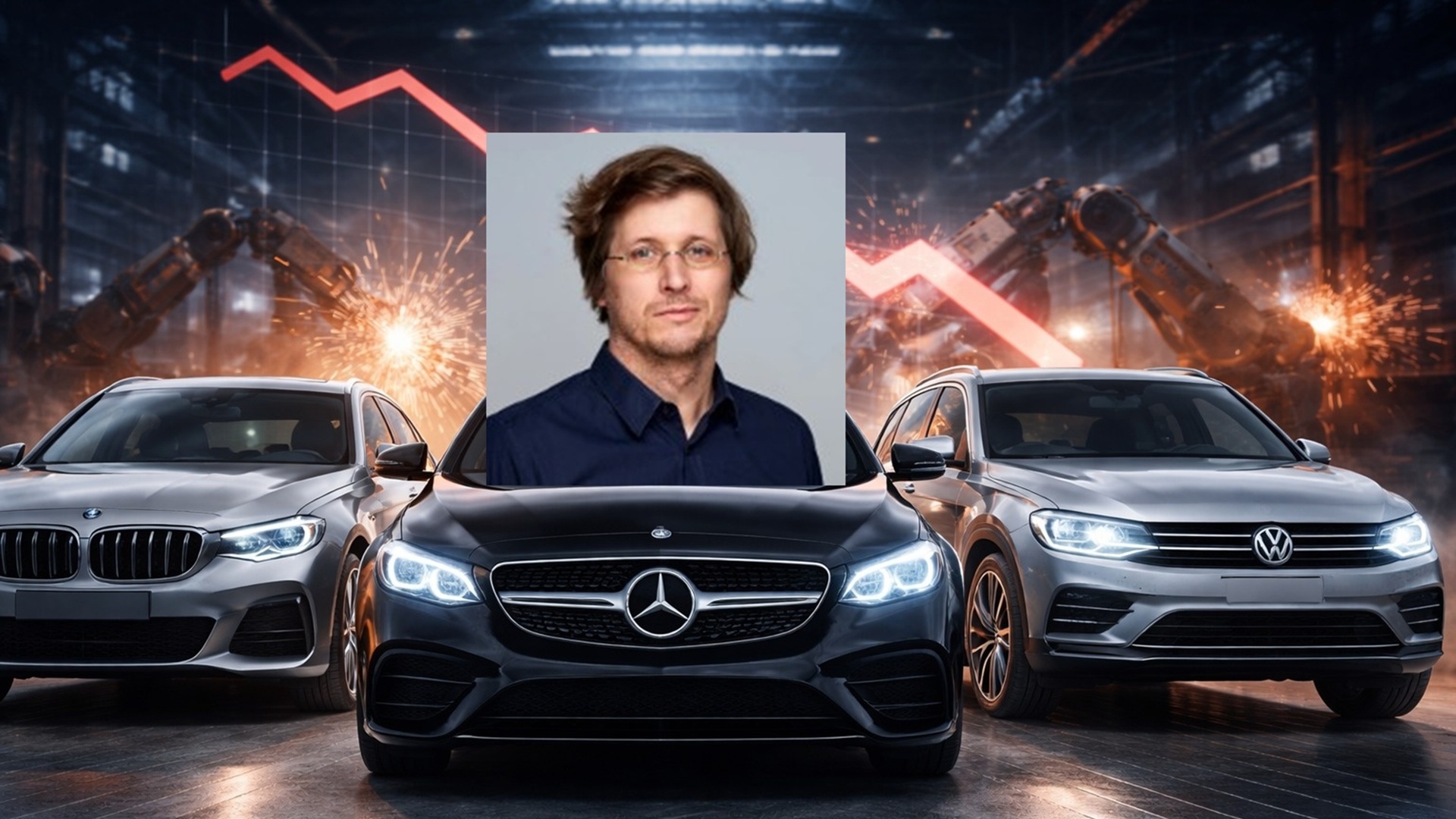


With Origins Between 1886 and 1937, Mercedes-Benz, BMW and Volkswagen Go Through a Decisive Transition Marked by Electrification, Digitalization and Advancement of New Global Competitors, While Economists, Industry and German Government Diverge on Risks, Industrial Models and the Capacity of Adaptation of Automakers Until 2030
The European automotive industry, led by Mercedes-Benz, BMW and Volkswagen, is undergoing a structural transformation marked by the electrification and digitalization of vehicles, challenging industrial models established for over a century and requiring profound changes to maintain global competitiveness.
Historical Origins and Industrial Consolidation
The history of the European automobile is directly linked to the trajectory of Mercedes-Benz, BMW, and Volkswagen, brands that have shaped technical, production, and commercial standards over decades. Their distinct origins converged into lasting industrial leadership.
Mercedes-Benz was founded in 1886, the year Karl Benz patented the Benz Patent-Motorwagen, considered the first automobile in history.
-
Less than a Tera TSI, up to 710 km of range and charging in 9 minutes: the new BYD Song Ultra expands the Chinese brand’s bet on increasingly faster, more technological, and competitively priced electric SUVs.

-
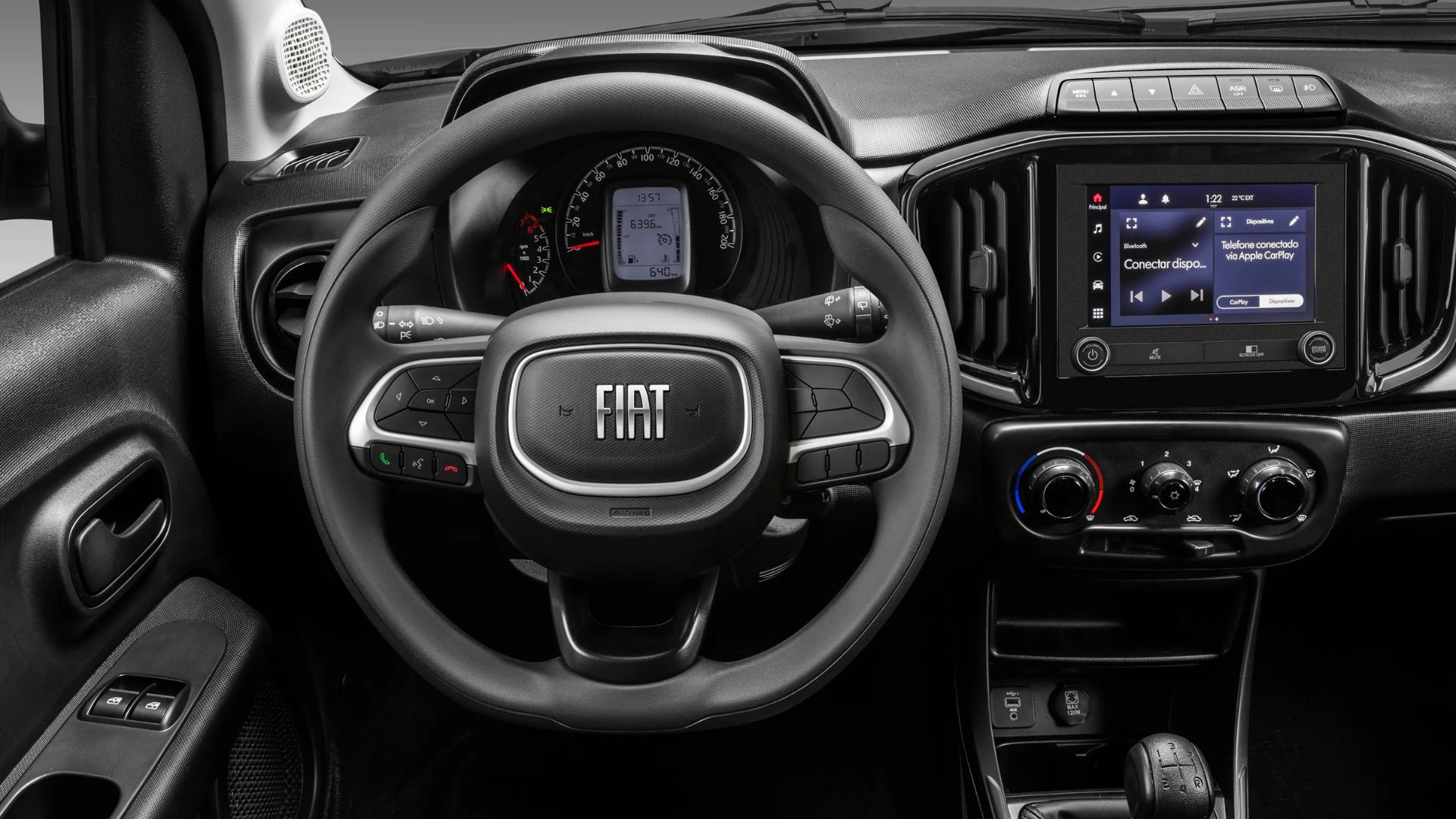
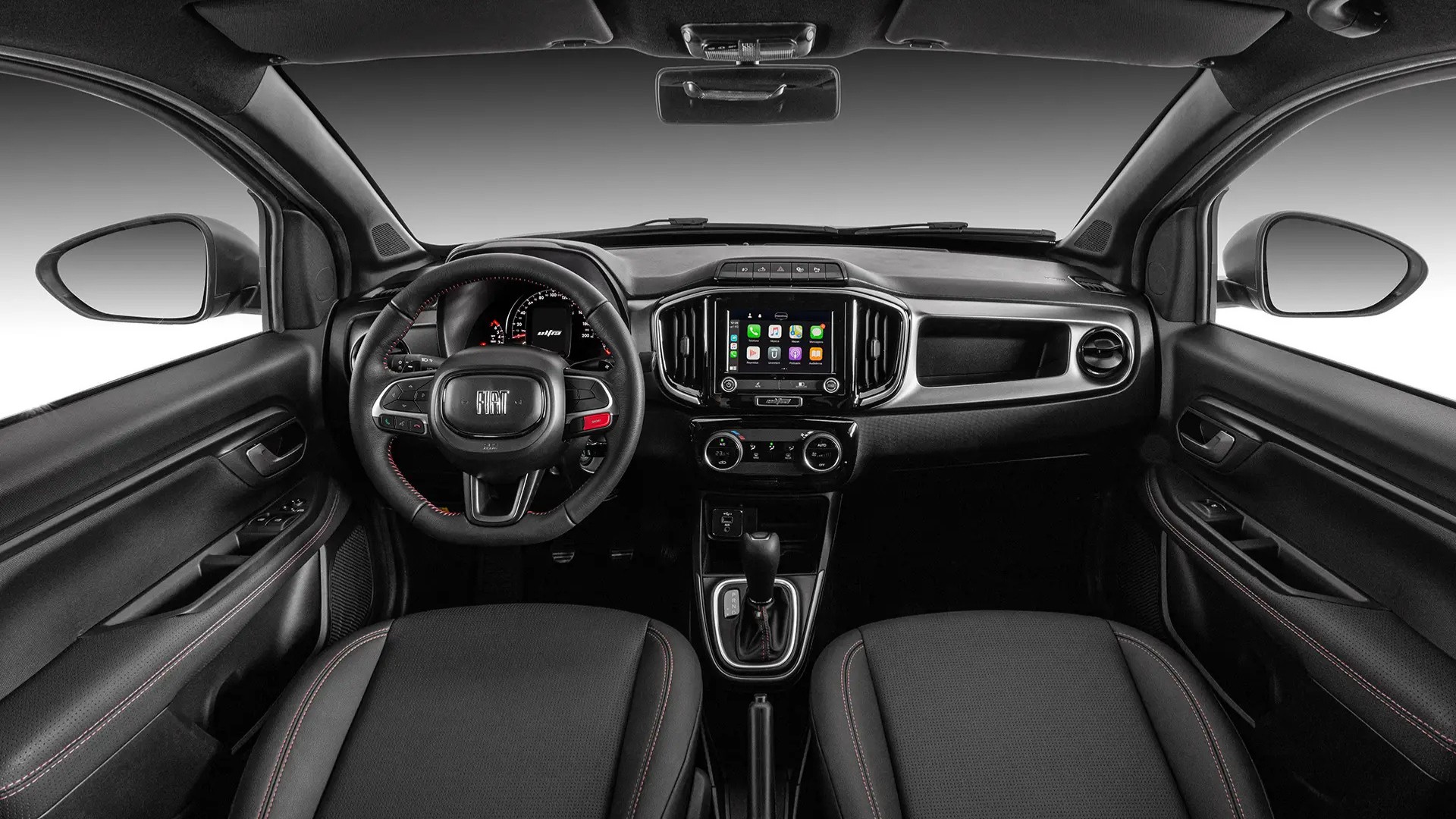
With a 1.0 engine producing 75 hp and costing less than R$ 70,000, Fiat’s car returns to the podium as the cheapest in the country; a temporary promotion for the 2026 Like version reduces the price of the Fiat Mobi.
-
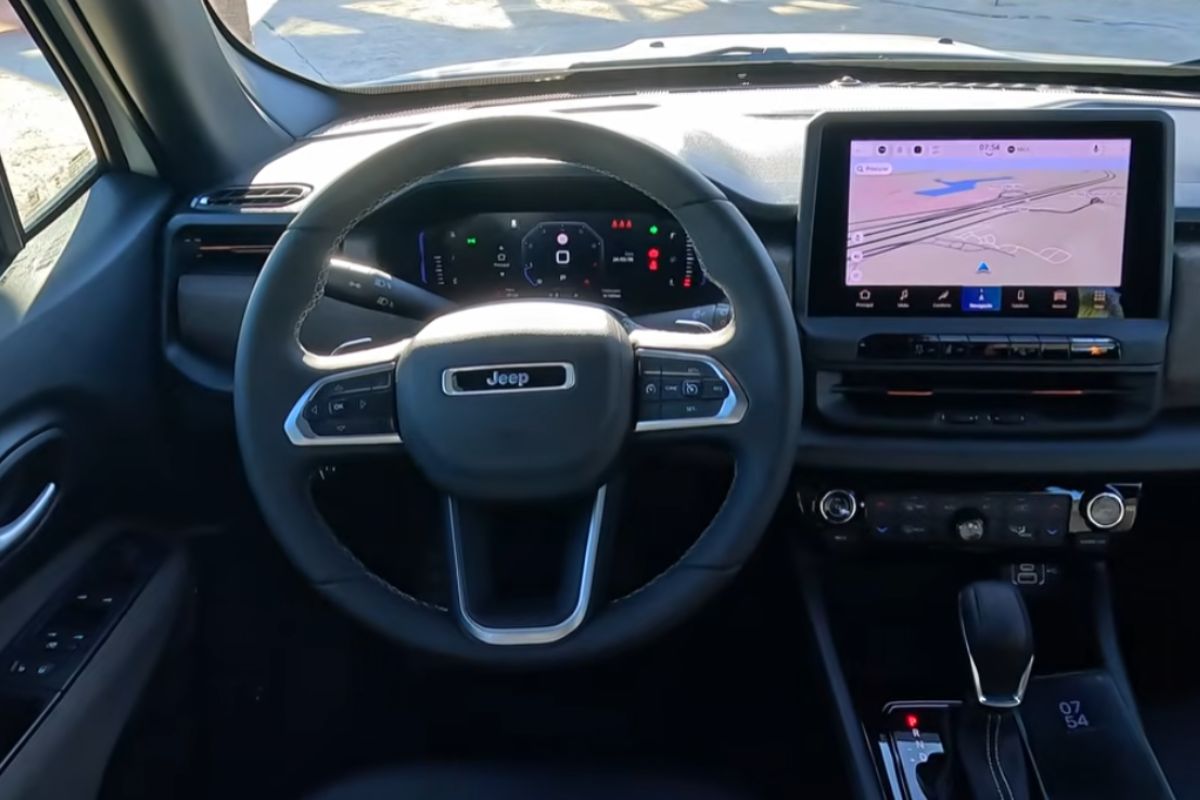
With a mild hybrid system of 48 V, 176 hp and a price of R$ 175,990 in the Sahara version, the new Jeep Renegade changes mostly on the inside, improves slightly in fuel consumption, and remains almost the same car.
-
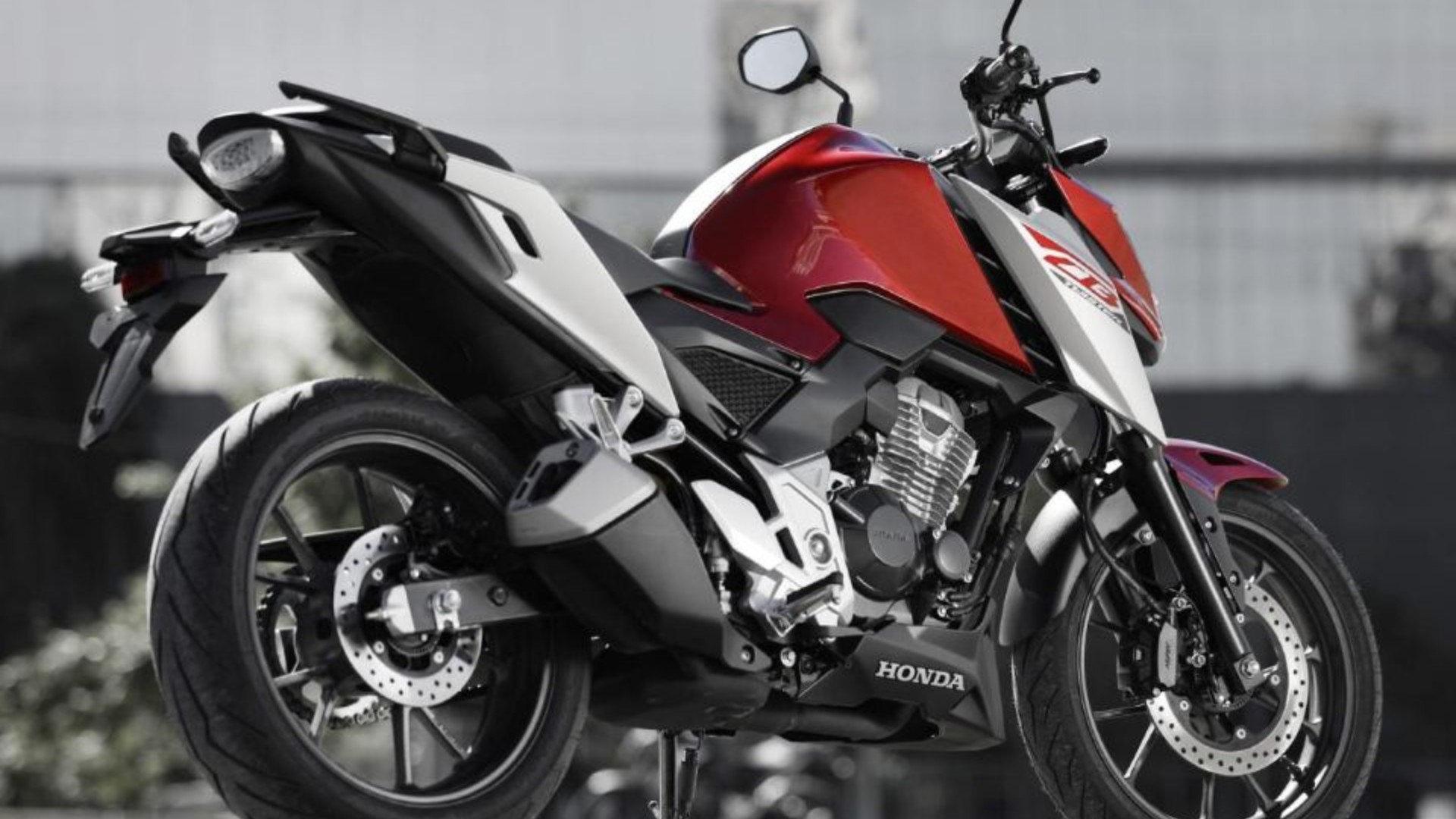
With a 293.5 cm³ engine and a range of up to 400 km with a 14.1-liter tank, the Honda CB 300F Twister 2026 has up to 24.7 hp, an initial price of R$ 25,150, and already exceeds R$ 29,000 in the Fipe Table.

During the same period, Gottlieb Daimler developed high-speed internal combustion engines, establishing the technical foundations of the modern sector.
Since then, the three-pointed star brand has accumulated almost 140 years of industrial experience, associating its image with technological innovation, vehicle safety, and premium positioning, elements that have become benchmarks for manufacturers around the world.
BMW and Volkswagen in the Formation of the European Model
BMW began its activities in 1916 as an aircraft engine manufacturer. In 1928, it started producing automobiles, building an identity linked to precision engineering, mechanical performance, and driving pleasure over nearly a century, consolidating its presence in the global automotive segment.
Volkswagen, founded in 1937, emerged with a distinct goal: to motorize the German population. The launch of the Beetle transformed the brand into a synonym for mass production, resulting in one of the best-selling models in the history of the automotive industry.
Over the decades, Volkswagen ceased to be just a manufacturer of a “people’s car” and became one of the largest automotive conglomerates in the world, with various brands, factories on multiple continents, and over 80 years of accumulated industrial experience.
The Technological Transformation of the Automotive Sector
The automotive industry is currently facing one of its most profound changes since its inception. After decades of dominance by internal combustion engines, the sector is undergoing a redefinition of design, production, and marketing, driven by electric mobility and vehicle digitalization.
Traditional European and Japanese manufacturers are now competing with technology companies and new Chinese groups, which are rapidly advancing in electrification, embedded software, autonomous driving, and artificial intelligence. This convergence has reconfigured global supply chains and strategic alliances.
The focus of competitiveness has shifted to batteries, energy efficiency, integrated digital systems, and charging infrastructure, in a context where public policies and market incentives seek to accelerate the transition to what is considered more sustainable transportation.
The Economic Alert About the Future of German Automakers
This scenario motivated a public alert from German economist Moritz Schularick, president of the Kiel Institute for the World Economy. According to him, the industrial model that supports Mercedes-Benz, BMW, and Volkswagen may not survive as it exists today before 2030.
Schularick presented this assessment in an interview on the program with Caren Miosga, aired by the ARD broadcaster, while analyzing the historical role of the German automotive industry in the economy, employment, and exports of the country.
For the economist, emerging technologies such as electric mobility, artificial intelligence, and software for autonomous and connected vehicles are redefining the concept of an automobile and making obsolete industrial foundations based solely on combustion engines.
Obsolescence of the Traditional Model and Competitive Pressure
Schularick stated that Mercedes, BMW, and Volkswagen will not be able to maintain their identities until the end of this decade if they do not accelerate their adaptation to global trends. According to him, historical strengths may become disadvantages at such a rapid pace of change.
The transition to electric vehicles, according to the economist, is not limited to replacing the engine, but involves a complete reinvention of production processes, supply chains, and business models, requiring capabilities that technology companies already dominate.
In this context, he cited the acquisition of Volvo by the Chinese group Geely in 2015 as an example of how foreign capital can enable technological access and market expansion, allowing for successful adaptation.
Industry and German Political Reactions
The statements prompted an immediate reaction from the German automotive sector. Hildegard Müller, president of the German Association of the Automotive Industry, classified the forecasts as absurd and defended the strength of German automakers.
According to Müller, the challenges faced stem from external factors, such as high energy costs and insufficient political support for innovation. She emphasized that, despite the difficulties, German companies remain competitive in global markets, countering the pessimistic view.
In the political arena, Cem Özdemir from the Green Party rejected the hypothesis of foreign control over Mercedes-Benz, stating that the brand will continue to be a German product with adequate investments in technology.
Digitalization, Employment, and the Risk of Industrial Reconfiguration
Schularick maintained his position by stating that the main future challenge lies in the digital transition, especially in areas such as autonomous driving and connected systems based on artificial intelligence, sectors in which other countries are advancing more rapidly.
According to the economist, the German industry is discussing solutions linked to the past while competitors are building the future, which could result in a loss of prominence. This lag may lead to a profound industrial reconfiguration before the end of the decade.
The alert underscores the strategic importance of the automotive sector for the German economy, responsible for a significant share of GDP and millions of direct and indirect jobs, indicating that a failure to adapt could generate large-scale economic impacts.
Even in the face of disagreements among economists, industry, and government, the debate exposes the magnitude of the challenge faced by historic German automakers, whose survival in the current format will depend on their ability to respond to electrification, digitalization, and new global competition, in a process marked by uncertainties and strategic decisions.





Quem compra carro premium por experiência própria minha não compre bmw, fiquei 17 anos MB comprei 9 MB okm, a 7 messes fui para bmw pensa em
um arrependimento, a bmw não chega no chinelo da MB para mim e um verdadeiro LIXO,
Pior os preços em alguns casos e mais caro que a Mercedes Benz em em termos de comparações de modelos com mesmos pacote,
A primeira que precisa desaparecer e fechar as portas é a BWW querem se comparar a MB, não chega nem no chinelo da Mercedes benz.
Falo isso de cadeira após 17 anos de mb 9 mb okm,
Fui para bmw um LIXO.
Sua opinião. Tenho duas BMW, uma E39, e outra F30, e adoro ambas, pois valorizo design externo e dirigibilidade mais afiada. Não troco por nenhum MB.
Elétricos não vendem 10% do mercado e caindo,China estagnou internamente e eles vão dominar sim,confia hahaha
A China já começou a regurgitar a indústria automobilística; quando se pensa em montar a indústria em outros países há é mau sinal, vão perder a competitividade