





 Portuguese
  English
  Spanish
 2 min of reading
  0 comments


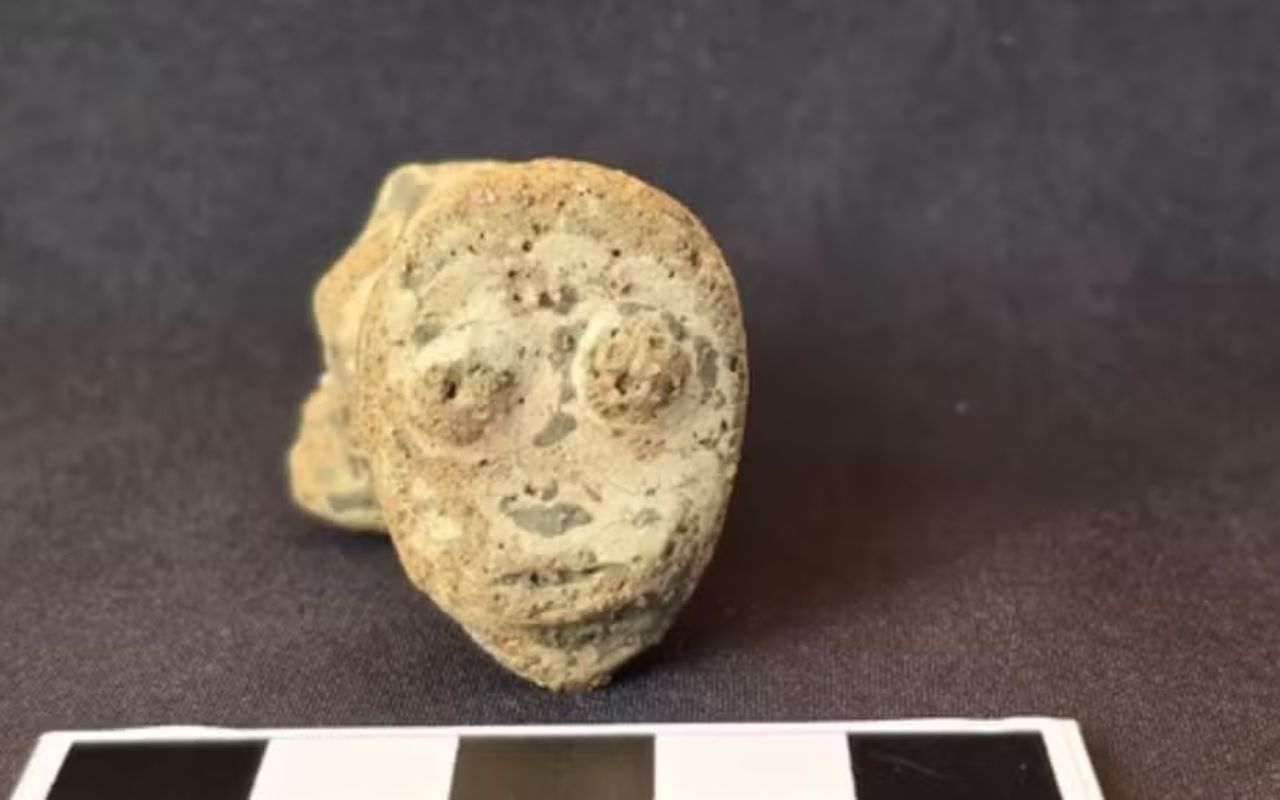
Archaeological Artifacts Were Discovered During Paving Works on BR-156 in Southern Amapá. Findings Highlight the Importance of DNIT Work and Historical Preservation.
During the paving works on BR-156 in Southern Amapá, technical teams located archaeological artifacts indicating the presence of ancient civilizations in the region.
The first findings occurred in May 2025, in areas monitored by DNIT, near the Vila Nova River, as part of the environmental requirements of the project.
The initiative aims to ensure the advancement of the highway without compromising local historical and cultural heritage.
-
Solution for plastics: understand how the cockroach emerges as an ally against pollution and drives innovative sustainability pathways with real benefits for the environment.

-
The United States Navy revealed a sixth-generation fighter concept with a bat-like shape that promises to fly at four times the speed of sound and operate from aircraft carriers with stealth technology never seen before.

-
China is sending 600 state-of-the-art buses to transform Nicaragua into a benchmark for public transportation in Latin America, and the first giant batch of 180 units has already arrived in the country, surprising everyone.

-
Chinese scientists have created plants that glow in the dark using luminescent fungi, and they now say that this technology could illuminate entire cities without spending a dime on electricity.

Archaeological Findings Change Historical Reading of the Region
The archaeological artifacts identified include fragments of decorated pottery, stone tools, and objects related to daily activities.
According to technicians involved in the work, the materials help understand how the ancient peoples of the region were socially and economically organized.
Thus, the remains expand knowledge about human occupation in Southern Amapá.
Area Near BR-156 Concentrates Relevant Archaeological Site
The discoveries occurred in an area recognized as archaeological site Quintela I.

At the site, preserved ceramic vessels were found, some with decorative characteristics associated with the Marajoara tradition.
This type of pottery is considered one of the most advanced cultural records of indigenous peoples in the Amazon.
Preliminary analyses indicate that some of the archaeological artifacts belong to groups connected to the Jari tradition, who inhabited the region about 1,200 years ago.
Other artifacts show traits associated with the Koriabo peoples, who occupied areas of Southern Amapá and Pará between 1000 and 1700.
These records reinforce the historical significance of the area crossed by BR-156.
DNIT Maintains Archaeological Salvage During Works
The DNIT reports that monitoring and archaeological salvage actions occur continuously during the paving works.
The procedure follows the rules of environmental licensing and ensures that the findings are documented and preserved appropriately.
Paving of BR-156 Follows in Phases in the Southern Section
The BR-156, considered the main highway of Amapá, has a total of five lots, with three already contracted in the southern section.
The first lot is under execution, while the others are awaiting the start of works in 2026, reinforcing the strategic role of the highway for regional development.
Source: g1








-

-

2 pessoas reagiram a isso.