





 Portuguese
  English
  Spanish
  5 min of reading
  0 comments


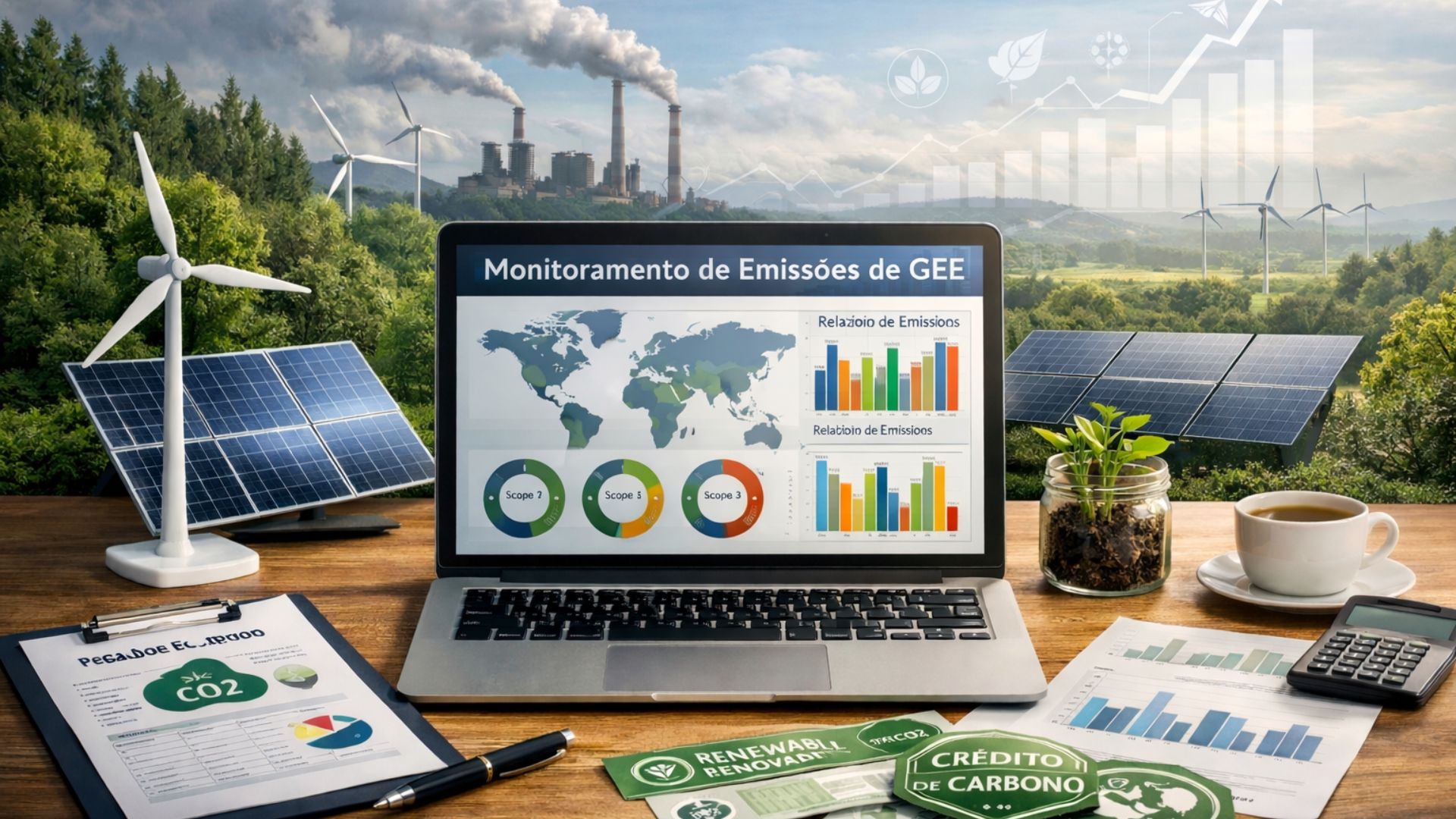
Axia Energia Launches New Digital Tool That Helps Small and Medium Enterprises Calculate GHG Emissions, Structure Decarbonization Strategies, and Advance Sustainability with Integrated Environmental Compensation Solutions.
Axia Energia announced the launch of METRIA, a digital platform developed in partnership with the Electric Power Research Center (Cepel) to measure GHG emissions, support decarbonization strategies, and expand access for small and medium enterprises to structured sustainability solutions.
According to an article published by Cenário Energia and other outlets in the first week of January, the tool, which is available on the company’s website, integrates carbon inventory, renewable energy, and carbon credits in a single digital environment, with methodology aligned to recognized international standards.
METRIA: Axia Energia’s Innovation for GHG Emission Management
Measuring emissions is the first step to reducing climate impacts. Without reliable data, there can be no consistent energy transition. By democratizing access to a technical and auditable calculator, Axia Energia strengthens the role of the electricity sector as a driver of decarbonization in the Brazilian economy and increases the capacity of smaller companies to respond to growing environmental market demands.
-
6 sources of free fertilizer that you are throwing away every day and can transform your garden without spending anything.

-
With a water crisis on the radar, Sabesp invests in reclaimed water for data centers and transforms sewage treatment into a solution that saves millions of liters and protects public supply.

-
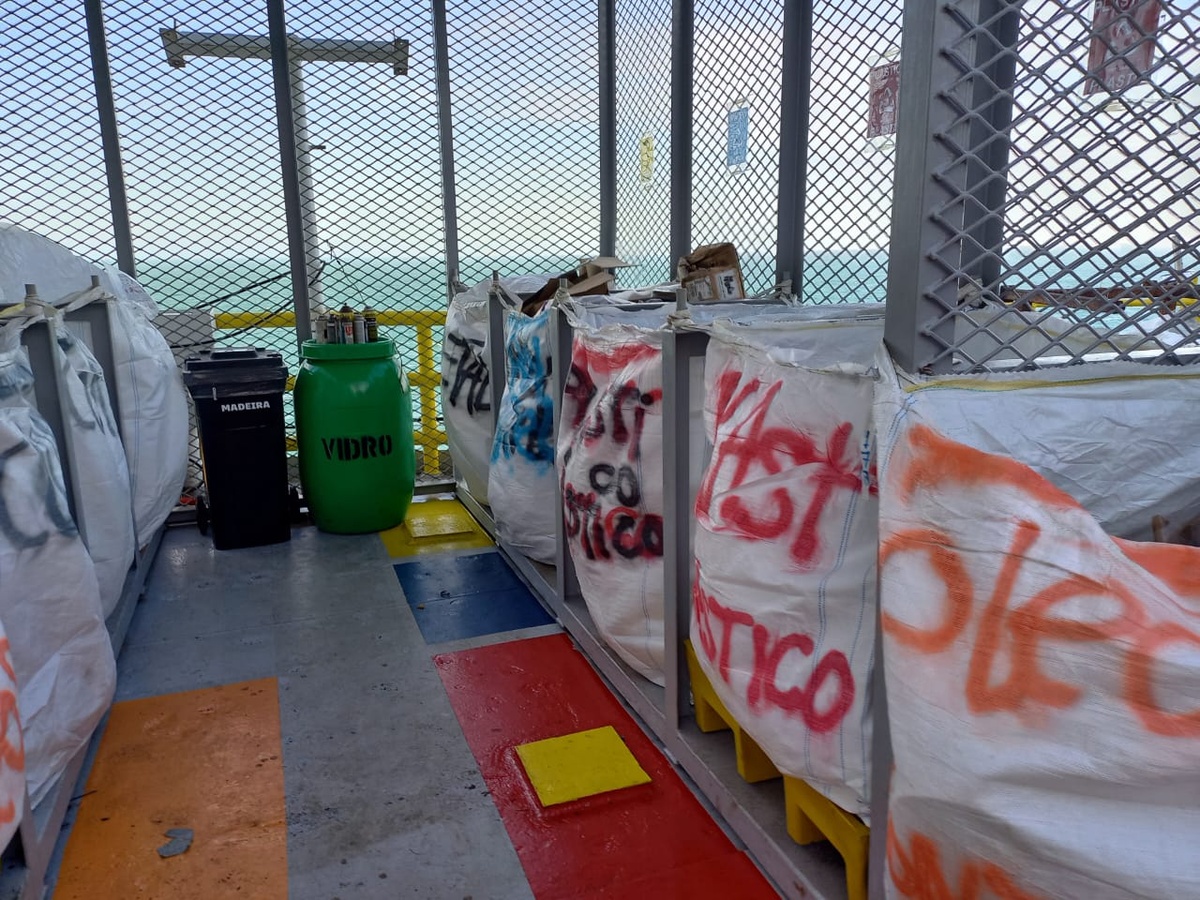
Foresea achieves 100% offshore waste reuse in 2025, eliminates landfill disposal, and consolidates sustainable strategy with 1,500 tons recycled.
-
With earth, bamboo, straw, and lime mortar, a specialist builds a house for just over $460 and draws attention for its cost being much lower than traditional construction.


The creation of METRIA occurs within the context of advancing ESG agendas and increased regulatory, financial, and reputational pressure on companies across all sectors. Global supply chains increasingly demand transparency, traceability, and consistent data on GHG emissions, making the carbon inventory a strategic requirement.
Developed by Axia Energia in partnership with Cepel, the platform is designed to specifically meet the needs of small and medium enterprises that still face technical and operational barriers in structuring their sustainability journey. The proposal is to offer an accessible tool without sacrificing methodological rigor.
METRIA transforms technical complexity into practical decisions. With an intuitive interface and clear language, the platform allows companies to understand their emission sources and initiate concrete decarbonization processes, even without prior expertise in carbon management.
GHG Emission Inventory as the Basis for Decarbonization
The GHG emission inventory is recognized internationally as the starting point for any effective climate strategy. Without proper measurement, it is impossible to set realistic goals, prioritize actions, or demonstrate progress in sustainability.
In METRIA, the process is entirely digital. After registration, the user provides operational and energy consumption data, such as electricity usage, fuels, and logistical activities. The platform then identifies and quantifies the main emission sources of the business.
Axia Energia structured METRIA to function as a continuous management tool, allowing companies to track the evolution of their GHG emissions over time and assess the effectiveness of the actions taken in their decarbonization strategy.
METRIA’s Methodology Aligned with International Sustainability Standards
From a technical perspective, METRIA was developed based on leading global references for carbon accounting, including the GHG Protocol and guidelines from the Intergovernmental Panel on Climate Change (IPCC), widely used in corporate sustainability reporting.
The platform organizes GHG emissions into three scopes, providing a comprehensive view of direct and indirect emissions associated with business activities. Scope 1 accounts for emissions from the combustion of fossil fuels in fixed and mobile sources, using national and international emission factors.
In Scope 2, METRIA considers emissions associated with electricity consumption, using the average factors from the National Interconnected System, published by the Ministry of Science, Technology, and Innovation.
Scope 3 evaluates indirect emissions from the value chain, based on international Life Cycle Assessment databases, such as Ecoinvent. This structure lends technical credibility to the tool and strengthens its application in robust decarbonization and corporate sustainability strategies.
Axia Energia Connects GHG Emissions to Compensation with Renewable Energy
One of the differentiators of METRIA is the integration between the GHG emission inventory and the compensation solutions offered by Axia Energia. At the end of the calculation process, the platform generates a detailed report and suggests alternatives compatible with the company’s profile.
Among the available options are renewable energy certificates, such as I-RECs and RECFYs, as well as carbon credits. This model reduces complexity for companies that are at the early stages of their sustainability journey and do not yet understand how the compensation market operates.
By connecting measurement and neutralization, Axia Energia helps accelerate decarbonization and reinforces the importance of traceability and credibility of the environmental instruments used.
Axia Energia’s Commitment to Sustainability and Net Zero Goal
The launch of METRIA also reinforces Axia Energia’s strategic positioning as a leader in the energy transition in Brazil. The company, recognized as the largest 100% renewable company in the Southern Hemisphere, has set a goal to achieve Net Zero by 2030.
According to Ítalo Freitas, Vice President of Energy Commercialization and Solutions, the new platform represents a crucial step in the company’s strategy for diversification and expansion of its climate solutions.
The launch of METRIA reinforces Axia Energia’s commitment to the decarbonization of the Brazilian economy, providing support for companies to advance in reducing or neutralizing their emissions, the executive stated.
The statement emphasizes the view that the decarbonization of the productive system depends not only on the supply of clean energy but also on instruments that help consumer companies understand, manage, and mitigate their GHG emissions.
METRIA Strengthens Sustainability of Small and Medium Enterprises
Small and medium enterprises face specific challenges when it comes to sustainability, such as budget limitations, lack of specialized technical staff, and difficulty accessing reliable tools. In this scenario, METRIA positions itself as a strategic solution.
By combining the technical expertise of Cepel with Axia Energia‘s operations in the renewable energy market, the platform expands access to decarbonization in a practical, verifiable manner aligned with the demands of investors, clients, and global supply chains. Sustainability moves from being a cost to a competitive advantage.
Additionally, the reports generated by METRIA can support accountability processes, institutional communication, and meeting increasing demands for environmental transparency.
A New Step Towards Decarbonization of the Brazilian Economy
The launch of METRIA represents a significant advance in the climate agenda of the electric sector and the Brazilian business environment. By offering a robust platform to measure GHG emissions, integrate compensation solutions, and expand access to sustainability, Axia Energia directly contributes to the decarbonization of the economy.
With METRIA, Axia Energia strengthens the role of the electricity sector as an agent of transformation, supporting companies of all sizes in building solid climate strategies aligned with best international practices and the demands of a rapidly evolving market.









Seja o primeiro a reagir!