





 Portuguese
  English
  Spanish
 5 min of reading
  1 comment


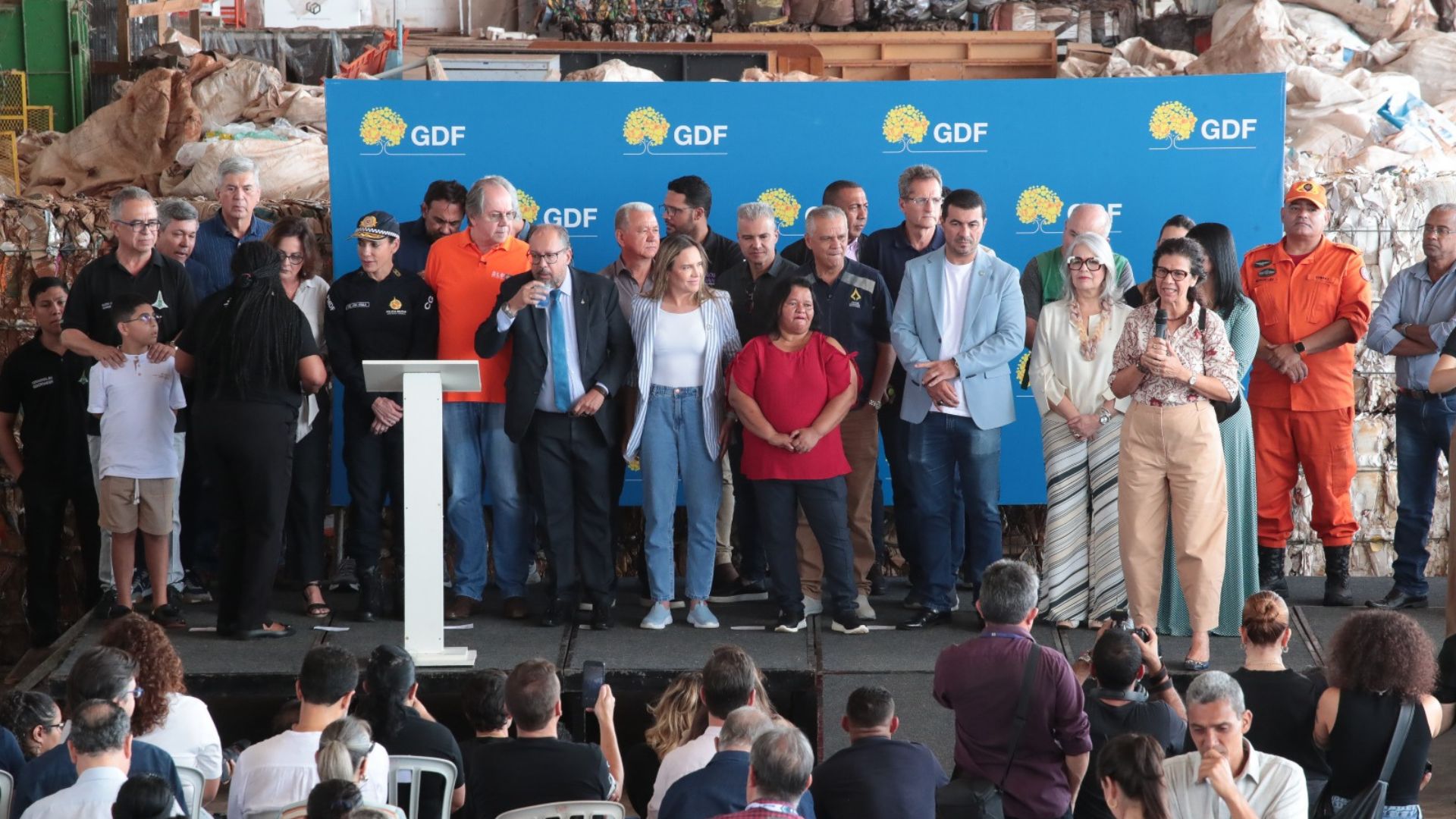


BNDES-Supported Project Strengthens Recycling in the Federal District, Increases Income for Collectors, Modernizes Infrastructure, and Reinforces Sustainability with Public Investments and Positive Environmental Impact
BNDES invests R$ 21.3 million in non-repayable resources to strengthen the Recycling Complex of the Federal District, starting a new decisive phase of a relevant urban sustainability project in the country. The initiative, officially announced this Friday (9), combines social inclusion, modernization of solid waste management, and concrete environmental gains, directly benefiting over a thousand recyclable materials collectors.
New Phase of the Recycling Complex Expands Social and Environmental Reach
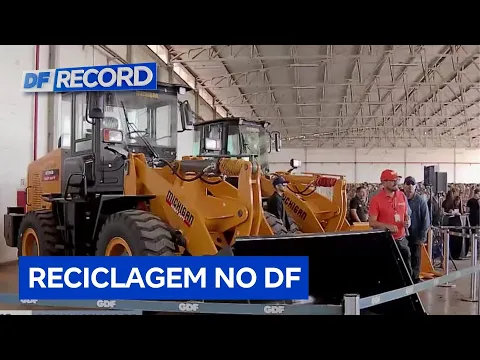
The project is executed by the Government of the Federal District (GDF) and involves the Central Cooperative of Recyclable Material Workers of the Federal District and Surrounding Areas (Centcoop). The ceremony marked the delivery of equipment, the start of adaptation works, and the release of the last installment of BNDES resources, amounting to approximately R$ 5.3 million.
The new phase of the Recycling Complex of the Federal District represents a significant operational advance. With the final release of BNDES resources, the project enters a consolidation stage that will allow greater efficiency in the sorting, processing, and commercialization of recyclable materials.
-
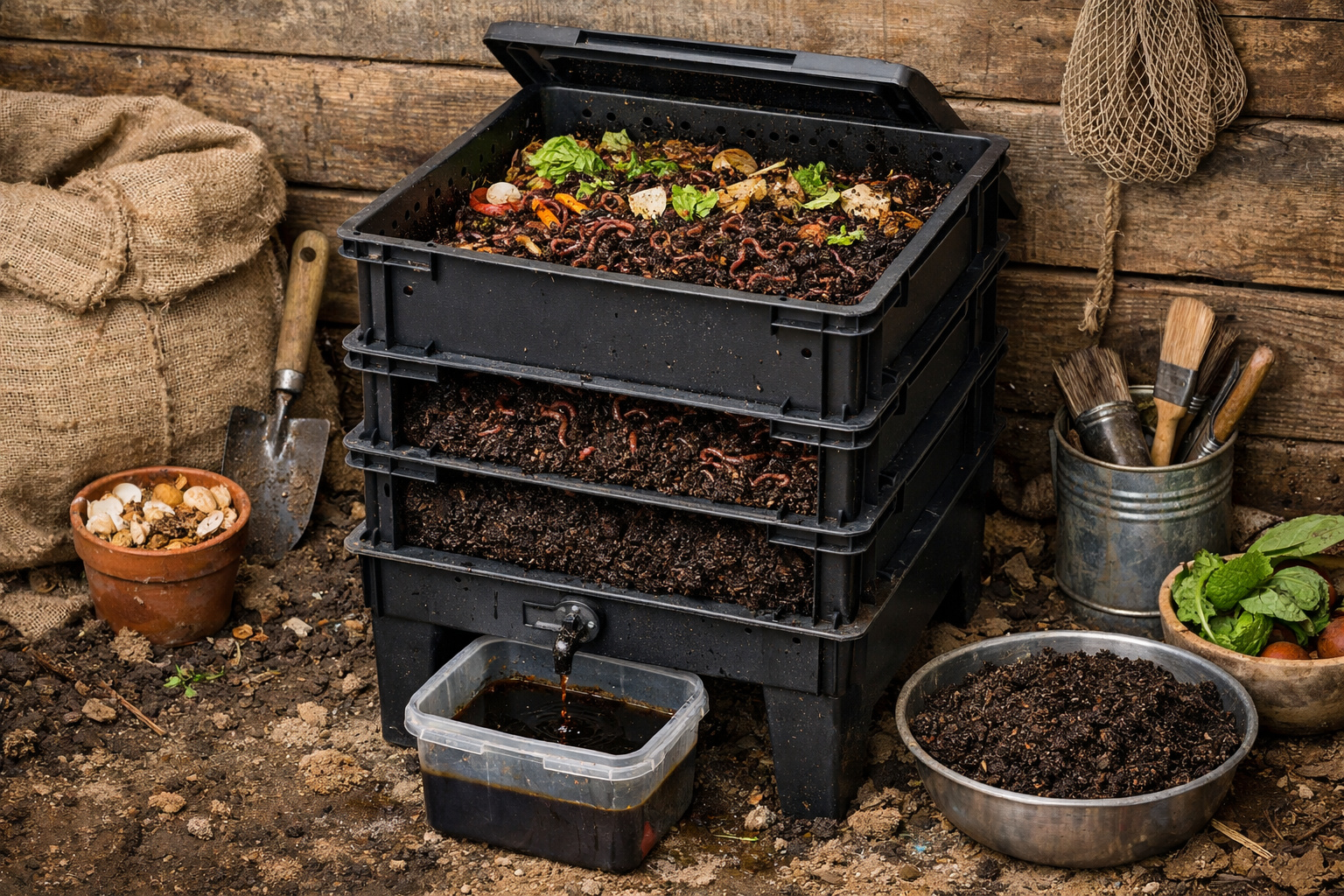
6 sources of free fertilizer that you are throwing away every day and can transform your garden without spending anything.
-
With a water crisis on the radar, Sabesp invests in reclaimed water for data centers and transforms sewage treatment into a solution that saves millions of liters and protects public supply.

-
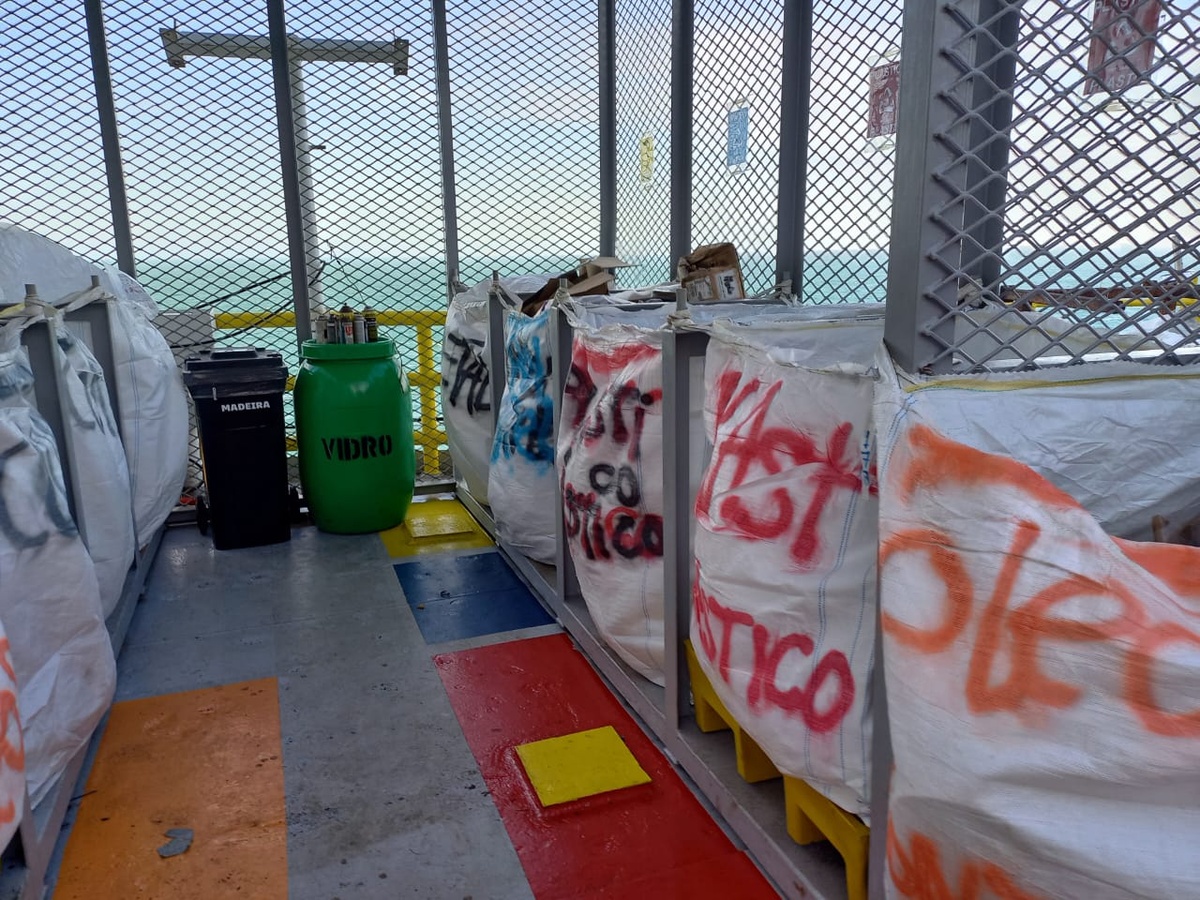
Foresea achieves 100% offshore waste reuse in 2025, eliminates landfill disposal, and consolidates sustainable strategy with 1,500 tons recycled.
-
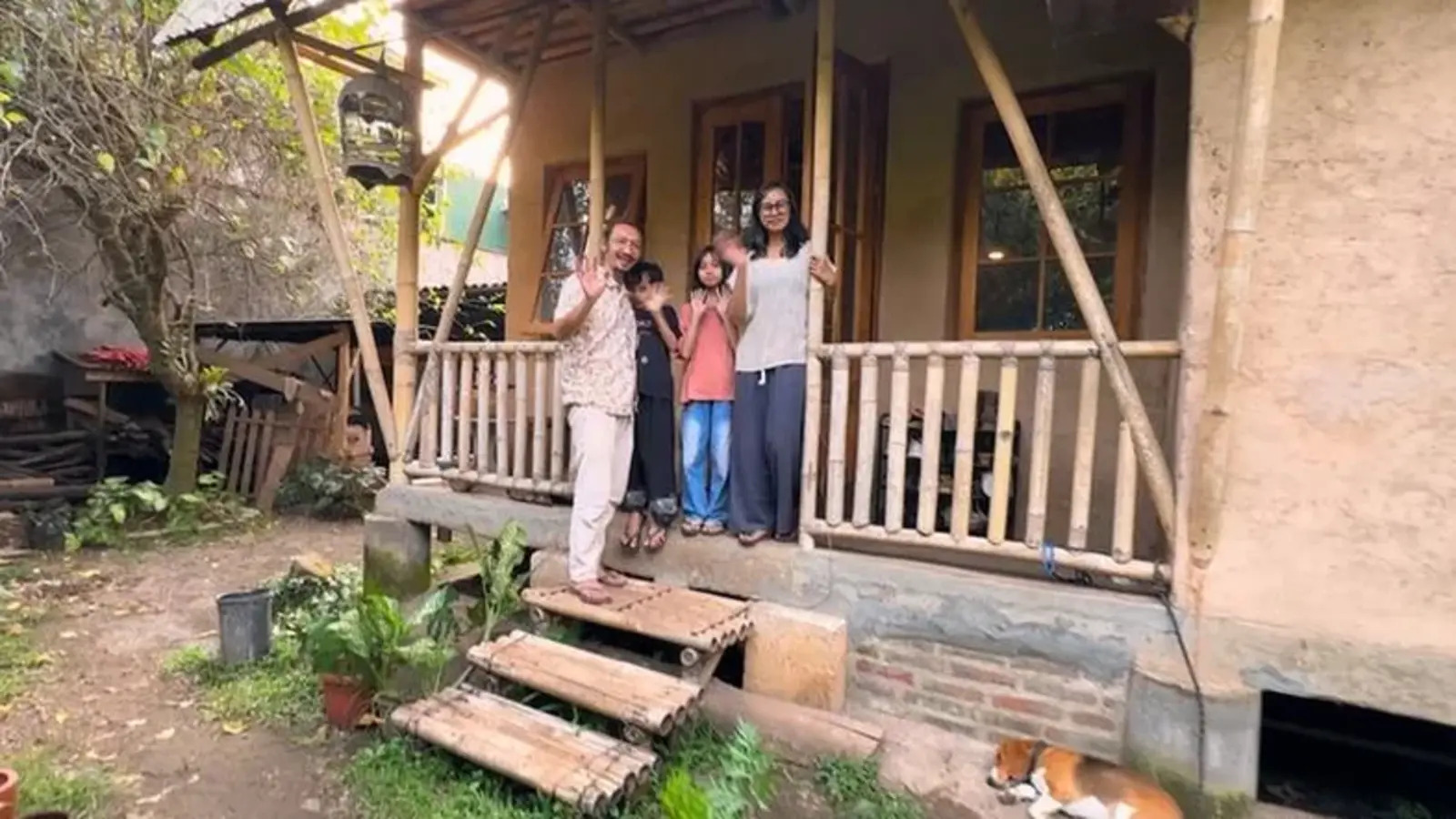
With earth, bamboo, straw, and lime mortar, a specialist builds a house for just over $460 and draws attention for its cost being much lower than traditional construction.

More than a thousand collectors will have access to better working conditions, adequate infrastructure, and increased productive capacity. The strengthening of selective collection expands environmental gains, reducing the volume of waste sent to landfills and promoting the reuse of materials.
Moreover, the integrated model adopted in the Federal District reinforces cooperative organization, valuing the work of collectors as an essential part of public solid waste policy.
Project Structure and Investments in the Federal District
The project supported by BNDES in the Federal District totals R$ 48.8 million in total investments, considering the contributions from GDF and institutional partners. The resources enable a complete transformation of the Recycling Complex, with actions distributed across various fronts.
Key initiatives include the renovation of an existing sorting center, the construction of five additional centers, the establishment of a recyclable marketing center, and the creation of ten debris drop-off points. The project also involves the acquisition of modern machinery and equipment, as well as training programs and ongoing technical assistance.
This structure expands the scale and efficiency of recycling in the Federal District, strengthening the sustainability of the system and ensuring increased income generation for the workers involved.

Sustainability and Social Inclusion as Strategic Axes of BNDES
The support for the Recycling Complex of the Federal District reinforces BNDES’s role in projects that integrate economic development, sustainability, and social justice. According to the bank’s president, Aloizio Mercadante, the inclusion of collectors is a consolidated and strategic public policy.
Mercadante emphasized that BNDES plays a fundamental role in financing initiatives that unite sustainability, development, and social inclusion. He further noted that this agenda is a historic guideline of the governments led by President Luiz Inácio Lula da Silva.
By investing in structuring projects, BNDES contributes to strengthening sustainable production chains, reducing inequalities, and promoting lasting solutions to urban environmental challenges.
Partnership between BNDES and the Federal District Strengthens Public Policies
During the ceremony, the acting governor of the Federal District, Celina Leão, highlighted the importance of coordination among public entities. For her, the partnership with BNDES demonstrates how institutional cooperation can generate concrete results for the population.
According to her, each public agent needs to do their part, looking out for the people and building joint solutions. The federal support, through BNDES, strengthens the capacity of the Federal District to implement efficient public policies aligned with sustainability principles.
This integration between the federal government, local government, and cooperatives is seen as one of the project’s differentiators, ensuring governance, transparency, and real social impact.
Equipment and Works Modernize the Recycling Complex
With the new phase of the project, the Recycling Complex will receive essential equipment for operational modernization. The acquisition of wheel loaders, trucks, and forklifts is planned, as well as electrical, civil, and hydraulic adaptation works.
These interventions are crucial for the installation of processing lines for plastics, glass, and effluent treatment systems. The equipment was delivered by the Secretary of State for the Environment of the Federal District, ensuring technical and environmental alignment.
The modernization elevates the technological standard of recycling, increases processing capacity, and improves the safety and efficiency of the daily work of collectors.

Centcoop and the Protagonism of Collectors in Sustainability
Centcoop is the main operator of the warehouses that integrate the Recycling Complex of the Federal District and plays a central role in project execution. With 17 years of operation, the central has 22 associated cooperatives and more than 1,100 collectors, 72% of whom are women.
The organization recycles around 12,000 tons of waste per year, promoting positive environmental impact and large-scale social inclusion. The strengthening of Centcoop consolidates a community-based sustainability model, in which the workers themselves actively participate in management.
According to the president of the entity, Lúcia Fernandes, the partnership with BNDES represents a historic advancement. The investments bring dignity, increased income, and better prospects for hundreds of families in the Federal District.
Impacts and Prospects for Sustainability in the Federal District
BNDES’s investment in the Recycling Complex of the Federal District consolidates a solid waste management model based on sustainability, social inclusion, and economic efficiency. Positive impacts include increased income for collectors, strengthening of cooperatives, expansion of selective collection, and reduction of environmental damage.
Additionally, the project may position the Federal District as a national reference in circular economy and integrated public policies. The experience can be replicated in other regions of the country, expanding the reach of sustainability actions supported by BNDES.
In a context of increasing environmental challenges, initiatives like this demonstrate that it is possible to unite development, social justice, and environmental preservation. The strengthening of the Recycling Complex reaffirms the strategic role of BNDES and the Federal District in building a more sustainable and inclusive future for Brazil.








Parabéns, Brasília/DF. ! Enquanto, o BNDES Cria Êsse ” BUM ” da Sustentabilidade e Reciclagem. Parece q/ MANAUS e BELÉM, Nem Têm ou Existe ” Coleta Seletiva e Reciclagem ” ; parece, quê Nem Têm, Prefeitura p/ Recolherem o Lixo URBANO, nos Bairros das Capitais. O Tratamento do BNDES, Deveria ” Ser ” Igual, em todas Capitais e ESTADOS. Né ??????? 🤦🤦 👎