





 Portuguese
  English
  Spanish
  3 min of reading
  0 comments


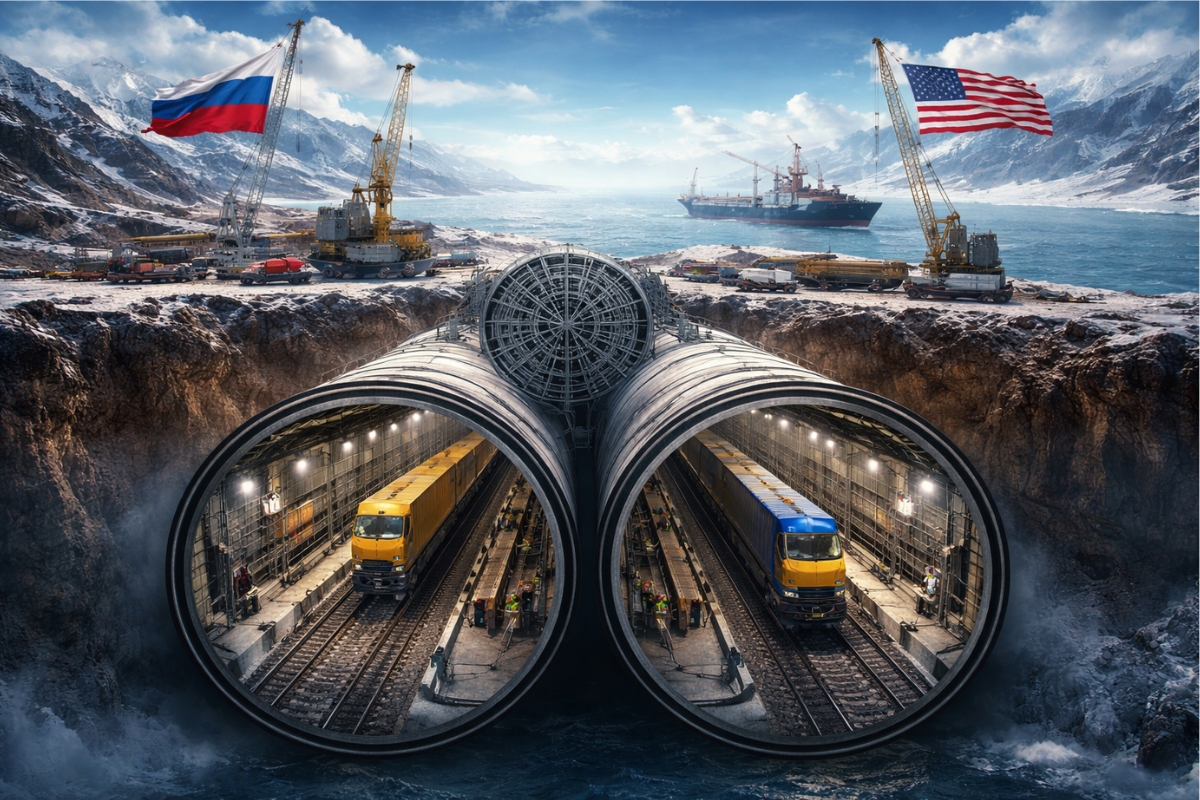
The Proposal Creates an Underground Corridor with Train, Energy, and Internet Between Continents, but Faces High Costs and Extreme Challenges
The idea of connecting Asia and America via the Bering Strait is back on the radar with a project for a nearly 100 km railway tunnel beneath a frozen, seismic, and remote sea.
The corridor envisions freight and passenger trains, as well as space for oil pipelines, gas pipelines, and fiber optic cables. The total associated cost reaches US$ 250 billion.
Bering Strait: The Strip of Sea That Separates Russia and the US by 85 to 90 km
The Bering Strait lies between Chukotka, Russia, and Alaska, USA, with a distance of about 85 to 90 km.
-
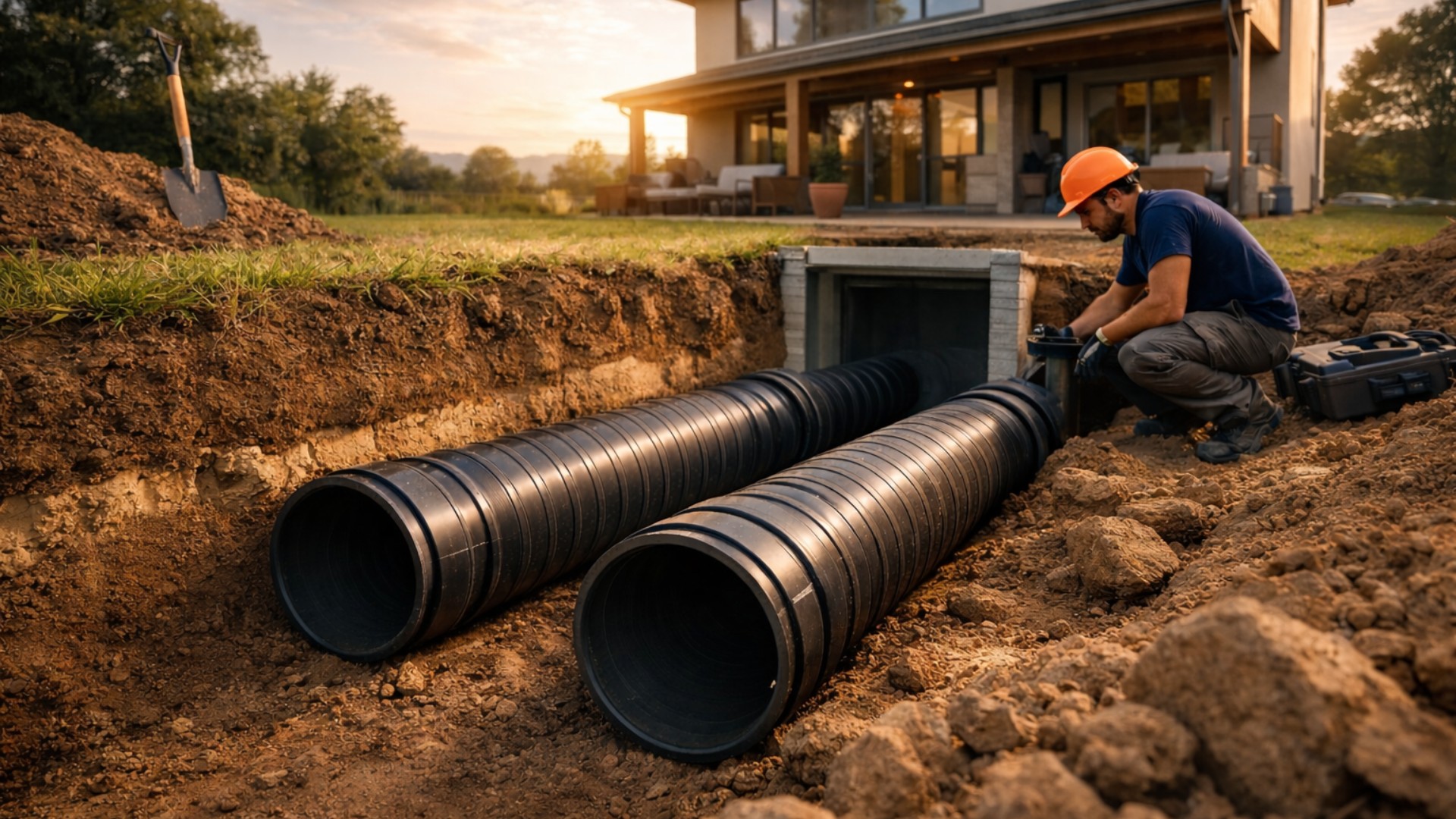
Architects are burying plastic pipes 2 meters deep and using ducts up to 30 meters long to cool homes without electricity, with low-consumption fans and natural heat exchange that drastically cuts the electricity bill.
-
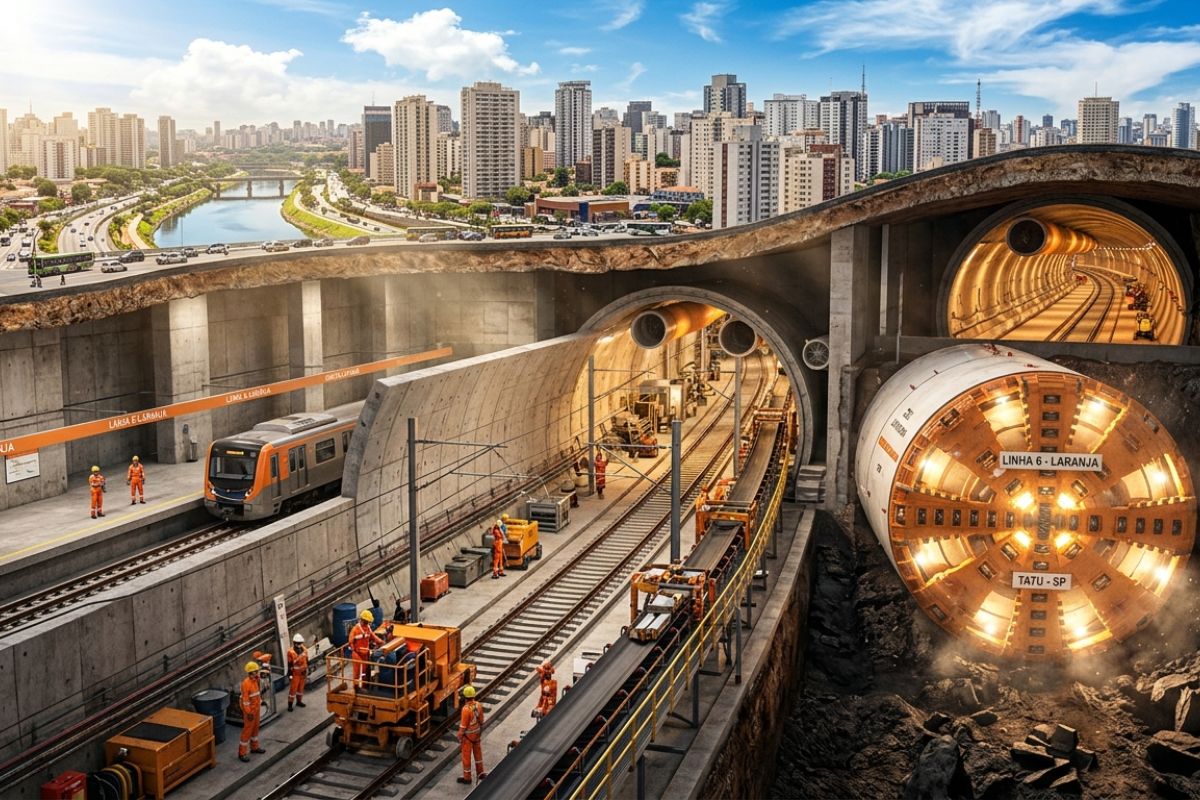
Under São Paulo, Line 6-Orange reaches 15.3 km and 15 stations, promising 23 minutes from Brasilândia to the Center and 633,000 passengers per day; with autonomous trains, it will open a partial section in October 2026.
-
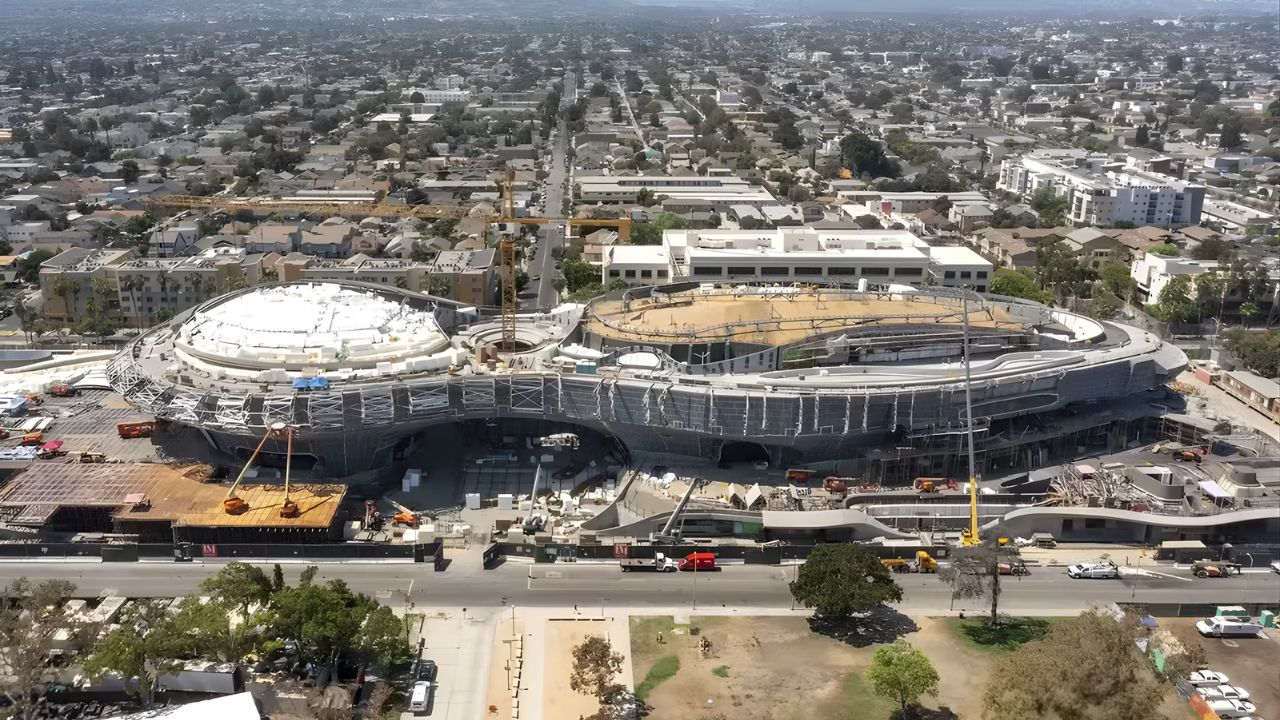
Created by George Lucas with over $1 billion, a futuristic museum in the shape of a spaceship with 1,500 curved panels is about to open in Los Angeles and will house one of the largest private collections of narrative art in the world.
-
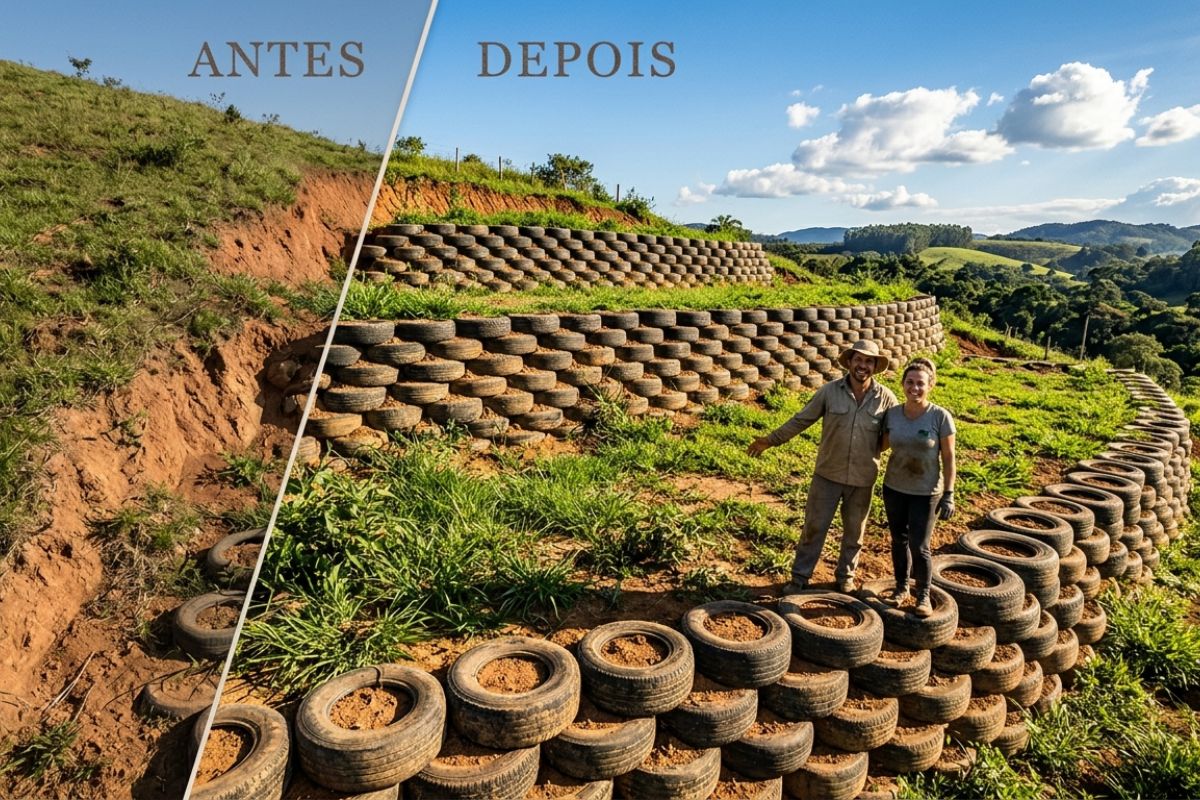
Couple shows how they built a retaining wall on their property using 400 old tires: sloped land turned into plateaus, tires are aligned, filled, and compacted with layers of soil, with grass helping in support and at almost zero cost.

Even though it is a shallow stretch of sea, with depths usually less than 50 m, the crossing is marked by seasonal ice and strong currents.
This scenario pushes the solution below the seafloor, where the structure is more protected from extreme weather.
Project Envisions Tunnel Bored in Rock with 60 Miles, About 97 km Below the Sea

The proposal does not work with a tube supported on the seabed. The concept is a tunnel drilled in the rock beneath the seafloor of the strait.
The main section is described as 60 miles, approximately 97 km, with interconnected branches and service galleries.
The logic resembles that of the Channel Tunnel, but with a longer length and in a much more isolated region.
Multimodal Corridor Aims to Carry High-Capacity Trains, Oil, Gas, and Fiber Optics in the Same Axis
The project design includes one or more railway galleries for high-capacity trains, aimed at both freight and passengers.
There is also provision for internal space for oil and gas pipelines and data cables, with the possibility of including high-voltage power lines.
In practice, this would concentrate transportation, energy, and digital connectivity within a single underground structure.
Seismic Region Requires Structure Prepared for Earthquakes Close to Magnitude 7.9
The Bering Strait is in an area with seismic activity, which puts the risk of earthquakes at the center of the planning.
There is reference to events close to magnitude 7.9, requiring flexible segments, special joints, and continuous monitoring.
In a long tunnel, this type of engineering is crucial to maintain safety and stability during operation.
Estimated Cost Reaches US$ 250 Billion with New Railways in Russia and Alaska

The value attributed to the complete corridor, including the tunnel and access lines, is US$ 250 billion.
In addition to the underground section, the budget includes thousands of kilometers of track in tundra and permafrost, with logistical stations, maintenance facilities, and security systems.
This land infrastructure package can significantly impact the total cost, as it involves challenging terrain and long distances without urban support.
Idea of “Peace Tunnel” Aims for Land Route Between Networks of Russia, China, and North America
The project is linked to the concept of peace tunnel, with the ambition of creating a continuous land connection between the railway networks of Russia, China, and North America.
The proposal also aims to offer a shorter route for goods than some traditional maritime paths, in addition to making room for energy and data.
Still, execution depends on coordination between countries, regulations, customs, and security, along with attracting investment compatible with US$ 250 billion.
Permafrost, Geopolitics, and Financial Return Still Keep the Plan Off the Construction Site

The challenge is not just to dig the tunnel. Stabilizing railways in permafrost in flux is a critical point for operation.
In addition, there is the complexity of aligning regulations and ensuring economic viability for a project of this scale.
For now, the Bering Strait tunnel remains a large-scale vision, with logistic and energy potential, but far from becoming a construction in progress.









-

-

2 pessoas reagiram a isso.