





 Portuguese
  English
  Spanish
  5 min of reading
  2 comments


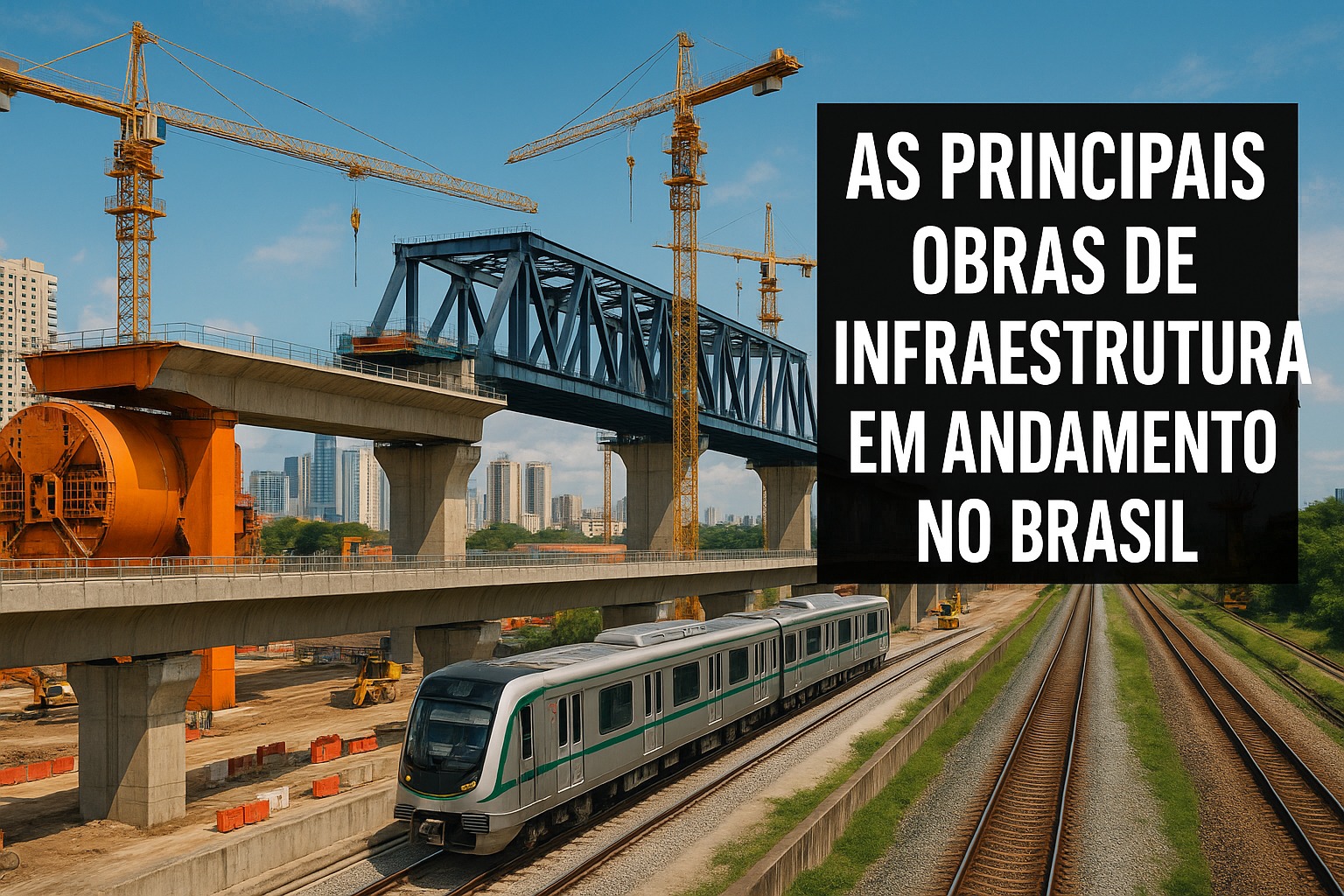


From São Paulo to Bahia, The Ten Largest Projects of 2025 Show the Strength of the National Infrastructure Sector and the Direct Impact on the Brazilian Economy
Heavy infrastructure is the pillar for Brazil’s economic development because it connects regions, boosts agribusiness, and improves urban mobility. Among railroads, highways, and highly complex tunnels, the country is experiencing one of the most intense periods of construction in recent decades. Below, see the ten largest projects under execution or implementation in 2025.
Line 6-Orange of the São Paulo Metro: R$ 17 Billion
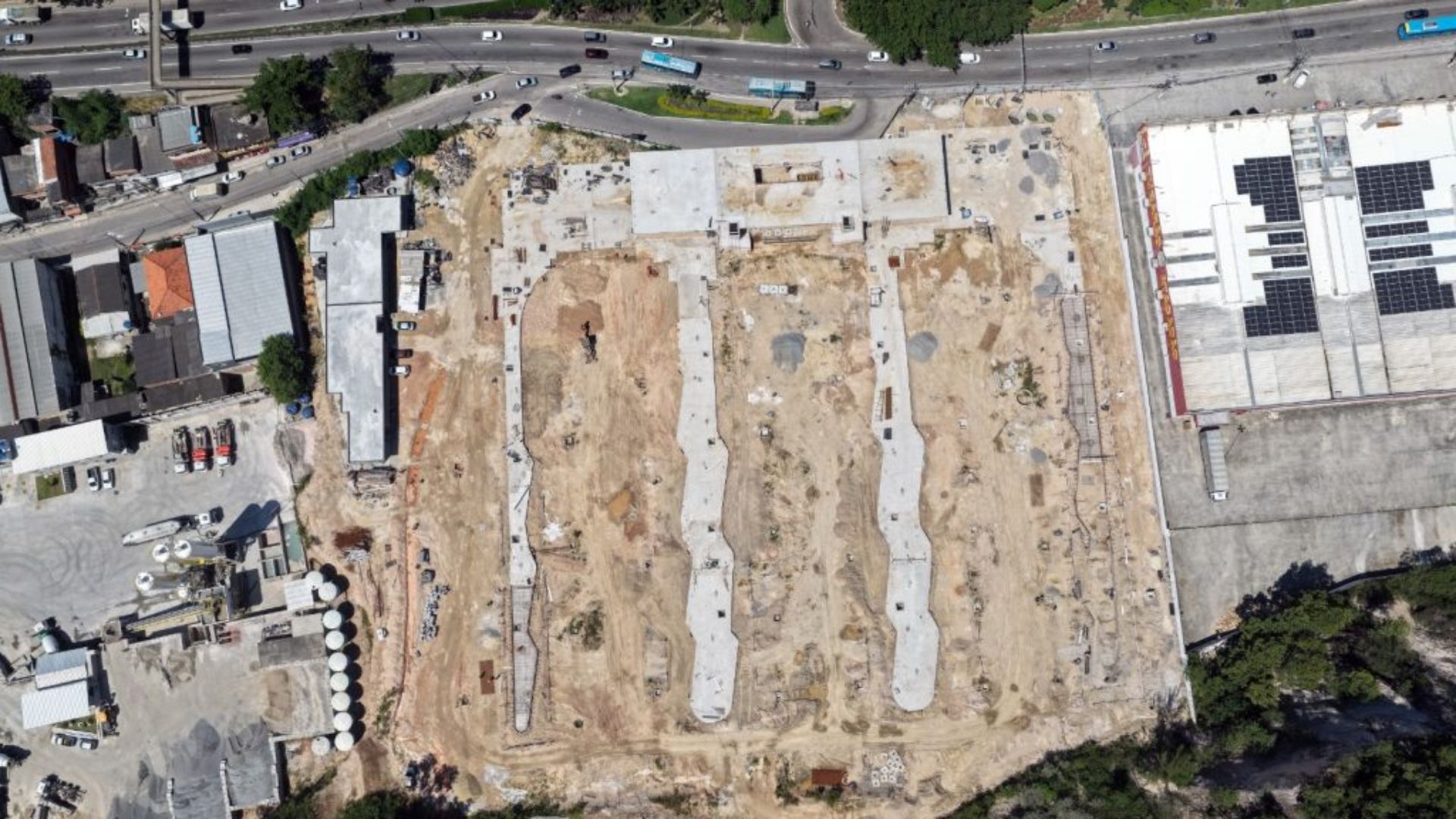
The Line 6-Orange is considered the largest mobility project underway in Latin America. The project progresses under the Public-Private Partnership model of the São Paulo Government with the concessionaire LinhaUni, led by Acciona.
The BNDES approved a credit of R$ 12.3 billion within the total investment of R$ 17 billion.
-
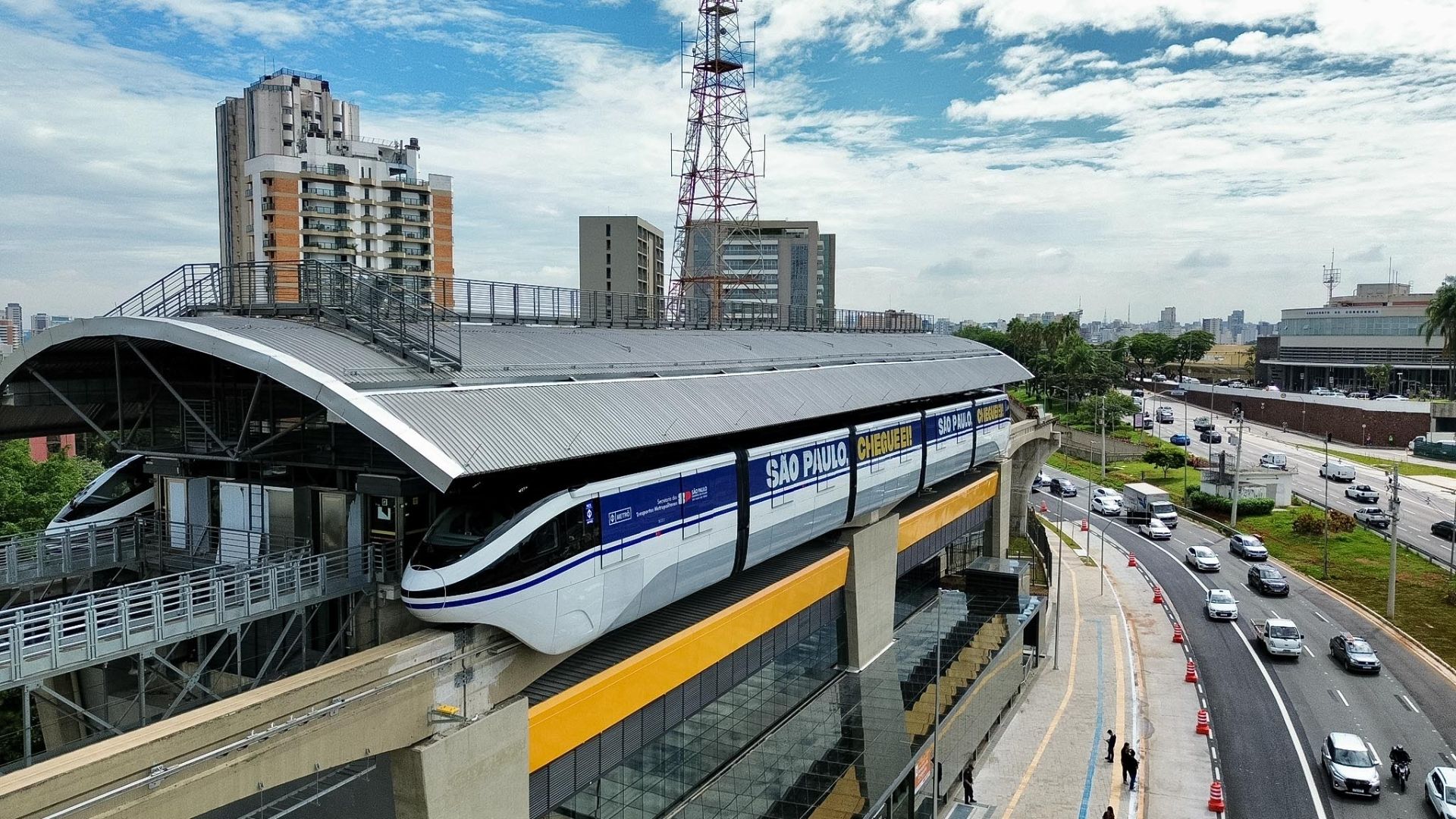
Congonhas receives the monorail promised for the 2014 World Cup after more than a decade of delays and becomes the first airport in Brazil with integrated subway.
-
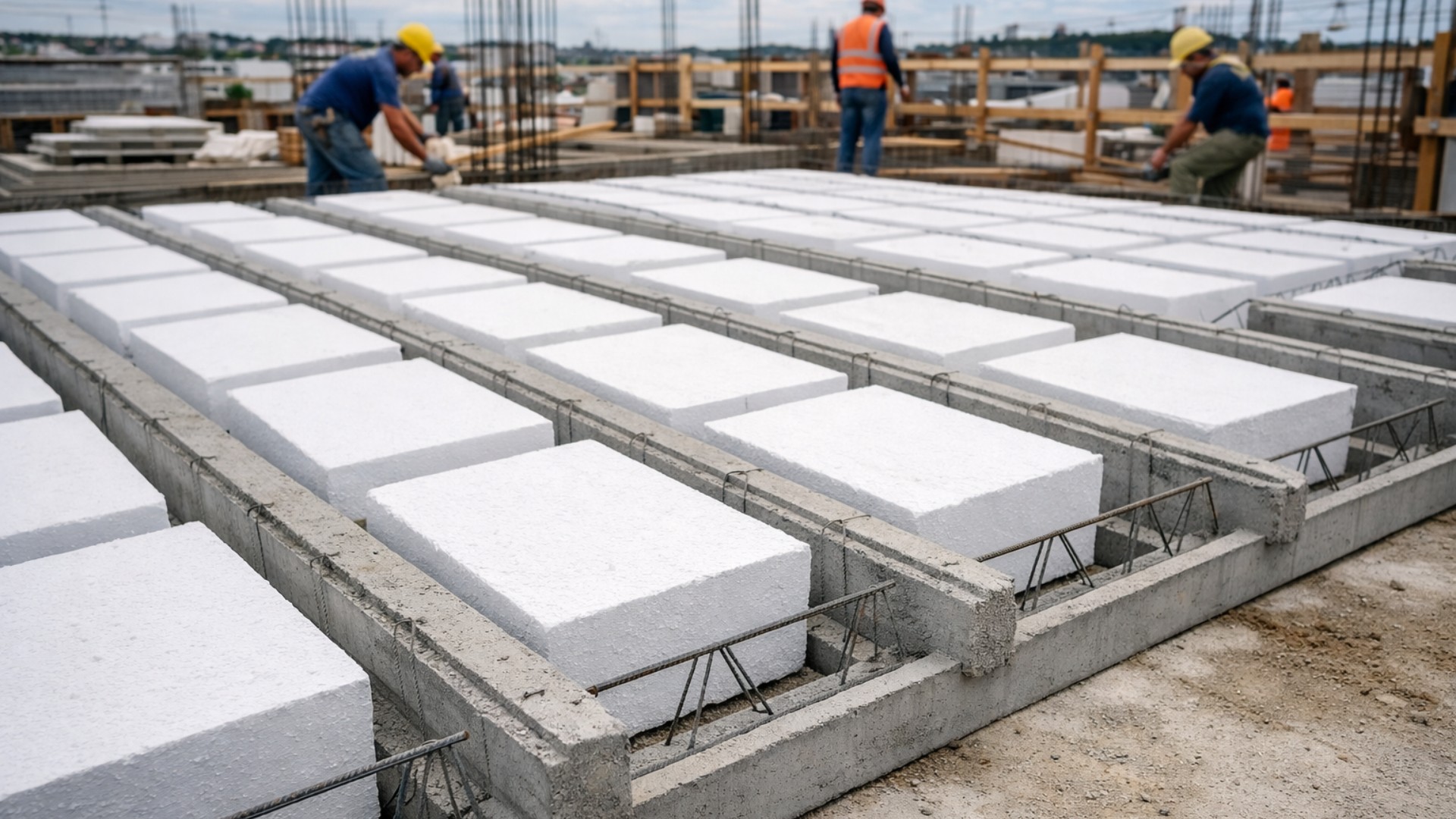
Goodbye, concrete: a new trend in civil construction reduces the weight of the structure by up to 30%, accelerates projects by up to 40%, cuts costs on steel and labor, and improves thermal insulation with EPS.
-
Russian engineers create an innovative propeller blade for aircraft that could completely change the way airplanes and helicopters operate.

-
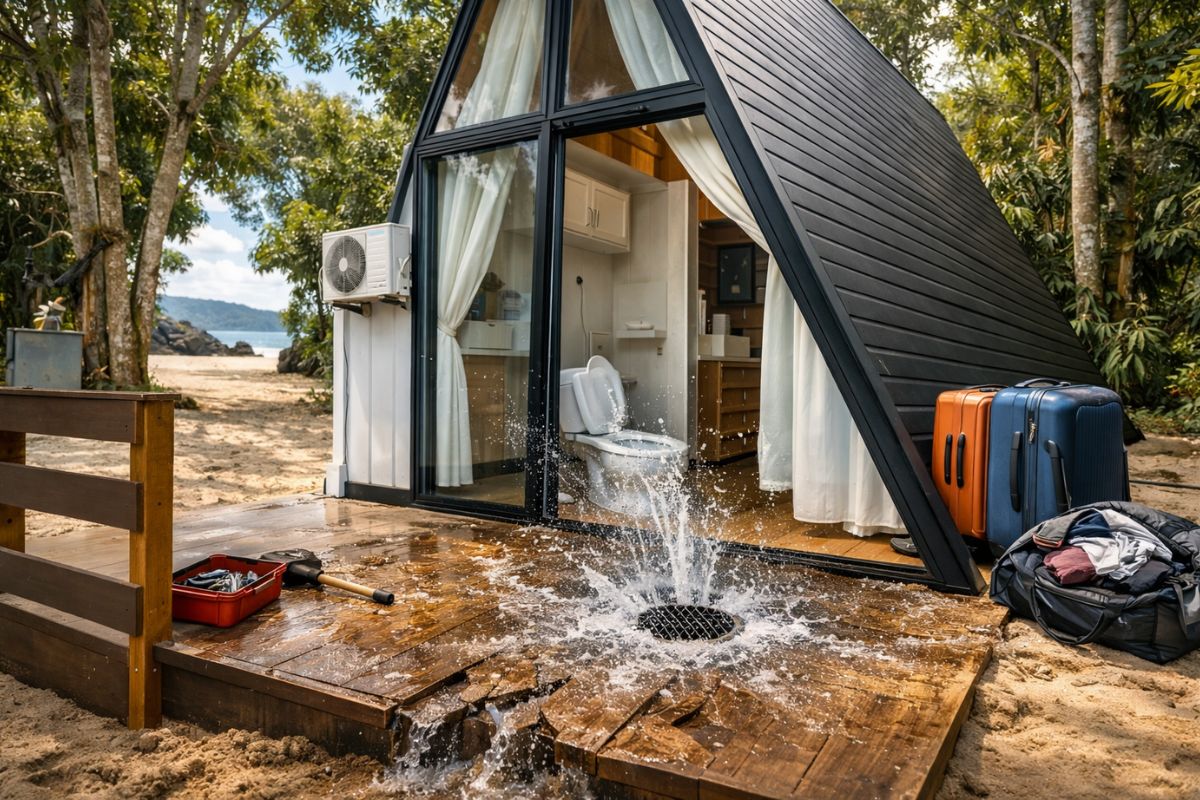
Couple finishes building PVC chalet on the beach on the last day, with air conditioning and curtains, but discovers the bathroom drain is inverted: water escapes from the drain, risking breaking the floor, and the rush continues before the trip.

In 2025, the project will reach important milestones, such as the progress of the tunneling machine responsible for the main excavation and the delivery of the first train.
This line will connect Brasilândia to the center of the capital, expanding access for thousands of people to rail transport.
Expansion of Line 2-Green: R$ 13.4 Billion
Line 2-Green is undergoing one of its largest expansions, with the construction of 8.3 kilometers additional and eight new stations in the Vila Prudente–Penha axis.
The total investment reported by the Metro is R$ 13.4 billion.
The BNDES approved R$ 2.4 billion to finance the first phase in 2025, and the works are proceeding at an accelerated pace.
When completed, this expansion will relieve traffic in the East and Southeast zones, integrating new neighborhoods into the metro network.
Transnordestina Railway: R$ 15 Billion
The Transnordestina is one of the country’s largest railway interventions, connecting Piauí to Ceará over approximately 1,200 kilometers.
The total budget is around R$ 15 billion, and the federal government announced a new contribution of R$ 1.4 billion in 2025.
Work is ongoing simultaneously in various batches, focusing on the states of Piauí and Ceará.
This railway is essential because it facilitates the transportation of grains and minerals to the ports of the Northeast, reducing logistics costs and strengthening the regional economy.
BR-163/MS: R$ 10 Billion
The concession of BR-163 in Mato Grosso do Sul, under the management of Motiva Pantanal, represents a new cycle of investments in the road network.
The contract, signed in 2025, allocates nearly R$ 10 billion for modernization, maintenance, and duplication of 203 kilometers.
The works have already begun and include improvements in bridges, additional lanes, and monitoring systems. This highway is vital for the transportation of agribusiness, as it connects the Midwest to the ports in the South of the country.
Midwest Integration Railway (FICO): R$ 10.2 Billion
With an estimated budget of R$ 10.2 billion, the FICO is progressing as one of the most strategic projects for agricultural logistics.
The railway connects Goiás to Mato Grosso and has already achieved approximately 39% physical execution in 2025.
In addition to reducing logistics costs, the FICO strengthens the agribusiness railway corridor, connecting producing regions to the North-South Railway system.
The progress of the project represents an important step towards balancing road and railway modalities.
Santos–Guarujá Tunnel: R$ 6.8 Billion
With an investment of R$ 6.8 billion, the submerged tunnel connecting Santos to Guarujá is one of the most anticipated projects in the state of São Paulo.
The project, described by the Civil House as the largest of the New PAC, plans for a 1.5-kilometer immersed tunnel, with 870 meters submerged.
The tunnel will have lanes for vehicles, a bike lane, and a passage for the future VLT. The auction was completed in 2025, and the works will mark a historic shift in mobility between the two port cities.
New BR-381/MG: R$ 5.5 Billion
The concession project for BR-381 in Minas Gerais plans for R$ 5.5 billion in investments over 303 kilometers.
The DNIT is also carrying out public duplications in adjacent sections, increasing the capacity of the highway.
This road is one of the most important in the state, connecting industrial and logistical hubs.
The works include duplications, overpasses, and pavement improvements, which should reduce accidents and increase traffic flow.
FIOL Corridor (BA): Ongoing Works in 2025
The West-East Integration Railway is under active construction in Bahia. In 2025, ANTT and the Ministry of Transport authorized new stages with an investment of R$ 507.1 million in Section 2.
The corridor is strategic because it connects the western Bahia to the coast, opening the way for Porto Sul. Additionally, the regulatory advancement and new contracts strengthen the logistical structure of the state.
Eixo SP Concession: R$ 18.4 Billion
The Eixo SP is one of the largest road concessions in the country. With 1,273 kilometers under private management and R$ 18.4 billion in reference investments, the program remains active with an ongoing multi-annual schedule.
The works include duplications, new lanes, and technological improvements. This corridor connects important regions of São Paulo, ensuring greater safety and efficiency in the transport of cargo and passengers.
BRs 324 and 116 (BA): R$ 500 Million Initial Investment
The Ministry of Transport resumed works on sections of BRs 324 and 116 in Bahia, with an initial investment of R$ 500 million. The package includes duplications and improvements on BR-101/BA and the ring road of Feira de Santana.
These interventions are part of a broader program for road revitalization in the state. Therefore, the investment represents a step forward in Bahian infrastructure and in the integration between the interior and the coast.
The New Cycle of Brazilian Infrastructure
These ten projects demonstrate that Brazil is experiencing a robust recovery in structural works.
With federal, state, and private resources, the country aims to enhance its competitiveness, improve logistics, and create new growth opportunities.
Moreover, each project contributes specifically to regional development, whether through urban mobility, freight transport, or highway modernization.
The 2025 scenario reinforces the role of infrastructure as an essential driver of the national economy.
With information from Revista OE.








Vcs estão com propagandas sobrepostas excessivas e que impedem muito as leituras. OU mudam ou o leitor procura outras fontes
O governo da Bahia devia fazer tubulação para levar água para as areas mais secas do estado..onde tá virando deserto..da suporte aquela gente..