





 Portuguese
  English
  Spanish
  4 min of reading
  1 comment




Construction of Marie’s Mini House Evidence Sustainable Self-Construction Techniques, Use of Mobile Structures, Bioclimatic Solutions, Simple Energy and Water Systems, as Well as Practical Choices that Prioritize Autonomy, Low Cost, Daily Functionality, and Adaptation to the Rural Environment
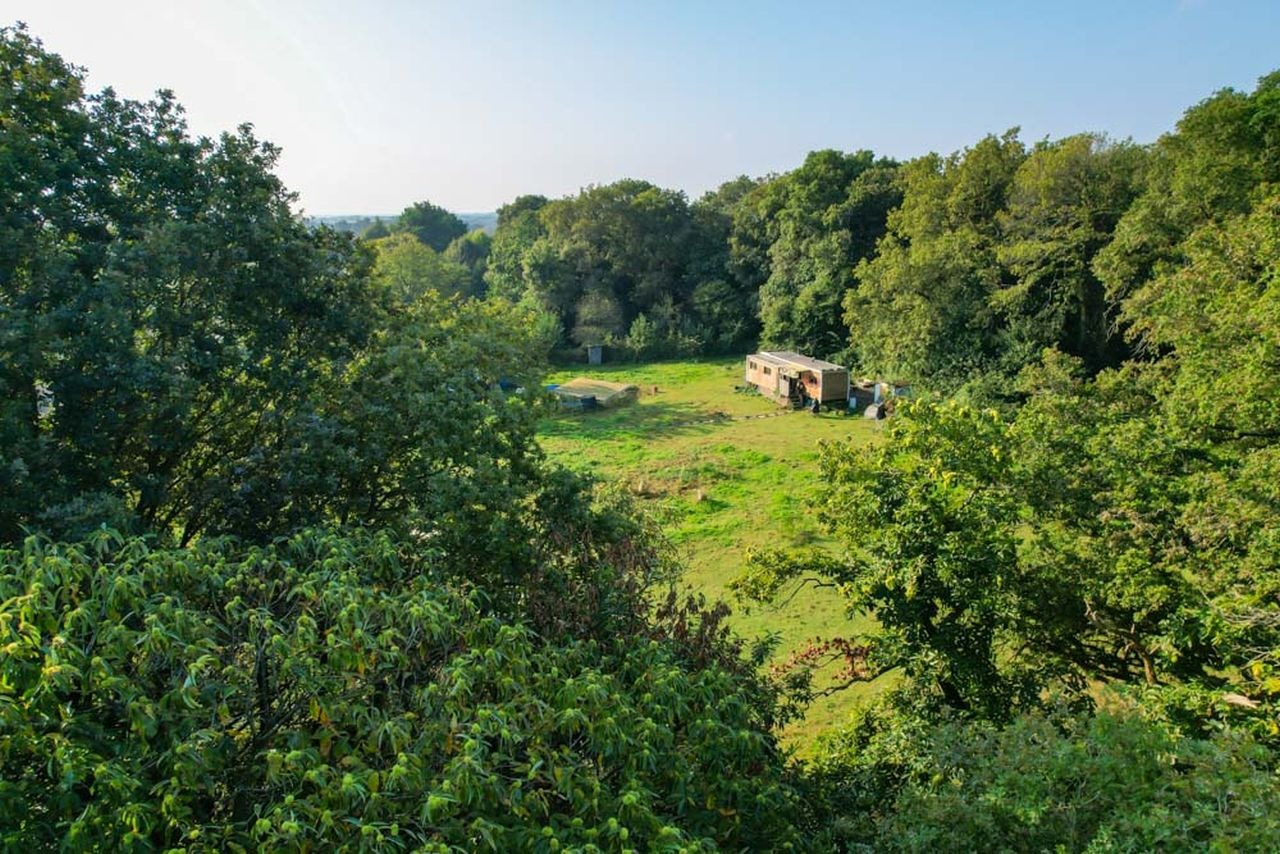
Marie, a biologist and animal therapist, transformed a funfair trailer into a self-sufficient mini house in a clearing of a forest in rural France, investing € 10,000, where she has lived for three years with her son, seeking simplicity, autonomy, and quality of life.
Marie spent much of her life moving with her son, working, renovating houses, and honing practical skills until she decided to settle down permanently in a rural area of France.
The decision represented stability after years of displacement, allowing her to focus energy on creating a space aligned with the concept of less is more, valuing autonomy, functionality, and daily creativity.
-
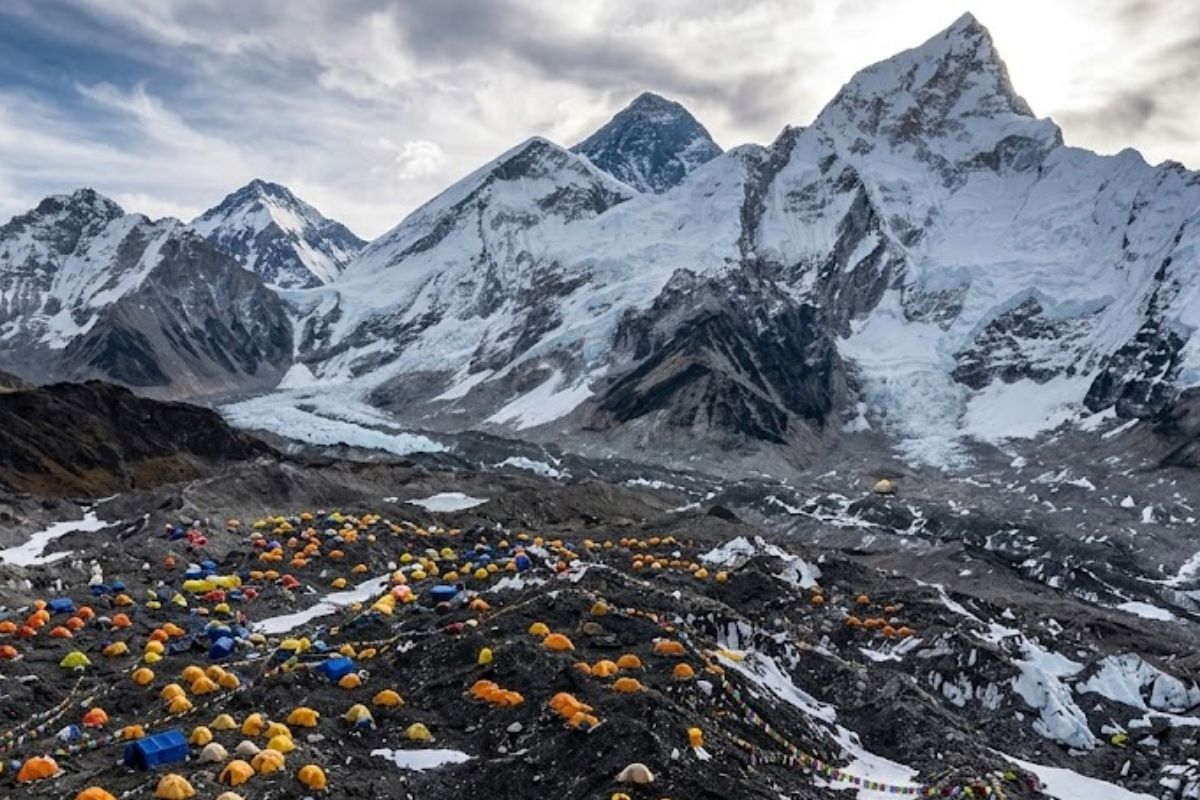
Tourists on Everest were poisoned by guides who mixed substances in food to provoke false symptoms of altitude sickness while helicopter operators and hospitals charged inflated rescue fees to insurance companies.
-
Few people know this, but Neil Armstrong, one of the most famous NASA astronauts in history, survived the Korean War after jumping from the plane during his seventh combat mission aboard the USS Essex aircraft carrier of the United States.

-
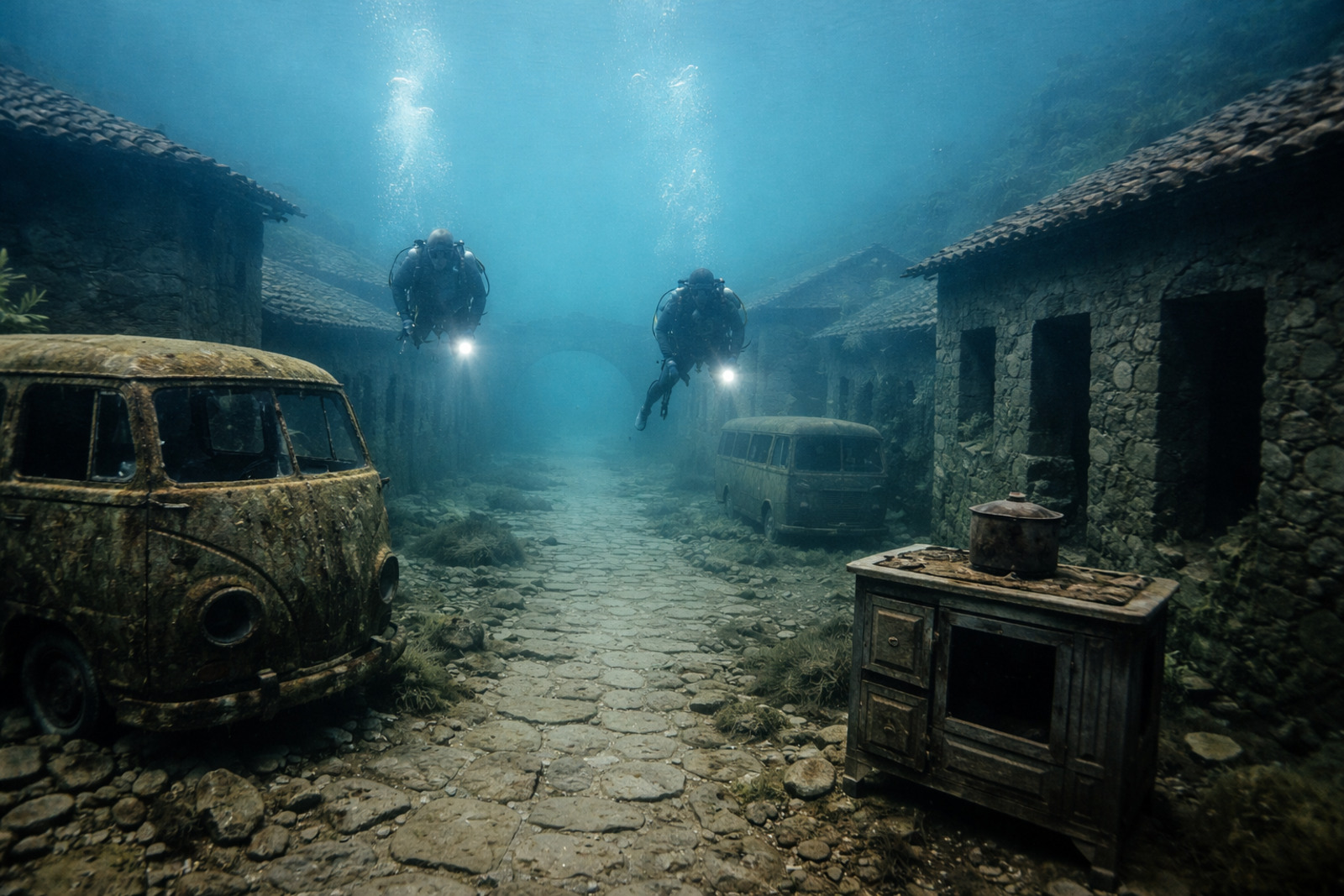
Diving with a camera in Lake Furnas reveals a submerged city with an entire street, almost intact houses, a preserved bridge, a wood stove, a Kombi, and even a bus at the bottom of the largest lake in the Southeast.
-
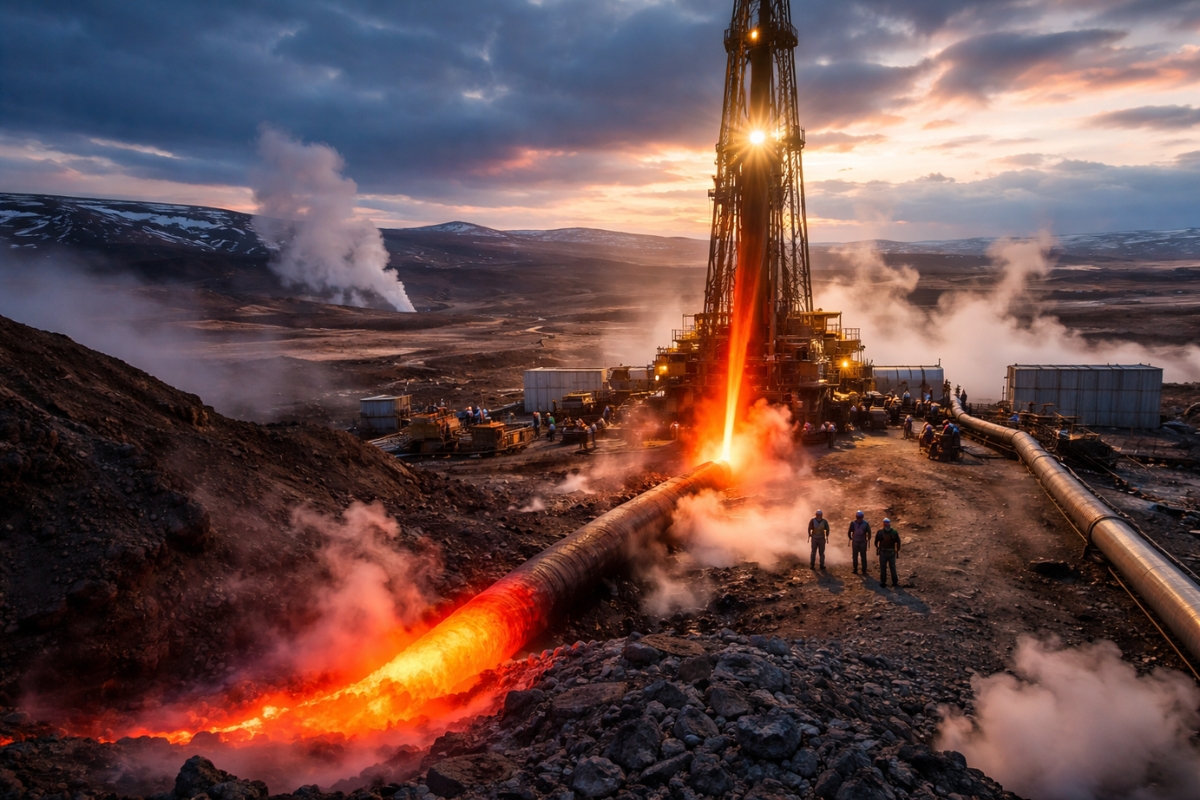
Iceland accidentally drilled into a magma pocket at 2,100 meters and revealed that the extreme heat beneath the crust could pave the way for a new source of continuous energy.

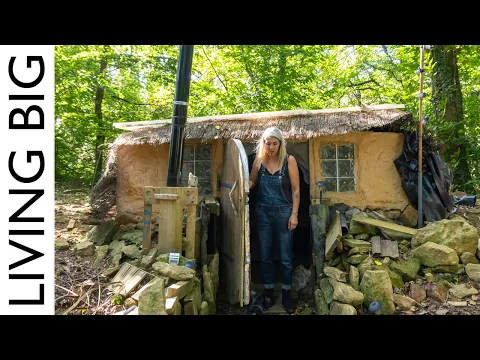

Structure of the Rural Refuge and Self-Sufficient Solutions
The property where she lives with horses and dogs serves as a tranquil refuge, stimulating imagination and well-being, as well as providing conditions for a life integrated with the natural environment.
In addition to the mini house, the land houses a semi-buried greenhouse, a shed, and semi-buried cabins designated for her and her son, expanding the use of space.
Solar panels provide energy, while a large reservoir collects rainwater, ensuring water autonomy and reducing dependence on conventional external systems.
Marie also built a boiler to heat water in winter and developed a laundry bike, allowing her to wash clothes while pedaling, combining economy and ingenuity.
Simple, Functional Interior Filled with Meaning
Inside, the tiny house is simple and practical, with a spacious living room, kitchen, two bedrooms, and a bathroom, without extravagant or superfluous elements.
The living room features minimalist furniture, such as a striking red cabinet, wooden cabinets, two rocking chairs, and a folding chair made by herself.
Instead of a traditional dining table, there is a simple table with wheels, facilitating movement and adaptation of the space according to daily needs.
Personal items like oracle cards, the Flower of Life, a guitar from her parents, and furniture from her grandmother add sentimental value to the environment.
Organization of Private Areas and Project Cost
The kitchen has an L-shaped countertop, sink, drawers, red cabinets, and hooks for utensils, as well as a stove, range hood, and fireplace for heating.
Next to it, the desk offers a workspace and storage, integrating functions without compromising circulation or internal comfort of the house.
Marie’s bedroom is separated by a curtain, bright and cozy, while the bathroom has a bathtub, shower, second-hand sink, and composting toilet.
At the end of the corridor, the son’s bedroom accommodates a single bed and a cabinet painted by his grandmother, ending a construction that cost € 10,000 (US$ 10,830).
Methods and Techniques Used in the Construction of the Village
The construction of Marie’s mini house follows principles widely documented in sustainable self-construction projects adopted in France and other European countries, especially in rural areas focusing on low environmental impact.
The use of a funfair trailer as a structural base is a recurring technique in mini houses, as it offers a reinforced chassis, mobility, and a significant reduction in costs with traditional foundations.
The extension attached to the trailer allowed for an increase in internal area without compromising stability, a common practice in small-scale modular projects aimed at housing self-sufficiency.
The cabins and semi-buried structures follow bioclimatic architecture concepts, exploring the thermal inertia of the soil to maintain more stable temperatures throughout the year.
The semi-buried greenhouse adopts the same principle, a technique used in sustainable agricultural construction to reduce thermal losses and extend cultivation periods without high energy consumption.
The rainwater harvesting system, combined with a large reservoir, reflects methods widely used in autonomous rural properties, especially in regions prioritizing water independence.
The installation of solar panels integrates consolidated off-grid solutions, allowing for self-generated energy and compatibility with low-tech systems, such as those adopted by Marie.
The handmade boiler for heating water in winter follows models of simple thermal systems, common in rural homes that avoid complex industrial equipment.
The laundry bike is inspired by manual mechanical devices documented in appropriate engineering projects, combining the reuse of human energy with reduced electricity consumption.
These techniques, combined, highlight a construction based on practical, replicable solutions aligned with sustainable methods already established in real experiences of alternative housing.
With information from Homecrux.






Testing