





 Portuguese
  English
  Spanish
  5 min of reading
  16 comments


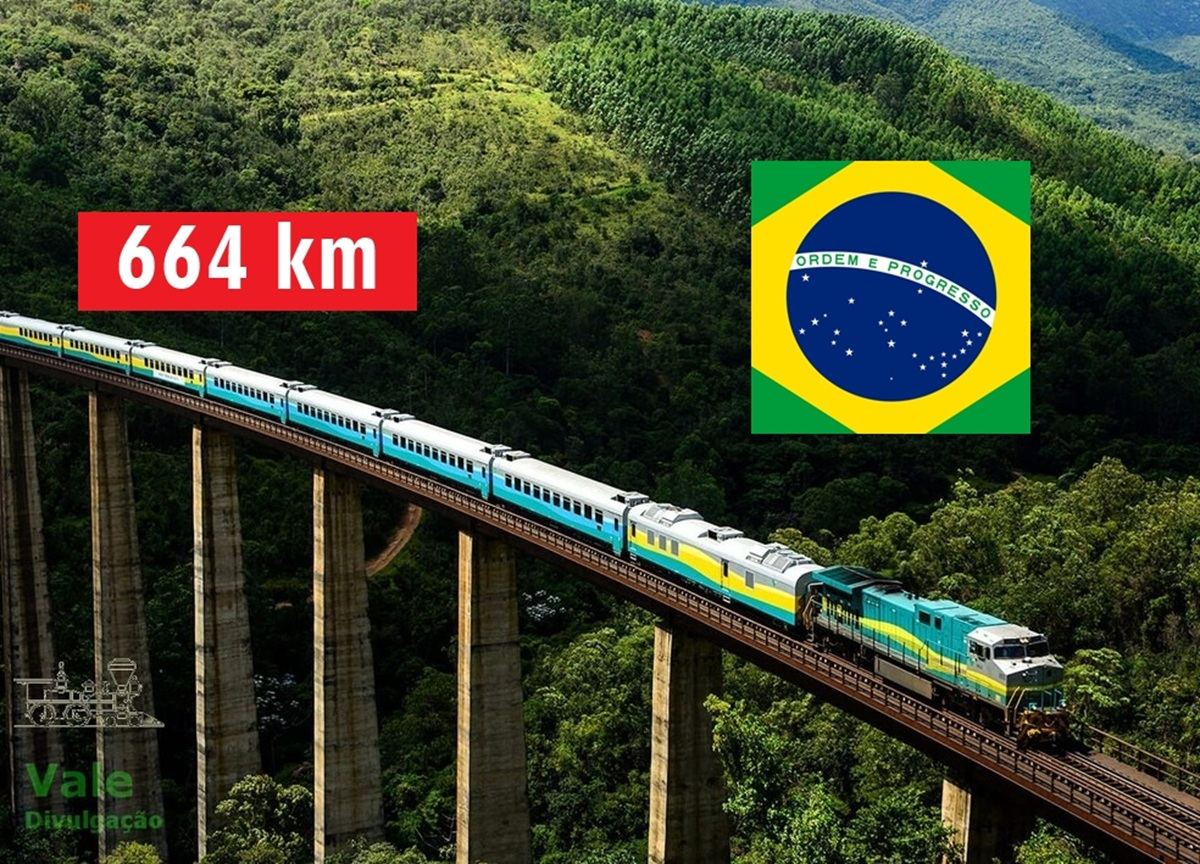


With Comfortable Seats, Restaurant, and Beautiful Views, The EFVM Train Offers A Rare And Accessible Experience In Passenger Transportation.
In a country where railways have been almost forgotten in passenger transport, the Vitória to Minas Railroad (EFVM) stands as a living symbol of national railway history, offering an authentic train journey that crosses through landscapes and memories of Brazil.
Operated by Vale, this line connects Belo Horizonte (MG) to the metropolitan region of Vitória (ES) over a distance of 664 kilometers. It is the longest daily train journey in Brazil, traveled by over two million passengers each year.
The train departs daily at 7 AM from both ends of the line — from the Central Station of Belo Horizonte and the Pedro Nolasco Station in Cariacica, the metropolitan region of Vitória.
-
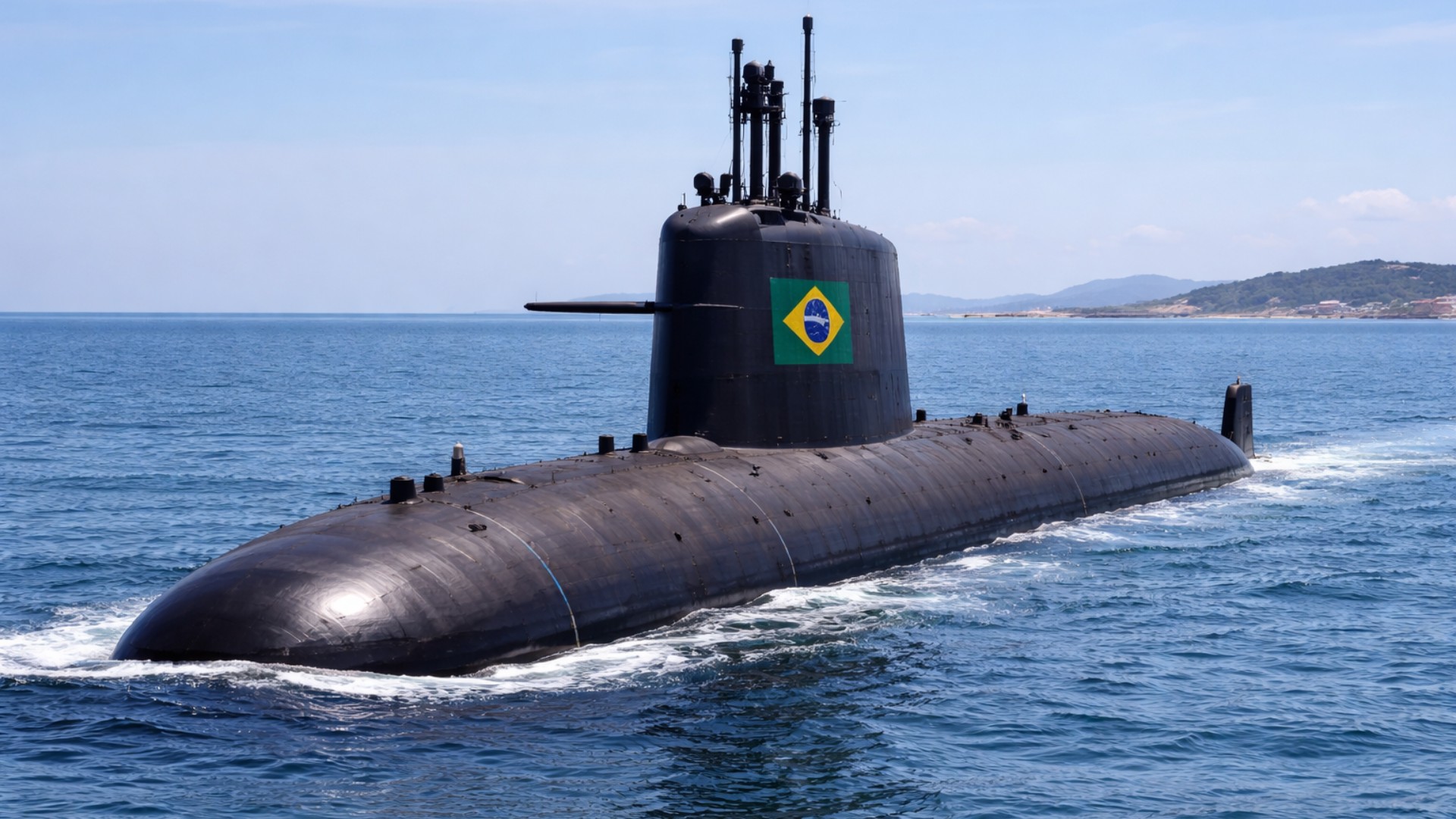
Brazil’s nuclear submarine with a speed 5 times greater than normal advances after nearly 50 years and R$ 40 billion spent.
-
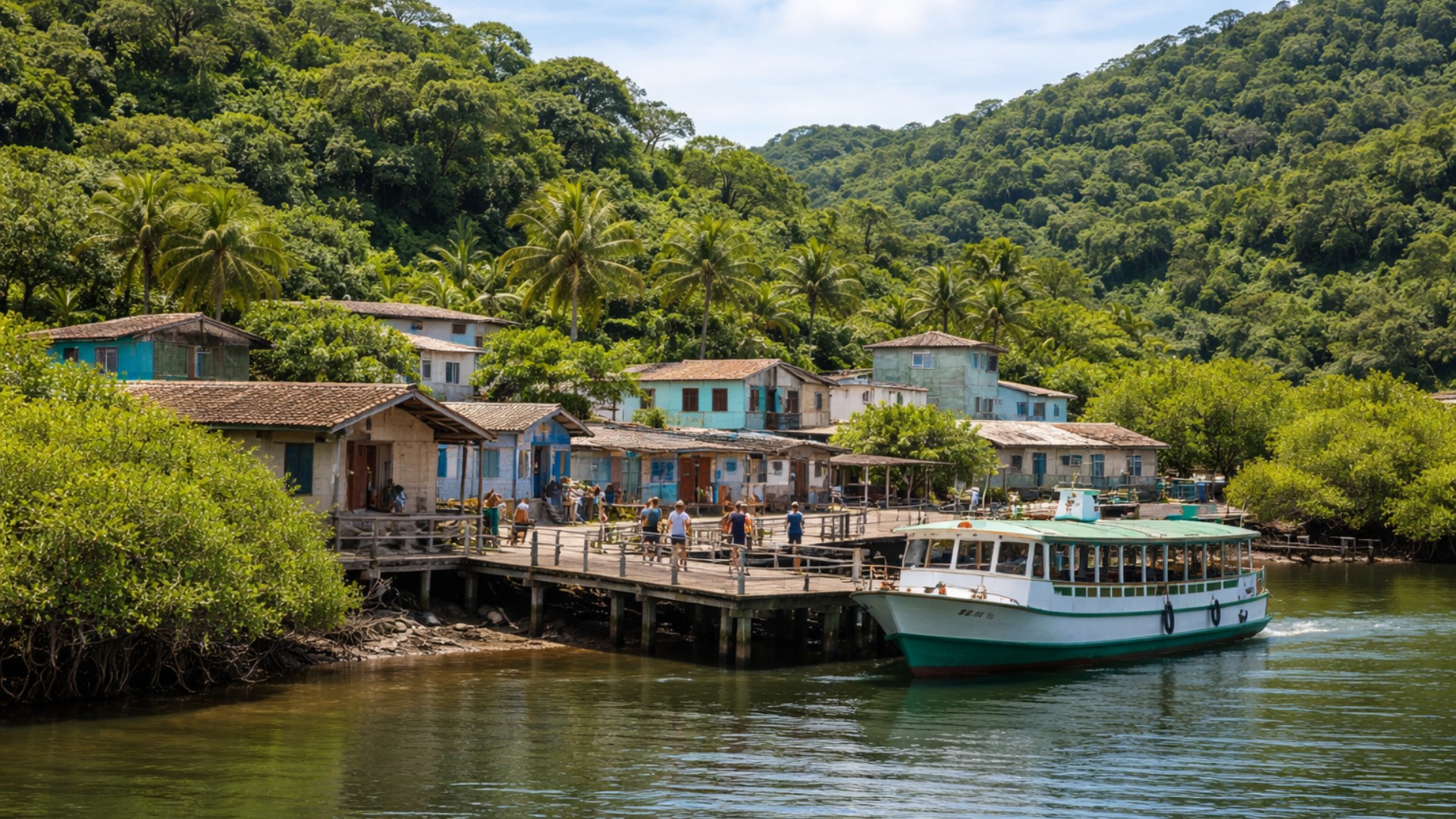
A Brazilian island charges R$ 0.50 to receive visitors and prohibits any new residents.
-
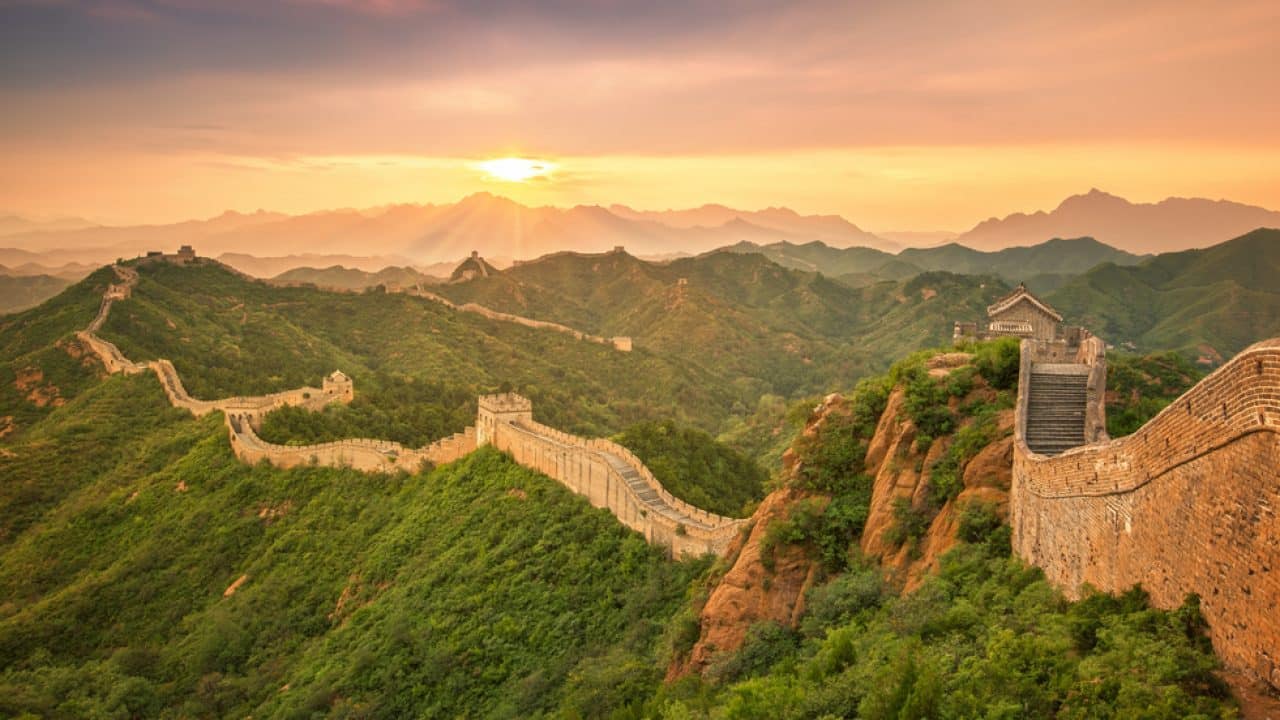
Why was the Great Wall of China built? The truth that many are unaware of!
-
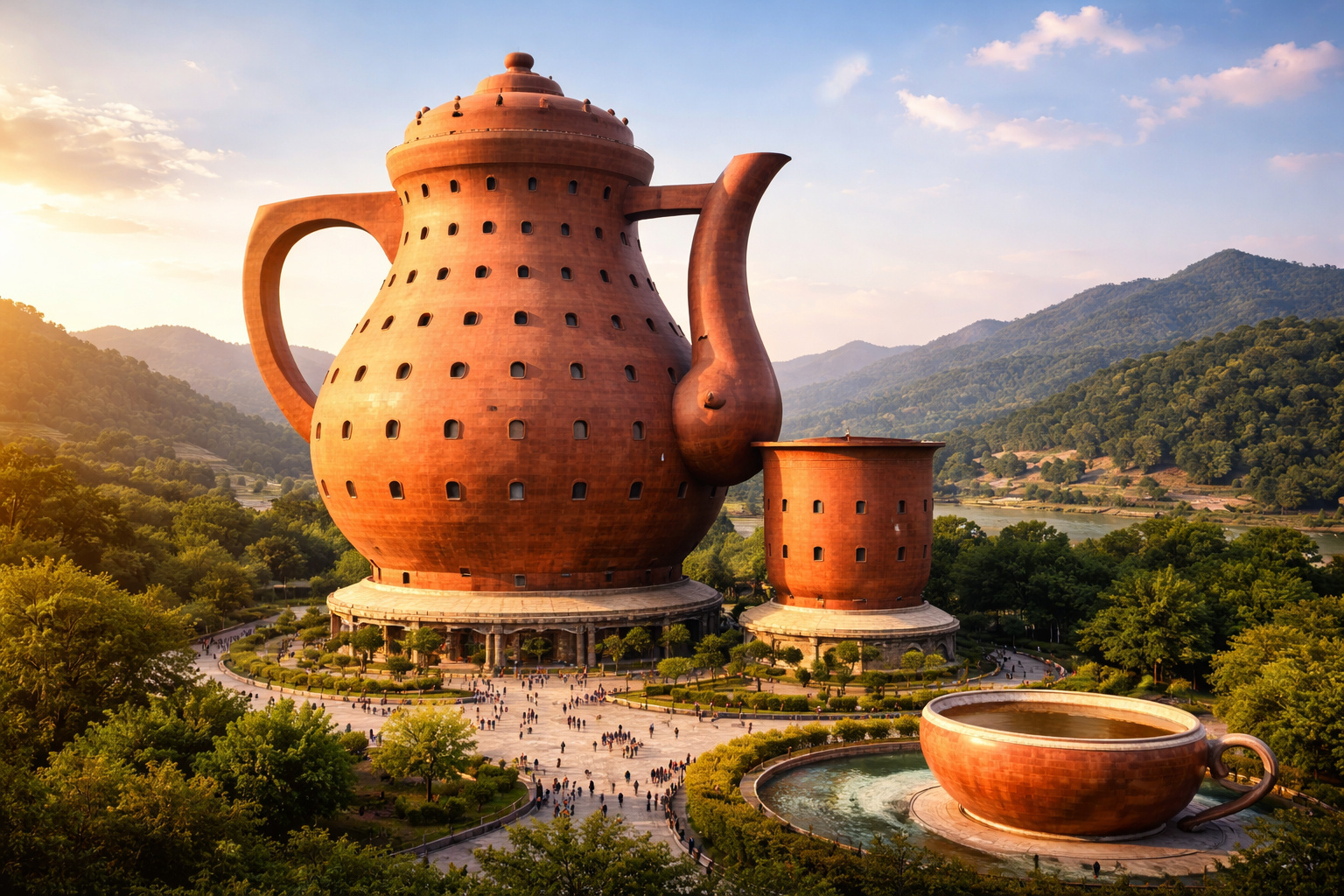
At 73.8 meters tall, the world’s tallest teapot-shaped building has 15 floors, ensures stability, and impresses with an internal space of 28,000 cubic meters.

The complete journey takes about 13 to 14 hours, passing through more than 40 municipalities in Minas Gerais and Espírito Santo, crossing valleys, mountains, rivers, and Atlantic Forests.
For those seeking a slow and contemplative experience, this train journey offers a rare opportunity to traverse the heart of Brazil in a safe, comfortable, and accessible way.

How Embarkation And Ticket Purchase Work
The Channel Best Destinations showed how the journey works. Tickets are purchased directly through Vale’s website.
The ticket costs around R$ 73 in the economy class and R$ 105 in the executive class.
At the time of purchase, attention is needed: you must choose the carriage and the seat, and on long stretches, you may need to change seats in Governador Valadares if another passenger has reserved part of the route.
Boarding closes 15 minutes before departure, and it is mandatory to present an ID with a photo.
Each passenger can carry one suitcase and one piece of hand luggage, being responsible for their belongings during the journey. Therefore, it is recommended to keep valuables close, especially for those traveling alone.
Onboard Structure And Comfort
The EFVM offers two types of class. The economy has fixed seats, with good legroom, a folding table, and 220V outlets.
The executive class is more spacious, with wide seats in a 2-1 format, footrests, individual outlets, larger tables, and electric reclining.
In this class, the comfort is noticeable and the train journey experience is less tiring, especially for those making the full route.
Both classes feature air conditioning, curtains, entertainment screens (with audio via headphones in executive class and subtitles in economy), and access to a streaming system via wi-fi, which may present instability.
Each carriage has two restrooms, with a sink, mirror, and even changing tables. There is also a carriage adapted for wheelchair users.
Food During The Journey
During the journey, a cart circulates through the aisles offering snacks, beverages, and coffee with cheese bread baked onboard. There is also a restaurant-car, which serves full meals, such as chicken lunch boxes with rice, beans, farofa, and salad.
Payment can be made by card, PIX (when there is cell signal), or cash, which is recommended to avoid unforeseen situations. It is prohibited to board with perishable food, but bringing packaged snacks is allowed.
As the train journey is long, with few stops and brief boarding times of two minutes (except for about eight minutes in Governador Valadares), it is important to plan meals in advance.
The staff offers lunch and dinner orders shortly after departure for later delivery.
Punctuality And Journey Dynamics
Although the service is well organized, delays may occur. According to the report from Best Destinations, the train arrived in Governador Valadares about 50 minutes late.
The capacity of the trains varies according to demand: during vacation seasons and holidays, Vale adds extra carriages to accommodate the increase in passengers.
In total, the journey usually lasts almost 14 hours — longer than the bus or car journey, which takes about 10 hours — but with the advantage of being safer, more predictable, and free from the common traffic jams on the roads.
A Window To The Deep Brazil
The main attraction of this train journey is the route itself. Between the valleys of the Doce River, the mountains of the Serra do Espinhaço, and the stretches of Atlantic Forest, the train reveals landscapes rarely seen by those traveling by plane or bus.
The slower speed and constant rhythm allow for the observation of rivers, bridges, small farms, historical towns, and centuries-old stations along the way.
Even with the windows sometimes dusty, as reported in the video, the views compensate: there are dozens of tunnels and viaducts cutting through the rugged terrain, a living testament to Brazilian railway engineering from the early 20th century.
A Symbol Of Railway Resistance
Long passenger journeys are extremely rare in today’s Brazil, a result of decades of neglect in the sector.
Until the 1920s, trains dominated the transport of people and goods, mainly driven by the coffee economy.
The 1929 crisis and the drop in coffee prices initiated the decline of private railways, exacerbated by subsequent nationalization and the prioritization of highways and the automotive industry starting in the 1950s.
As roads multiplied, the railway network shrank and train journeys almost completely disappeared.
Today, only a few long-distance lines remain active in the country, and the EFVM stands out as one of the last survivors — a rare link between the past and the present.
Train Journey As A Safe And Accessible Alternative
In addition to the historical charm and scenic beauty, this railway route is also a viable transportation alternative.
The ticket prices are significantly lower than those of buses or planes, boarding is organized and safe, and accidents are virtually non-existent.
The service has become essential for dozens of communities in the interior that rely on it to reach hospitals, schools, and markets in larger cities.
This combination of safety, low cost, and comfort helps explain why over two million people still use this line every year — a significant number in a country where almost all long-distance journeys are made by highways or airplanes.
An Experience Worth It
At the end of the journey, upon arriving at the Pedro Nolasco Station in the metropolitan region of Vitória, it becomes clear that you have experienced something rare in today’s Brazil.
The journey may be long, but it is also safe, calm, and filled with landscapes that tell the story of the country.
For those who can, it is worth splitting the trip into two parts, staying overnight in Governador Valadares, to make it less tiring. And, if possible, investing in the executive class ensures more comfort.
This train journey between Belo Horizonte and Vitória is more than just a commute: it is a crossing through time, a living memory of Brazil’s railway, open windows, and stories shared along the way.




Bom dia!
Permita-me discordar, mas a viagem mais longa de trem, é também operada pela Vale, saindo de Parauabebas – PA para São Luís do Maranhão, percorrendo 892km.
Não entendo por que no Brasil não há investimentos em ferrovias para transporte de passageiros, assim como na Europa. Imaginem quantos diretos e indiretos seriam gerados, acesso ao turismo interno e de estrangeiros, trens de alta velocidade unindo norte ao sul país, interligando as capitais de cada região. Um país rico em minério de ferro e aço. O Brasil irá permanecer em desenvolvimento até quando??
Esse tempo de percurso é ida e volta?