





 Portuguese
  English
  Spanish
  6 min of reading
  0 comments


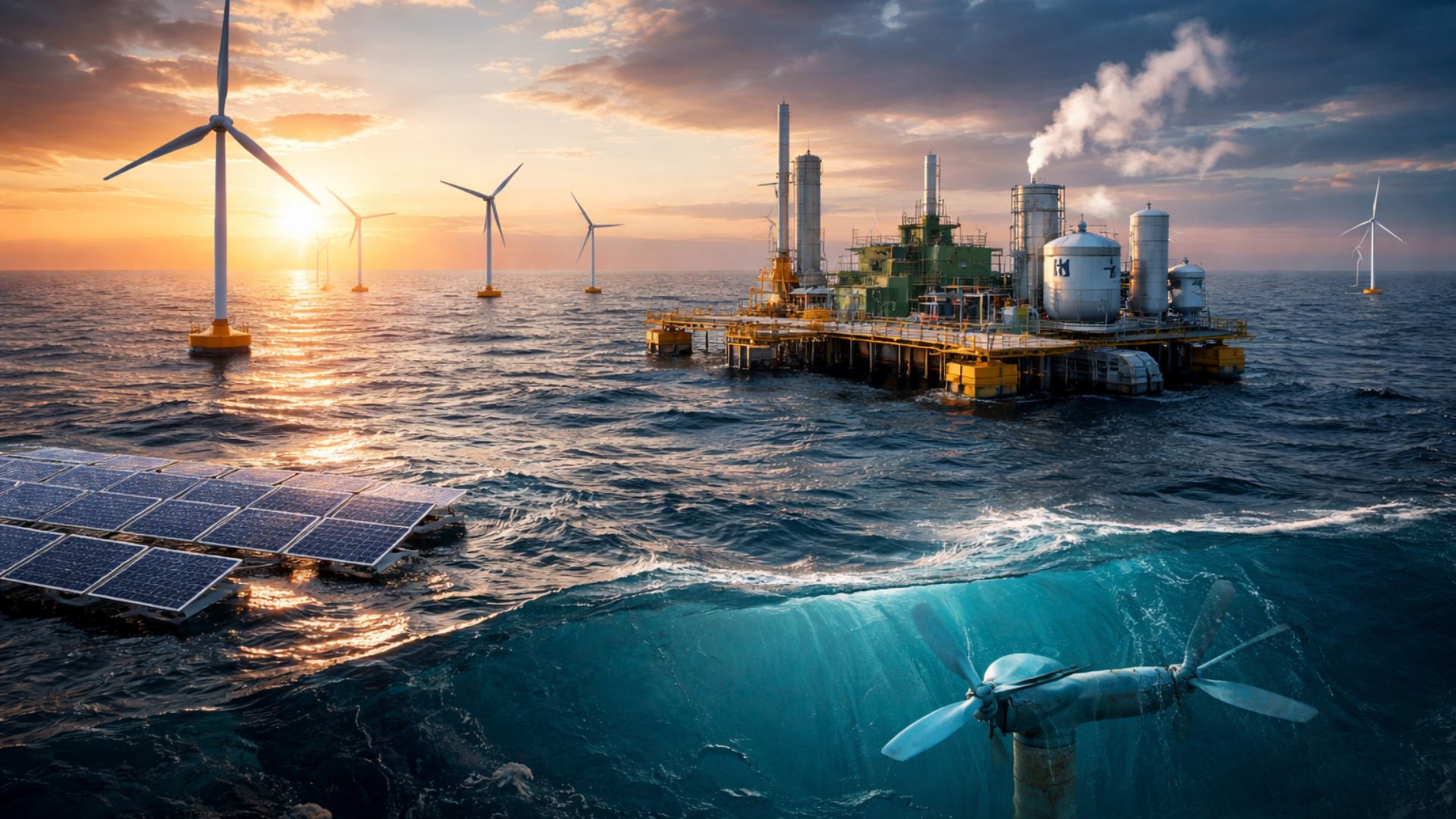
Brazil Expands Its Strategy in Renewable Energy by Investing in Solutions in the Ocean. INPO Leads Offshore Research Focused on Green Hydrogen, Scientific Innovation and Sustainable Energy Transition.
Brazil has entered a new phase of energy transition by announcing the creation of the Thematic Center for Renewable Energy in the Ocean – Blue Energy, an initiative led by the INPO (National Institute of Oceanic Research) with funding from the Funding Authority for Studies and Projects (Finep). According to an article published by the ESG Inside website on February 2, the project has about R$ 15 million in public resources and focuses on the development of renewable energy technologies applied to the ocean, with an emphasis on offshore solutions and the production of green hydrogen.
Understand the Objective of INPO with the Project in the Ocean
Right from the start, the project stands out for bringing together three strategic pillars: abundant natural potential, Brazilian expertise in offshore operations and a consolidated scientific base. The combination of these factors positions the country as one of the most promising global hubs for advancing so-called blue energy, a concept that involves clean generation from marine resources.
Furthermore, the center is born with the explicit goal of taking technologies still at a pre-commercial stage to higher levels of maturity, creating the technical foundational conditions for future large-scale industrial actions and directly contributing to emission reduction and national energy security.
-
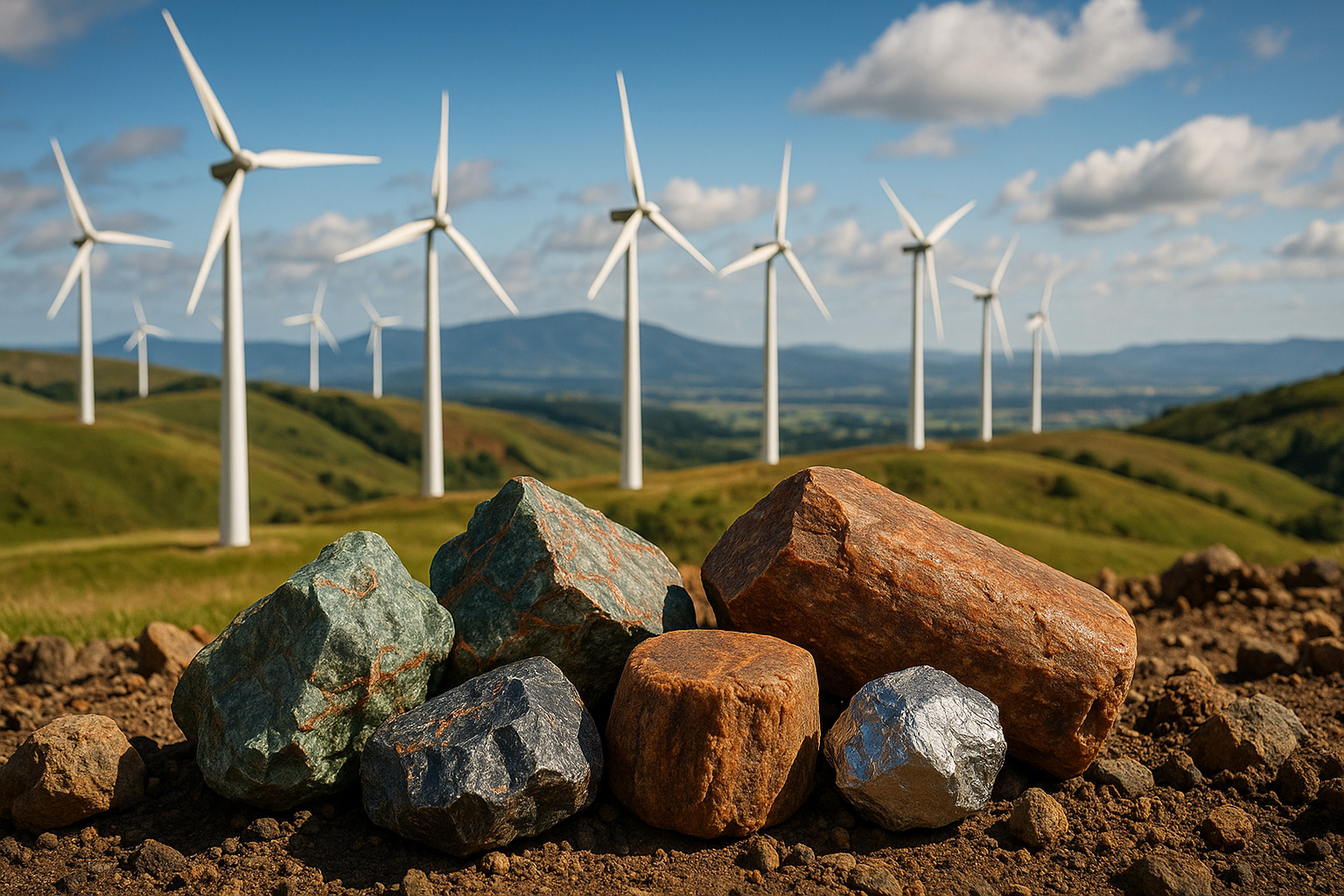
The Brazilian state accelerates industrial competitiveness with a focus on the extraction of strategic minerals to boost the energy transition in Goiás.
-
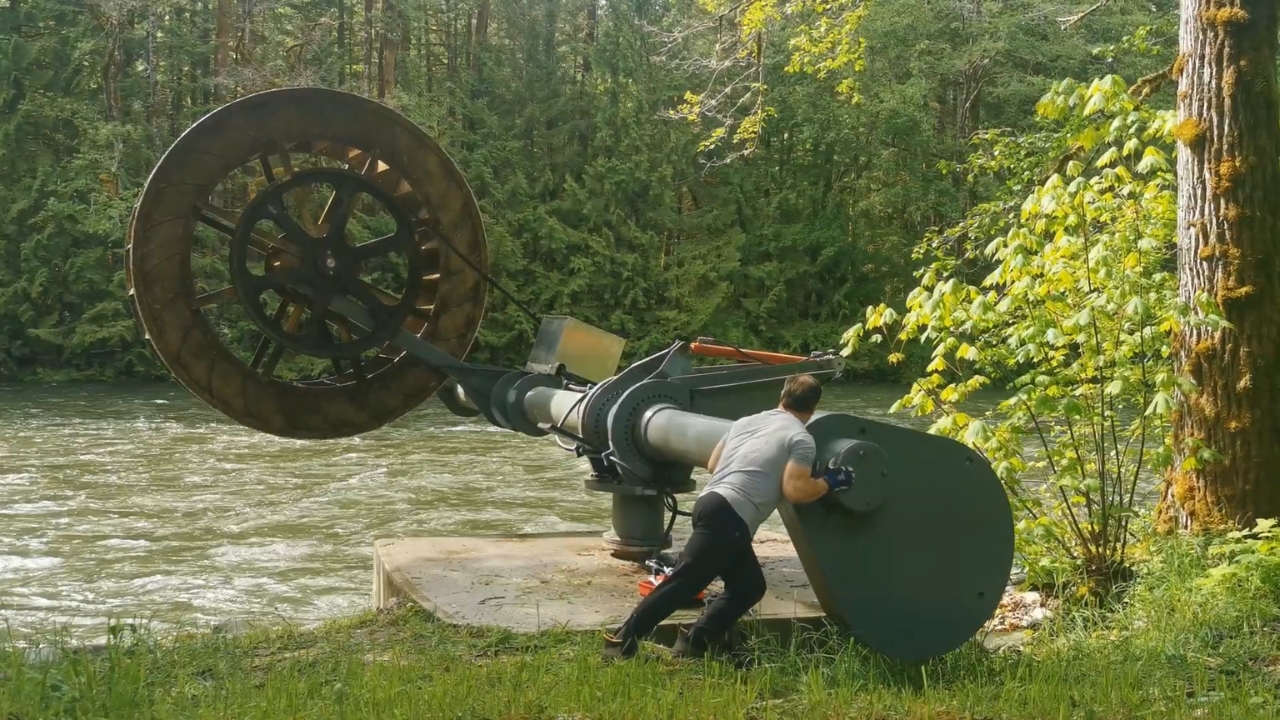
A Canadian retiree creates a hydroelectric system on a real river, generating energy continuously throughout the day and demonstrating how the power of water can supply a house with stability even in a simple structure.
-
Petrobras reaffirms its commitment to the market and ensures that it will carry out the energy transition safely to maintain national sovereignty.

-
Researchers discover a possible hydrogen deposit of up to 46 million tons beneath an ancient coal basin, and the volume could exceed half of the entire global production.


Renewable Energy in the Ocean Drives New Strategy of INPO
The Thematic Center for Blue Energy will be structured to develop four main technologies of renewable energy in the ocean, all aligned with the current demands of the energy transition. Under the coordination of the INPO, the project includes the conversion of wave energy, tidal currents, ocean thermal gradient (OTEC), and the production of green hydrogen from offshore renewable sources.
This is a groundbreaking initiative in the country, both for its technological diversity and for its focus on the integration of applied research and commercial use. According to the institute’s director-general, Segen Estefen, Brazil has important differentiators to lead this movement.
According to him, the abundance of renewable sources in the ocean, combined with Brazil’s expertise in offshore operations, creates favorable conditions for the sea to become a strategic element in advancing the energy transition. The project also envisions the possibility of co-producing desalinated water, further expanding its socio-environmental impact.
Offshore Technologies and Green Hydrogen as a Solution for Intermittency
One of the most relevant axes of the project involves the development of systems capable of simulating the production of green hydrogen from the emulation of offshore wind energy. The proposal uses desalinated seawater for the electrolysis process, connecting renewable generation, energy storage, and system stability.
Intermittency has always been one of the main challenges of wind sources in the ocean. By converting excess electricity into hydrogen, the renewable energy produced can be stored and used flexibly, reducing dependence on weather conditions.
This model increases predictability, efficiency, and competitiveness of offshore projects, especially on a large scale. It also opens up space for the use of hydrogen in industrial sectors and transportation, strengthening an integrated and low-carbon energy chain.
Potential of Offshore Energy in the Brazilian Electricity Matrix
The available data reinforce the strategic relevance of these technologies. Currently, there are about 250 gigawatts in offshore wind projects undergoing environmental licensing at Ibama. Even considering overlaps in areas, the implementation of just 20% of this potential could add approximately 50 gigawatts to the national electricity matrix.
This volume is equivalent to nearly a quarter of the country’s current installed capacity, estimated at about 212 gigawatts. The number highlights the decisive role of renewable energy in the ocean for the expansion of Brazil’s electricity supply, especially in a context of growing demand and the need for decarbonization. The role of the INPO at this pre-commercial stage is fundamental for transforming technical potential into economically and environmentally viable projects.
Renewable Offshore Energy to Reduce Industrial Emissions
The solutions developed at the Blue Energy Center are not limited to the electricity sector. They have a direct application in reducing emissions in offshore oil and gas operations, especially in floating units that still rely on gas turbine-driven power generation.
Moreover, sectors classified as hard-to-abate, such as fertilizers, steelmaking, heavy transport, and the cement industry, will be able to use these renewable energy and green hydrogen technologies to support their energy transition processes.
The ability to integrate clean generation, storage, and industrial use broadens the economic reach of the project, creating opportunities for new business models and sustainable production chains.
Ocean and Clean Energy for Remote Regions of Brazil
Another highlight of the project is the development of turbines to harness tidal currents and continuous flow rivers. Installed submersibly, these systems convert the movement of water directly into electricity, without visual impact and with high predictability of generation.
Even on a smaller scale, the technology shows great potential to serve isolated communities, especially along the Amazon coast, where access to the power grid is limited and many locations still depend on diesel generators.
Estefen emphasizes that even smaller-scale equipment can achieve high installed capacity levels. The application of these solutions could represent a significant advance in access to clean, continuous, and reliable energy in remote regions.
Scientific Development, Innovation and Training of Specialists
From the total budget of the project, R$ 4.3 million will be allocated to research scholarships for master’s, doctoral, and post-doctoral students. The activities will be carried out in partnership with UFRJ, UFPA, UFPE, and FGV.
This investment strengthens the training of specialists in renewable energy, offshore technologies, ocean engineering, and green hydrogen, creating a solid human capital base to sustain technological advancement over the long term.
The production of national knowledge reduces dependence on imported solutions and increases Brazil’s competitiveness in the international arena, especially in the context of a low-carbon economy.
Pilot Projects and Advancement of Renewable Energy in the Ocean
Throughout the project, four main pieces of equipment will be developed: a wave energy converter, an OTEC system based on the Rankine cycle with ammonia, a green hydrogen production module, and a turbine for tidal currents.
These pieces of equipment will be designed, built, and tested in both laboratory and operational environments, allowing for the validation of performance, efficiency, and reliability. The delivery of pilot projects ready for installation at sea represents a milestone for offshore energy in Brazil, paving the way for large-scale commercial applications.

The Ocean as a Strategic Frontier of the Brazilian Energy Transition
The creation of the Thematic Center for Blue Energy consolidates a long-term vision for the sustainable use of the ocean. With leadership from the INPO, institutional support from Finep, and integration with leading universities, the project connects science, innovation, and energy strategy.
The advancement of offshore technologies and green hydrogen positions Brazil in a new stage of renewable energy, with potential direct impacts on the economy, the environment, and energy security. More than just a research center, the initiative symbolizes the transformation of Brazil’s maritime potential into sustainable, competitive development aligned with the challenges of the 21st century.






-

-

2 pessoas reagiram a isso.