





 Portuguese
  English
  Spanish
  3 min of reading
  0 comments


Asian Plastics Invade Beach in Brazil and Reveal Invisible Route of Global Pollution. Impact on Tourism, Economy, and Environment!
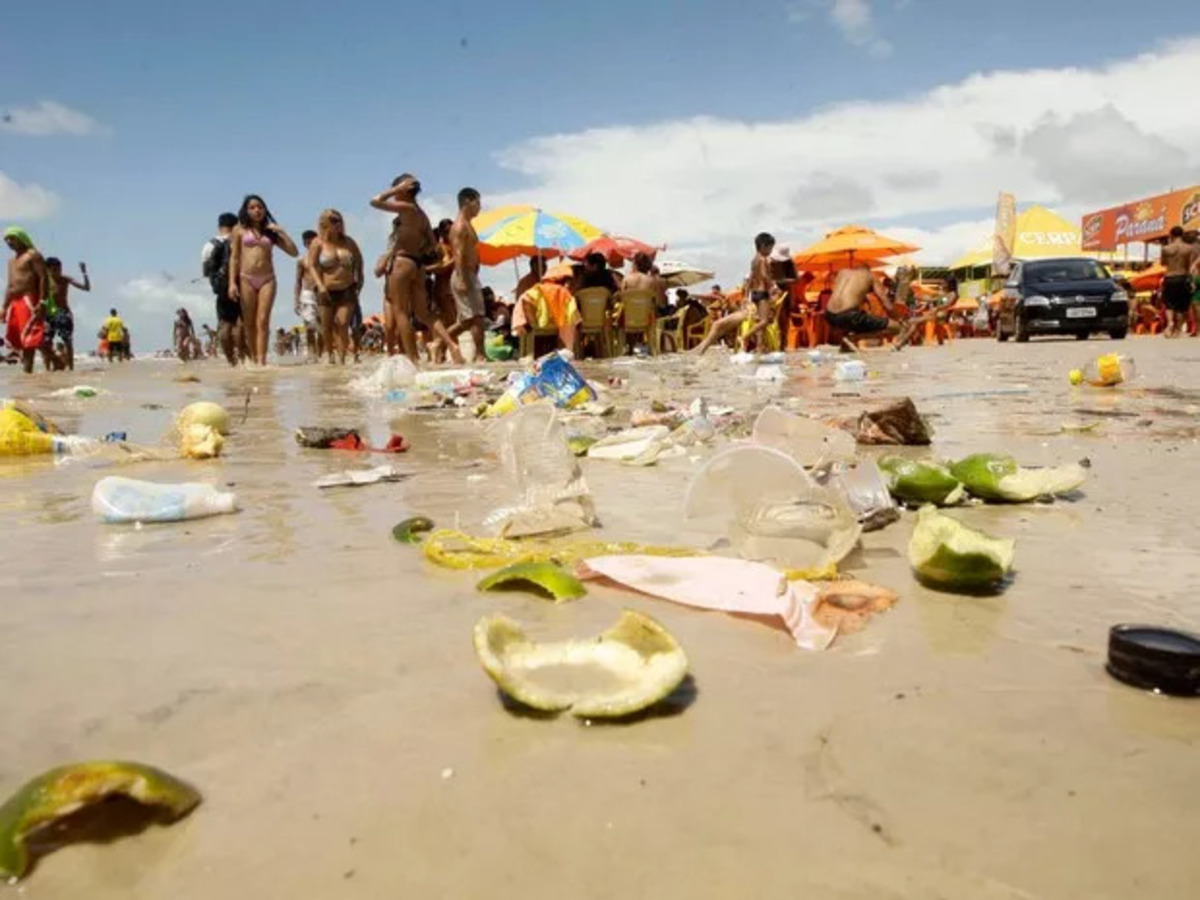
Hundreds of product packaging from Asia were found on Segredo Beach in Rio Grande do Norte throughout July 2025. The discovery was made by a BBC reporting team that traveled along the northeastern coast, revealing the accumulation of waste, mostly foreign, especially Asian.
The phenomenon is driving away tourists, affecting the local economy, and reigniting the debate over the impacts of pollution in the oceans, especially in environmentally protected areas.
The Public Ministry of Rio Grande do Norte (MPRN) stated that the case is under investigation and that various entities are being contacted to compose a diagnosis.
-
6 sources of free fertilizer that you are throwing away every day and can transform your garden without spending anything.

-
With a water crisis on the radar, Sabesp invests in reclaimed water for data centers and transforms sewage treatment into a solution that saves millions of liters and protects public supply.

-
Foresea achieves 100% offshore waste reuse in 2025, eliminates landfill disposal, and consolidates sustainable strategy with 1,500 tons recycled.
-
With earth, bamboo, straw, and lime mortar, a specialist builds a house for just over $460 and draws attention for its cost being much lower than traditional construction.


So far, the data points to a concerning pattern: illegal dumping in the open sea and ocean currents are turning Brazilian beaches into floating deposits of global waste.
Paradisiacal Beach Threatened by Pollution
Segredo Beach, known for its preserved nature and wild beauty, has become a symbol of the environmental problem. Beverage packaging, cleaning products, oils, and even paint removers were found along the stretch of sand.
Although some waste originates from Brazil, the United States, and Africa, the overwhelming volume of trash comes from Asian countries.
Many of the products were found with almost intact packaging, suggesting they were discarded recently. This has frightened tourists, decreased visitor flow, and compromised the income of local communities.
Where Does the Asian Trash Coming to Brazil Come From?
According to Professor Alexander Turra from the Oceanographic Institute of USP, the most likely explanation is the disposal of waste by vessels. With 90% of global trade relying on maritime transport, and Asia concentrating 20 of the 30 busiest ports on the planet, the chance of waste being dumped into the sea during commercial routes is high.
Ships avoid costs associated with legal disposal in ports and dump materials directly into the ocean. With the strength of ocean currents, this waste crosses continents and reaches even remote regions of the Brazilian coast.
Environmental and Economic Impacts on Brazilian Beaches
The arrival of trash directly affects the coastal ecosystem. Plastics and metals injure marine animals such as turtles, birds, and fish. Many species mistake waste for food, leading to death by asphyxiation or intestinal blockages.
In addition, chemical substances in the debris contaminate water and soil, affecting fishing and riverside communities.
The impact goes beyond the environment, also hitting the economy and public health.
What Is Being Done Against Marine Litter?
Although Brazil has a National Plan to Combat Marine Litter, its implementation still faces challenges. Enforcement is scarce, and compliance with international standards is still far from ideal.
Awareness campaigns, cleanup drives with volunteers, and encouragement of biodegradable materials have been alternatives adopted by some coastal cities .
However, without international cooperation and effective penalties, the problem is likely to repeat and worsen.
A Threat That Comes From Afar but Hits Close to Home
The pollution caused by Asian-origin waste on Brazilian beaches reinforces the urgency for more effective global policies. An international pact is necessary to hold vessels accountable for illegal disposal and demand joint solutions for the problem of marine pollution.
Segredo Beach is not an isolated case — it is a clear reflection of the interconnectedness between global consumption and the local environment.
As long as trash continues to travel more than many tourists, the future of Brazilian beaches and coastal biodiversity will remain at risk.









Seja o primeiro a reagir!