





 Portuguese
  English
  Spanish
  3 min of reading
  0 comments


Brazilian Biofuel Gained Space in COP30 AgriZone by Relating Agriculture, Technology, and Sustainable Energy Transition in Discussions About Carbon Mitigation
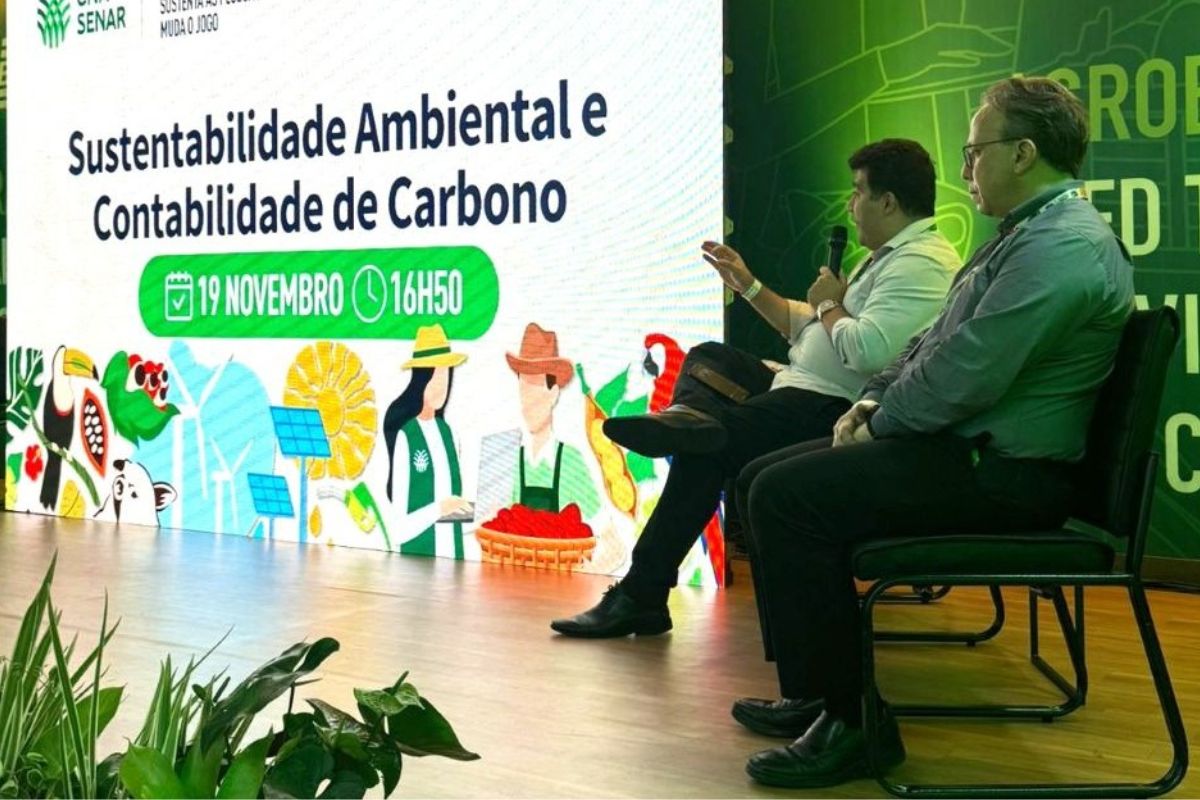
The Brazilian biofuel was presented at the COP30 AgriZone as a central element to face the challenge of reducing emissions, in a scenario where measuring, quantifying, and proving mitigation has become a basic condition for discussing climate, according to a report published.
During the panel promoted by the Confederation of Agriculture and Livestock, on November 19, the discussions highlighted how different stages of the production chain depend on reliable data to guide policies, markets, and producers’ actions.
The discussions explained that agriculture, when supported by science, technology, and new forms of management, can generate not only food but also bioproducts capable of capturing and reusing carbon.
-
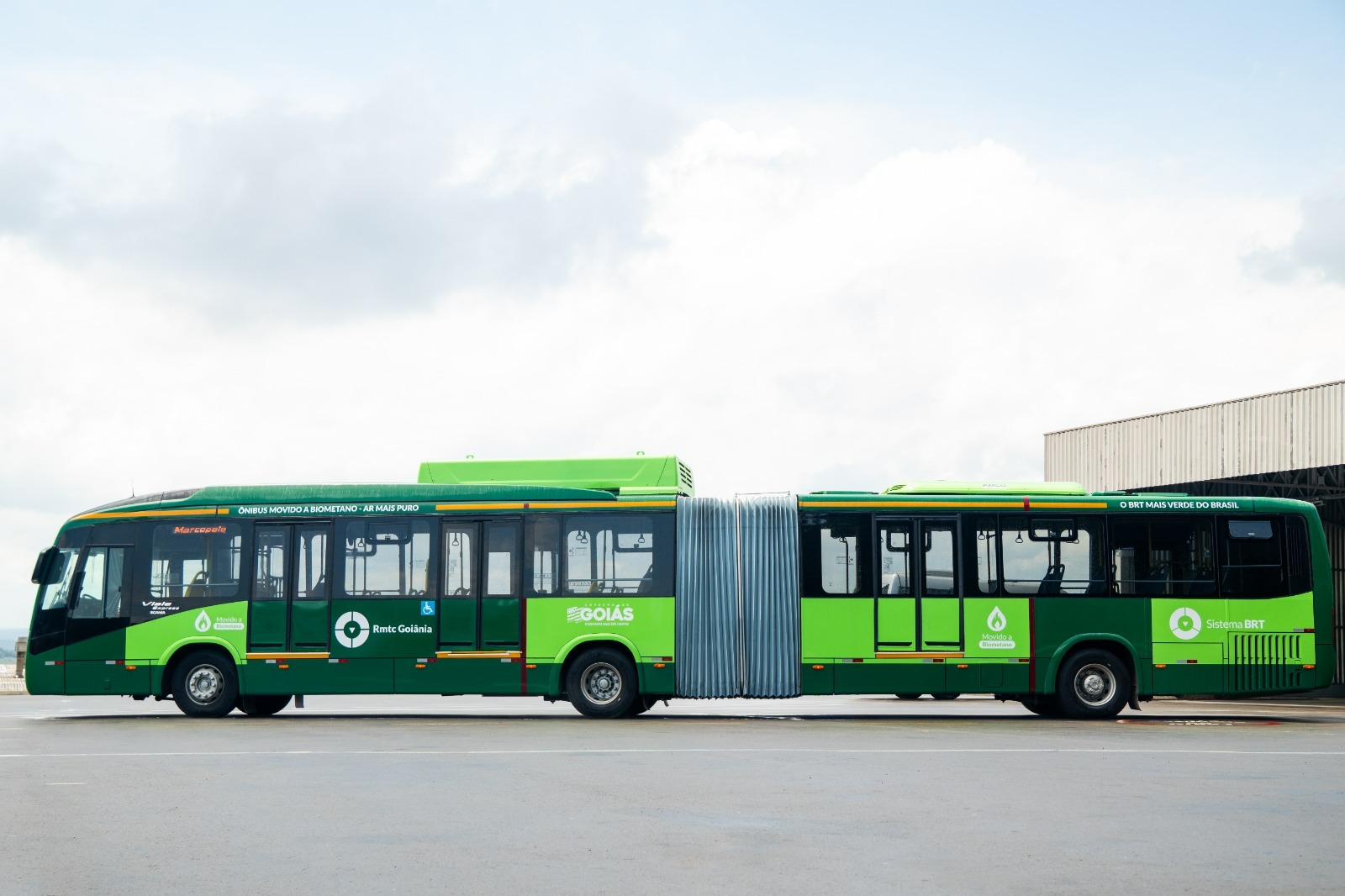
Revolution in public transport: Goiânia puts into circulation the first articulated buses powered by biomethane in Brazil and promises to drastically reduce pollution on the Anhanguera Corridor.
-
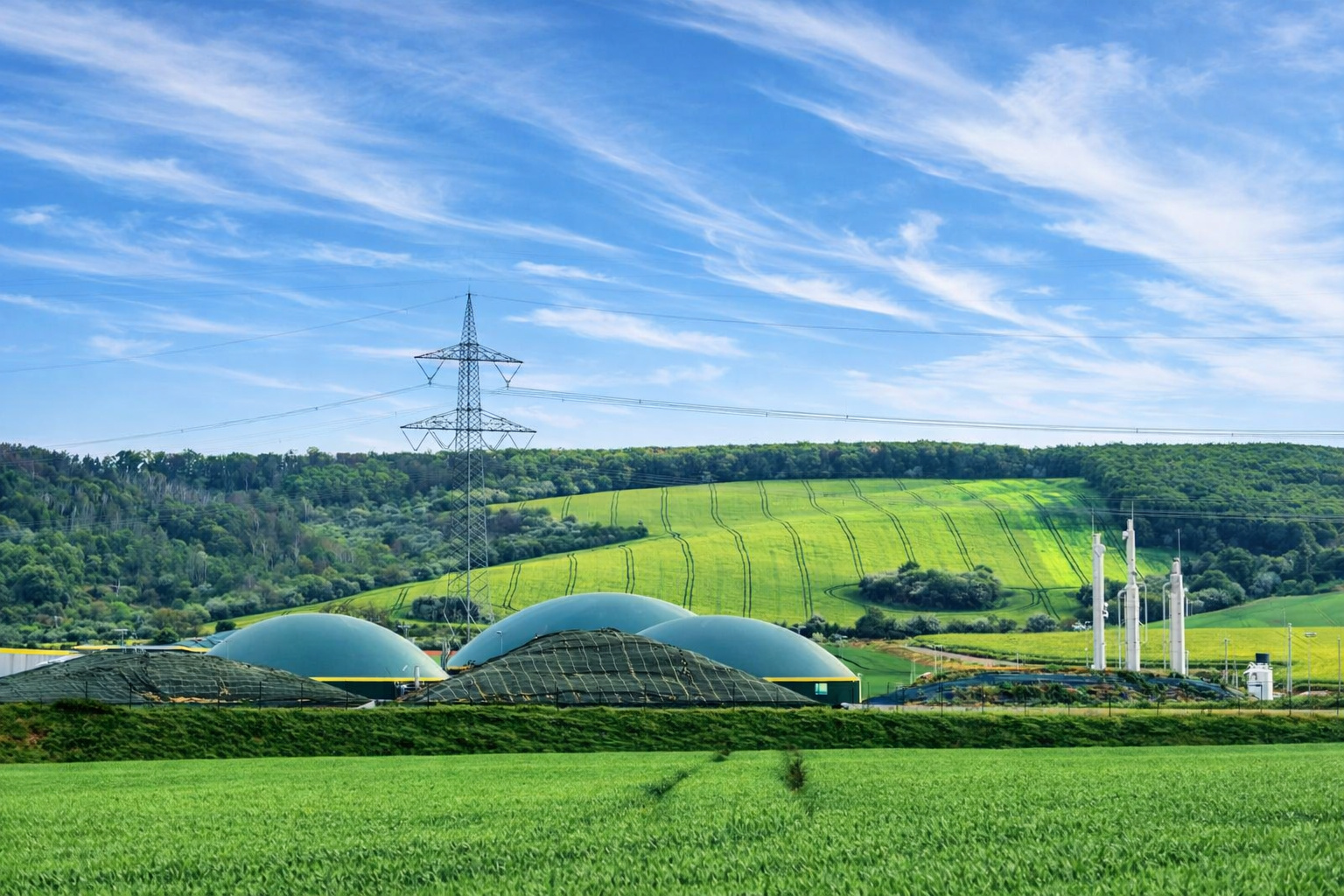
From the field to the pipelines: Mato Grosso do Sul accelerates the energy transition and consolidates a new axis in renewable energy with the arrival of a giant biogas plant.
-
The Economist states that Brazil has a “secret weapon” against expensive oil and highlights how the country can reduce economic impacts even in international scenarios of high volatility.

-
Brazil accelerates decarbonization in the South: International forum in Foz do Iguaçu gathers leaders to discuss the advancement of biomethane in the energy matrix and the potential of “caipira pre-salt.”

At the same time, the COP reinforced that the agro-energy sector needs clear methodologies to prove its contribution to decarbonization, allowing the country to advance in structured energy transitions.
In this environment, participants emphasized that biofuels represent real opportunities to build sustainable pathways both in and outside the field.
Decarbonization in Tropical Agriculture
In the panel, Alexandre Alonso from Embrapa Agroenergia presented updated data to illustrate the relevance of national production.
He explained that studies show Brazil has avoided over 840 million tons of CO² equivalents since 1975, when the ethanol program began.
Per year, mitigation approaches 100 million tons thanks to biofuels and bioelectricity.
In this context, the topic gained traction as part of strategies that unite tropical agriculture, innovation, and technologies capable of intensifying production with lower environmental impact.
The presence of the Brazilian biofuel was highlighted as a key element in building models that consider soil, climate, and appropriate management to enhance the capacity for carbon capture and recycling in the field.
Calculation of Carbon Emissions and Brazilian Biofuel
The harmonization of carbon calculations was also discussed as an essential step. Alonso recalled that accounting is indispensable to validate how much each bioproduct can reduce emissions.
He mentioned RenovaBio as an important advance for incorporating scientific basis into the methodologies used. According to him, many international models do not reflect the reality of tropical agriculture, which can lead to distorted assessments of the actual carbon footprint.
This adjustment is necessary to show how systems with biotechnology, bioinputs, and second or third harvests increase biomass production without increasing emissions.
Thus, the Brazilian biofuel emerges as an alternative aligned with demands for efficiency and mitigation in different sectors.
Public Policies for Biofuels and Sustainable Energy Transition
When discussing the trajectory of agriculture, Alonso explained that the sector has gone through three phases: expansion in the 1970s, increased productivity in the following decades, and now, a stage focused on sustainability.
He explained that producers generate food, fibers, and ecosystem services while incorporating practices aimed at food security.
For him, public policies capable of transforming environmental assets into financial returns, like RenovaBio, encourage farmers’ participation in the climate agenda.
The Brazilian biofuel was presented as a link connecting agriculture and industry, creating opportunities in transport, aviation, and maritime segments.
In this movement, the sustainable energy transition gained prominence as a possible horizon for new markets.
The circular economy in the field was also discussed. Alonso described the four “Rs”: reduce, reuse, remove, and recycle, emphasizing that these pillars form pathways for more integrated production systems.
He stated that the use of biomass enables the expansion of agro-industrial chains and creates alternatives for transforming sectors.
Producers’ behavior was presented as a decisive factor, especially since many are following digital technologies, participating in innovation processes, and seeking to adopt climate-aligned practices.
Initiatives like AgNest exemplify co-creation models that bring together farmers and researchers, accelerating the arrival of solutions to the field.
This approach, according to him, shortens the time between scientific development and practical application, enhancing the role of Brazilian biofuel as part of climate and productive strategies.








Seja o primeiro a reagir!