





 Portuguese
  English
  Spanish
  4 min of reading
  1 comment


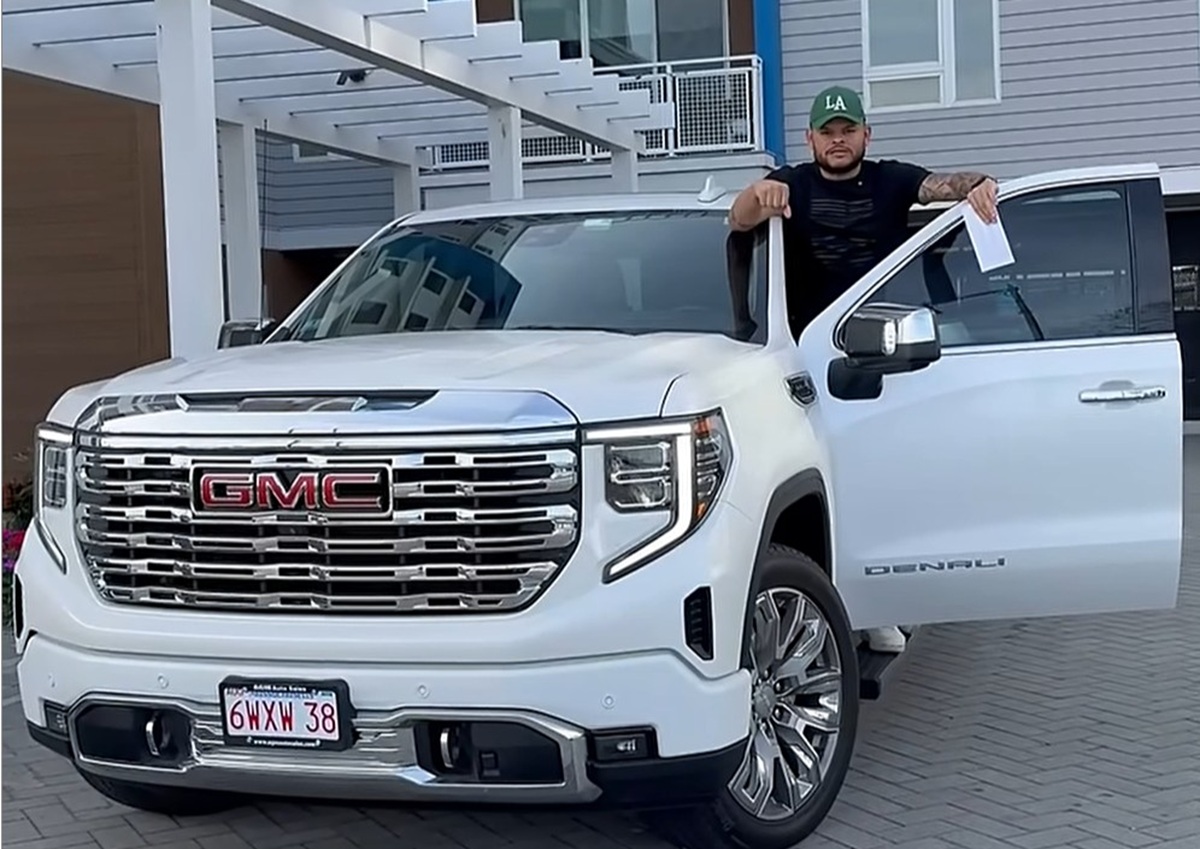


Célio Ortiz, Who Lives in Massachusetts, Compared the Cost of the IPVA for His 2023 GMC Sierra with the Amount Charged in Brazil and Revealed a Difference of Up to R$ 50 Thousand Per Year.
In a video published on his YouTube channel, content creator Célio Ortiz showed how much it costs to maintain his new car in the United States and made a direct comparison with Brazil.
The influencer, who lives in the state of Massachusetts, highlighted that the IPVA amount for an equivalent vehicle in Brazil can reach R$ 50 thousand per year, while in the United States the annual fee is almost symbolic.
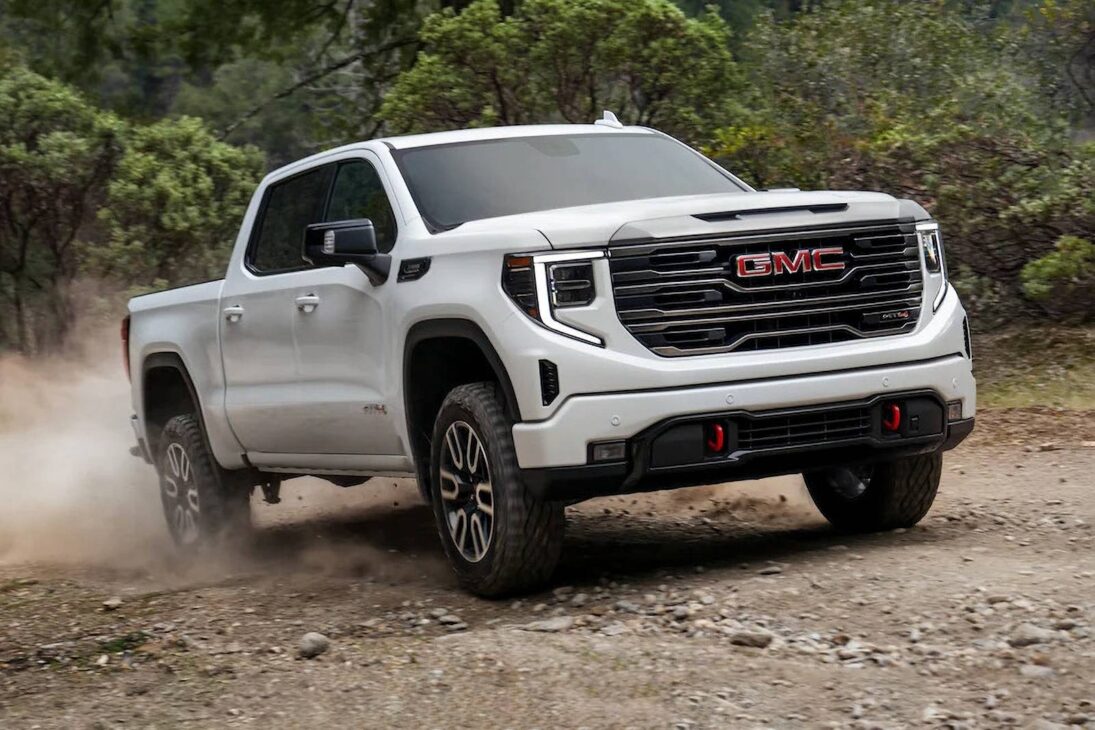
The car in question is a 2023 GMC Sierra 1500, a large pickup truck with a high market value. According to Ortiz, the same model, if purchased in Brazil, would cost around R$ 1.2 million, a price he classified as “absurd.”
-
The village where two rivers run side by side without mixing in Santarém and Alter do Chão reveals some of the most beautiful freshwater beaches on the planet.

-
Brazil’s nuclear submarine with a speed 5 times greater than normal advances after nearly 50 years and R$ 40 billion spent.

-
A Brazilian island charges R$ 0.50 to receive visitors and prohibits any new residents.

-
Why was the Great Wall of China built? The truth that many are unaware of!


In the United States, the vehicle is worth US$ 67 thousand, equivalent to about R$ 370 thousand, depending on the exchange rate.
Brutal Difference in IPVA
Célio explained in the video that, in addition to the purchase price difference, the annual taxes on the vehicle are also very different between the two countries. “In Brazil, you pay 4% per year in IPVA. That is, it would be R$ 50 thousand every year just to have a car like this,” he stated.
In the United States, specifically in Massachusetts, the system is completely different. “Here it’s different. You need to renew the registration every two years,” he said.
The creator showed the vehicle documents and revealed that his next renewal will be in August 2027, two years after the purchase.
Furthermore, the annual tax amount is much lower. “I will pay a proportional amount for four months: 230 dollars. Then I checked in the chat and saw how much I would pay for the whole year: 420 dollars in 2026. And starting in 2027, it will be 170 per year fixed,” he detailed.


Cost Comparison
In a simple calculation, Ortiz showed that while in Brazil a owner would spend around R$ 50 thousand annually, the amount he will pay in Massachusetts will be equivalent to less than R$ 1 thousand per year.
He also emphasized that the price of the car in the United States is much lower than in Brazil, which further increases the discrepancy.
According to the influencer, the American system is more practical and less burdensome for citizens. “It’s surreal, isn’t it?” he commented. He mocked the difference, stating that in Brazil, the owner ends up paying the equivalent of a new car just in taxes, should they keep the vehicle for several years.
The video, which quickly went viral among Brazilian drivers, reinforces the discussion about the high tax burden on vehicles in the country.
The IPVA, charged annually, is based on the market value of the automobile and the rate defined by each state. In the case of the GMC Sierra, the total can exceed R$ 200 thousand in just four years of use, considering the Brazilian value.
IPVA Reduction in Brazil
Meanwhile, the debate about the tax burden on vehicles continues to be a topic in various regions of the country. For example, the Government of Paraná announced a measure that could ease part of this burden for drivers. Starting from 2026, the state will reduce the IPVA rate from 3.5% to 1.9%, a decrease of 45%.
With this change, Paraná will have the cheapest IPVA in Brazil.
The reduction was celebrated by drivers and representatives of the automotive sector, who point to the tax as one of the factors that increase maintenance costs and discourage the purchase of new vehicles.
Still, even with the decrease, the difference compared to the United States remains significant. While an owner in Paraná will pay less than 2% of the vehicle’s value, Célio Ortiz, in Massachusetts, will bear fixed amounts that represent a minimal fraction of the car’s price.
Reflection on the Tax System
The comparison made by Ortiz reinforces the contrast between the tax collection systems in the two countries.
In Brazil, the IPVA represents one of the main sources of revenue for the states and is applied proportionally to the value of the vehicle. In the United States, the fees tend to vary according to state policies but are generally lower and simpler.
The video ends with a provocation from the content creator, who expresses being impressed by the difference and suggests that the American model could inspire changes in Brazil. “There, the tax becomes a burden; here, it’s just a symbolic fee. And the car is the same,” he stated.
With his usual straightforward and humorous language, Célio Ortiz managed to transform a simple tax calculation into a reflection on the cost of living and Brazilian tax policy.
The publication generated significant engagement and reignited the debate about the weight of the IPVA on family budgets, especially given the constant appreciation of vehicles in the national market.







When you post articles like this you should proof read them before posting as the figures make no sense ..