





 Portuguese
  English
  Spanish
  3 min of reading
  0 comments


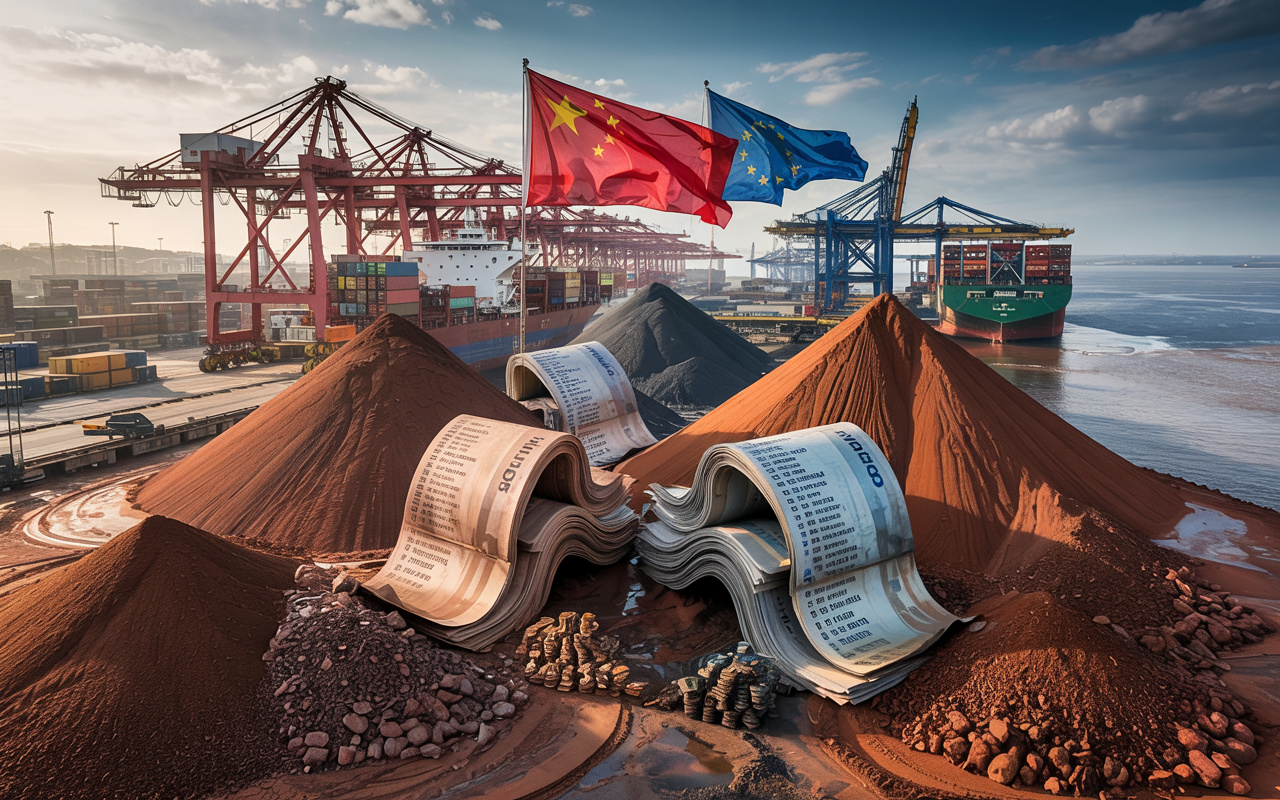
Brazilian Iron Ore Sustains Chinese Steel Industry in 2025, with Billion-Dollar Contracts, While Europe Complains of Restricted Access.
In 2025, Brazil reinforces its position as the second largest exporter of iron ore in the world, behind only Australia. But while the Australians supply the Asian markets on a large scale, it is Brazilian ore that has become a strategic piece for China, sustaining its billion-dollar steel industry and ensuring raw materials for construction and large-scale steel production.
With billion-dollar contracts signed throughout the year, the Brazil–China partnership remains strong. However, the advancement of the relationship causes discomfort in Europe, which faces barriers to accessing Brazilian products and sees its steel industry under pressure.
Why China Will Not Give Up Brazilian Ore
Chinese dependence on Brazilian iron ore is not new. The national product has a high iron content — over 60% in many mines — which reduces processing costs and increases efficiency in steel production. For a country that consumes more than half of all the steel produced in the world, every percentage point of purity makes a difference.
-
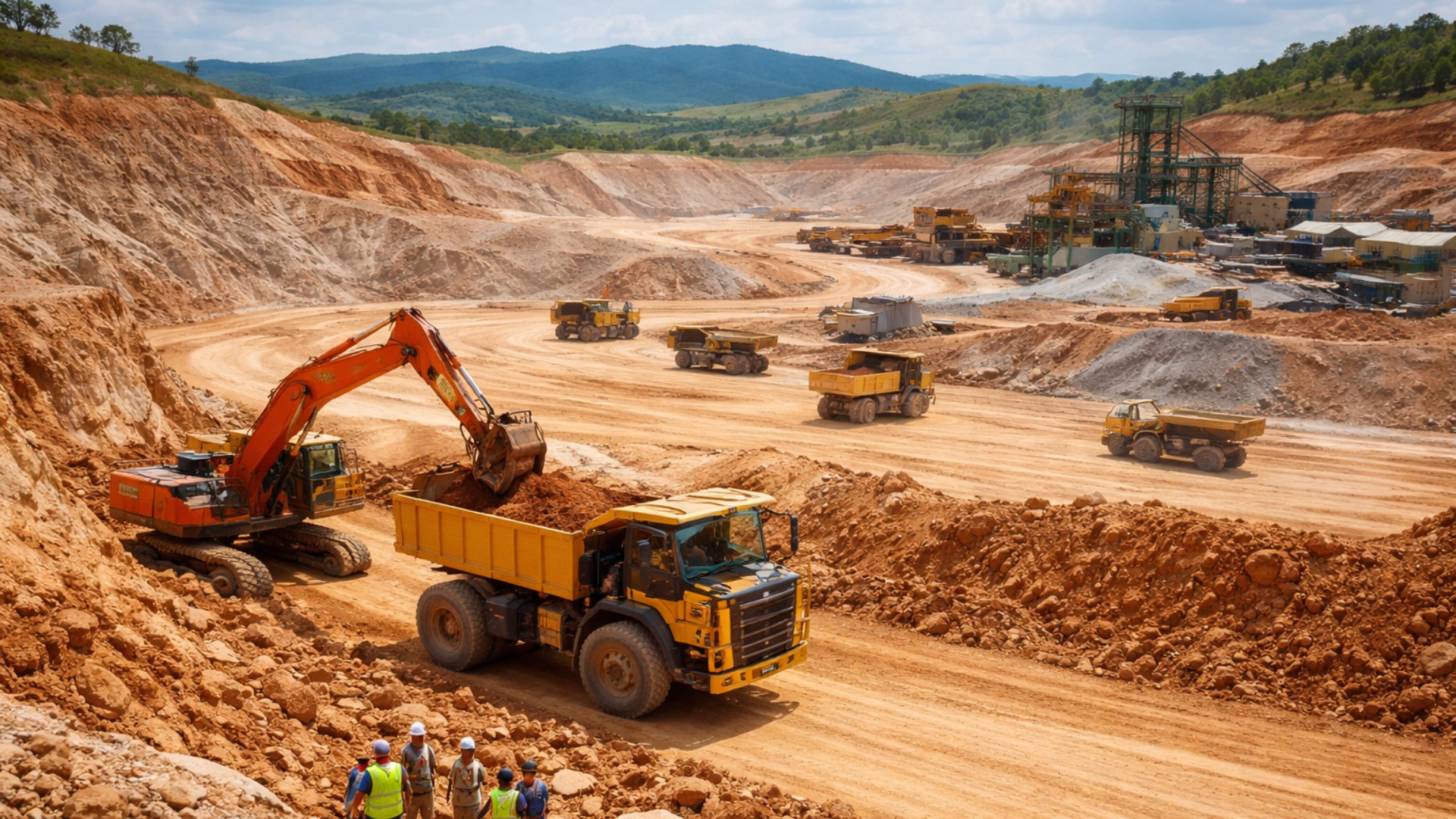
After China, it’s now the turn of the USA to ‘secure’ a share of Brazil’s natural resources: the country buys critical rare earths for R$ 3 billion and enters the center of the global technology dispute.
-
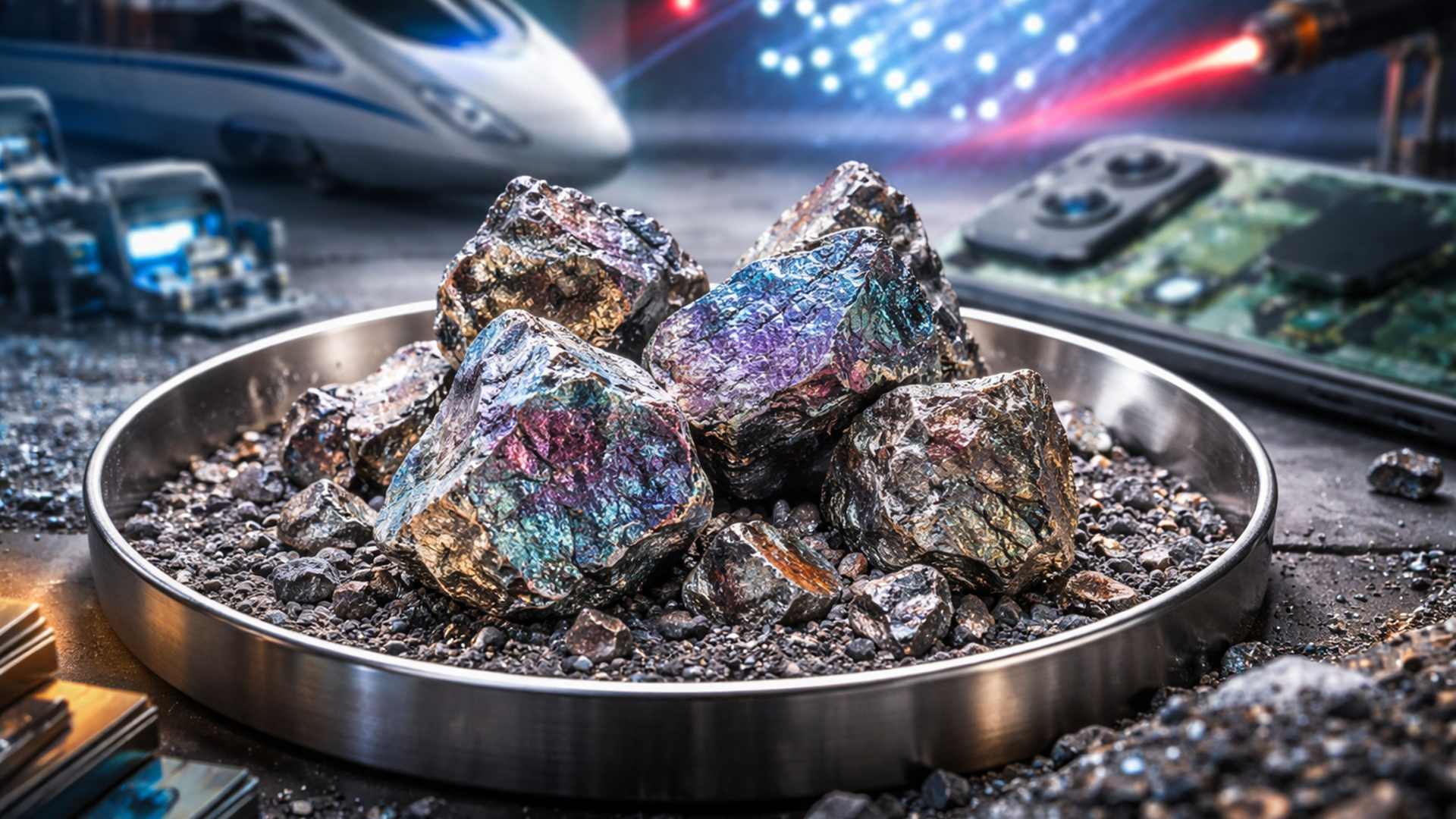
Rare earths are in everything, from cell phones to bullet trains, and what almost no one realizes is why they have become the target of such a delicate global war.
-
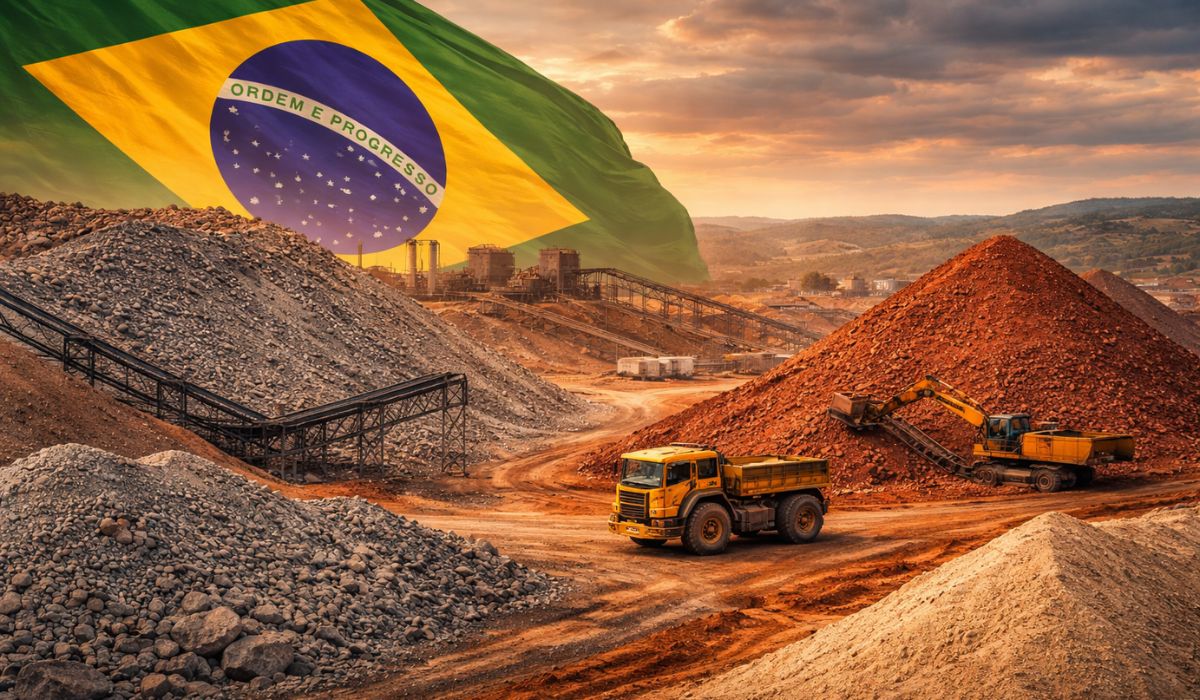
Brazil extracts 26.3 million tons of ore from what was previously treated as waste, transforming residues into wealth, producing over 3 million tons of sand, and demonstrating how national mining is relearning to generate value.
-
A $3.5 billion megaproject in Latin America pumps desalinated seawater at 1,050 liters per second over 194 km to keep a copper supermine in the Andes operational for another 20 years.
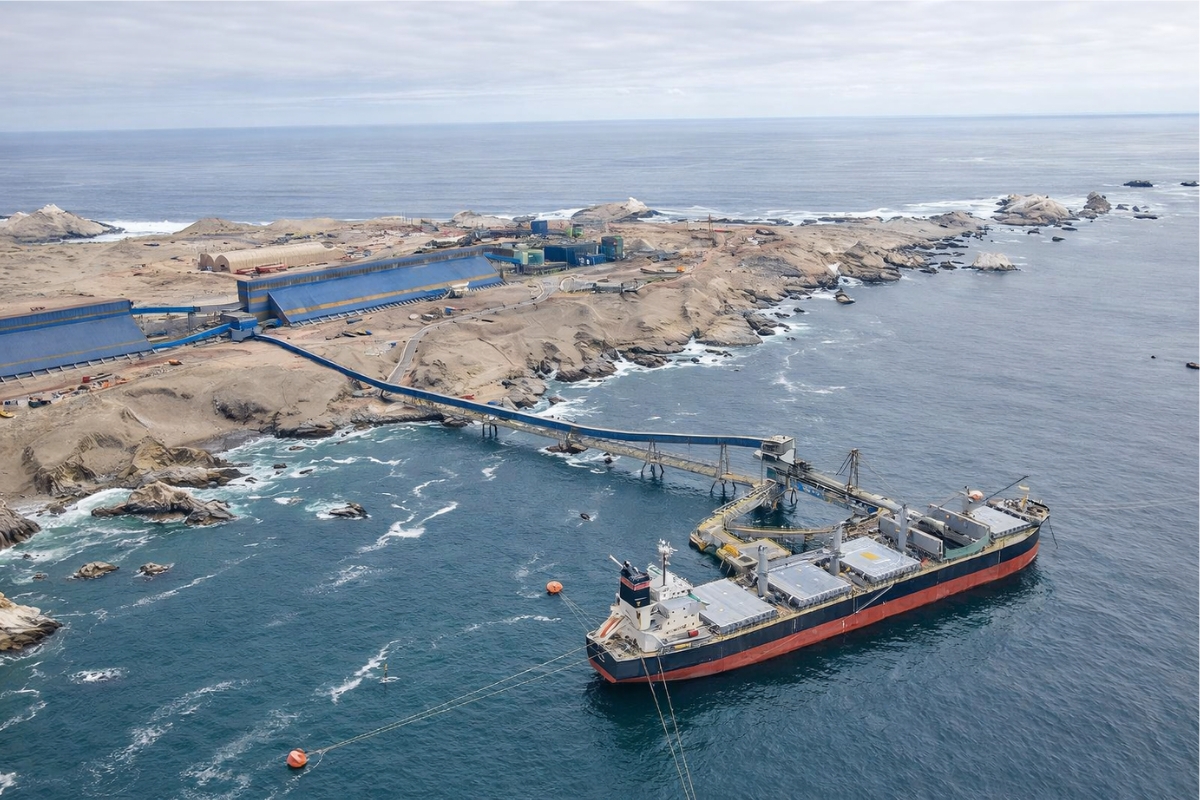

In 2024, Brazil exported more than 350 million tons of iron ore, with about 65% of that volume destined for China.
In value, Brazil’s trade balance recorded over US$ 30 billion just from the commodity, consolidating China as the dominant buyer. In 2025, the trend continues, with new strategic purchases announced by Chinese steel producers.
The European Bottleneck: Price, Logistics, and Geopolitics
While China secures billion-dollar contracts with Brazilian miners, Europe faces restrictions. The first challenge is logistics: maritime transport to European ports is more expensive and less competitive. Second, the geopolitical factor: Beijing ensures priority in long-term contracts, reducing the availability of spot cargoes for European buyers.
European steel associations have pressured Brussels to negotiate more favorable terms with Brazil. However, the response is complex: the country prioritizes markets that offer stable volume and advance payments, something that China dominates with long-term agreements and state financing.
The Brazilian Dilemma: Market Concentration
The concentration of Brazilian exports in a single buyer worries economists. Although China ensures stable demand, excessive dependence exposes Brazil to risks in the event of a Chinese economic slowdown or abrupt changes in Beijing’s trade policy.
The contrast is clear: on one hand, billion-dollar contracts sustain the trade balance and ensure record surpluses; on the other, the vulnerability of relying on a single customer for most production.
Investments and Mining Expansion
In 2025, mining companies operating in Brazil, such as Vale, Anglo American, and CSN Mining, announced new investments to expand production capacity and improve logistical efficiency. Expansion projects in Minas Gerais and Pará are expected to add millions of tons to the market in the coming years.
However, investments face criticism: environmental organizations warn of the impacts of mining on rivers, communities, and biomes like the Cerrado and the Amazon. Between billion-dollar contracts and environmental pressures, Brazilian iron ore remains both an asset and a dilemma.
The Battle for Access: China vs. Europe
The current dispute reveals a power struggle. China guarantees priority and competitive prices, sustaining its heavy industry. Europe, in turn, denounces trade barriers and fears losing competitiveness against Asia.
Brazil, positioned between the two blocs, attempts to balance interests, but the reality is that China sets the market pace. With contracts signed exceeding tens of billions of dollars, the Asian country remains the dominant client, while Europe seeks alternatives from other suppliers, such as Africa and the Middle East.
In 2025, iron ore continues to be one of the greatest assets of the Brazilian economy, supporting exports, balancing the trade balance, and attracting new investments. But the concentration of contracts with China and pressure from Europe indicate that the asset can also be a trap.
The big question is: will Brazil manage to diversify its markets and reduce its dependence on China — or will it remain a hostage to a single buyer that, while powerful, can change the game at any moment?









-

Uma pessoa reagiu a isso.