





 Portuguese
  English
  Spanish
  3 min of reading
  0 comments


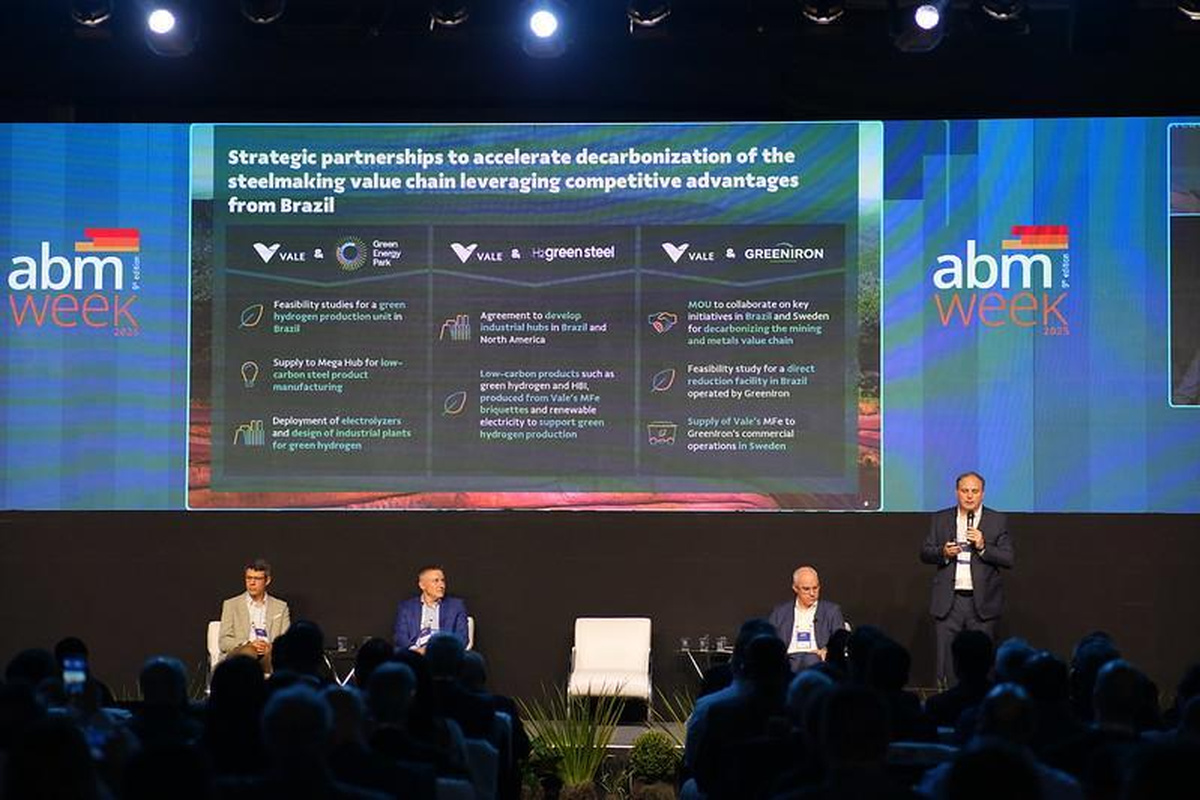
ABM Week 2025 Panel Highlights Sustainable Competitiveness of Steel Produced in Brazil
The 9th edition of ABM Week, held in September 2025, opened its discussions addressing the emergencies and challenges of decarbonization. The topic was debated in a panel that brought together executives from Vale, Ternium, SMS group, and ArcelorMittal, emphasizing that, despite external pressures, the Brazilian steel sector sees sustainability as an essential driver of competitiveness.
Participation of Major Players in the Debate
In the panel “Competitiveness of the Brazilian Steel Industry 2025/2050,” the participants included Juan Merlini, Director of Strategy, Marketing & New Ventures at Vale, Titus Schaar, President of Ternium Brazil, and Thiago Campos, Head of Green Steel at SMS group. The moderation was led by Kleber Beraldo de Andrade, Operations Director at ArcelorMittal Pecém.
According to Merlini, the growth expectation by 2050 is consensual among companies. This advancement will be driven by urbanization, population growth, and intensive use of metals. He also highlighted that the energy transition and material reuse will be crucial. To achieve these goals, it will be essential to invest in operational efficiency, new technologies, and the adoption of green hydrogen as fuel and energy source.
-
Oncorp wins auction and enables biodiesel and gas thermal plants in Brazil, with strategic projects in Suape and Xavantes Aruanã.

-
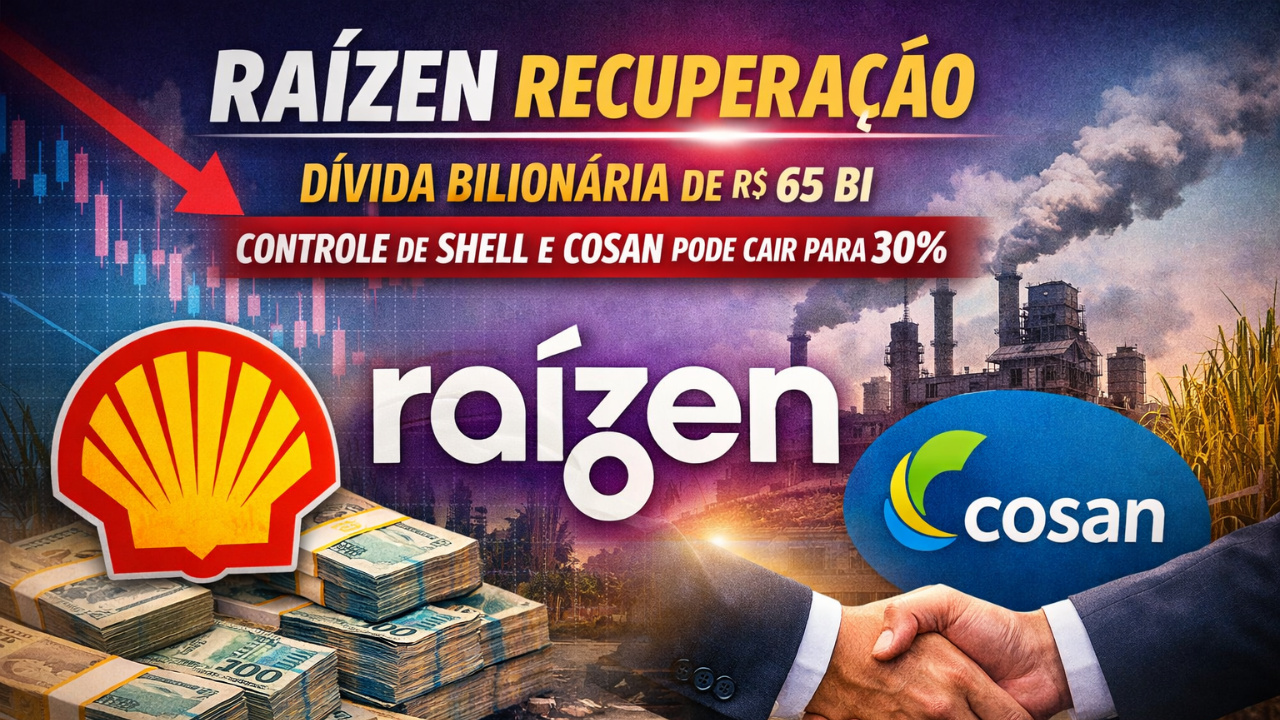
Raízen Recovery: Shell Cosan May Reduce Control After R$ 65 Billion Debt
-
Outback Montes Claros: Chain Confirms First Unit in Northern Minas in 2026

-
Inpasa Creates Advisory Council and Brings José Olympio to Strengthen Corporate Governance
Brazil’s Role in the Energy Transition
Titus Schaar from Ternium was emphatic in stating that Brazil has the conditions to lead the energy transition in the global steel sector. He emphasized that the abundance of supply sources and vast vegetation reserves place the country in a unique position for green competitiveness.
Thiago Campos from SMS group provided international examples. He referred to projects in Sweden, Germany, and Luxembourg, where the company achieved CO2 emissions reductions of up to 95%. To this end, he highlighted the importance of adopting innovative production models that utilize biomass, natural gas, and increased scrap reuse.
Challenges Faced by the Brazilian Industry
Despite the advances, the national steel industry faces significant obstacles. Brazil currently occupies the 9th position in global crude steel production, but suffers from high imports of Chinese steel, which already account for 30% of domestic consumption. This situation results from Chinese overproduction, which puts additional pressure on the local industry.
Another factor is the imposition of new tariffs by the United States, the world’s largest steel buyer. Additionally, there is still low demand for fully decarbonized metals from both companies and end consumers. As Campos highlighted, “the market and society need to show interest in truly clean products.”
Paths to Steel Sustainability
To reduce carbon emissions, companies have turned to artificial intelligence, process digitization, energy efficiency, and strategic partnerships. However, executives stressed that there will be a need for greater government incentive and adjustments in legislation.
According to the participants, only with suitable public policies, international cooperation, and technological innovation will it be possible to transform Brazil into a global leader in the decarbonization of steel and sustainable mining by 2050.
Thus, the ABM Week 2025 panel made it clear that the Brazilian steel industry sees sustainability not only as a challenge but as an essential competitive advantage for the future. After all, if the country holds abundant resources and expanding technology, why not take the global lead in green steel?







Seja o primeiro a reagir!