





 Portuguese
  English
  Spanish
  6 min of reading
  0 comments


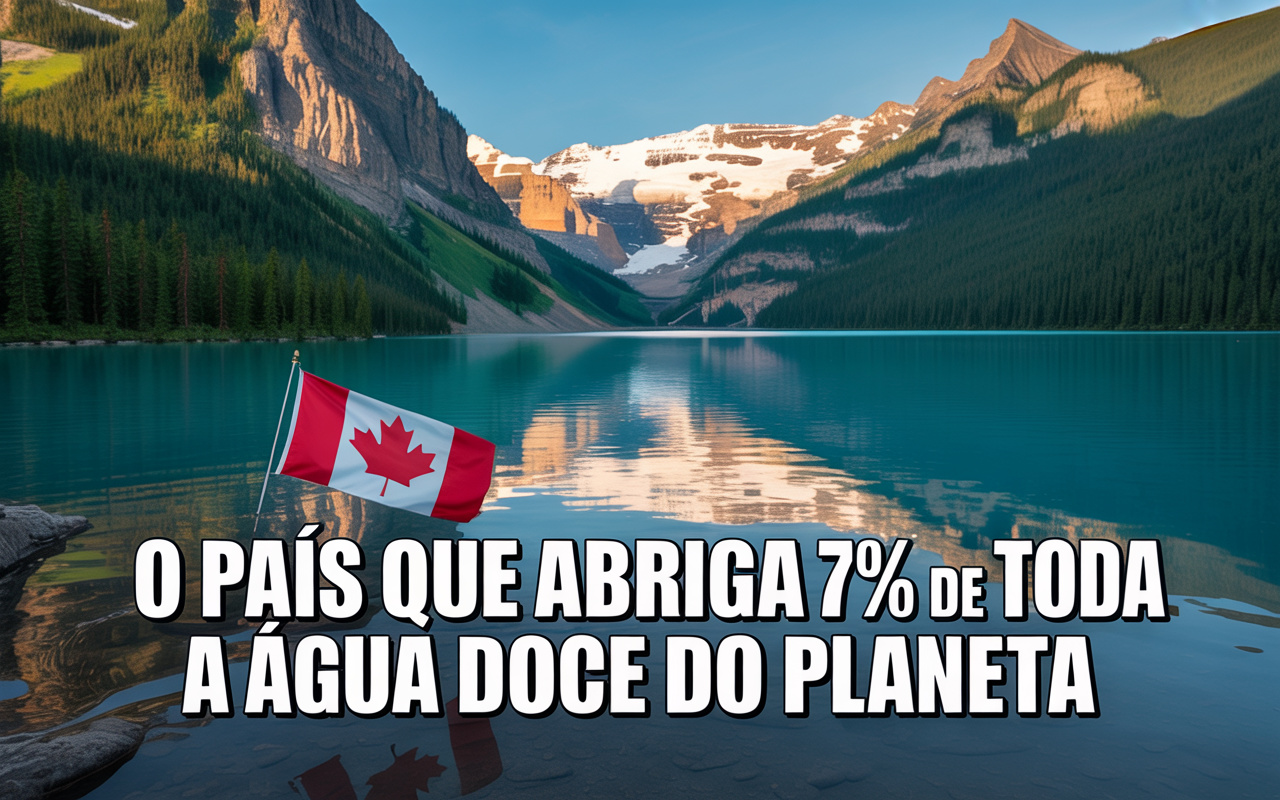
With More Than 2 Million Mapped Lakes, Canada Has One of the Largest Concentrations of Lakes on the Planet and Houses One of the Largest Sources of Surface Freshwater on Earth.
On the world map, Canadian territory is already impressive for its size. But upon looking within its borders, an even more monumental fact emerges: the country has one of the highest lake densities in the world, with estimates from Natural Resources Canada indicating more than 2 million cataloged bodies of water.
Although there is no standardized global inventory that can accurately state what percentage of the world’s lakes are in Canada, experts agree that no other known territory has such an extensive and concentrated distribution of lakes — especially in the North and the Canadian Shield, where glacial topography has formed thousands of natural basins.
In practice, this means that Canada manages one of the largest geographies of surface freshwater in the world, combining vast natural lakes, large-volume rivers, and one of the highest per capita water reserves ever recorded.
-
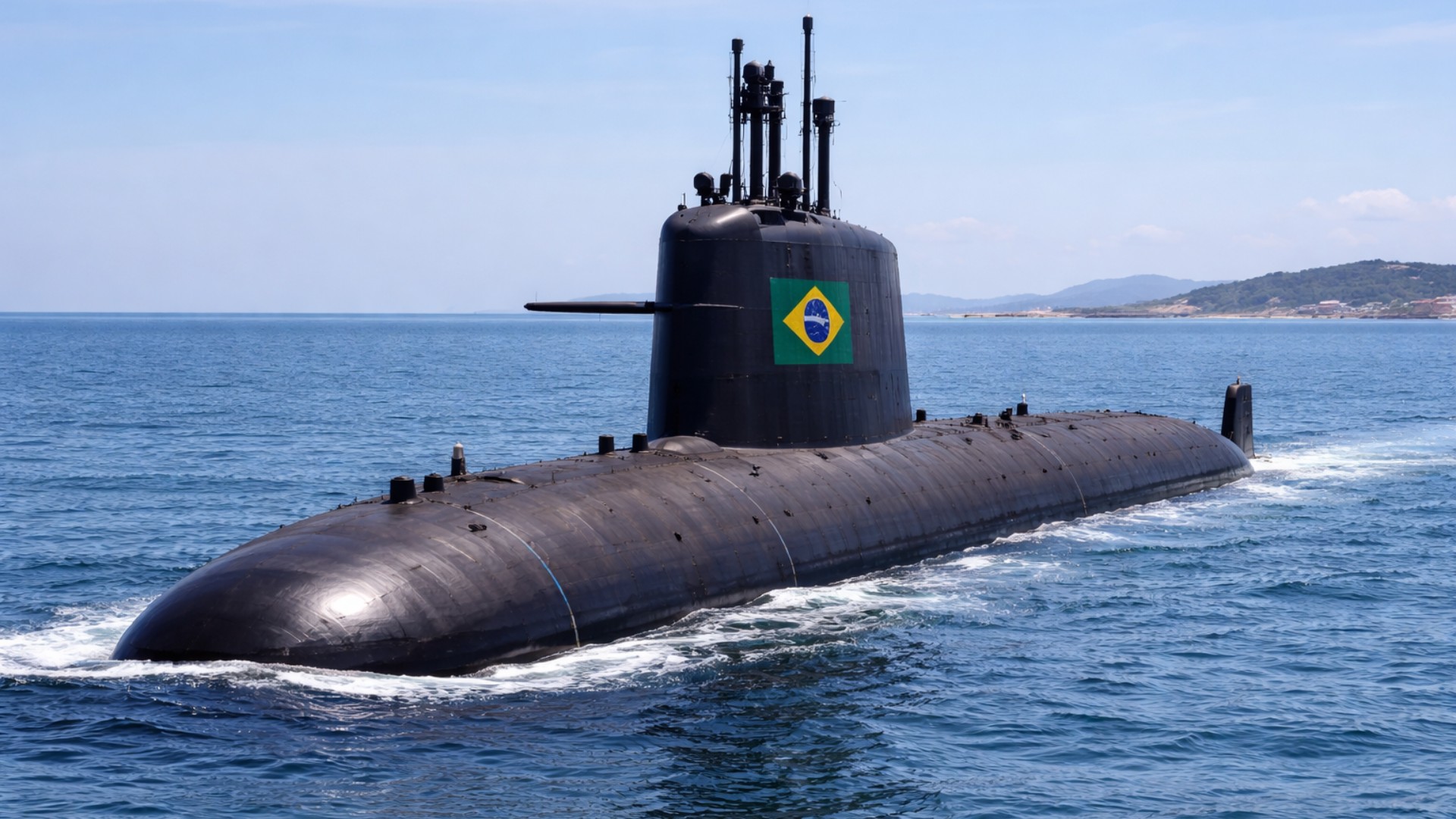
Brazil’s nuclear submarine with a speed 5 times greater than normal advances after nearly 50 years and R$ 40 billion spent.
-
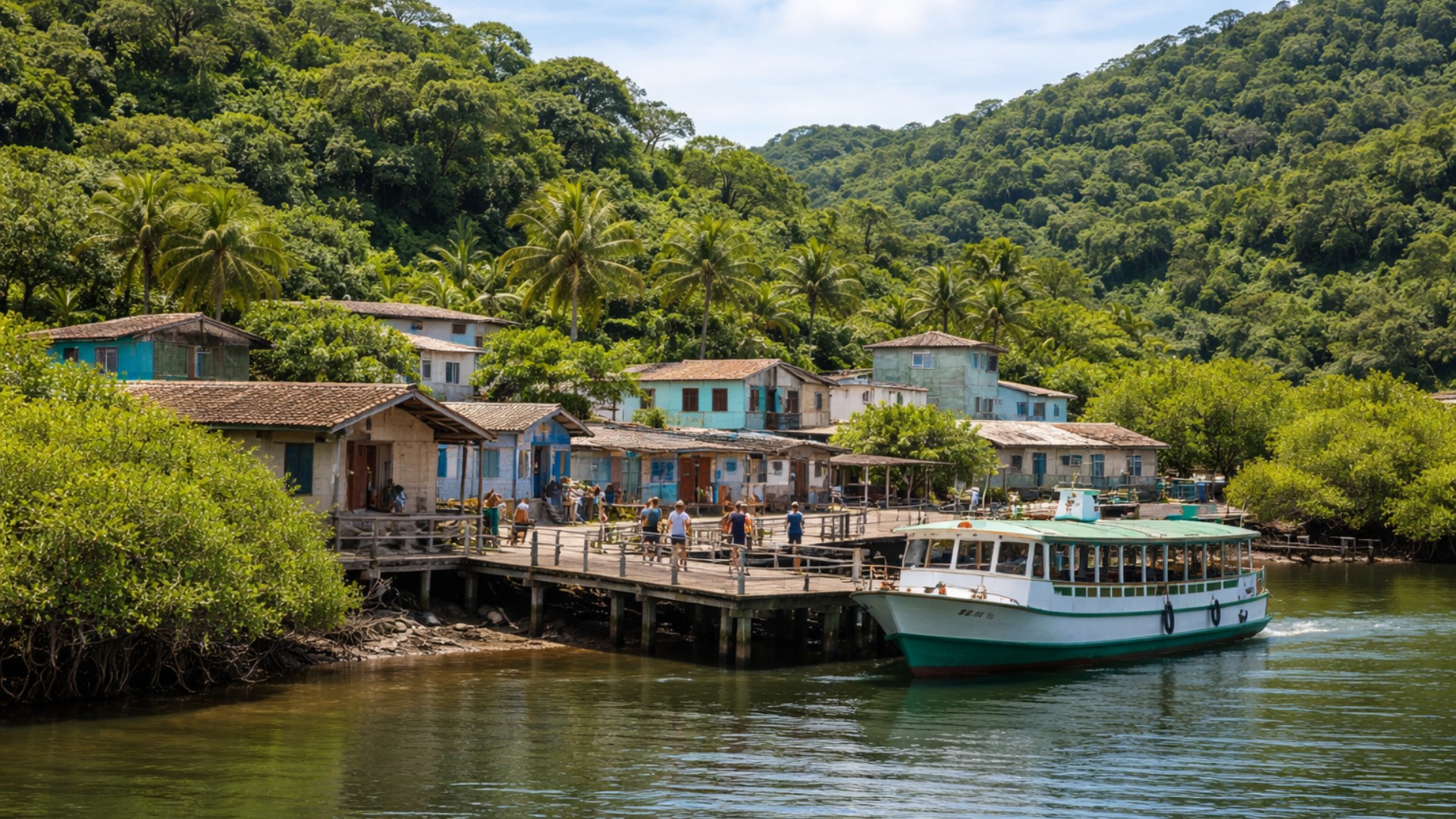
A Brazilian island charges R$ 0.50 to receive visitors and prohibits any new residents.
-
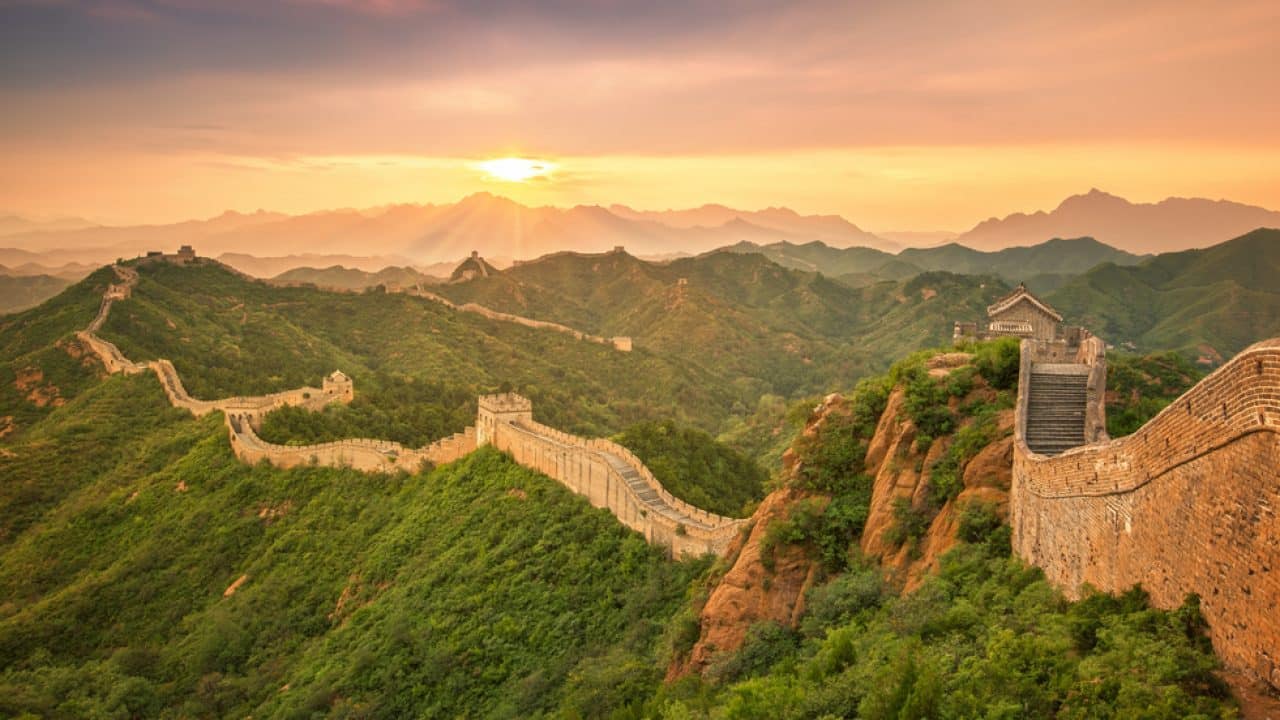
Why was the Great Wall of China built? The truth that many are unaware of!
-
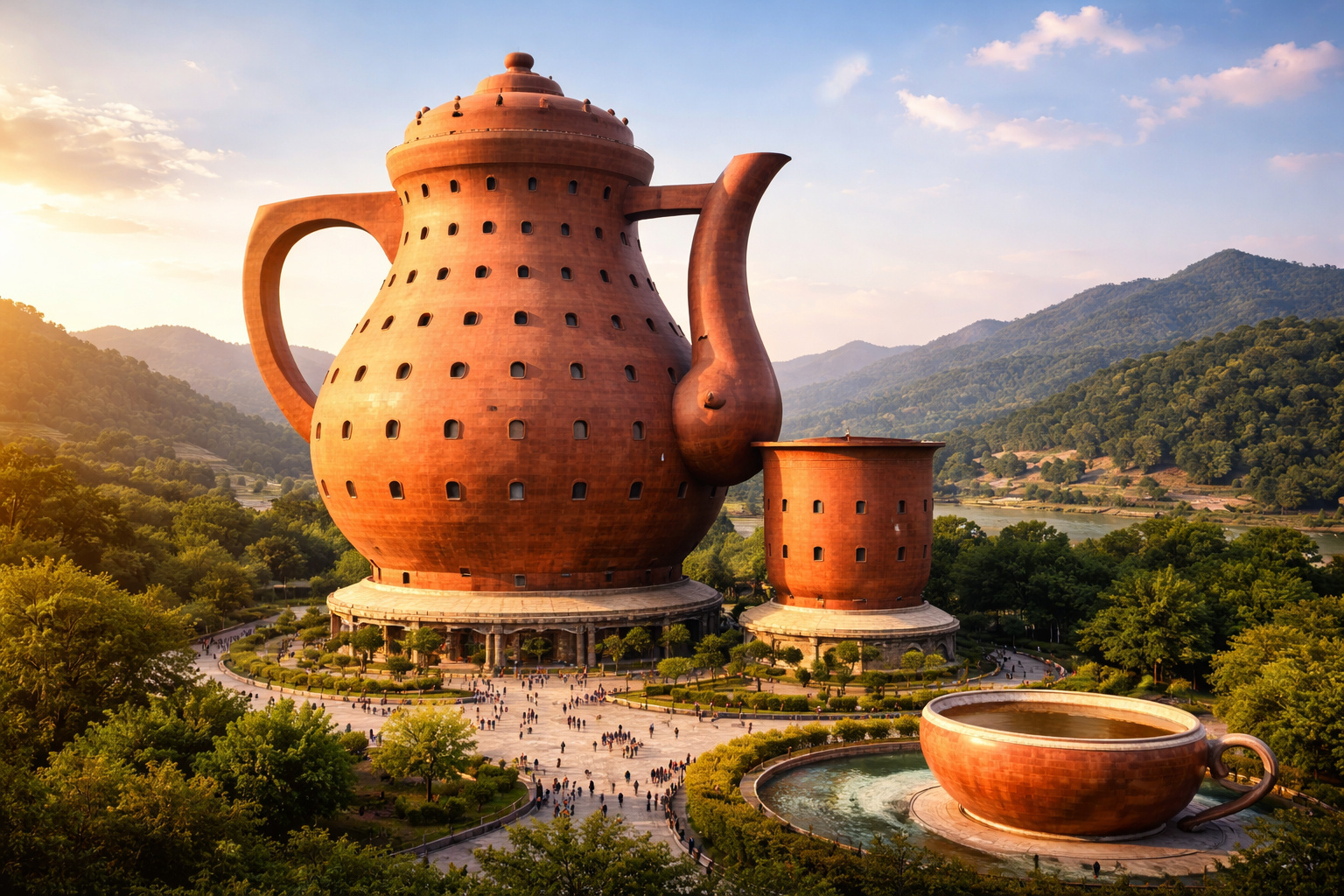
At 73.8 meters tall, the world’s tallest teapot-shaped building has 15 floors, ensures stability, and impresses with an internal space of 28,000 cubic meters.

This dominance is not just geographical. It is strategic, economic, climatic, and increasingly geopolitical. In a world facing historic droughts and water-scarce regions, Canada is consolidating itself as a global powerhouse in freshwater resources — an asset that is expected to gain even more relevance in the coming decades.
The True Dimension of Canadian Lake Geography
The numbers are striking in their disproportion. While entire countries have only a few dozen or hundreds of significant lakes, Canada houses:
- More than 2 million officially mapped lakes;
- Approximately 563 lakes larger than 100 km²;
- Thousands of interconnected lake systems via rivers and natural channels;
- The largest continuous source of surface freshwater on the planet.
Seven of the largest lakes in the world by total area are part of the shared system between Canada and the United States, known as the Great Lakes. But even excluding this complex, the volume of water spread across the interior of Canadian territory has no parallel in any other country.


Why Does Canada Have So Many Lakes
The explanation is directly linked to the Ice Age. During the last glacial period, massive ice sheets covered nearly the entire current Canadian territory. When these masses began to recede about 10,000 years ago, they left behind:
- Depressions in the ground;
- Valleys carved by glaciers;
- Natural pockets of water;
- Gigantic drainage systems.
These formations gave rise to millions of lakes of all sizes. The rocky soil, typical of the Canadian Shield, hindered the complete drainage of water, preserving these natural reservoirs for millennia.
In practice, the Canadian terrain acts as a massive geological sponge, capable of permanently retaining colossal volumes of freshwater.
Canada’s Weight in the Global Freshwater Stock
Canada holds about 7% of all renewable freshwater on the planet, according to widely cited estimates in international hydrological studies. However, its greatest differential lies not just in the total volume — but in how that water is distributed. The country particularly stands out for its enormous supply of surface freshwater, composed of thousands of lakes, rivers, and extensive river systems. This predominance of surface water has direct impacts on multiple strategic areas:
- Human supply, with simplified and high-quality access;
- Food security, supporting inland fishing and production chains;
- Agricultural irrigation, essential in producing regions;
- Energy generation, especially through hydropower plants that depend on large volumes of accessible water;
- Inland navigation, facilitating transport and connectivity;
- Environmental conservation, sustaining sensitive ecosystems and unique biodiversity in temperate and boreal latitudes.
Unlike underground aquifers, which require drilling, deep monitoring, and present slow recharge, surface water — especially lake water — is immediately accessible, easily monitorable, and has a faster renewal rate. This exponentially increases the strategic value of these resources, making Canada one of the most relevant water powers on the planet.
Lakes That Seem Like Seas: The Largest Individual Reserves
Some lakes in Canada are so large that they confuse the perception of scale. Lake Superior, for example, has more than 82,000 km² of area, making it the largest freshwater lake in the world by surface area. Its volume of water is so immense that if it were drained over the Americas, it would cover both continents with several meters of depth. Other examples include:
- Lake Huron
- Great Bear Lake
- Great Slave Lake
- Lake Winnipeg
These lake giants function as mini continental oceans, with a direct influence on regional climate, navigation, fishing, and weather systems.
The Climatic Impact of Lakes on Canadian Territory
The presence of millions of lakes affects not only the geography. It modulates the climate. Large bodies of water store heat during the summer and release thermal energy in the winter, reducing temperature extremes in certain regions. This effect generates:
- Milder winters in specific areas;
- Increased atmospheric humidity;
- Formation of microclimates;
- Direct influence on regional agriculture.
Around the Great Lakes, for instance, there are productive belts of fruits and vineyards entirely dependent on the thermal regulation provided by the waters.
Energy, Navigation, and Economy on the Water
The Canadian lake system supports one of the largest hydropower matrices on the planet. The country is one of the global leaders in energy generation from water, with thousands of dams and power plants distributed across the river systems originating from the lakes.
Additionally, the lakes serve as interior logistical corridors. The transport of grains, ores, fuels, and industrial products occurs via lake systems interlinked to the Atlantic Ocean through the St. Lawrence Seaway, one of the largest navigation systems in the world.
This model drastically reduces logistical costs and carbon emissions compared to road transport.
The Biodiversity Protected by Canada’s Lakes
Canadian lake ecosystems house:
- Thousands of fish species;
- Migratory birds on intercontinental routes;
- Aquatic and semi-aquatic mammals;
- Intact riparian forests in vast regions.
A significant portion of this territory remains practically untouched, especially in the northern and central regions of the country, where human presence is minimal. This transforms Canadian lakes into one of the largest freshwater sanctuaries on the planet.
The Geopolitical Value of Water in the 21st Century
As entire regions of the world face severe water crises, water ceases to be merely a natural resource and becomes a global strategic asset. Countries in the Middle East, northern Africa, and parts of Asia are already experiencing structural scarcity. In this scenario, Canada emerges as a silent water power. Its stock of lakes represents:
- Internal supply security;
- Strategic advantage in international negotiations;
- Leadership in climate debates;
- A critical reserve for future generations.
Unlike oil, gas, or minerals, freshwater does not have a viable technological substitute on a large scale. This makes Canada’s lake dominance a factor that is only expected to grow with the advancement of climate change.
Monitoring, Science, and Water Sovereignty
The control and monitoring of these millions of lakes involve a complex scientific structure. Universities, environmental institutes, and Natural Resources Canada itself maintain permanent programs for:
- Remote sensing;
- Water quality analysis;
- Level monitoring;
- Contamination studies;
- Climate modeling.
These data are essential to ensure the country’s water sovereignty and to anticipate risks such as:
- Localized droughts;
- Proliferation of toxic algae;
- Impact of industrial activities;
- Changes in thaw cycles.
A Dominance That Is Not Just Natural, But Strategic
When looking at a map dotted with millions of water mirrors, Canada showcases not only a rare geological phenomenon. It presents to the world the largest natural infrastructure for freshwater storage on the planet, created not by engineers, but by glaciers over thousands of years. This heritage guarantees the country:
- Water autonomy;
- Environmental leadership;
- Energy power;
- Logistical advantage;
- Growing geopolitical relevance.
In a future increasingly marked by disputes over essential natural resources, the concentration of more than half the lakes in the world within a single territory ceases to be merely a geographical curiosity. It transforms into one of the greatest strategic assets of modern geopolitics.







Seja o primeiro a reagir!