





 Portuguese
  English
  Spanish
  3 min of reading
  0 comments



Experts Warn That Changes May Weaken Environmental Protection and Cause Immediate Impacts
Brazil faces a growing alert, as the potential overturn of presidential vetoes on the Environmental Licensing Bill could open the door for environmental regression, historical risk, and immediate economic pressure. Concern is rising, especially as the issue progresses at a time when the country reinforces international commitments and seeks credibility with strategic partners.
The debate gains urgency, as the reversal of vetoes could dismantle pillars built over decades of environmental and heritage legislation. The issue becomes even more sensitive, as experts claim that expedited approval could generate instantaneous and difficult-to-reverse effects.
Return of LAC Rekindles Fears About Tragedies and Abandonment of Historical Sites
Attention is increasing, as the return of the Adherence and Commitment License (LAC) would allow small or medium-classified works to be authorized solely with self-declarations. The warning intensifies, as incidents like Brumadinho and Mariana, classified as medium enterprises, could occur without prior licenses, thereby amplifying socio-environmental risks.
-
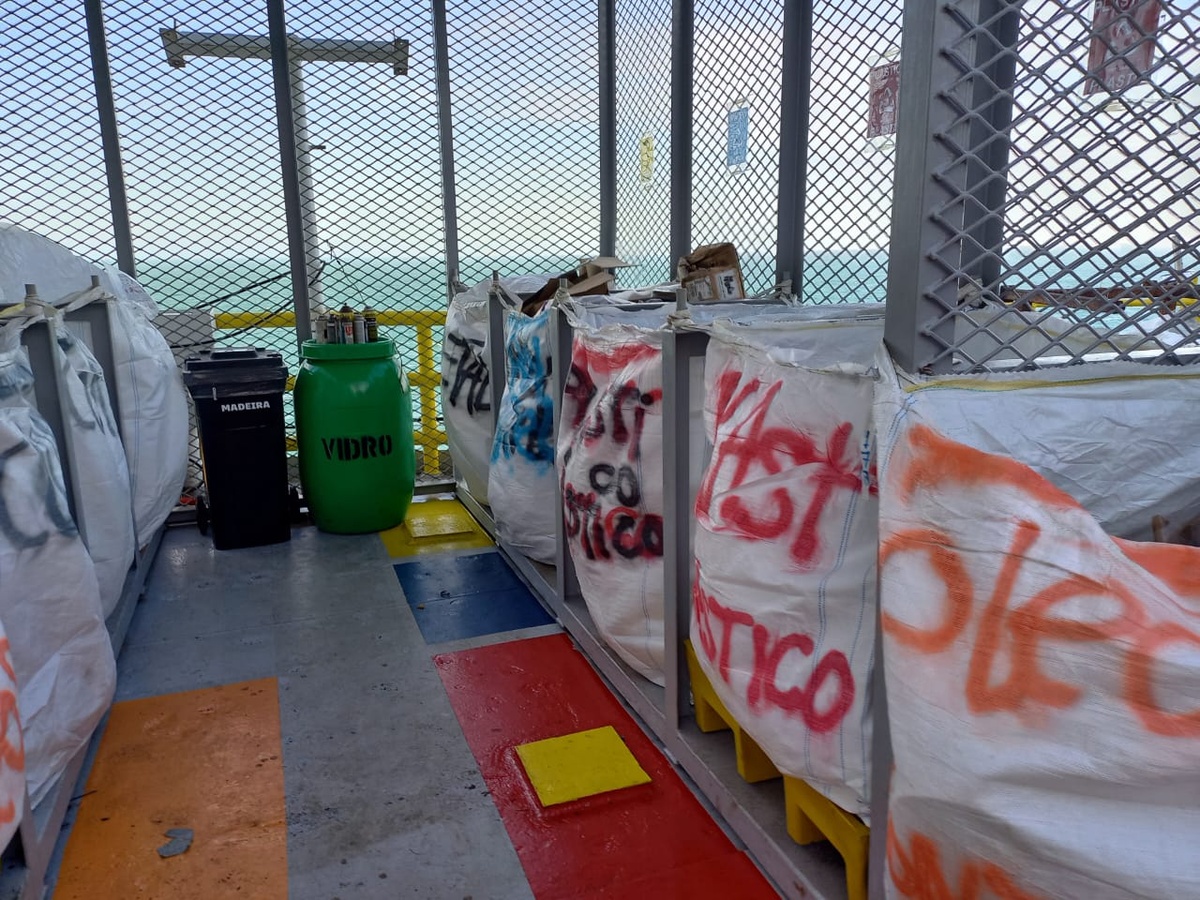
Foresea achieves 100% offshore waste reuse in 2025, eliminates landfill disposal, and consolidates sustainable strategy with 1,500 tons recycled.
-
With earth, bamboo, straw, and lime mortar, a specialist builds a house for just over $460 and draws attention for its cost being much lower than traditional construction.

-
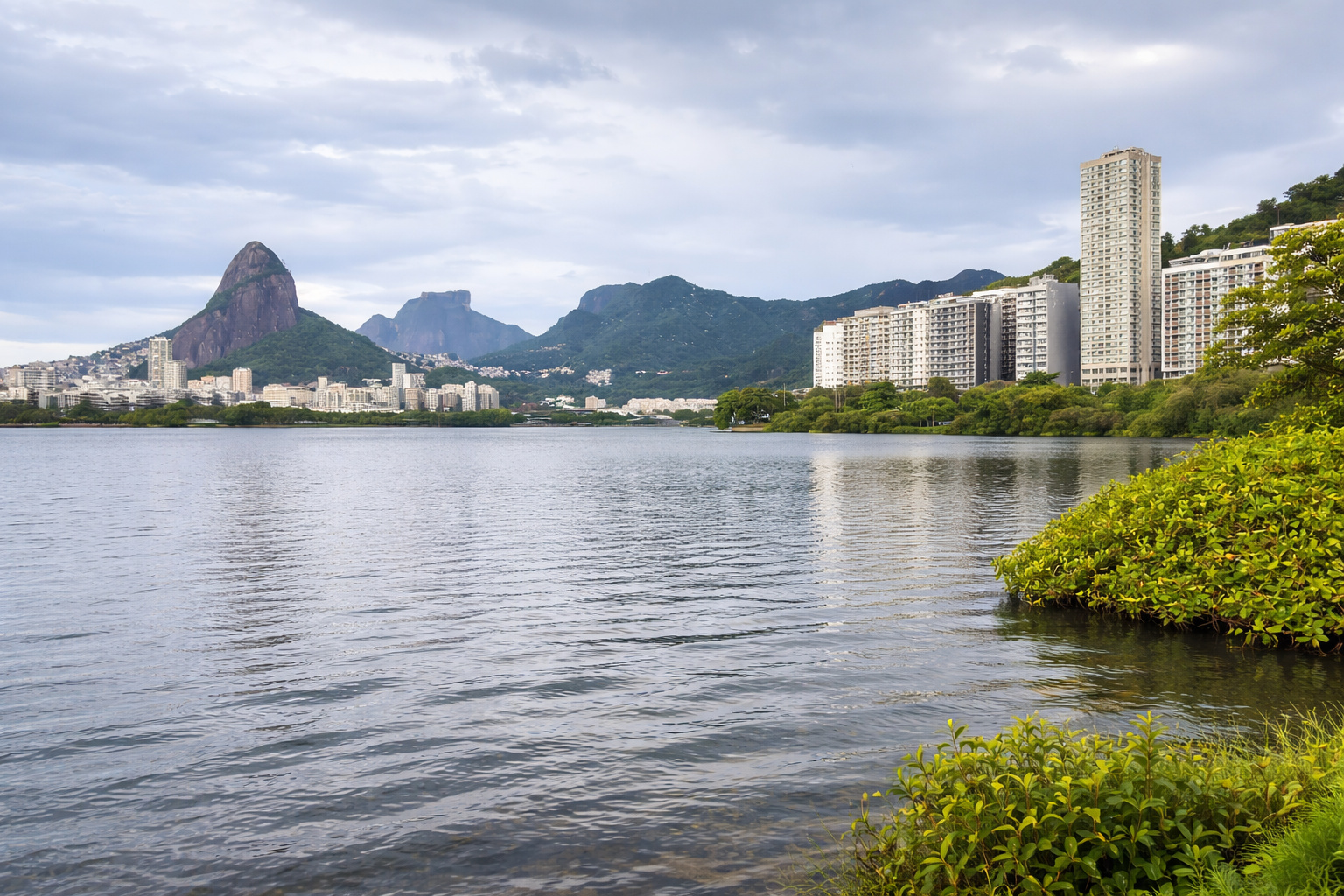
Rodrigo de Freitas Lagoon advances in environmental recovery with sanitation, elimination of irregular sewage, and the resumption of water sports in Rio de Janeiro.
-
Sustainable housing gains strength with a nationally awarded project in Campo Grande, highlighting innovative solutions that combine sustainability, urban integration, and efficiency in the use of natural resources.


The historical risk is also evident, as archaeologists state that structures such as the Valongo Wharf may not have been preserved. Concern is rising, since the flexibility would make participation from agencies like Ibama, ICMBio, Funai, and Iphan optional, which would weaken analyses and compromise essential archaeological discoveries.
Economic Consequences May Affect International Agreements and Create Trade Barriers
Tension escalates, as experts point out that the lifting of vetoes could lead to direct economic consequences. International concern grows, especially among partners observing Brazil during strategic negotiations. Insecurity emerges, particularly as the loss of environmental rigor may be interpreted as a abandonment of responsible criteria.
The commercial impact also broadens, as countries attentive to environmental commitments may impose barriers against Brazilian products. The issue becomes even more urgent, as sensitive agreements may be affected by signals of institutional fragility.
The Five Critical Points That Could Transform Environmental Licensing
• Return of LAC
The alert is reinforced, as up to 90% of processes could occur through self-declarations, which would reduce oversight and increase risks.
• Excessive Autonomy of States
Concern is growing, as the flexibility would create unequal rules, stimulate internal disputes, and generate regulatory instability.
• End of the Causal Link Obligation
The problem intensifies, as major projects would no longer account for indirect impacts, transferring social and environmental costs to the State.
• Mandatory Absence of Federal Agencies
The threat expands, as environmental decisions would occur without direct participation from essential agencies for the protection of indigenous peoples and historical heritage.
• Ignoring Unratified Indigenous Lands
The risk increases, as recognized areas but not ratified could be disregarded in the process.
Self-Declaration of CAR Increases Concerns About Land Conflicts
Land tension is rising, as overturning the vetoes would transform the self-declared Rural Environmental Registry into an immediately valid document. The alert intensifies, as anyone could register land without initial technical verification.
What Is at Stake for Brazil’s Environmental Future?
The legal and political dispute continues, as experts argue that environmental and historical protection relies on ongoing rigor and oversight. The challenge expands, as expedited decisions could compromise decades of progress and affect the country’s international credibility.
The issue now sparks debate, as Brazil needs to decide whether to prioritize the swift release of projects or maintain rules that ensure environmental protection and social safety.
Which path do you believe ensures a safer future for the country: easing licenses to expedite projects or preserving environmental rigor to avoid new risks?









Seja o primeiro a reagir!