





 Portuguese
  English
  Spanish
  3 min of reading
  0 comments



The 996 Work Culture, Marked by Up to 12-Hour Daily Shifts for Six Days a Week, Begins to Solidify in Silicon Valley Amid the Race for Advancements in Artificial Intelligence, Increasing Pressure on Technical Teams and Exposing Human Limits Reported by Industry Researchers
The rise of the work culture known as “996” in Silicon Valley occurs in a context of intense competition among artificial intelligence companies, leading researchers to report extended hours, constant pressure for deliveries, and direct impacts on health, personal life, and work sustainability in the sector.
996 Work Culture Gains Ground in AI Companies in California
The work culture 996 defines six-day workweeks, from 9 AM to 9 PM, a model established in China that is beginning to appear in the tech landscape of San Francisco. Although Silicon Valley is already associated with intense routines, some companies have started adopting stricter formats, close to the 996 standard.
According to reports, this movement is linked to the so-called “AI war,” characterized by rapidly succeeding models of artificial intelligence to surpass competitors. In startups, the pressure to grow and stand out increases the demands on technical teams and researchers.
-
Goodbye iron: new technology from Xiaomi promises to revolutionize the way we iron clothes with 500 kPa steam, continuous flow of 120 g/min, heating in 65 seconds, and six smart modes for different fabrics.

-
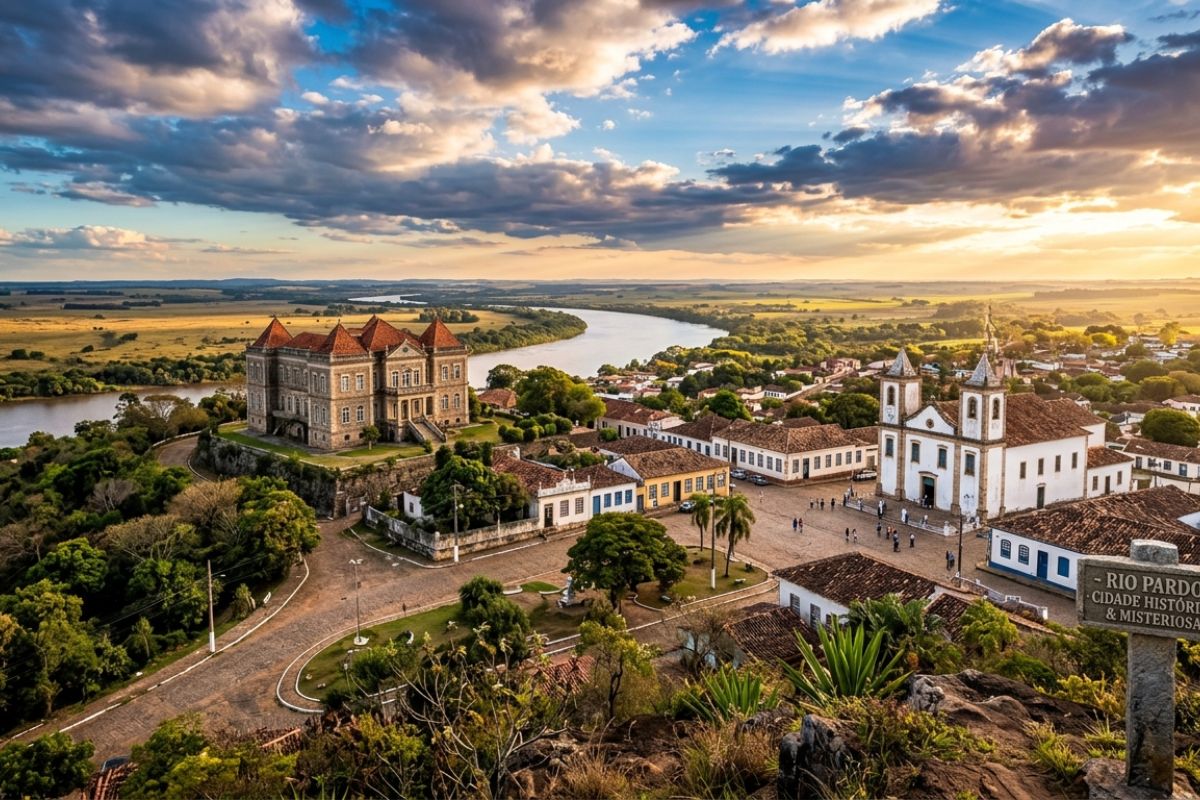
Rio Pardo, the most mysterious city in Rio Grande do Sul: untouched Pampas castle, the missing treasure of the Devil Boy, bride’s saint, invisible tunnels, and a 200-year curse today.
-
China retires the J-7 fighter after years of military protection and can now transform military items into drones, following more than 60 years of operation of the J-7, derived from the MiG-21, with thousands of units produced and strategic use in the PLAAF and PLANAF.

-
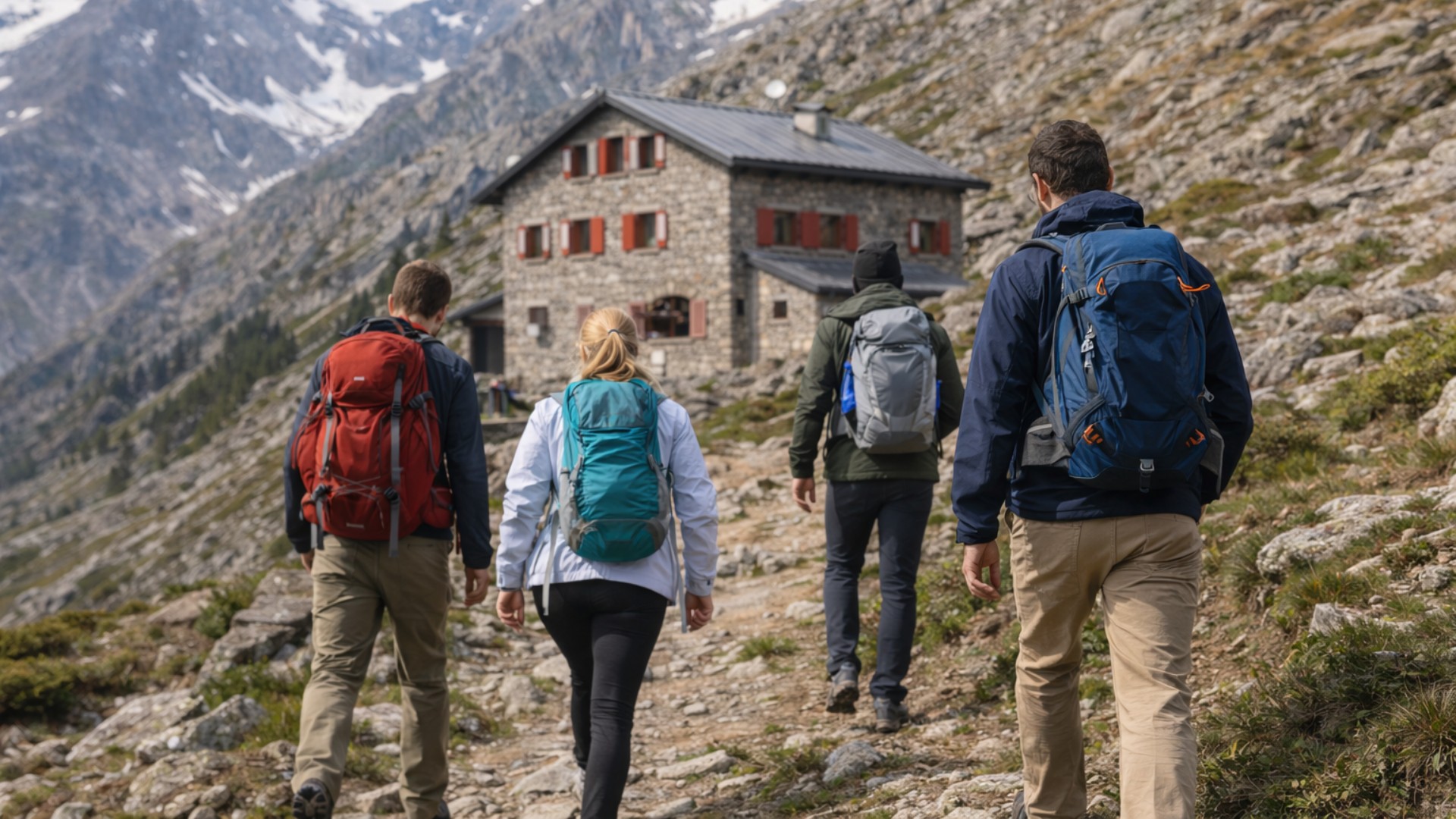
Volunteers are sought to live in the mountains for a month: a study pays people to stay at 2,500 meters, with 24-hour monitoring of sleep, metabolism, and blood pressure.

Competitive Pressure Shapes the Work Culture in the Tech Sector
During a participation in a podcast hosted by Lex Fridman, the founder of an AI research lab Sebastian Raschka stated that the environment observed in Silicon Valley does not yet fully replicate the Chinese model but shows clear signs of convergence.
He highlighted that the combination of passion and competition fuels this work culture. Raschka reported that, in his academic experience in AI, he was not forced into excessive hours, but chose them due to the demands of the field, stating that “it is really difficult because you have to constantly deliver.”
Leading Companies Reflect the Same Pattern of Extreme Dedication
The senior scientist at the Allen Institute for AI Nathan Lambert stated that this behavior is already visible in widely recognized companies in San Francisco and the AI industry. According to him, environments like those at OpenAI and Anthropic operate under high pressure, with employees voluntarily adhering to the intense routine.
Lambert noted that programmers, in particular, accept this model because they wish to be directly involved in technological advancement. The mentioned companies did not respond to requests for comment from media outlets.
Human Costs and Limits of Prolonged Work Culture
Despite the engagement, Lambert warned that this work culture imposes a “human cost,” including less time with family, a limited view of the external world, and, in some cases, health issues. He stated that this pace is not sustainable indefinitely and that signs of burnout are already evident.
Raschka reported personal physical consequences, such as back and neck pain, associated with the lack of adequate breaks during long working hours.
For young programmers, this environment can become almost inevitable if they wish to stand out in the field.
According to Lambert, being physically in Silicon Valley increases the chances of impacting AI but involves clear trade-offs. He summarized that the opportunity exists, but with limits, emphasizing that the current work culture demands tough choices and sometimes exacts a high toll on the professional.









-

Uma pessoa reagiu a isso.