





 Portuguese
  English
  Spanish
  3 min of reading
  0 comments


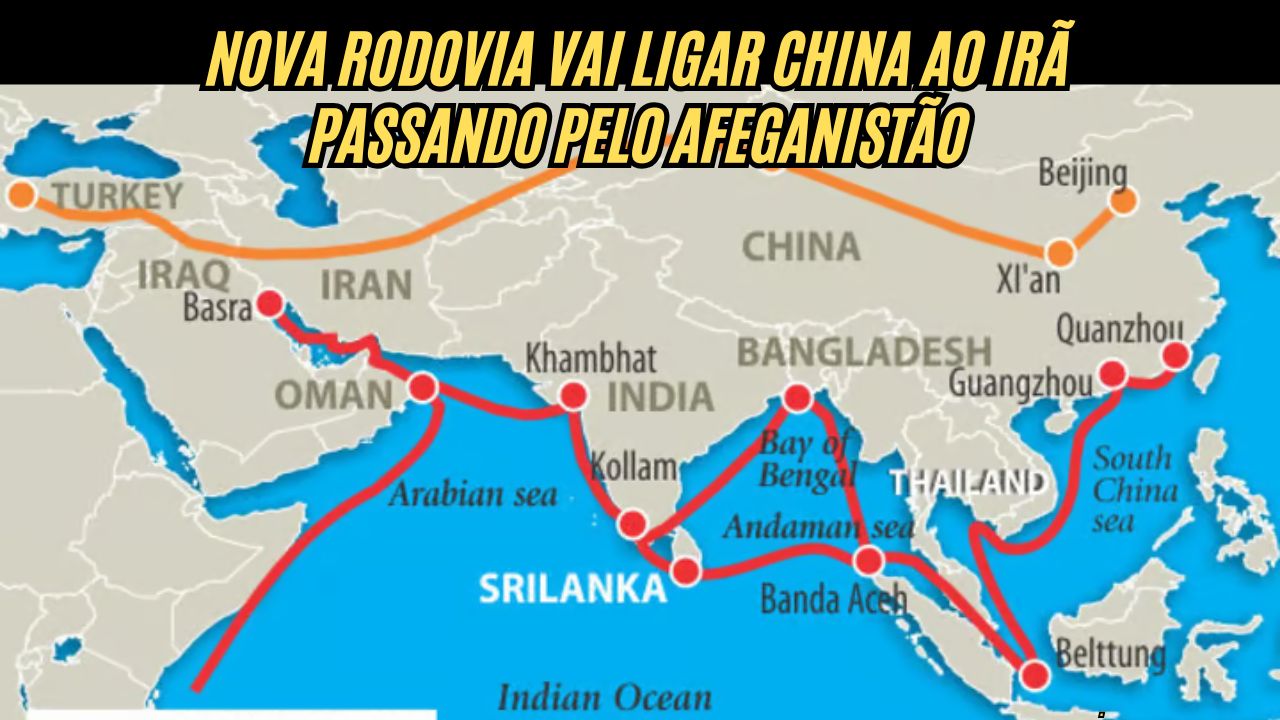
Ambitious Project of the Belt and Road Initiative Connects China to the Middle East, Revolutionizing Trade Routes.
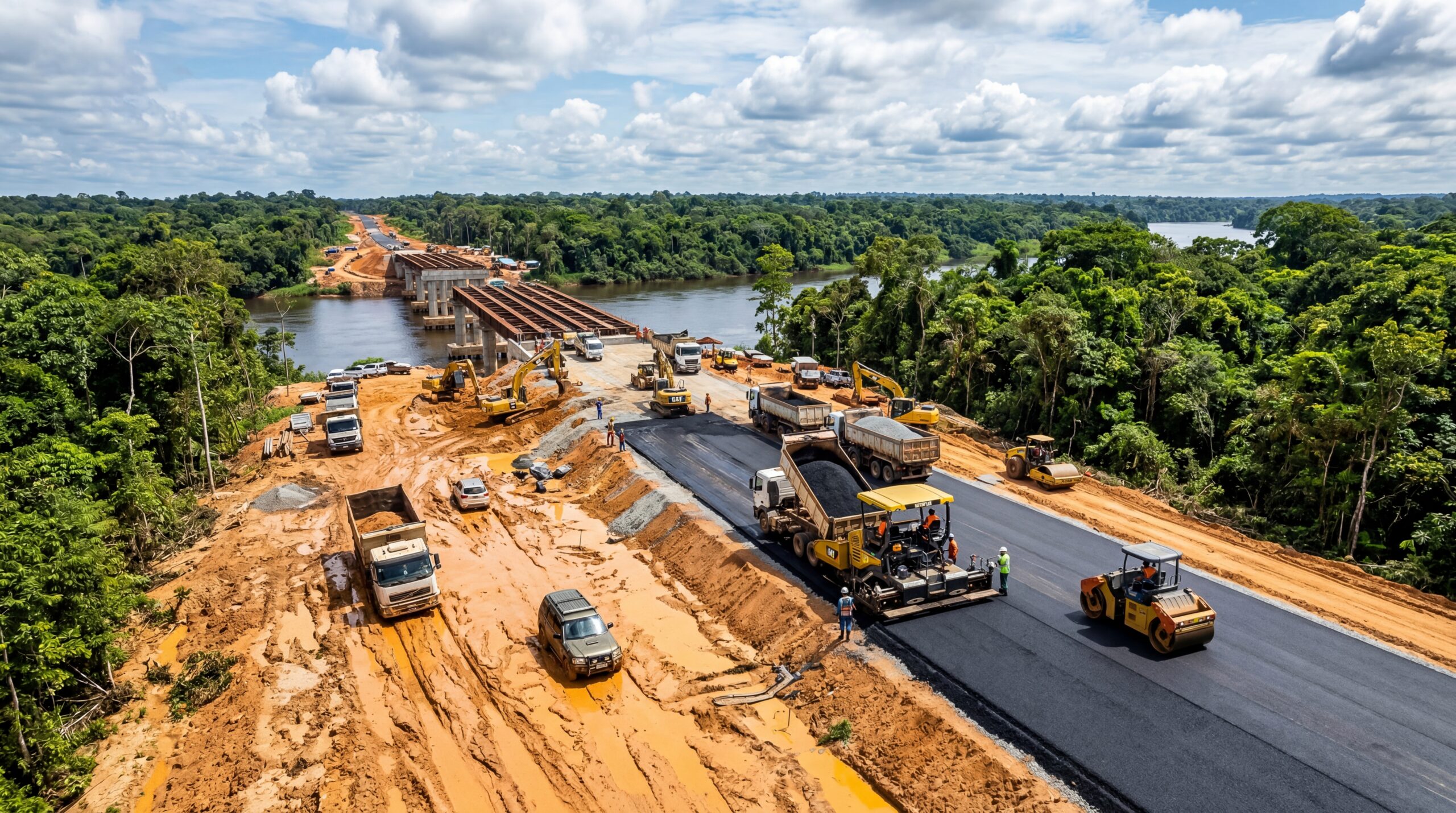
The transcontinental highway of China is poised to redefine global trade. This mega-project, which will traverse the challenging terrain of Afghanistan and extend to Iran, is part of the Belt and Road Initiative (BRI) and promises to transform the economies of key countries by revitalizing historic trade routes.
A Pillar of the Belt and Road Initiative

Since its launch in 2013, the Belt and Road Initiative has invested trillions of dollars in infrastructure projects to connect Asia, Europe, and Africa. The transcontinental highway of China, a centerpiece of this initiative, links China directly to the Middle East, reducing transportation costs and delivery times, while strengthening its economic and geopolitical influence.
More than just a road, the project symbolizes the construction of economic bridges, providing China with direct access to Middle Eastern markets and beyond. For Beijing, this infrastructure is a lever to secure a central position in global trade.
-
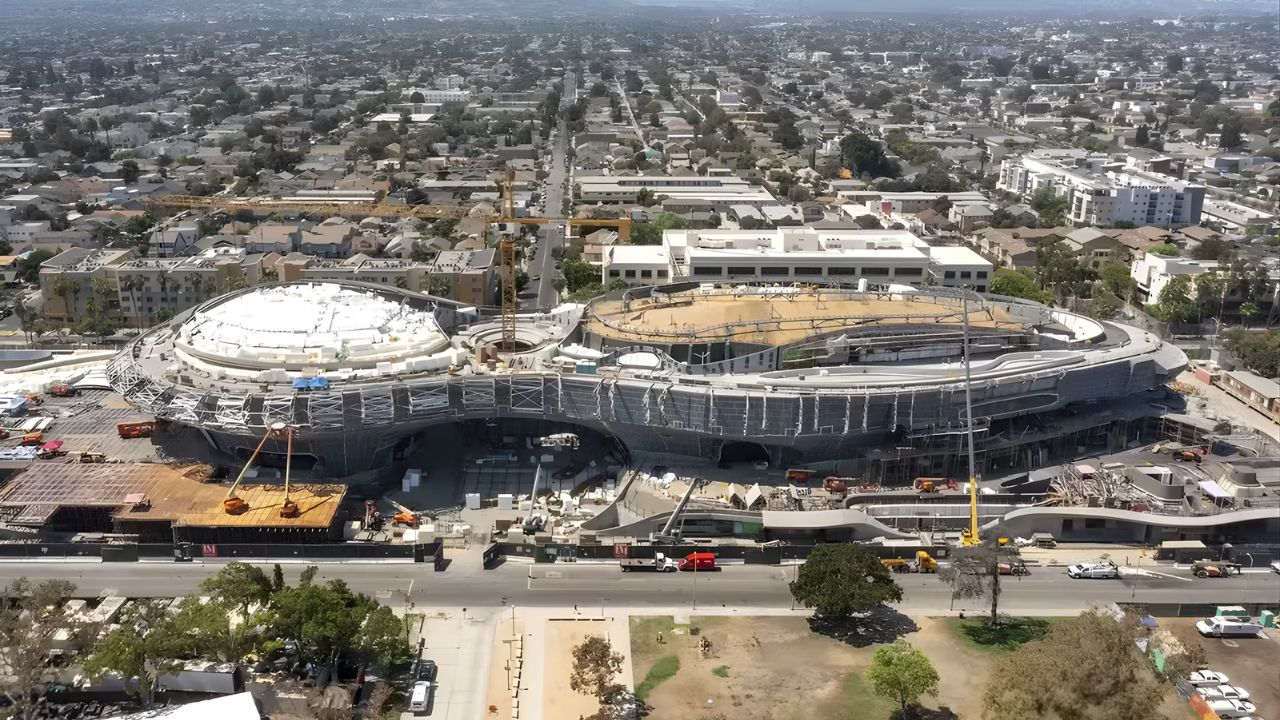
Created by George Lucas with over $1 billion, a futuristic museum in the shape of a spaceship with 1,500 curved panels is about to open in Los Angeles and will house one of the largest private collections of narrative art in the world.
-
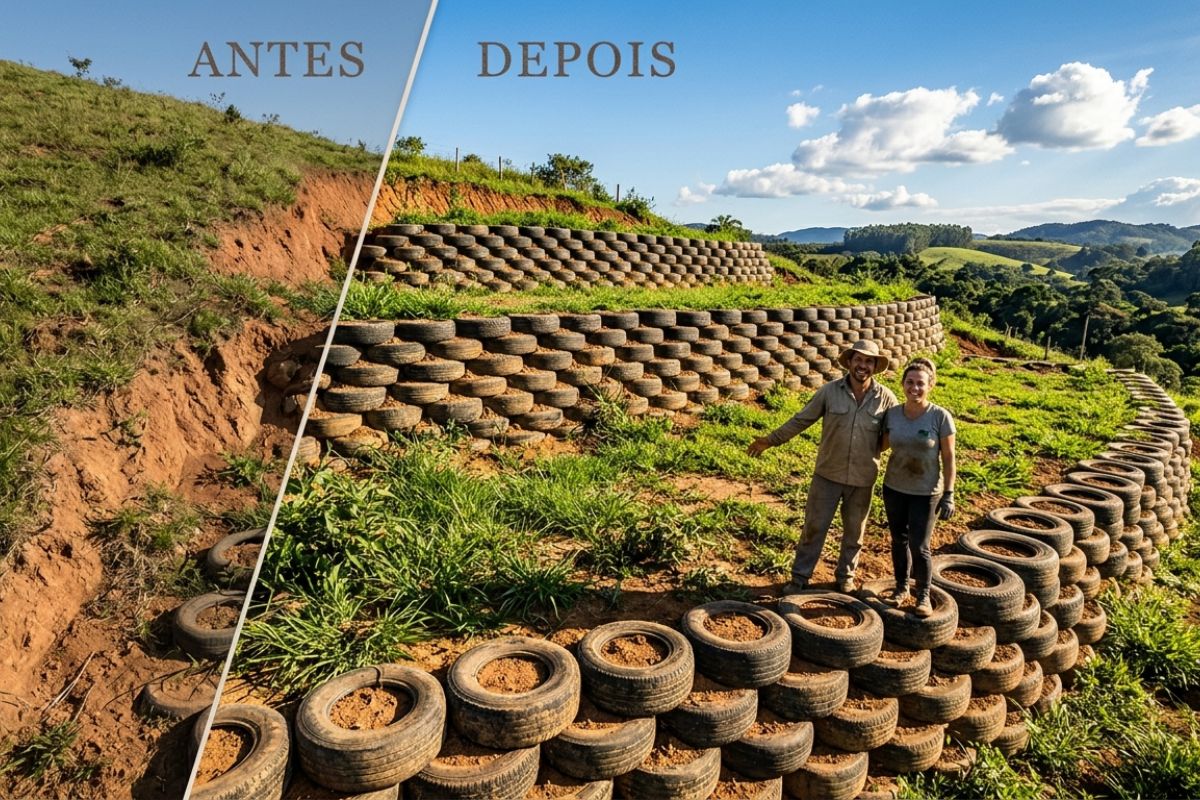
Couple shows how they built a retaining wall on their property using 400 old tires: sloped land turned into plateaus, tires are aligned, filled, and compacted with layers of soil, with grass helping in support and at almost zero cost.
-
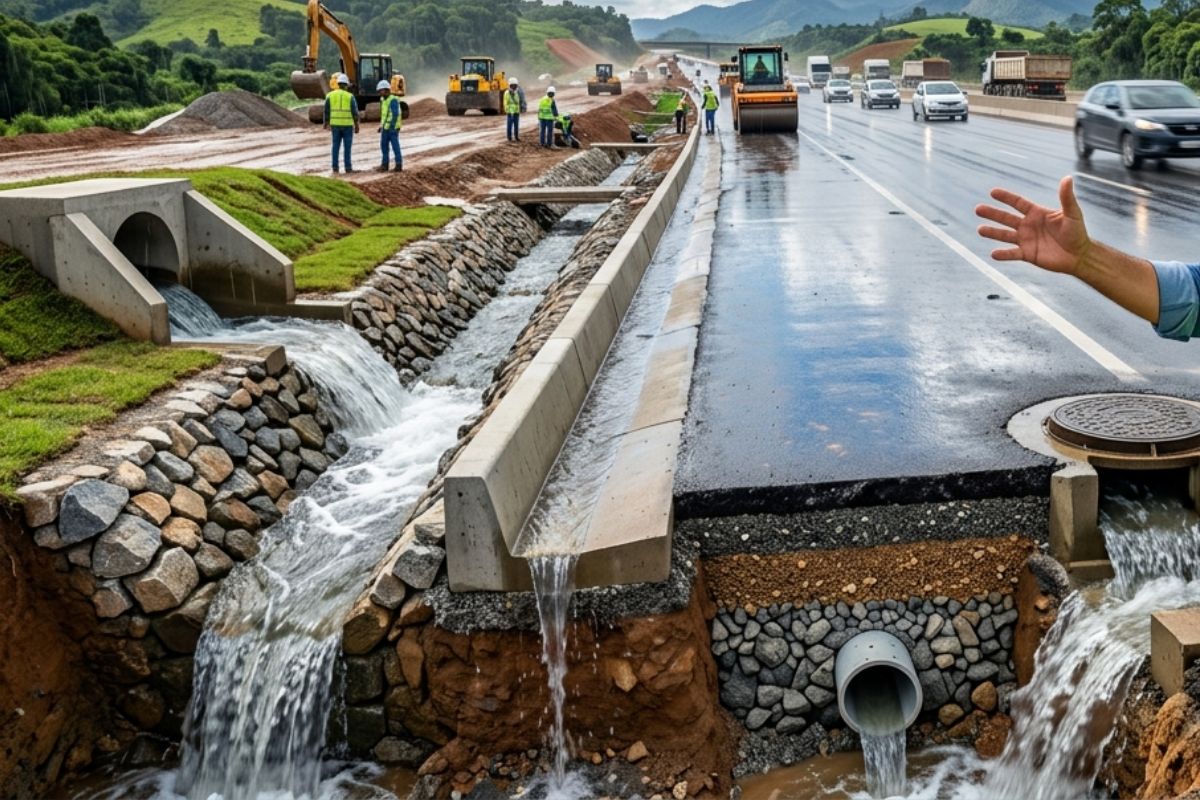
Engineer explains drainage during the rainy season: the difference between surface water and deep water, ditches, gutters, and water outlets on the road, as well as drains and drainage mattresses, to prevent erosion, aquaplaning, and flooding at the construction site today.
-
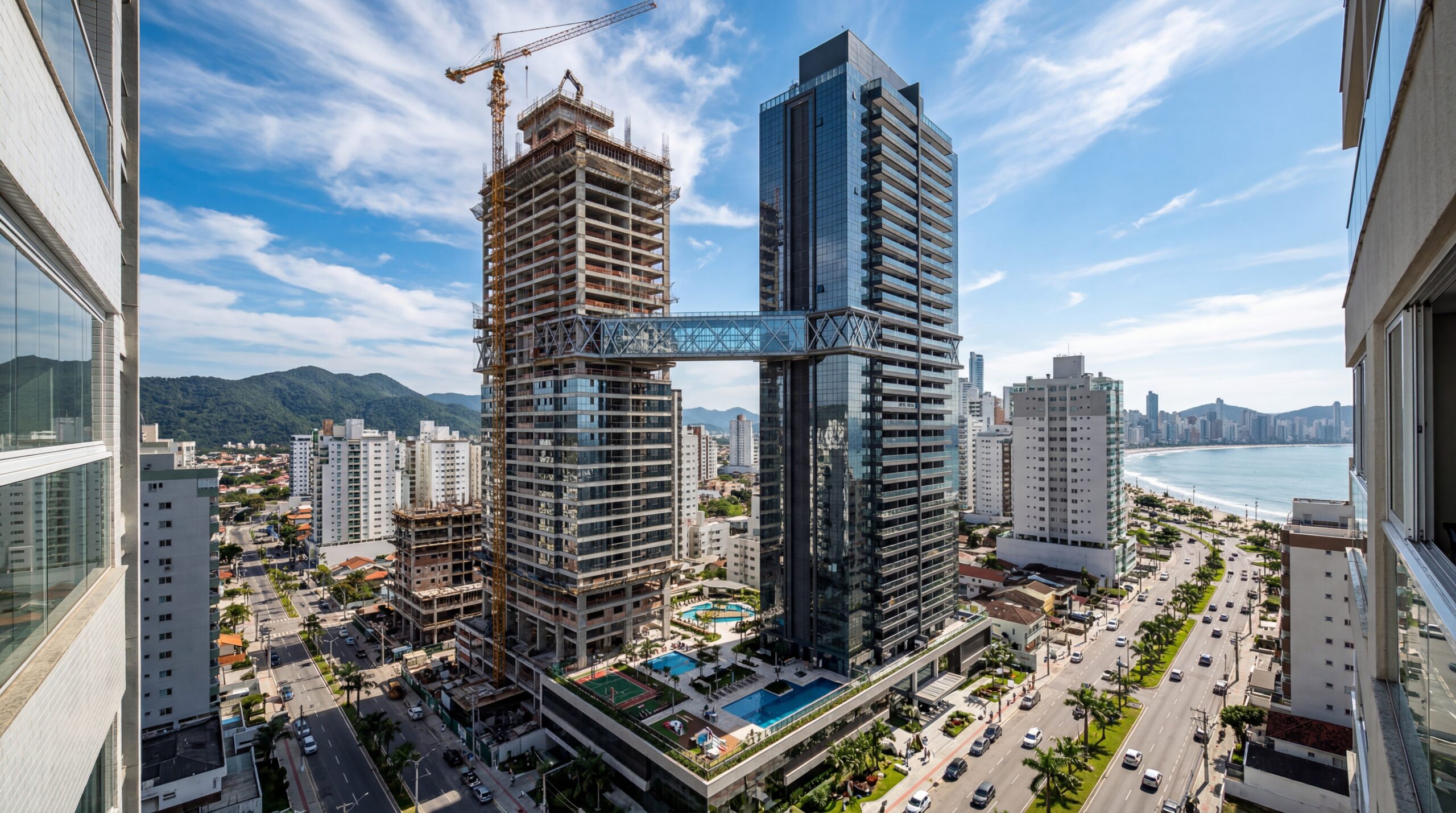
With 55 floors, 177 meters in height, a 15-meter walkway between the twin towers, ventilated facade, and 6,300 m² of leisure space, Ápice Towers already has one tower completed and another nearly at the top.

Strategy and Resources
The transcontinental highway of China is not only an economic advancement but also a crucial geopolitical tool. It strengthens ties with Afghanistan and Iran, countries rich in natural resources such as lithium, oil, and gas. These inputs are essential for the Chinese industry, aligning the project with the country’s strategic objectives.
Additionally, China’s presence in the region consolidates its influence in territory historically contested by Western powers.
Overcoming Challenges in Afghanistan
The construction faces obstacles such as mountainous geography and security challenges in Afghanistan. However, significant progress is being made, such as the completion of a road in the Wakhan Corridor, connecting the country to China.
Despite the progress, regional security and high engineering costs remain barriers that require coordination among China, Afghanistan, and Iran.
Iran: Key Player for Success
Iran plays an essential role in the project, serving as the gateway to the Middle East. For the country, China’s transcontinental highway brings opportunities for investment, economic integration, and greater competitiveness in international markets. In return, Iran strengthens its position as a regional power, expanding its economic influence.
Challenges and Vision for the Future
Although promising, China’s transcontinental highway faces risks such as political instability, environmental issues, and the need for engagement with local communities. Overcoming these challenges will be vital for the project to reach its full potential.
This new Silk Road promises not only to connect nations but also to revitalize economies, promote cultural exchanges, and foster peace. As construction progresses, China’s transcontinental highway solidifies as a symbol of innovation and global collaboration, shaping the future of international trade.









Seja o primeiro a reagir!