





 Portuguese
  English
  Spanish
  3 min of reading
  0 comments


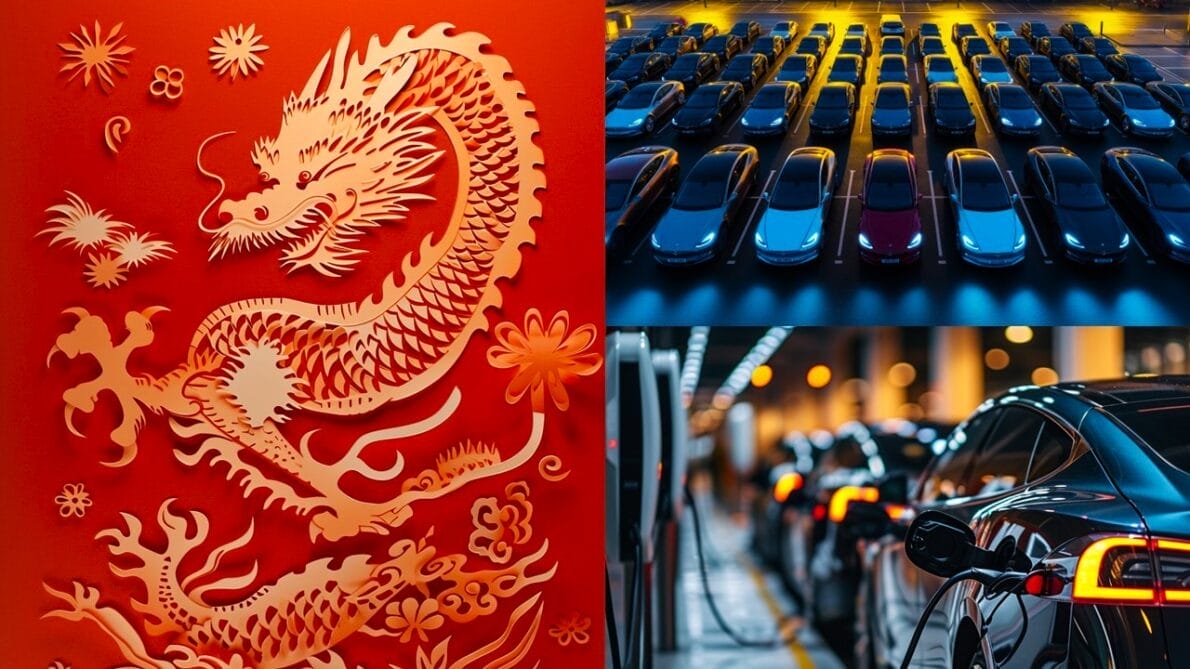
With Attractive Design, Advanced Technology, and Great Production Capacity, Chinese Brands Are Gaining Space in Western Markets
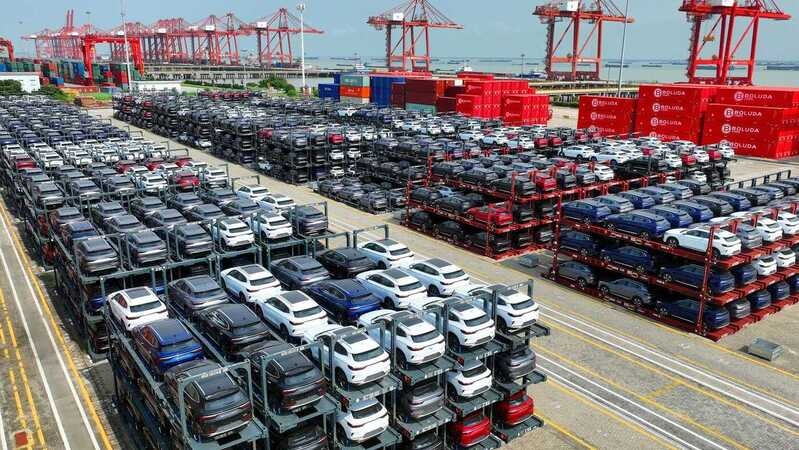
The Chinese automotive industry has shown impressive growth in recent years, consolidating itself as the largest producer and exporter of vehicles in the world. With a manufacturing capacity of 40 million vehicles per year, China produced around 30 million in 2023, of which 27 million were sold, with 22 million in the domestic market and 5 million for export, according to the Quatro Rodas website.
Paradigm Shift
The image of China as a bicycle country is a thing of the past, at least in major cities like Beijing and Shanghai, where cars and scooters dominate the scene. Highly automated factories, such as Xiaomi’s in Beijing, produce a vehicle every 74 seconds, highlighting the efficiency and scale of Chinese production. In comparison, Brazil produced 2.3 million units in 2023, including cars, light commercial vehicles, trucks, and buses.
Government Incentives and Expansion Strategies
The Chinese government has played a crucial role in advancing the automotive industry. Substantial incentives are offered for both growth in the domestic market and the expansion of exports. In the domestic market, discounts are common, while externally, subsidies are given to factories that export the most. According to the China Association of Automobile Manufacturers (CAAM), in 2023, Chinese production grew by 11.6%, with a 12% increase in domestic sales and 58% in exports compared to the previous year.
-
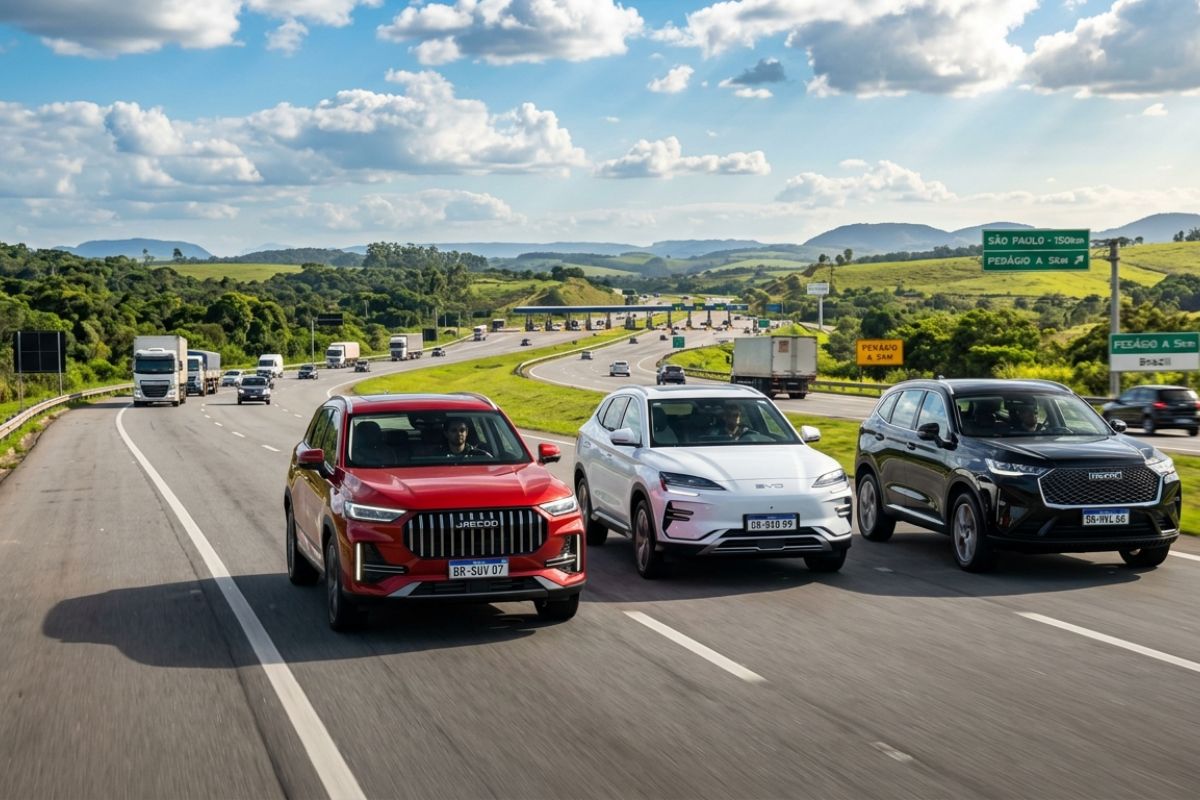
600 km with three Chinese plug-in SUVs, same mode and air conditioning on: Jaecoo 7, BYD Song Plus, and Haval H6 hit the road, and the pump reveals who was truly the most economical.
-
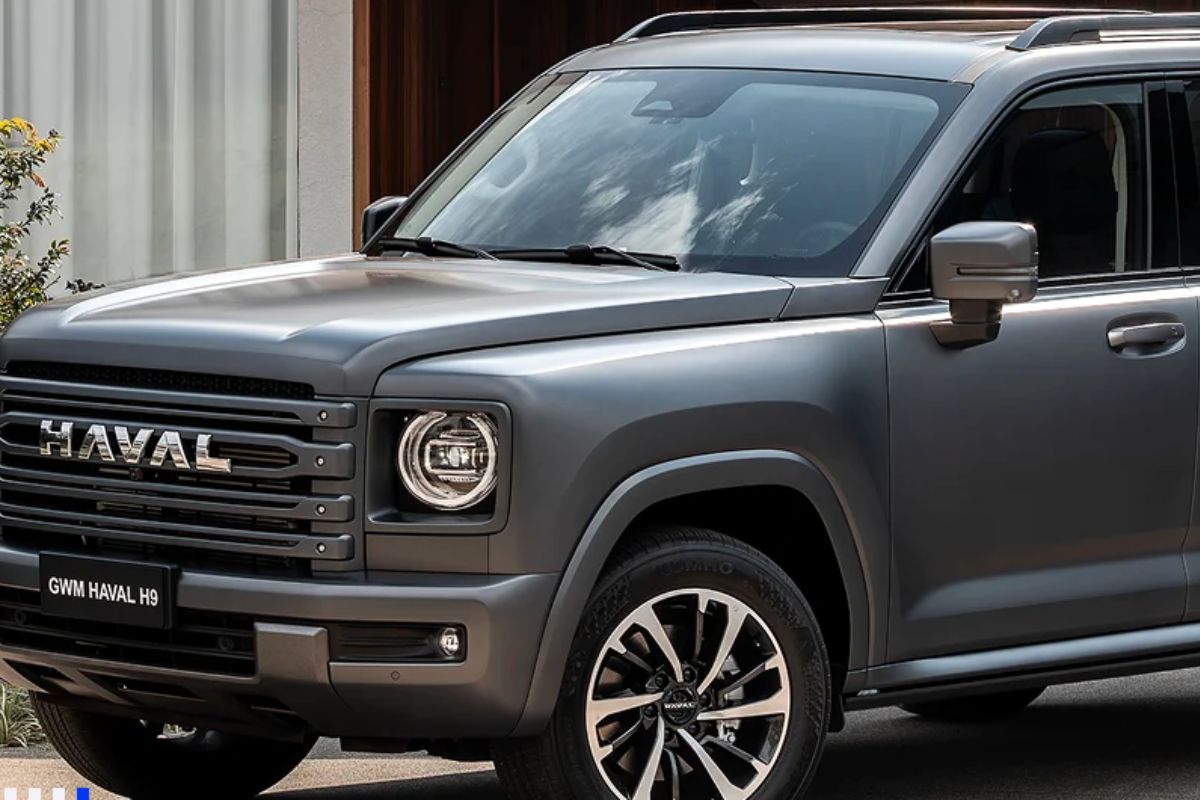
With a price almost R$ 100 thousand lower, the Haval H9 surpasses the SW4 for the first time in March, but Toyota still leads in the accumulated total for 2026; the Chinese SUV bets on technology and premium finishing to compete at the top.
-
6 used cars that cost less than a new Honda CG 160 Titan and still provide trunk space, four seats, and comfort that many new motorcycles cannot offer.
-
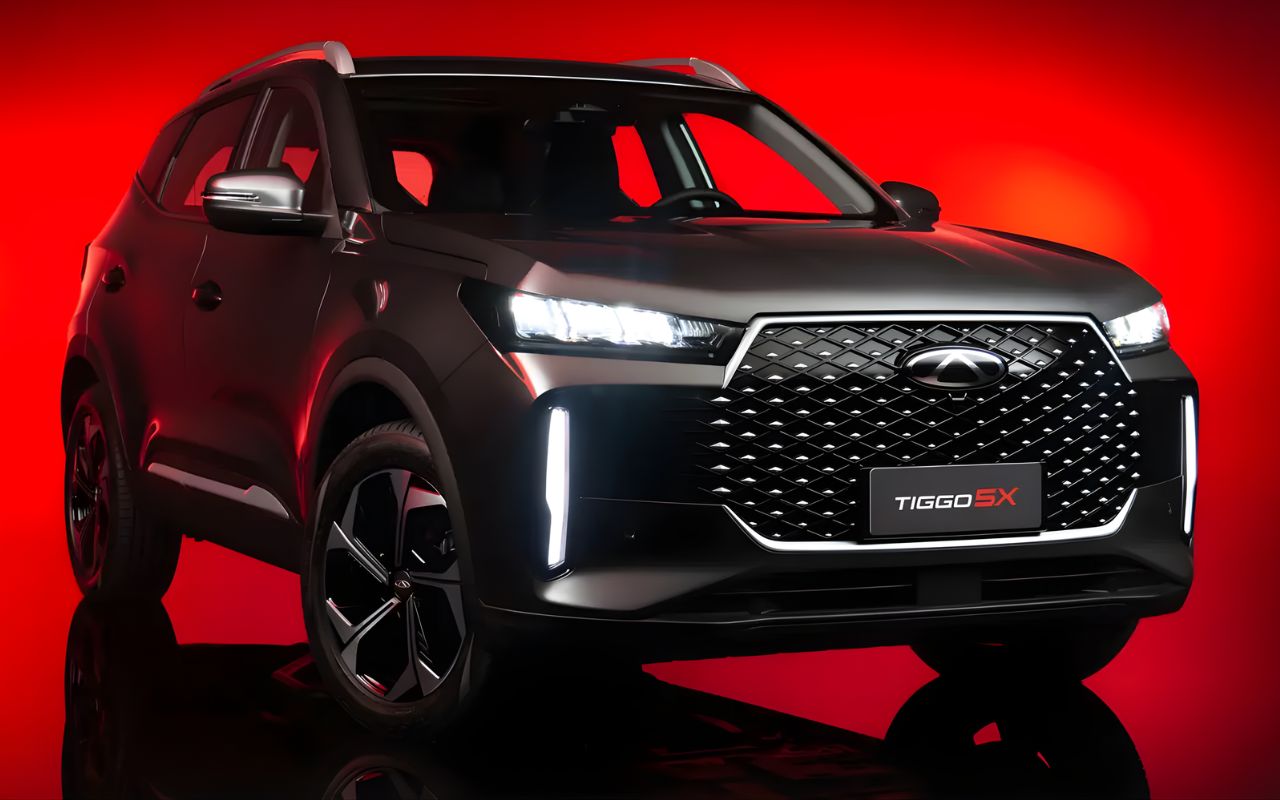
Caoa Chery Tiggo 5X skyrockets in sales in Brazil: a 2,318% increase and waiting lists of up to 4 months to acquire the model.


Global Competition and Challenges
The competition among Chinese companies to capture foreign markets is intense. In Brazil, new brands are arriving and the competition among established ones is fierce. This phenomenon is repeated globally, with Chinese companies interested in markets in Asia, Europe, Oceania, and the Americas.
However, not all brands find success in every market. Great Wall Motors (GWM), for example, revised its plans in Europe after unsatisfactory results, closing its office in Germany and canceling plans to build a factory in the country. However, GWM is doing well in Brazil, where its sales have exceeded initial expectations.
There are more than 100 Chinese manufacturers, with estimates ranging from 106 to 123. However, according to Mark Montgomery, CEO of the American consulting firm KYield, only four of these companies have reached breakeven. Combustion car manufacturers face additional difficulties due to declining sales and the Chinese government’s focus on promoting electric cars.
Impact of China on the Global Market
The Chinese invasion of the global automotive market is transforming the industry. While there is skepticism about the sustainability of this advancement, government incentives have been key to expansion. The changes initiated in 1978 with China’s opening to the world and intensified after its entry into the World Trade Organization in 2001 have allowed Chinese companies to learn and develop their own technologies.







Seja o primeiro a reagir!