





 Portuguese
  English
  Spanish
  4 min of reading
  0 comments


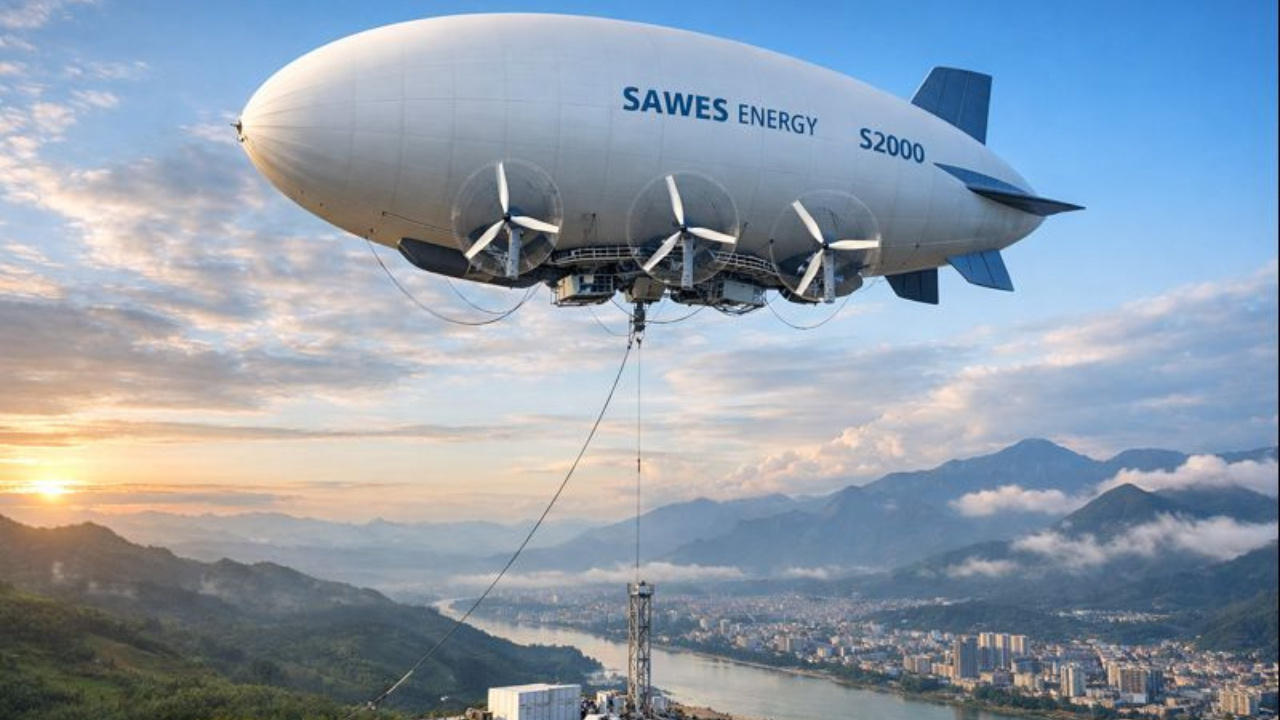
Chinese Energy Innovation Tests Floating Wind Power at High Altitude, Opening New Possibilities for Urban Clean Generation.
China has taken an unprecedented step in clean energy generation by testing
On January 5, 2026, the world’s first floating wind power system, developed by the company Sawes Energy Technology.
The experiment took place in Yibin, in Sichuan Province, where the equipment operated for 30 minutes, reached an altitude of 2,000 meters, and generated 385 kWh of electricity.
-
Giant of the winds in Rio Grande do Norte: Serra do Tigre Wind Complex receives new investments and accelerates the expansion of clean energy generation to supply millions of Brazilian homes.
-
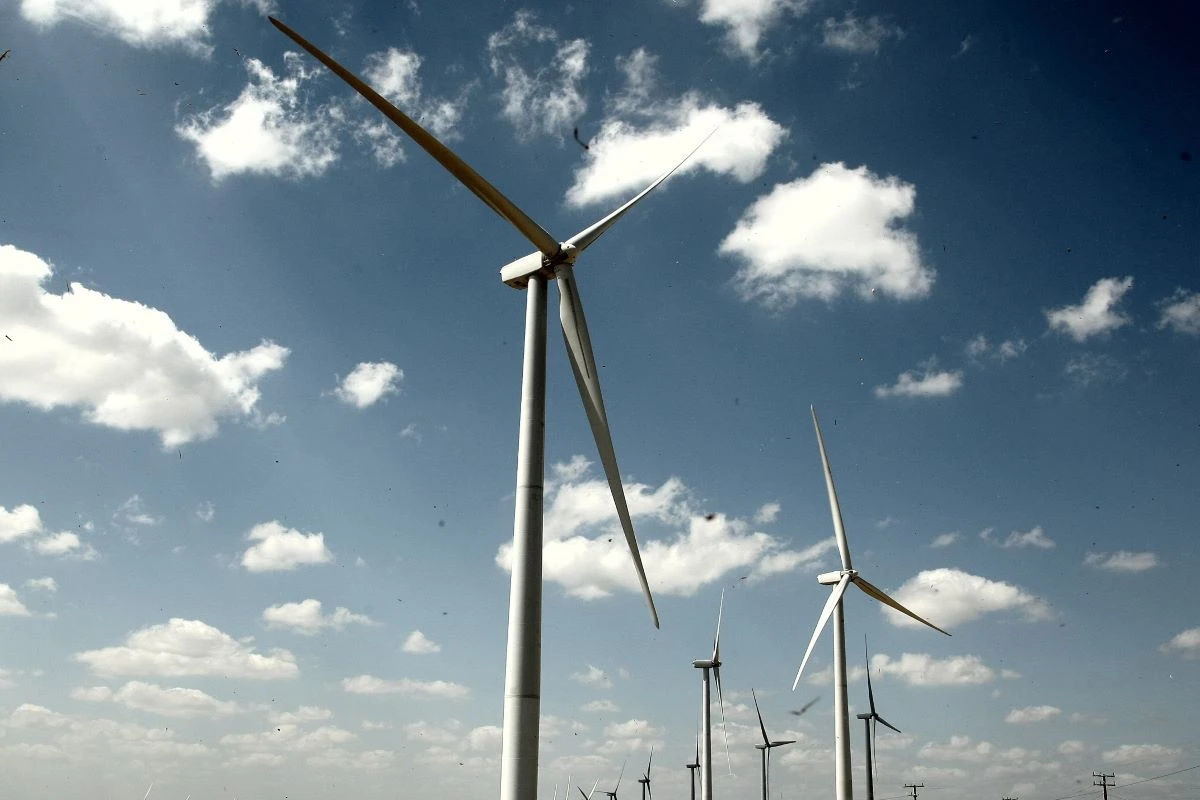
Urgent energy transition: Greenpeace advocates for massive investments and points to Brazil as a global leader in wind energy production in the coming years.
-
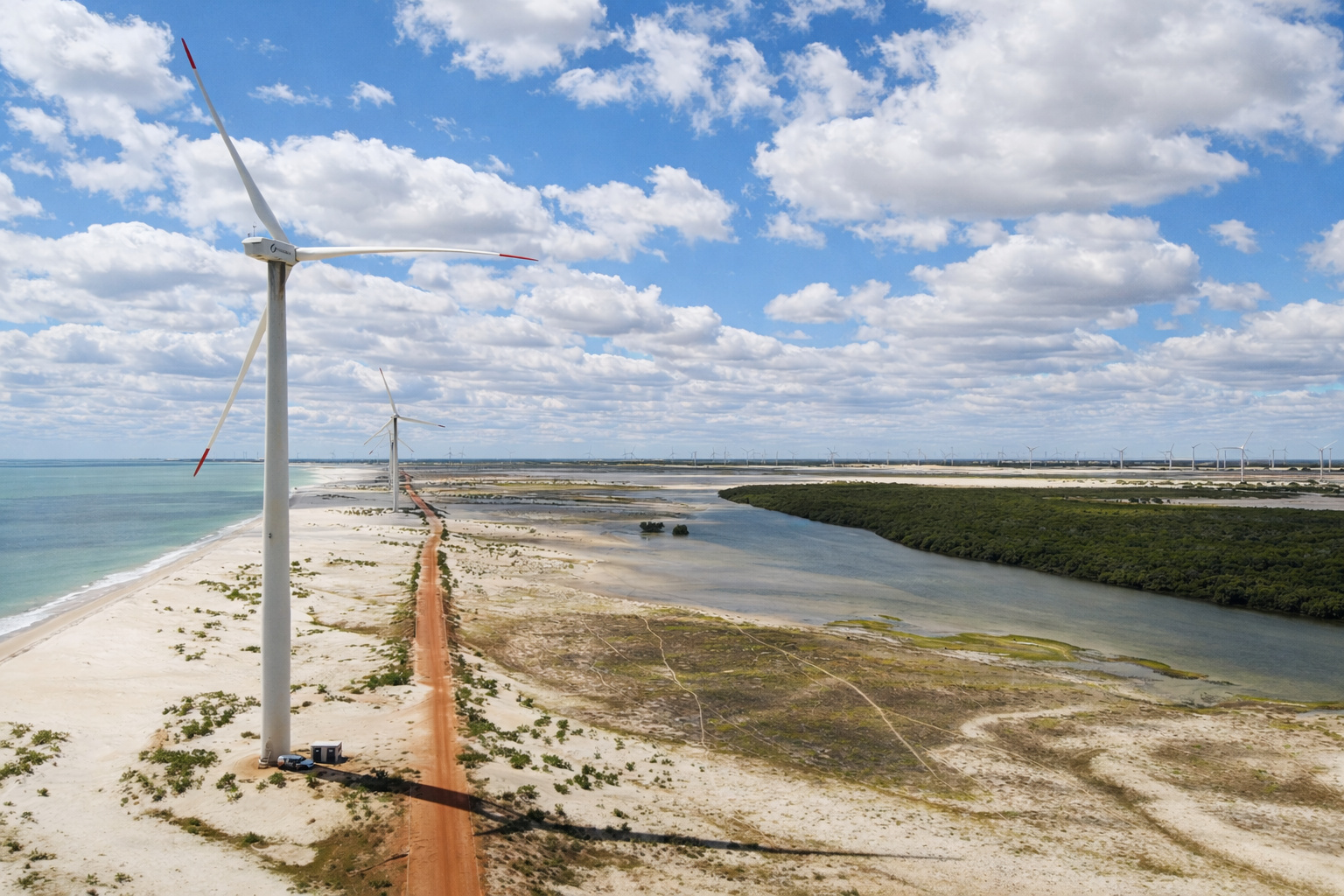
Conflict in the Sertão: Rural communities in Rio Grande do Norte report issues with wind farms and the new challenges of clean energy in the semi-arid region.
-
231 turbines of 260 meters at 160 km from the coast, monopiles weighing as much as nine blue whales embedded in the North Sea, and a crane ship taller than the Eiffel Tower: Hornsea 3 will be the largest offshore wind farm on the planet by 2027, and its first components have already arrived in England.
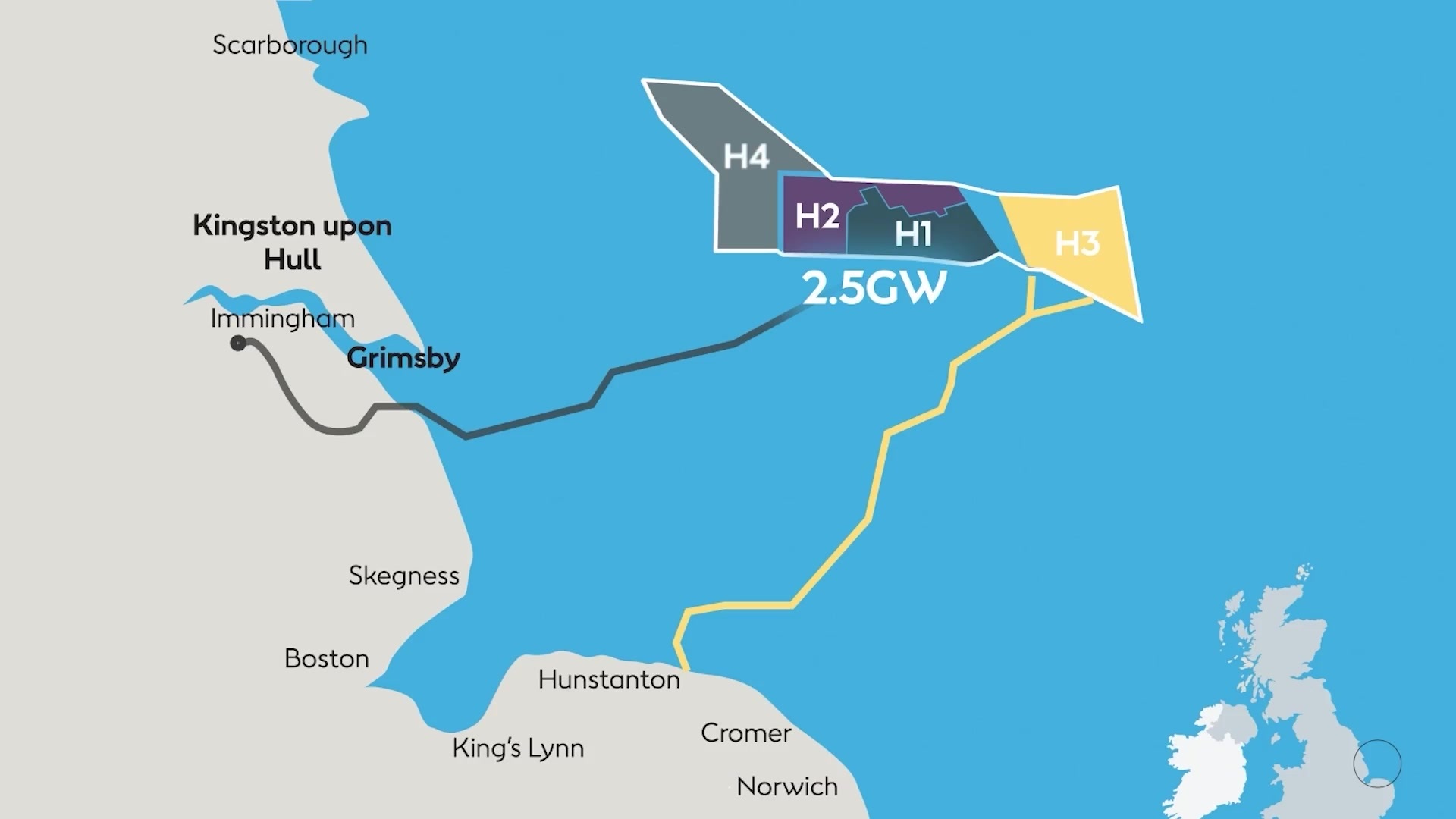
The initiative aims to explore stronger and more consistent winds at high altitudes through a high-altitude wind system, with potential to increase the supply of renewable energy, especially in urban and densely populated areas.
How the Floating Wind Energy System Works
The project, dubbed S2000 Sawes (Stratosphere Airborne Wind Energy System), utilizes a different approach from conventional turbines installed on towers.
Instead, the equipment floats in the air, supported by helium, and visually resembles a large-sized airship.
At 60 meters long, 40 meters wide, and 40 meters tall, the system houses wind turbines capable of capturing winds in the higher layers of the atmosphere.
The electricity generated is transmitted to the ground via a cable connected to a fixed structure on land, which converts and distributes the energy.
According to Sawes Energy Technology, each unit can achieve an installed capacity of up to 3 MW (megawatts), a level comparable to that of large traditional wind turbines.
High-Altitude Wind System Bets on Stronger and More Stable Winds
The main advantage of the high-altitude wind system lies in harnessing wind currents that are more intense and regular than those found near the ground.
On its official website, the company emphasizes that operating above conventional towers allows for more energy generation with lighter and more flexible structures.
Moreover, the technology reduces the need for large concrete foundations, common in land-based wind farms, which can decrease environmental impacts and installation costs.
On the other hand, experts warn that operating at high altitudes still poses technical and regulatory challenges.
One of the conceptual materials released by the company shows the S2000 operating at heights of up to 10,000 meters
Thus, a range similar to the cruising altitude of commercial aircraft, which may raise concerns related to air safety and airspace control.
Chinese Energy Innovation is Still in Testing Phase
Despite the advancement, the Chinese energy innovation is still in its early stages.
The company itself acknowledges that tests need to be expanded to verify the efficiency, durability, and resistance of the equipment to extreme weather conditions.
Previously, Sawes had tested an earlier model in September 2025, but the S2000 has a greater load capacity and structural improvements.
Nevertheless, it is still unclear to what extent the system can operate continuously in adverse situations, such as excessively strong winds or storms.
In an interview with Global Times, the company’s CEO, Dun Tianrui, highlighted the practical potential of the technology.
Moreover, according to him, the energy produced in just one hour of operation would be sufficient to recharge about 30 electric cars, from 0% to 100% battery.
Floating Wind Power Can Transform Clean Energy Generation
Floating wind power adds to other innovative solutions seeking to accelerate the global energy transition.
By enabling installation near urban centers, the technology can reduce electricity transmission losses and expand access to clean energy generation.
This potential has caught the attention of Chinese authorities.
On January 6, the Chinese Consulate General in Rio de Janeiro posted on its profile on X that
“Chinese high-altitude wind energy technology is transitioning from the experimental phase to engineering scale applications, opening new possibilities for clean generation, especially in urban environments.”
Thus, the statement reinforces the country’s strategy to lead the development of low-carbon energy solutions, combining technological innovation and industrial scale.
Airborne Wind Technology and the Next Challenges
Airborne wind technology still faces significant obstacles before becoming commercially viable on a large scale.
Issues such as safety, maintenance, airspace regulation, and integration with existing electrical networks need to be addressed.
Still, the test conducted in Sichuan marks a turning point in the renewable energy sector.
By demonstrating that it is possible to generate electricity reliably at high altitudes,
China expands the debate on new frontiers for sustainable energy production.
If upcoming tests confirm expectations, floating wind power could establish itself as a complementary alternative to traditional sources
redefining the future of clean generation in urban and industrial environments.






Seja o primeiro a reagir!