





 Portuguese
  English
  Spanish
  4 min of reading
  0 comments


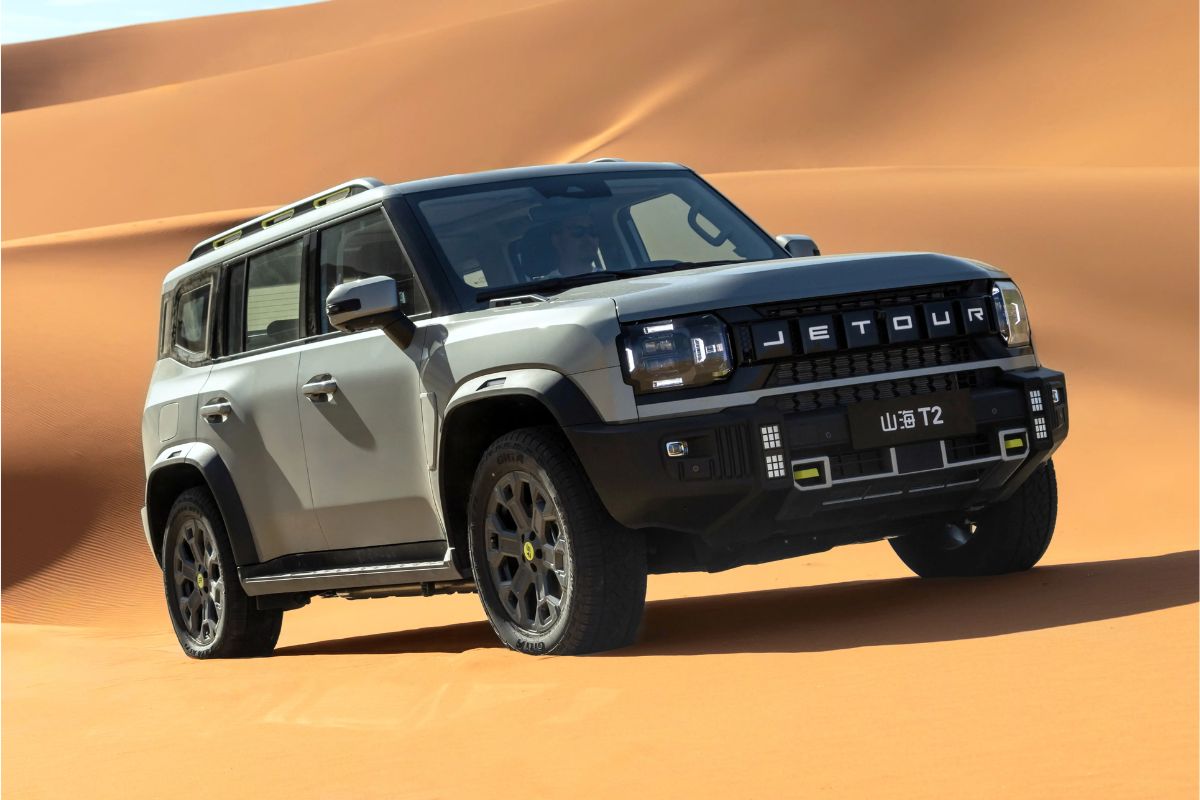
Jetour Arrives in Brazil with Full Force: Aggressive Visual, Powerful Engines, and Competitive Pricing in the New T1 and T2
The Chinese presence in the Brazilian automotive market continues to grow — and with full force. After bringing the brands Omoda and Jaecoo without the traditional partnership with Caoa, now it is Jetour’s turn to arrive here. Linked to the giant Chery, this new venture has a date set to debut in Brazil: the launch is scheduled for the first quarter of 2026, with two models already defined to kick things off — the Jetour T1 and T2 SUVs.
Jetour arrives with an ambitious and clear proposal: to offer robust, stylish SUVs with an adventurous appeal, following the aesthetic that made Land Rover a global reference in the segment. The manufacturer has already formalized its operation at the São Paulo Commercial Registry and is rapidly hiring, including experienced professionals from the Brazilian automotive sector.
Strategic Hires and Behind-the-Scenes of the Arrival
The movement behind the scenes reveals that Jetour is assembling a strong team. Many of the new hires have previously worked at brands like Neta — which entered Brazil in 2024 but struggled to gain traction and is close to ending operations in Espírito Santo. There are also executives with backgrounds at Chery and even Caoa, indicating that prior knowledge of the dynamics of Chinese automakers was an important differentiator in the selections.
-
The Toyota Hilux is R$ 75.5 thousand cheaper and bets on the 2.8 turbodiesel engine with up to 204 hp and 50.9 kgfm to catch up with the VW Saveiro, which leads with 4,472 sales.
-
The new Renault Koleos has a screen exclusively for the passenger that is invisible to the driver, heated rear seats, and 29 assistance systems, but its Chinese competitors cost R$ 40,000 less and deliver more power.
-
The car stored for 38 years: when opening the barn door, what appears is breathtaking and looks like a scene from a movie!

-
Fiat works miracles in the Brazilian market, lowers the price of its 0 km hatch to R$ 69,990, reestablishes the model as the cheapest car in the country, and reignites the battle against Kwid and C3.
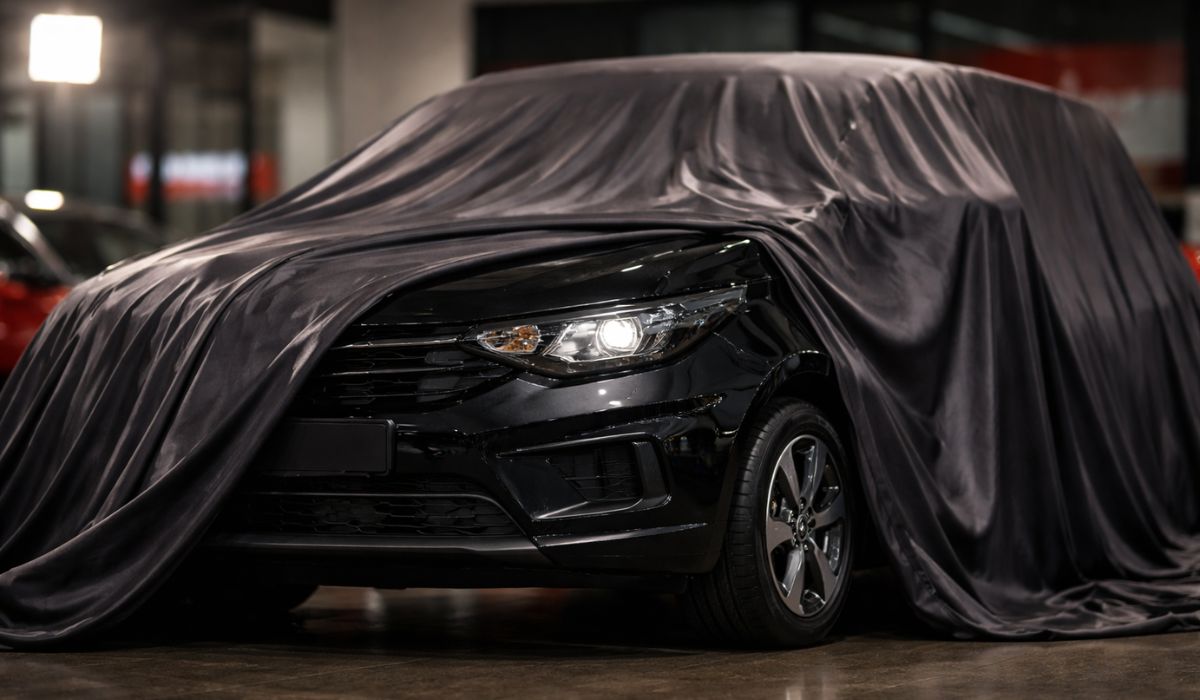

Opportunities are not limited to the technical area: there are openings in finance, marketing, and dealership network structuring. Everything indicates that Jetour aims to replicate the success of Omoda Jaecoo, but with an even more direct approach to consumers interested in robust and technological SUVs.
Who is Behind the Operation?
Although operating independently in Brazil, Jetour has a DNA fully linked to Chery. The direct entity responsible for the operation is Jetour Auto Brasil, whose sole partner is Wuhu Ruiqing Enterprise Management — controlled 85% by Chery Automobile and 15% by Wuhu Jietu Automobile Sales, which handles distribution.
In other words, even with different names, everything is part of the same corporate umbrella. The logic is similar to the arrival of Omoda Jaecoo: different brands, distinct strategies, but under the same Chinese holding. The goal is to diversify the portfolio and target specific niches in the national market with greater precision.
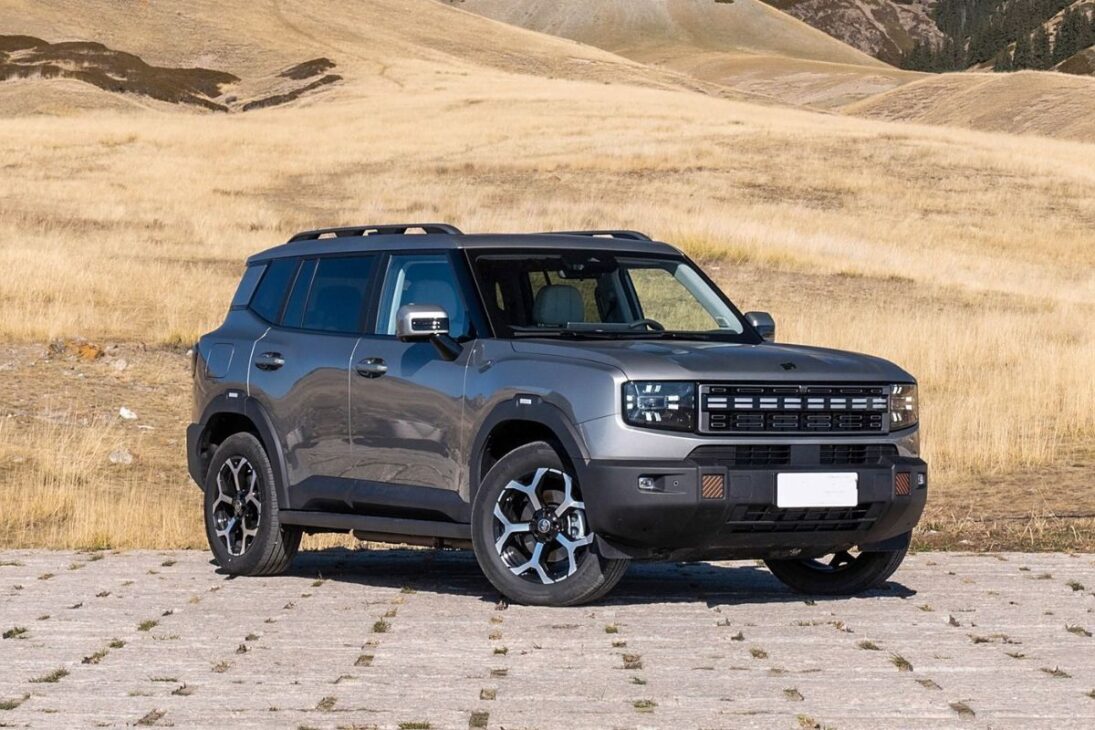
The T1 and T2 SUVs: Striking Design and Robust Specifications
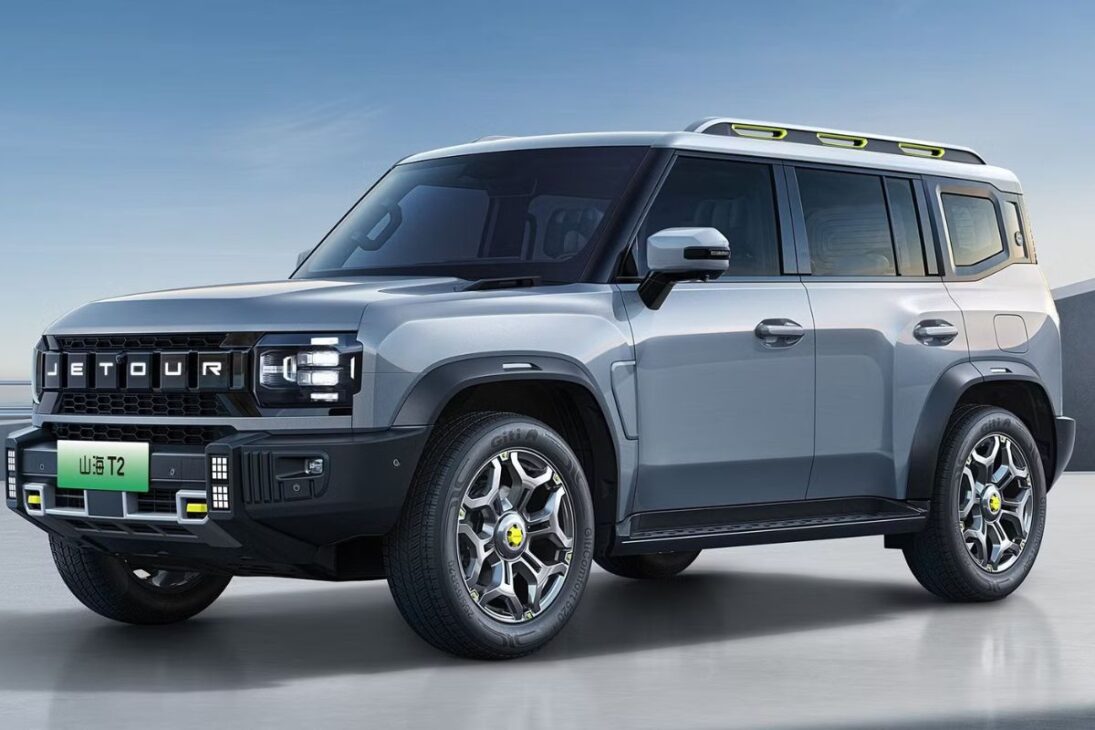
Two models are already undergoing tests across the country: the Jetour T1 and T2, the latter also known internationally as “Traveller.” A glance is enough to notice the aesthetic similarity with the legendary Land Rover Defender — square lines, imposing presence, and off-road capability.
The Jetour T2 impresses with its dimensions: it measures 4.78 meters in length, 2 meters in width, and 1.87 m in height, with a generous wheelbase of 2.80 m. Under the hood, the gasoline version features a 2.0 turbo engine with 254 horsepower and torque of 39.8 kgfm, coupled with a 7-speed dual-clutch transmission.
But the SUV will also be available in a plug-in hybrid version, equipped with a 1.5 turbo engine (156 hp and 22.4 kgfm) combined with two front electric motors. The 26.7 kWh battery ensures a range of 139 km on the NEDC cycle, according to the manufacturer’s official website.
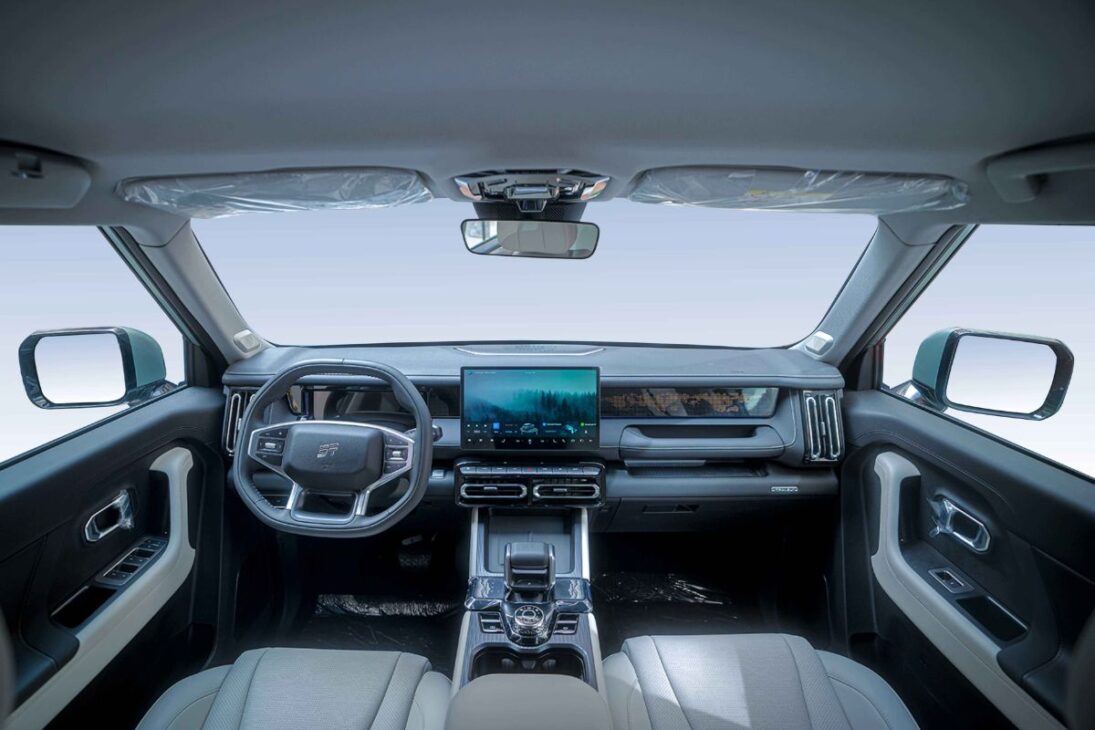
Inside, the T2 boasts features worthy of premium segments: a 15.6-inch multimedia center, a Sony sound system with 12 channels, panoramic sunroof, heated and ventilated seats, 360-degree camera, and wireless phone charger.
The Jetour T1 follows the same aesthetic lines, with a similar design and almost the same measurements: 4.70 m in length, 1.96 m in width, and 1.84 m in height, also with a wheelbase of 2.80 m. The model will be equipped with either a 1.5 turbo engine (paired with the 7-speed dual-clutch transmission) or the same 2.0 turbo engine with 254 hp, but in this case associated with an 8-speed automatic transmission.
Jetour Aims to Challenge Traditional Brands in Brazil
Although sales will only begin in 2026, the message is clear: Jetour is not here to play. The bet is clear on SUVs with aggressive visual appeal, above-average performance, and competitive pricing, targeting consumers who dream of a Land Rover but want a more affordable — yet modern — alternative.
If it manages to replicate the good performance of Omoda and Jaecoo in Brazil, Jetour could quickly carve out its space and become another strong name in the new automotive landscape of the country, increasingly dominated by Chinese brands. The competition should prepare itself.







-

-

-

10 pessoas reagiram a isso.