





 Portuguese
  English
  Spanish
  6 min of reading
  0 comments


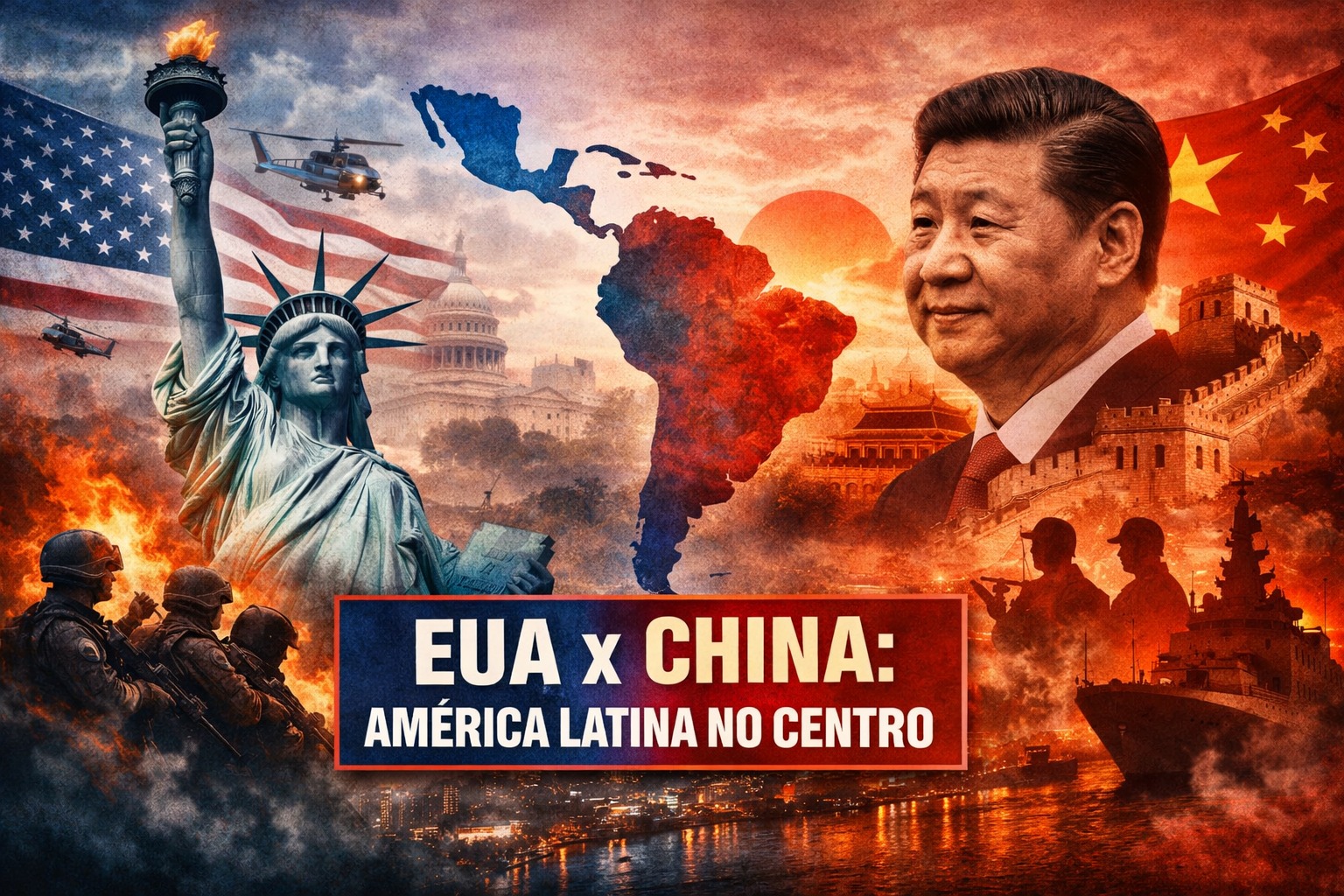
Study Reveals How Chinese Advancement Transformed Trade, Investments, and Technology in the Region and Pushed Washington from Economic Competition to Coercive Strategy, According to Analysis by Researcher Francisco Urdinez
Among graphs, indices, and theories, researcher Francisco Urdinez decided to seek an image in the sky to explain a deep movement that has occurred in Latin America this century. By comparing China’s rise in the region to a solar eclipse, he synthesizes a transformation that, according to his studies, has structurally altered the balance of economic forces on the continent.
The metaphor is simple but powerful: although smaller than the Sun, the Moon can completely block its light because it is closer to the Earth.
In the same way, China, even without having a larger economy than that of the United States, has become more present and influential in much of South America.
-
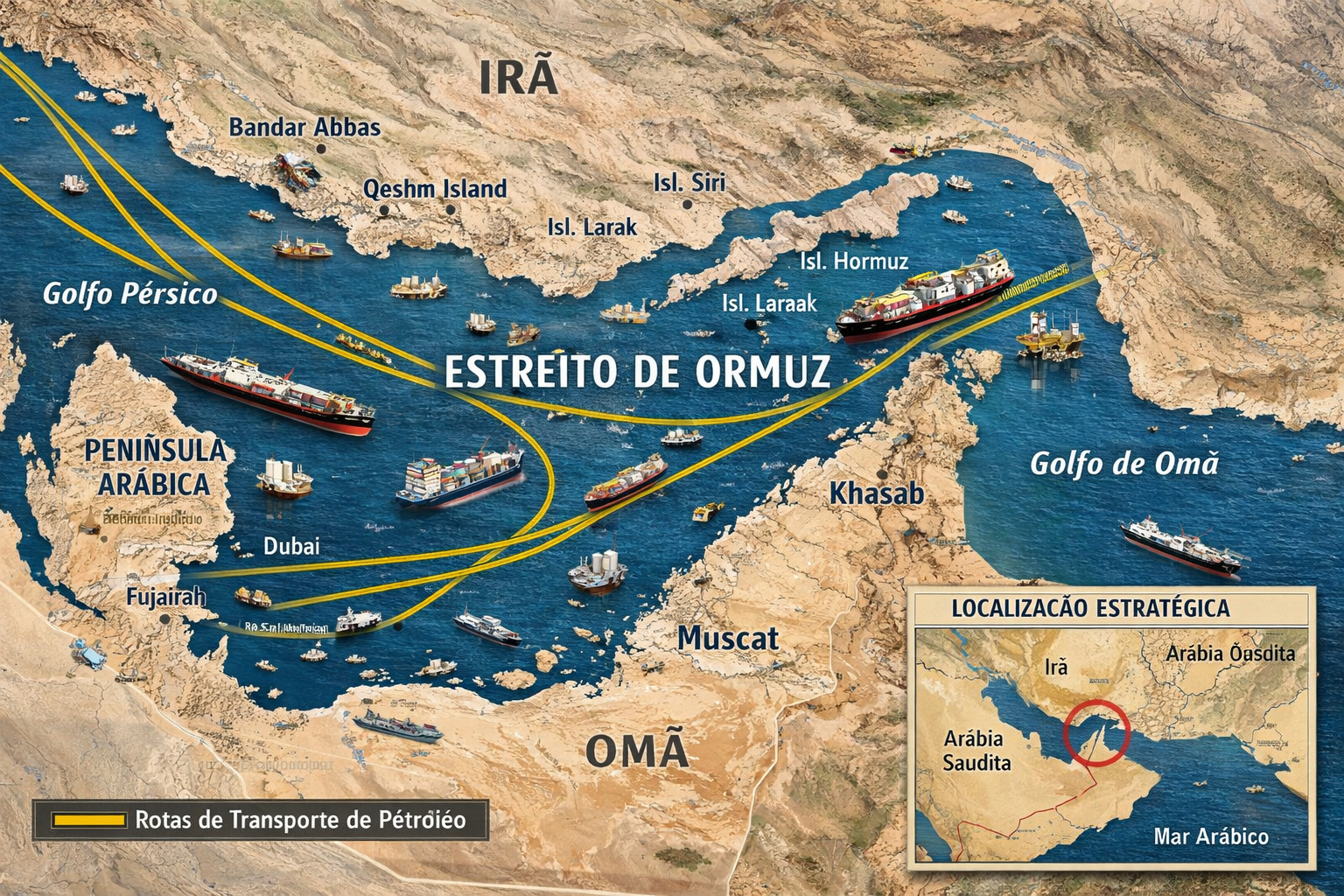
Global summit with over 40 countries pressures Iran for a blockade in the Strait of Hormuz and warns of direct impact on oil, food, and the global economy.
-
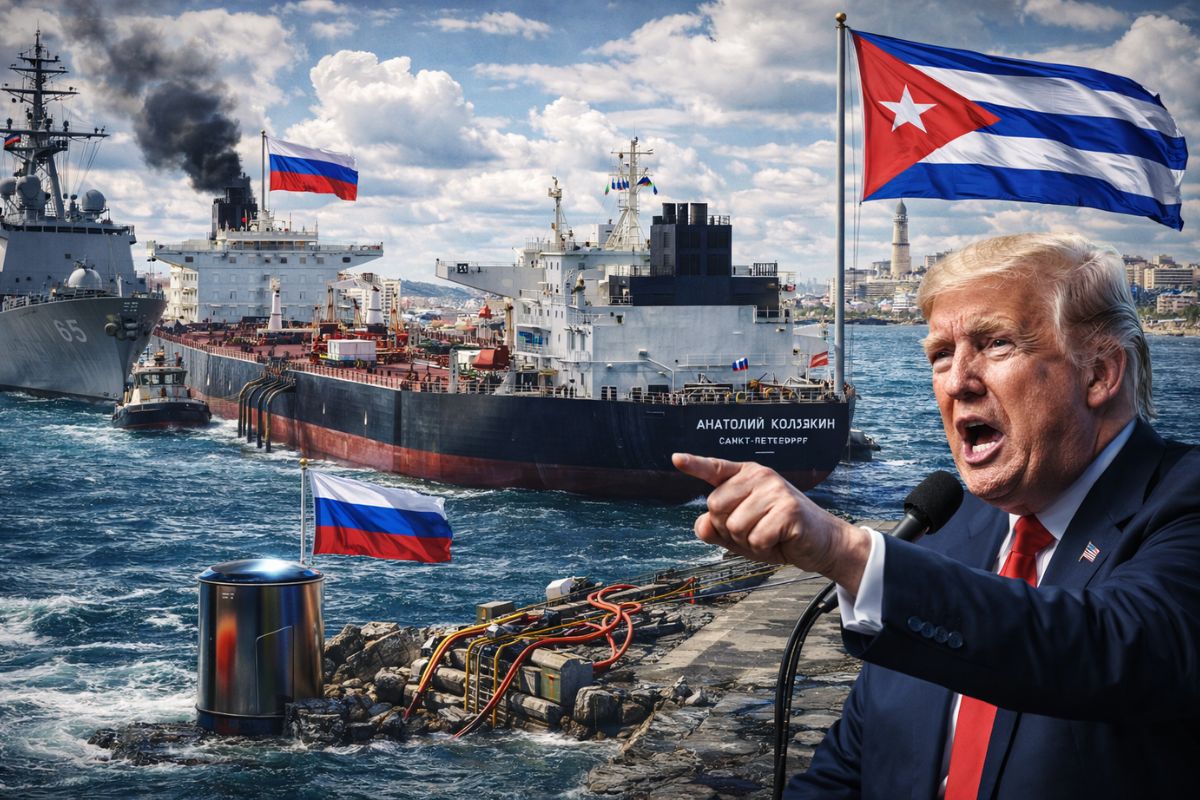
Russia has broken the U.S. maritime blockade to send oil to Cuba and is now loading a second ship while Trump says that “Cuba is next” in a possible military action against the island.
-
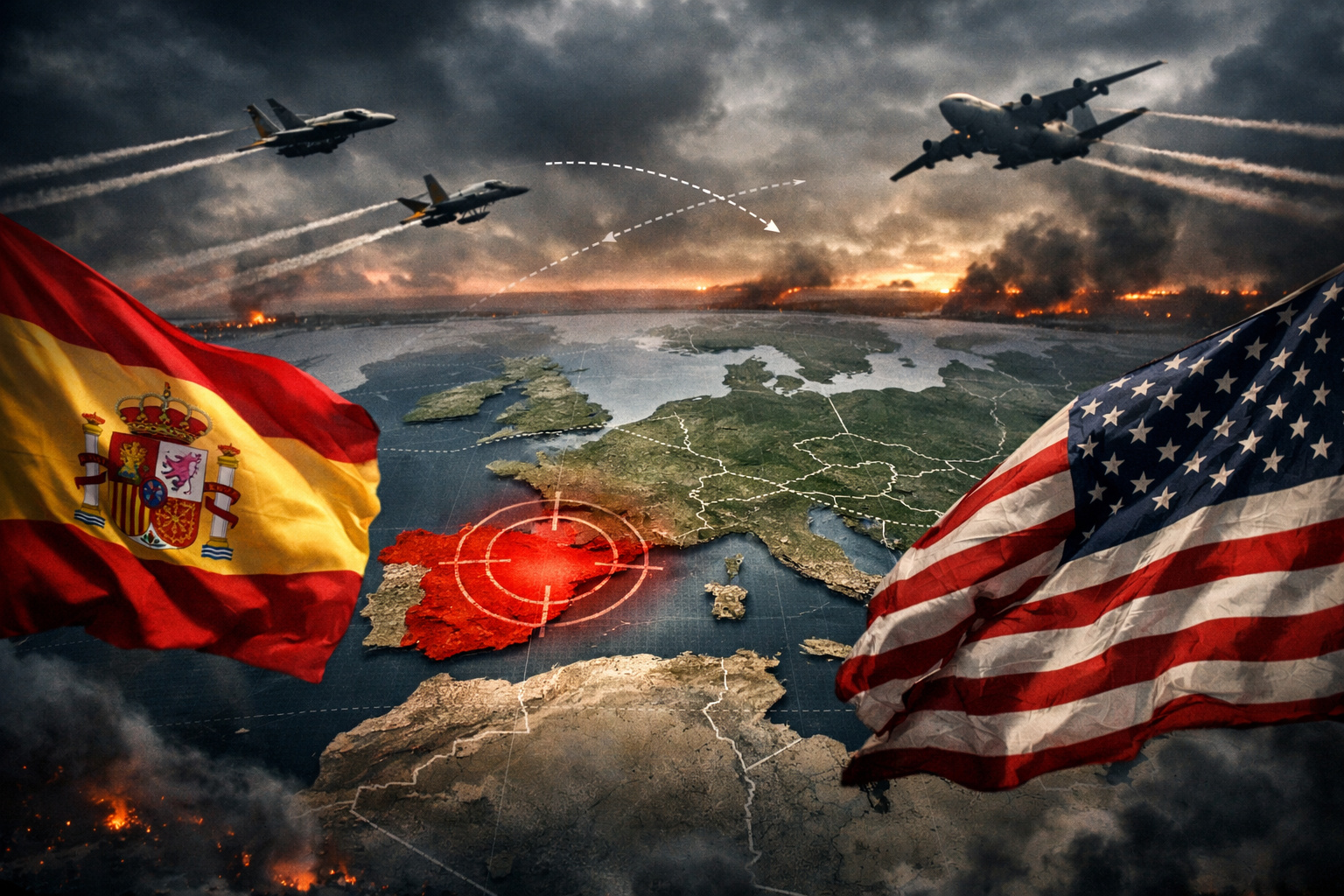
Spain challenges the USA and closes its airspace for operations against Iran, raising global tension and provoking the threat of a trade rupture.
-
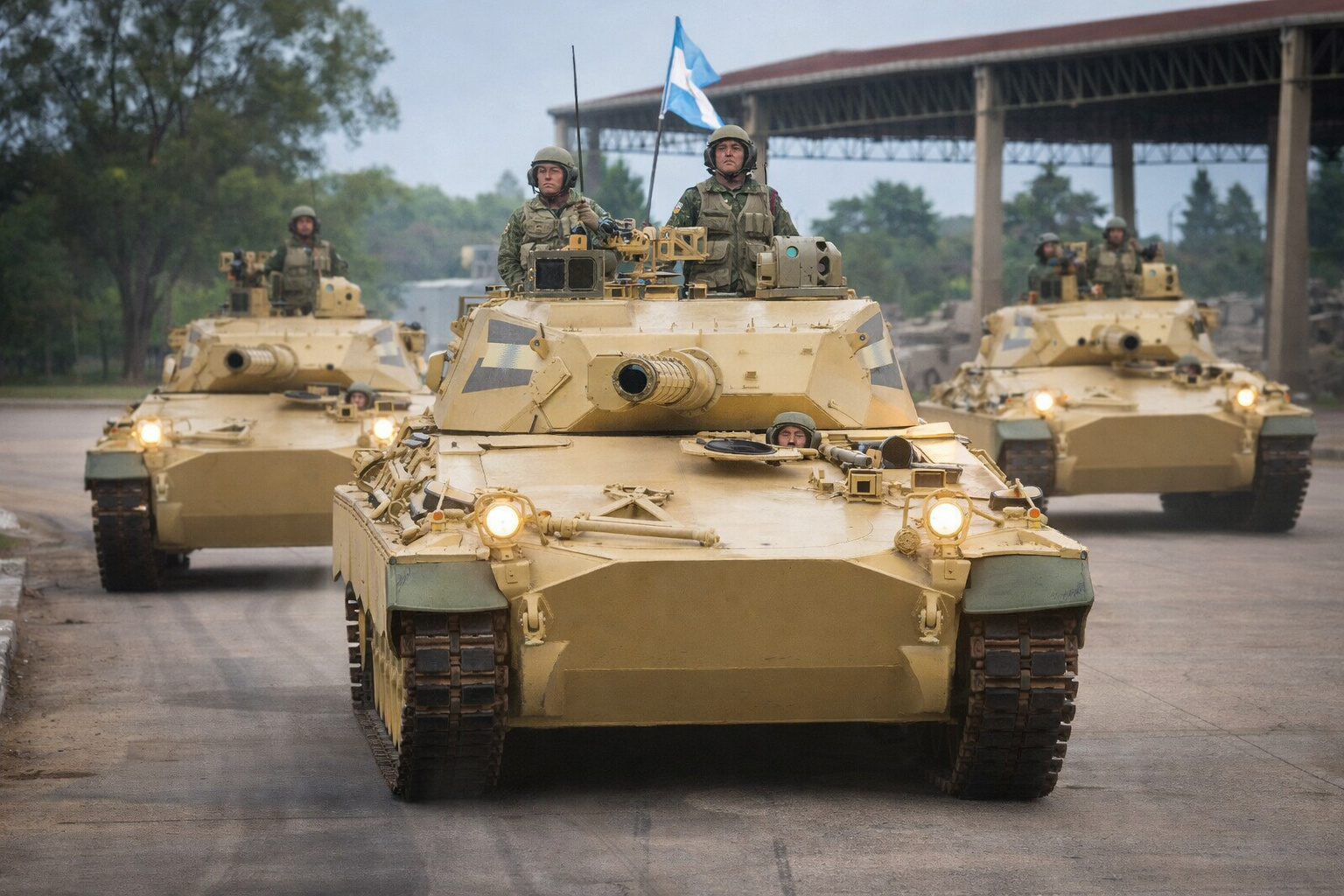
While no other country manufactures tanks in Latin America, Argentina activates the TAM 2C-A2 and raises a curiosity about the technological lag in the region.

The analysis is part of the research that led to the book Economic Displacement: China and the End of US Primacy in Latin America, which has yet to be released in Brazil.
In an interview with Folha, Urdinez details how this displacement occurred, when it gained strength, and what its implications are for the future of the region.
The Eclipse Metaphor and the Shift of Axis
For Urdinez, the comparison with the eclipse helps visualize a complex phenomenon. China did not “replace” the United States because it became more powerful in absolute terms, but because it began to occupy spaces that Washington left open over the last few decades.
This growing economic proximity has led Latin American countries, especially those in South America, to look more to Beijing than to Washington when it comes to trade, investment, and credit.
According to the research, 10 of the 12 South American countries today see China as the most influential country in their economies.
In 2001, all were closer to the US. The shift did not happen overnight, but solidified mainly throughout the second decade of the 2000s.
An Index to Measure Influence
To demonstrate this displacement, the study created its own metric called the Economic Weight Index.
The indicator aggregates investment, credit, trade, and foreign aid from the US and China in relation to the GDP of Latin American countries.
With this tool, it was possible to identify not only which of the two powers has greater economic importance in each country, but also when this relationship changes.
The data shows a clear trend: China has been steadily advancing since the beginning of the century, while American presence has lost momentum.
2001, A Decisive Turning Point
Urdinez points to 2001 as a fundamental milestone. It was the year China joined the World Trade Organization.
From then on, its integration into global supply chains accelerated, boosting exports, investments, and agreements.
However, the researcher highlights 2016 as a key moment. Before the trade war began in Trump’s first term, the US recognized that China had not made, and would not make, the promised reforms to become a market economy.
This acknowledgment marked a turning point in America’s stance towards the multilateral institutions created after World War II.
The American Misreading
According to Urdinez, there was a misreading at the beginning of the century. The belief that China would be shaped by joining the WTO turned out to be, in his words, almost naive.
While Washington relied on this transformation, Beijing was growing and taking advantage of the space left by the US in various regions, including Latin America.
This process was not unilateral. Latin American countries also saw China as an attractive partner for attracting investment and cooperation. There was, therefore, a convergence of interests.
The Latin American Agency
Urdinez emphasizes that it is a mistake to view the region as passive. Brazil, for example, acted swiftly and actively to attract the Chinese market.
Soybeans, iron ore, and meat have come to occupy a central place in exports to China.
This movement created deep economic ties that are difficult to undo. In many cases, there are no alternative markets capable of absorbing the volume of what China buys.
Ideology in the Background
Despite the so-called “pink tide,” with leftist governments in South America, Urdinez sees ideology as a secondary factor in this alignment.
Lula is cited as a major proponent of the bilateral relationship with the Chinese, but sectors linked to the right, such as agribusiness, have also been widely benefited.
In the end, it comes down to economics. There is currently no alternative investor with the same disposition to act in sectors such as energy transition and telecommunications technology.
The United States’ Response
The loss of influence in the region appears in the national security plan of Donald Trump’s government, released in December 2025, as a point to be reversed. A month later, the US captured the dictator of Venezuela, Nicolás Maduro, now deposed.
For Urdinez, this sequence of events shows that the American response has shifted from economic competition, which they lost, to coercive intervention.
It is a tacit acknowledgment that Washington cannot change the economic displacement merely with market offers.
The Chair Already Occupied
Recovering hegemony based on goods, services, credit, and access to markets is seen as increasingly difficult.
The US currently lacks the institutional infrastructure to promote its companies abroad in the same way as in the past.
Meanwhile, Beijing occupies the “chair” left empty. When it is not possible to compete economically, the quickest resource becomes force, an area where the US still maintains superiority.
Soft Power Still Matters
Despite the economic contraction, Americans still have a significant soft power advantage over China.
They are seen as an example of liberal democracy, exercising influence through music, food, institutions, and the educational system.
This is important symbolic capital, but it does not guarantee automatic permanence of leadership.
Urdinez notes that symbolic advantages can wear away if not accompanied by relevant economic presence.
Fewer Chips in the Region
From the researcher’s perspective, the US has changed its priorities. If they previously had 100 chips distributed worldwide, with 20 in Latin America, today they have left only 3 or 4 in the region, directing the others to markets considered more interesting.
This movement coincided with the American contraction after the end of the Cold War and opened space for Chinese expansion not only in Latin America but also in Africa and parts of Southeast Asia.
The Dilemma of Balance
Staying aloof from the dispute between powers tends to become increasingly difficult. Until now, countries have managed to combine economic relations with China and security ties with the US. This arrangement worked because competition was essentially economic.
With Trump, the message changes: economy and political loyalty now go hand in hand. Washington demands geopolitical alignment and signals punishments in case of deviation.
Technology as a Sensitive Field
Technological competition is seen as one of the most delicate points. 5G, artificial intelligence, and digital payments are becoming arenas of direct dispute.
The US campaign against Huawei illustrates how countries are pressured to choose technical standards.
Once the infrastructure of one side is adopted, it becomes difficult to reconcile it with that of the other, creating systemic separation.
A Future of Choices
The scenario that is unfolding resembles a Cold War, but focused on the economic rather than military field. The logic of “friend or enemy” tends to gain space, reducing the maneuvering margin of Latin American countries.
As a precedent, the very regional history shows that strategies based on coercion tend to generate reverse effects and loss of symbolic legitimacy.
It is in this unstable terrain that Latin America tries to redefine its place in an increasingly divided world.
With information from Folha de São Paulo.








Seja o primeiro a reagir!