





 Portuguese
  English
  Spanish
  4 min of reading
  0 comments



In 1986, Cleveland Launched 1.5 Million Balloons and What Was a Party Turned Into Chaos: Airport Closed, Traffic Jammed, and Rescue Efforts Compromised on Lake Erie.
On September 27, 1986, the city of Cleveland, in the state of Ohio (USA), tried to make history with a gigantic visual spectacle: launching 1.5 million helium balloons simultaneously to break the Guinness World Record and help raise funds for the United Way. The project, named Balloonfest ’86, mobilized volunteers, sponsors, and television coverage, transforming downtown into an improvised factory of colorful balloons. What no one expected was that the event would turn into one of the classic cases of unintended consequences, exposing urban, environmental, aviation, and even maritime rescue risks.
The Operation: 1.5 Million Balloons in a Mega Tent in Downtown Cleveland
To ensure the operation worked, a gigantic structure was set up at Public Square, containing a massive plastic mesh capable of holding millions of balloons until the moment of launch. Volunteers, including teenagers and students, spent hours filling balloons with helium and tying them, while TV cameras and helicopters provided live coverage.


Organizers anticipated that the balloons would rise quickly and disperse high over Lake Erie, avoiding impacts in the city. On paper, it was an operation as choreographed as a large-scale fireworks launch; in practice, the weather would change the entire scenario.
-
Few people know this, but Neil Armstrong, one of the most famous NASA astronauts in history, survived the Korean War after jumping from the plane during his seventh combat mission aboard the USS Essex aircraft carrier of the United States.

-
Diving with a camera in Lake Furnas reveals a submerged city with an entire street, almost intact houses, a preserved bridge, a wood stove, a Kombi, and even a bus at the bottom of the largest lake in the Southeast.

-
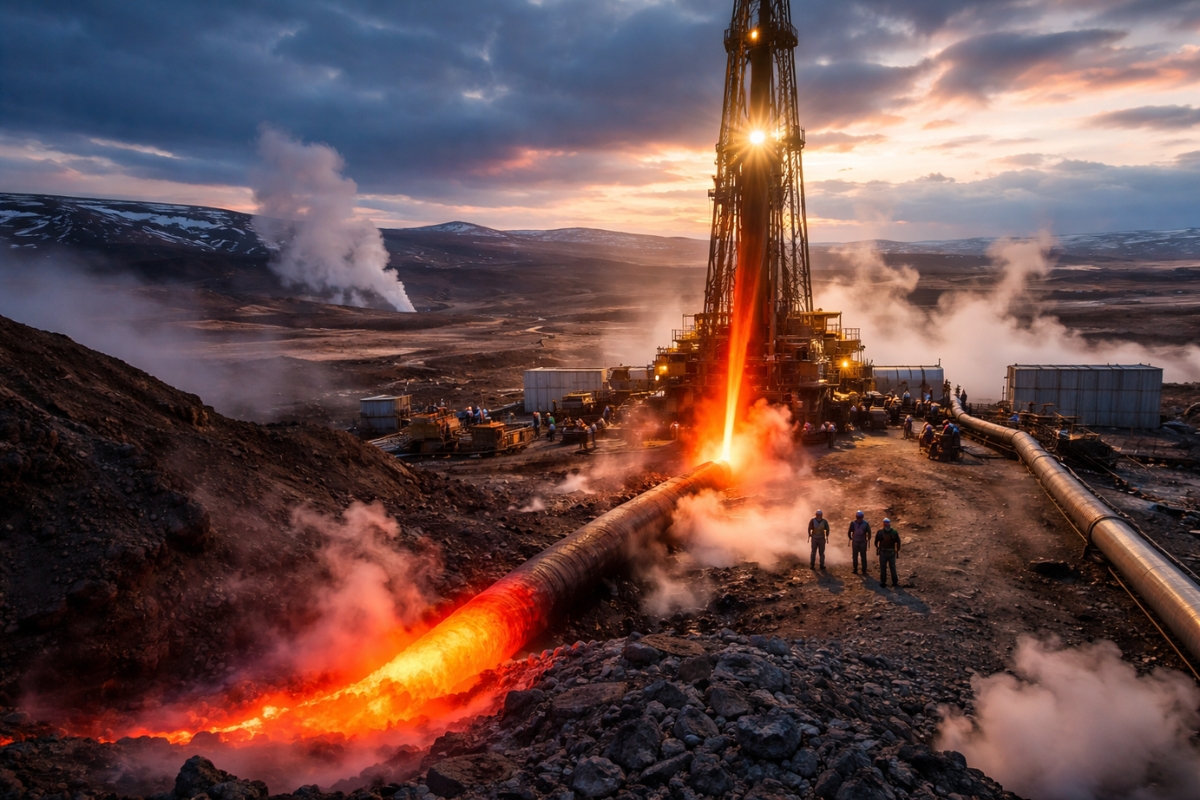
Iceland accidentally drilled into a magma pocket at 2,100 meters and revealed that the extreme heat beneath the crust could pave the way for a new source of continuous energy.
-
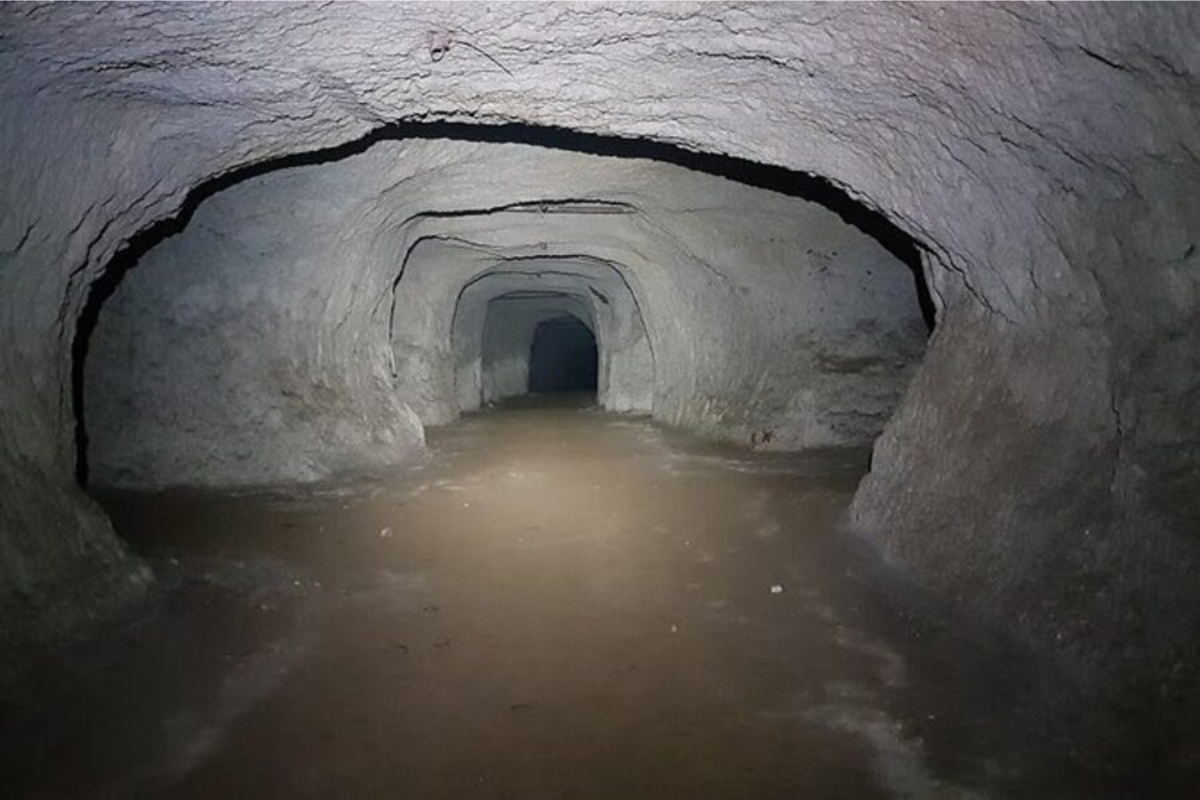
Discovery of a 15-kilometer labyrinth beneath the buildings of Rome raises alarm for collapses and reveals the largest underground network ever found in the Italian capital.

The Turn: Arrival of a Cold Front Makes Balloons Fall Over the City
Just before the launch, a cold front brought rain and stronger winds to Cleveland. The helium, suddenly cooled, reduced the balloons’ floating time, causing many to rise for a short time and return to the ground still inflated — a completely opposite scenario to what the organizers imagined.
Instead of disappearing high above, millions of balloons began to fall onto streets, highways, rooftops, rivers, parks, and even Lake Erie, turning the city into chaos of color and plastic.
Traffic Stopped, Drivers Blinded, and Roads Blocked
When the balloons began to touch the ground, the first problem was immediate: traffic came to a halt. Drivers had difficulty seeing, cars had to brake suddenly, and entire streets were overwhelmed with balloons that bounced and popped on contact.
Reports and images from the time show covered lanes, pedestrians trying to cross amid balloons, and vehicles with compromised visibility. What was supposed to be a show turned into a physical and visual obstacle.
Airport Closed Due to Aviation Risk
Shortly after, chaos hit the air system. The Burke Lakefront Airport, located near Lake Erie, had to close temporarily due to the risk of balloons being sucked into turbines or impacting pilots during landings and takeoffs — a real risk documented in aviation, especially for smaller aircraft.
The closure caused delays, route changes, and inconveniences for passengers, entering the records of the event as one of the most unexpected impacts.
Searches in Lake Erie: Balloons Confuse Rescuers and Hinder Rescues
The biggest tragedy associated with Balloonfest ’86 occurred when US Coast Guard rescue teams tried to locate two missing fishermen on Lake Erie. The balloons that covered the water’s surface visually resembled floating human heads, confusing rescuers who were searching for signs of life.

In addition to the visual confusion, helicopters had difficulty operating due to the balloons rising and colliding with the rotors. The rescue was delayed and did not achieve immediate success; days later, the bodies of the fishermen were found, already lifeless.
The Plastic Rain: Horses, Roofs, and Rural Areas Affected
When balloons began to fall in rural areas, an unusual case gained attention: horses from a ranch were startled, suffered injuries, and needed veterinary care. The owner sued the city and the United Way for damages.
In other regions, rivers and drains got clogged, roofs got covered, and regional airports reported temporary interference.
Environmental and Legal Issues
At the time, environmental concerns were not widely discussed, but Balloonfest ’86 later became a classic example of mass plastic pollution and lack of environmental planning in urban events.
Estimates indicate that thousands of balloons took months to disappear and many were never collected, getting stuck in vegetation, in the lake, and in rural areas. Legally, the case led to lawsuits involving property damage, aviation risks, environmental impacts, and harm to third parties. The United Way never repeated the format.
The Historical Lesson: When the Spectacle Weighs More Than the Planning
Balloonfest ’86 is remembered as one of the largest balloon launches in human history, but also as a reminder that large-scale urban operations require environmental and logistical studies, especially when involving urban traffic, airspace, emergency services, public health, and aquatic ecosystems.
The event is now widely used in event management, public safety, logistics, and sustainability courses as an example of systemic failure due to lack of impact assessment.







-

-

-

6 pessoas reagiram a isso.